Executive Summary:
The global F-35 fleet is expected to see a temporary decline in aircraft availability as operators address a growing backlog of corrosion repairs. Defense officials say the effort is necessary to improve long-term readiness and sustainment performance for the stealth fighter program.
F-35 Availability Faces Short-Term Decline Amid Maintenance Push
The F-35 availability rate is expected to decline in the near term as maintenance crews work through a backlog of corrosion-related repairs affecting the stealth fighter fleet. The issue, discussed by defense officials and sustainment leaders, highlights the ongoing challenge of maintaining fifth-generation aircraft designed for high-tempo operations in demanding environments.
The maintenance effort is focused on clearing accumulated corrosion cases that have developed across portions of the multinational F-35 fleet. The temporary reduction in aircraft readiness is expected as more jets are pulled from operational service for inspections and repair work.
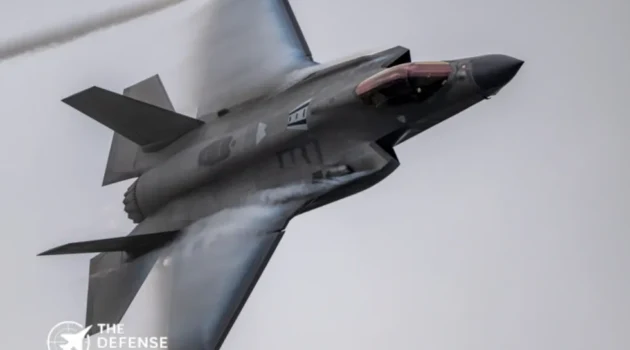
The F-35 program remains one of the largest and most complex military aviation programs in the world, with aircraft operated by the United States and multiple allied nations. The platform serves in conventional takeoff, short takeoff and vertical landing, and carrier-based configurations across different branches and partner air forces.
Corrosion Challenges Continue To Affect Advanced Stealth Aircraft
Corrosion has long been a concern for modern military aircraft, particularly stealth platforms operating in maritime and humid environments. The F-35’s low observable coatings, advanced materials, and tightly integrated systems require specialized maintenance processes that can increase repair timelines compared with legacy aircraft.
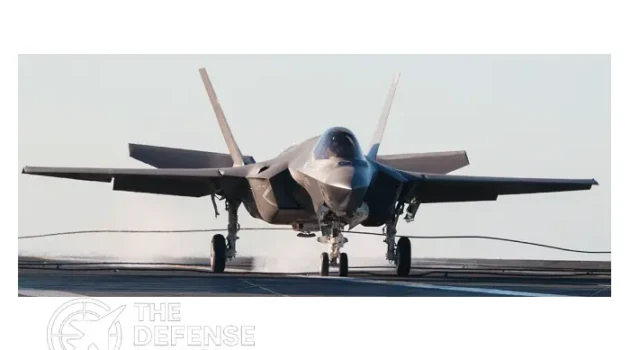
Naval aviation environments create additional stress on airframes due to salt exposure and high-moisture operating conditions. Carrier-based aircraft, including the F-35C, face particularly demanding sustainment requirements because of continuous exposure to corrosive sea air.
Defense sustainment officials have increasingly emphasized long-term fleet durability as global F-35 flight hours continue to rise. The aircraft now operates across Europe, the Indo-Pacific, and the Middle East, with many fleets flying at high operational tempos following heightened regional security tensions.
While corrosion repair programs can reduce short-term availability rates, analysts note that delaying such work would likely create larger sustainment problems later in the aircraft’s lifecycle. The current maintenance push appears aimed at preventing deeper structural or systems-related issues from emerging over time.
Sustainment Costs Remain Under Pressure
The F-35 program has faced continued scrutiny over sustainment costs and fleet readiness metrics. Although the aircraft provides advanced sensor fusion, stealth capabilities, and networked warfare functions, operators have consistently pushed for lower maintenance burdens and improved mission capable rates.
The Pentagon and partner nations have invested heavily in improving supply chain efficiency, spare parts availability, and depot-level maintenance capacity. However, the growing size of the global fleet has increased demand on sustainment infrastructure.
Lockheed Martin, prime contractor for the F-35 program, has previously stated that improving aircraft availability remains a key objective. Efforts have included software upgrades, predictive maintenance initiatives, and modifications intended to reduce downtime.
The temporary availability decline linked to corrosion repairs underscores a broader reality facing modern air forces. Advanced combat aircraft require increasingly sophisticated maintenance ecosystems to sustain operational readiness over decades of service.
Operational Impact Expected To Be Temporary
Defense officials reportedly expect the reduction in F-35 availability to be temporary as the maintenance backlog is addressed. Once repair cycles stabilize, fleet readiness levels could improve due to fewer unresolved sustainment issues remaining in the system.
Several allied operators continue expanding their F-35 fleets despite sustainment concerns. Nations across NATO and the Indo-Pacific view the aircraft as a central component of future air combat capability and coalition interoperability.
The F-35 remains heavily deployed in deterrence operations, air policing missions, carrier strike group operations, and joint exercises. Its role in modern military planning means sustainment performance will remain under close observation by defense ministries and lawmakers.
The broader issue also reflects a trend across advanced military aviation programs. As aircraft become more technologically sophisticated, sustainment and lifecycle management increasingly shape operational effectiveness as much as procurement itself.
Why The Issue Matters
The F-35 availability decline tied to corrosion repairs is significant because readiness rates directly influence force projection and operational planning. Air forces depend on predictable aircraft availability for training, deployments, and contingency operations.
Addressing corrosion issues now may strengthen long-term fleet health, even if it creates temporary operational strain. Defense planners increasingly view sustainment resilience as a critical factor in maintaining combat capability during extended periods of geopolitical tension.
For allied operators, the situation also reinforces the importance of building domestic maintenance and repair infrastructure capable of supporting advanced stealth aircraft independently.