(adsbygoogle = window.adsbygoogle || []).push({});Executive Summary:
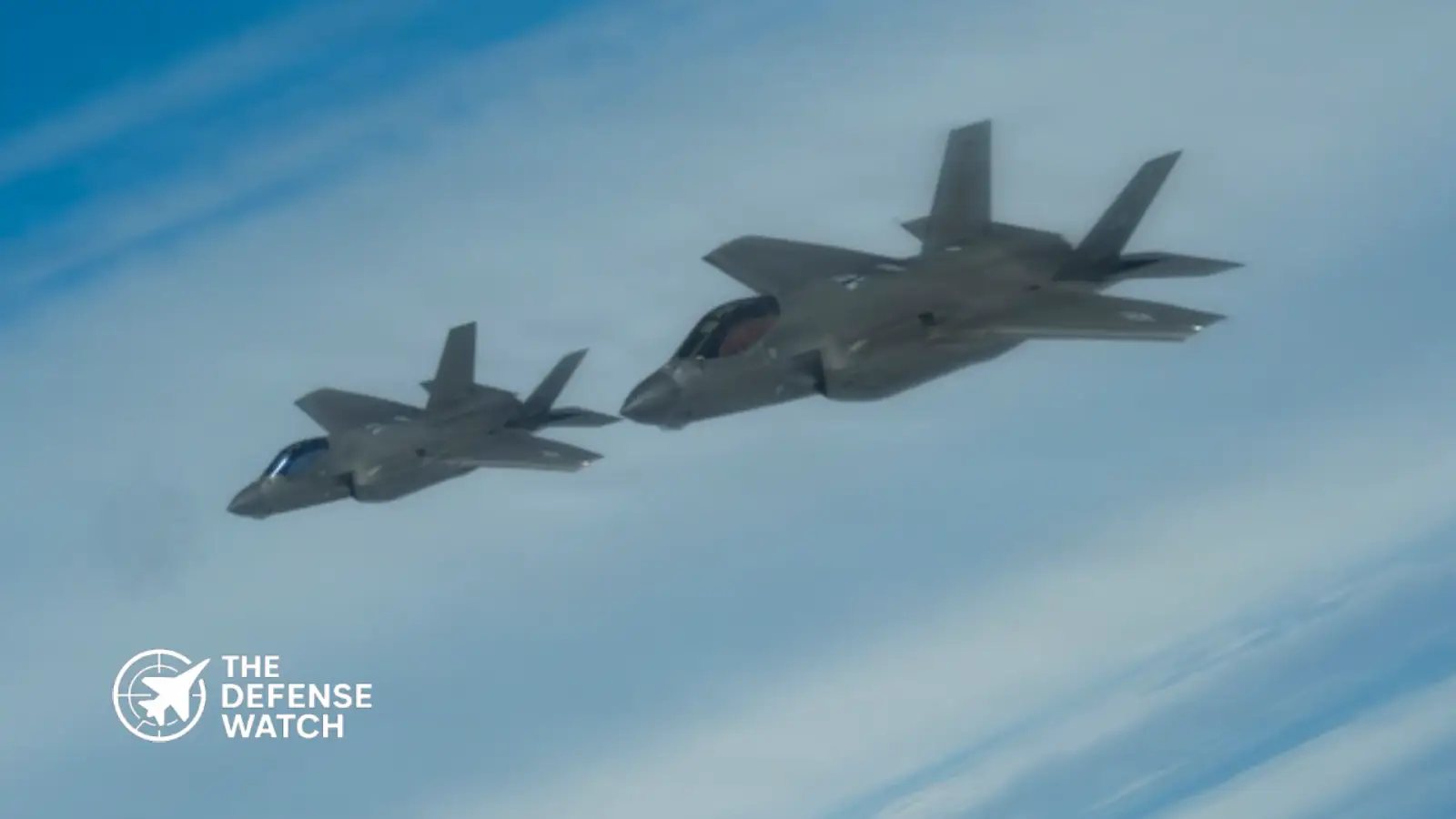
The U.S. Navy has awarded Lockheed Martin a contract for long-lead materials supporting the production of 11 F-35 Lightning II fighter aircraft for an undisclosed foreign customer. The move highlights sustained international demand for the stealth fighter while preserving production timelines ahead of final aircraft procurement.
U.S. Navy Funds F-35 Fighter Production For Unnamed Foreign Customer
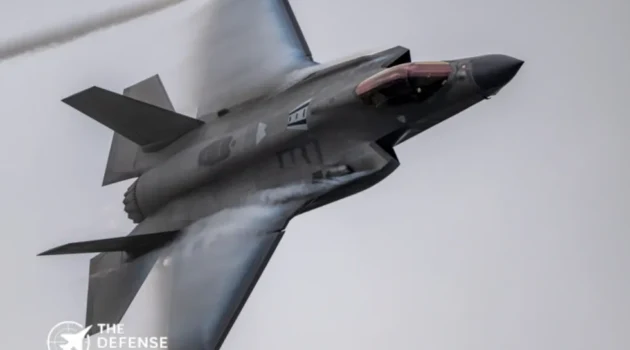
The F-35 fighter procurement program received another boost after the U.S. Navy awarded funding for long-lead materials associated with the production of 11 F-35 Lightning II aircraft destined for an undisclosed international customer.
The award enables Lockheed Martin to acquire critical components and materials required well before final aircraft assembly begins. Such long-lead procurement actions are commonly used to maintain production schedules and avoid supply chain delays for advanced military aircraft.
The identity of the customer has not been disclosed, a practice that occasionally occurs in Foreign Military Sales (FMS) cases or pending international defense acquisitions before formal government announcements.
(adsbygoogle = window.adsbygoogle || []).push({});Supporting Production Continuity
Long-lead procurement contracts are a critical element of modern fighter aircraft manufacturing. Advanced systems such as the F-35 require specialized components, including avionics, radar elements, structural assemblies, propulsion-related parts, and mission systems that often have lengthy manufacturing timelines.
By funding these components early, the U.S. Navy and industry partners can preserve production efficiency while reducing delivery risks once the full aircraft contract enters execution.
The latest award reflects continuing efforts to sustain the global F-35 production pipeline, which supports dozens of partner and customer nations across Europe, the Indo-Pacific, and the Middle East.
(adsbygoogle = window.adsbygoogle || []).push({});F-35 Remains The Backbone Of Allied Airpower Modernization
The F-35 international customers network continues to expand as governments seek advanced stealth, sensor fusion, and network-centric warfare capabilities.
The aircraft is currently operated or ordered by numerous nations, including the United States, the United Kingdom, Italy, the Netherlands, Norway, Denmark, Australia, Japan, South Korea, Belgium, Poland, Finland, Germany, Switzerland, the Czech Republic, Canada, Israel, and Singapore.
The continued growth of the F-35 user community has transformed the aircraft from a national acquisition program into a multinational defense ecosystem. Shared training, logistics, software upgrades, and interoperability have become major factors driving procurement decisions among allied nations.
From a strategic perspective, the platform’s widespread adoption strengthens coalition operations by allowing participating air forces to share data and coordinate missions through common systems and communications architectures.
(adsbygoogle = window.adsbygoogle || []).push({});Undisclosed Buyer Fuels Industry Speculation
While defense officials have not identified the purchasing nation, the timing is notable as several countries are currently evaluating new fighter acquisitions or expanding existing F-35 fleets.
However, no official information has been released regarding the recipient, and neither the U.S. government nor Lockheed Martin has provided details beyond the contract announcement.
Maintaining confidentiality during certain stages of foreign military sales is not uncommon, particularly when negotiations, parliamentary approvals, or government-to-government agreements remain in progress.
What is clear is that demand for the aircraft remains strong despite growing competition from emerging fighter programs in Europe and Asia.
(adsbygoogle = window.adsbygoogle || []).push({});Strategic Importance For The F-35 Program
The latest U.S. Navy F-35 contract demonstrates continued confidence in the long-term viability of the program. Early procurement funding helps stabilize industrial capacity across the extensive supplier network supporting the fighter’s production.
For Lockheed Martin, sustained international orders are increasingly important as global operators expand fleets and integrate additional aircraft into their force structures. Foreign sales also help distribute production costs across a larger customer base, supporting economies of scale and long-term sustainment efforts.
The contract further underscores the central role of the F-35 in Western airpower modernization strategies. As geopolitical competition intensifies across multiple regions, nations continue to prioritize platforms capable of operating in contested environments while integrating seamlessly with allied forces.
(adsbygoogle = window.adsbygoogle || []).push({});Outlook
The funding of long-lead materials for 11 additional aircraft indicates that another international F-35 acquisition is moving forward, even if the customer remains undisclosed for now.
As governments continue investing in next-generation combat aviation capabilities, the F-35 remains one of the most sought-after fighter aircraft in production. Future announcements from the U.S. Department of Defense or the purchasing nation are expected to clarify the destination of these aircraft and provide further insight into the evolving global fighter market.