(adsbygoogle = window.adsbygoogle || []).push({});Executive Summary:
Canada is evaluating a major expansion of its future combat air fleet, potentially combining Lockheed Martin F-35 stealth fighters with Saab Gripen aircraft. The review reflects Ottawa’s effort to balance military capability, Arctic security requirements, industrial benefits, and long-term defense autonomy.
Canada Fighter Fleet Review Signals Major Strategic Shift
Canada fighter fleet modernization plans are entering a critical phase as Ottawa examines options that could significantly expand the Royal Canadian Air Force’s future combat aviation inventory.
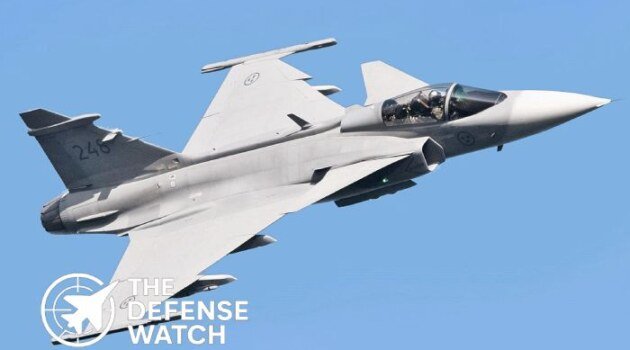
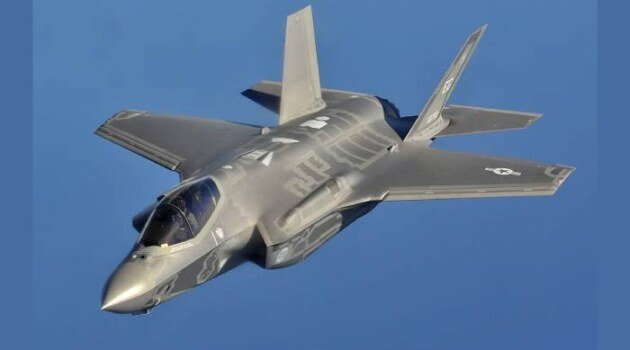
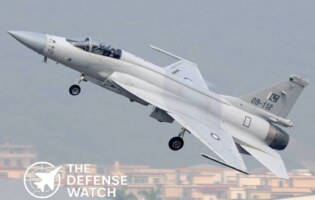
According to Canadian media sources, government officials are evaluating a mixed-fleet approach that could combine U.S.-built F-35A Lightning II stealth fighters with Swedish Saab Gripen E aircraft. The proposal would represent one of the most significant changes to Canadian airpower planning in decades.
The review comes as Canada seeks to replace its aging CF-18 Hornet fleet while strengthening its ability to support both North American Aerospace Defense Command (NORAD) and NATO operations. At the same time, policymakers are increasingly weighing industrial and supply-chain considerations alongside traditional military requirements.
Mixed Fleet Concept Could Expand Total Aircraft Numbers
Recent reports indicate that Canadian officials are studying options that could result in a force of approximately 140 fighter aircraft, substantially larger than the original plan centered on 88 F-35s. Under some scenarios being discussed, Canada could retain between 72 and 88 F-35 fighters while also adding as many as 72 Gripen aircraft assembled in Canada.
Other reports suggest Ottawa has also examined a smaller mixed fleet model involving roughly 30 F-35As and approximately 60 Gripen aircraft. No final government decision has been announced.
The expanded fleet concept would allow Canada to maintain advanced fifth-generation capabilities while increasing overall fighter numbers for homeland defense, Arctic patrols, and expeditionary missions.
(adsbygoogle = window.adsbygoogle || []).push({});Why Ottawa Is Reassessing Its Fighter Procurement Strategy
The review extends beyond aircraft performance.
Canadian policymakers are increasingly focused on defense industrial resilience, technology transfer opportunities, and reducing dependence on a single foreign supplier. Recent tensions in trade and defense relations between Ottawa and Washington have added political attention to the issue.
Prime Minister Mark Carney’s broader defense industrial strategy emphasizes greater domestic participation in major military programs. A Gripen acquisition could potentially include local assembly, maintenance, software development, and long-term industrial partnerships within Canada’s aerospace sector.
This trend became more visible following Canada’s decision to pursue Saab’s GlobalEye airborne early warning aircraft rather than Boeing’s E-7 Wedgetail. Analysts view that decision as evidence that industrial participation and sovereign capability are becoming increasingly important factors in Canadian defense procurement.
F-35 Versus Gripen: Different Strengths For Different Missions
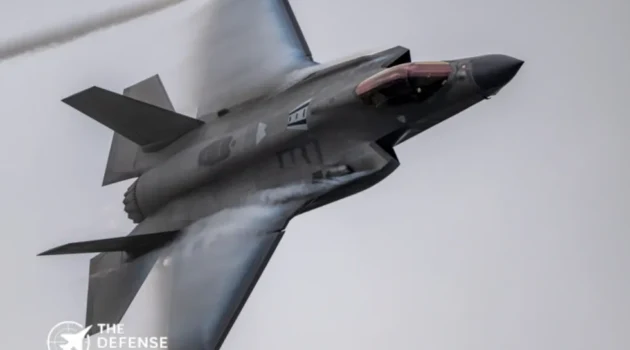
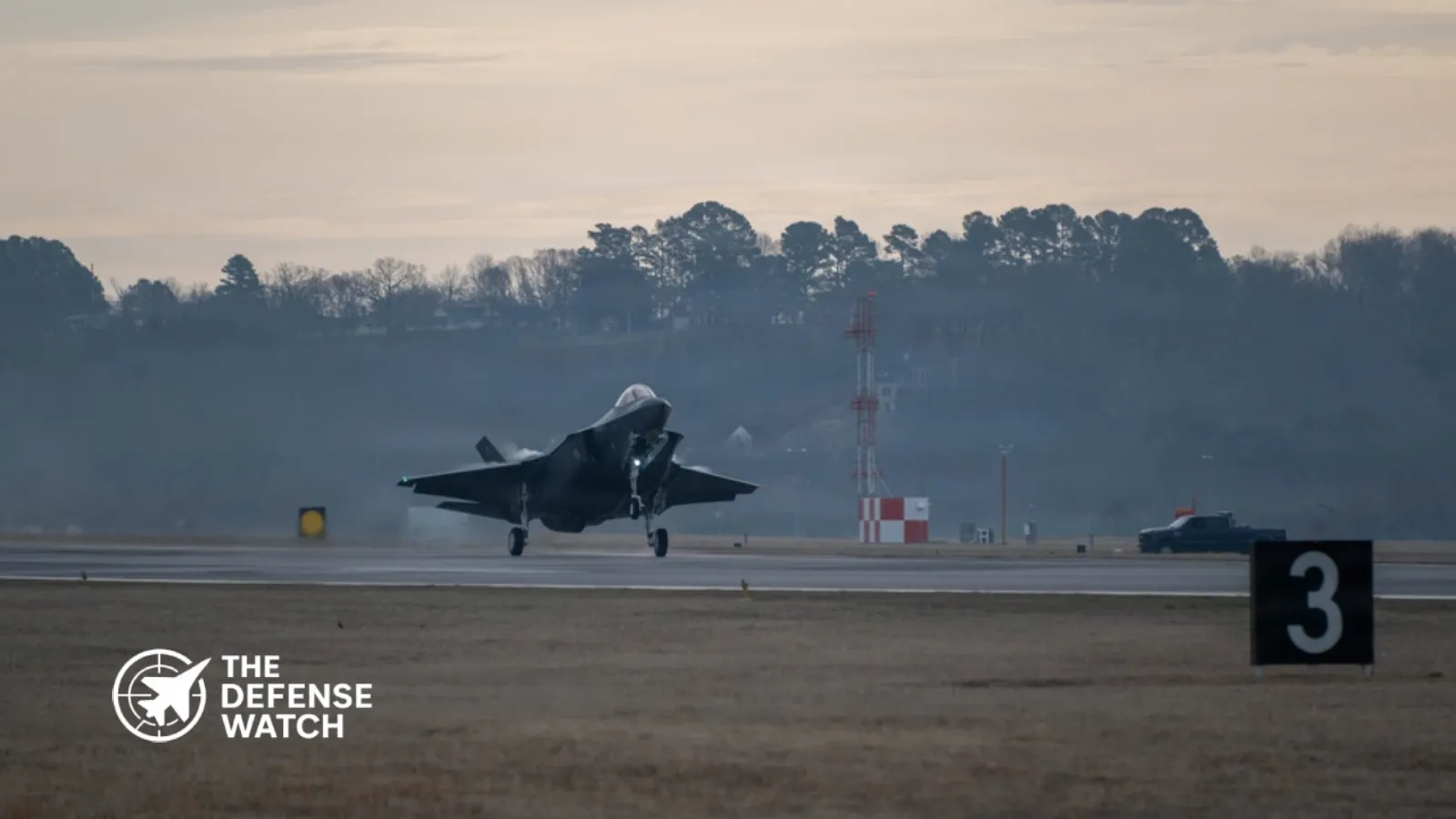
The Lockheed Martin F-35A remains one of the world’s most advanced combat aircraft, offering stealth characteristics, sensor fusion, network-centric warfare capabilities, and interoperability with key NATO allies.
For NORAD and coalition operations, the F-35 provides capabilities that many defense planners consider essential for future high-threat environments. Canada has participated in the Joint Strike Fighter program for years, and Canadian companies remain integrated into the broader F-35 industrial ecosystem.
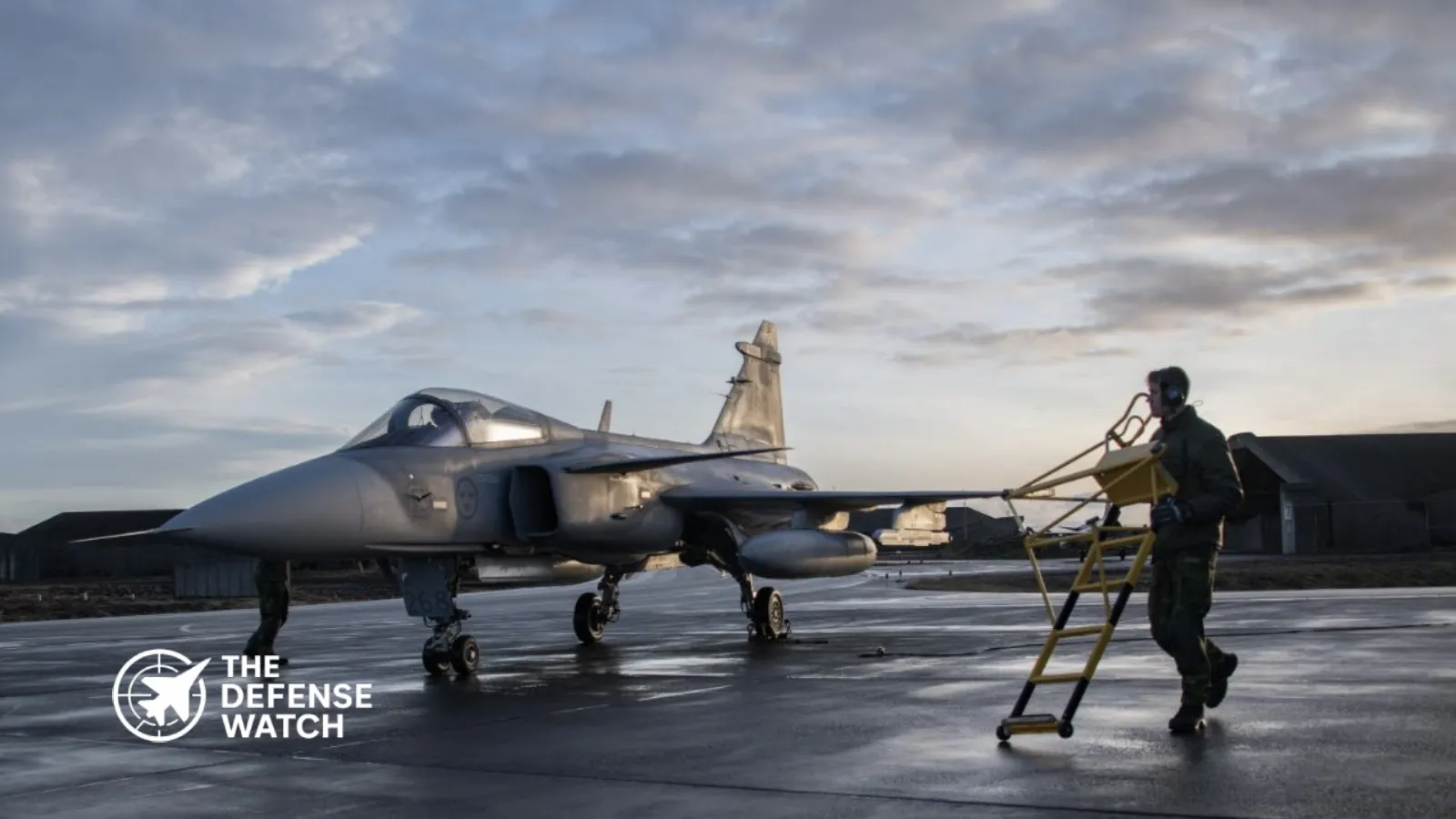
The Saab Gripen E, meanwhile, offers a different value proposition. The aircraft is designed for lower operating costs, rapid turnaround times, dispersed operations, and high availability. Saab has also emphasized extensive technology transfer and domestic production opportunities for Canada.
A mixed fleet would potentially allow Canada to combine the F-35’s advanced combat capabilities with the Gripen’s affordability and industrial advantages.
(adsbygoogle = window.adsbygoogle || []).push({});Analysis: What This Means For Canada’s Future Airpower
The fighter review highlights a broader evolution in defense procurement across many Western nations.
Military capability remains the primary requirement, but governments are increasingly evaluating whether major acquisitions can also strengthen domestic industries, create skilled jobs, and reduce supply-chain vulnerabilities.
For Canada, geography remains a defining factor. The country must defend vast Arctic and northern regions while contributing to NATO operations abroad. A larger fighter fleet could improve operational flexibility, increase aircraft availability, and provide greater resilience during extended crises.
However, operating two fighter types would also introduce additional training, maintenance, logistics, and sustainment costs. Historically, air forces often favor fleet commonality to simplify long-term operations.
The final decision will therefore reflect more than a simple aircraft competition. It will serve as a test of how Canada balances military effectiveness, alliance commitments, industrial policy, and national sovereignty in an increasingly complex security environment.
(adsbygoogle = window.adsbygoogle || []).push({});Looking Ahead
Canadian officials have not announced a final decision on the future composition of the Royal Canadian Air Force fighter fleet. However, ongoing discussions involving both the F-35 and Gripen indicate that Ottawa is considering options far beyond its original procurement framework.
Whatever path is chosen, the outcome will shape Canadian airpower, aerospace industry development, and defense partnerships for decades to come.