RAF Scrambles Typhoon Jets After Russian Bomber Detected Near UK Airspace
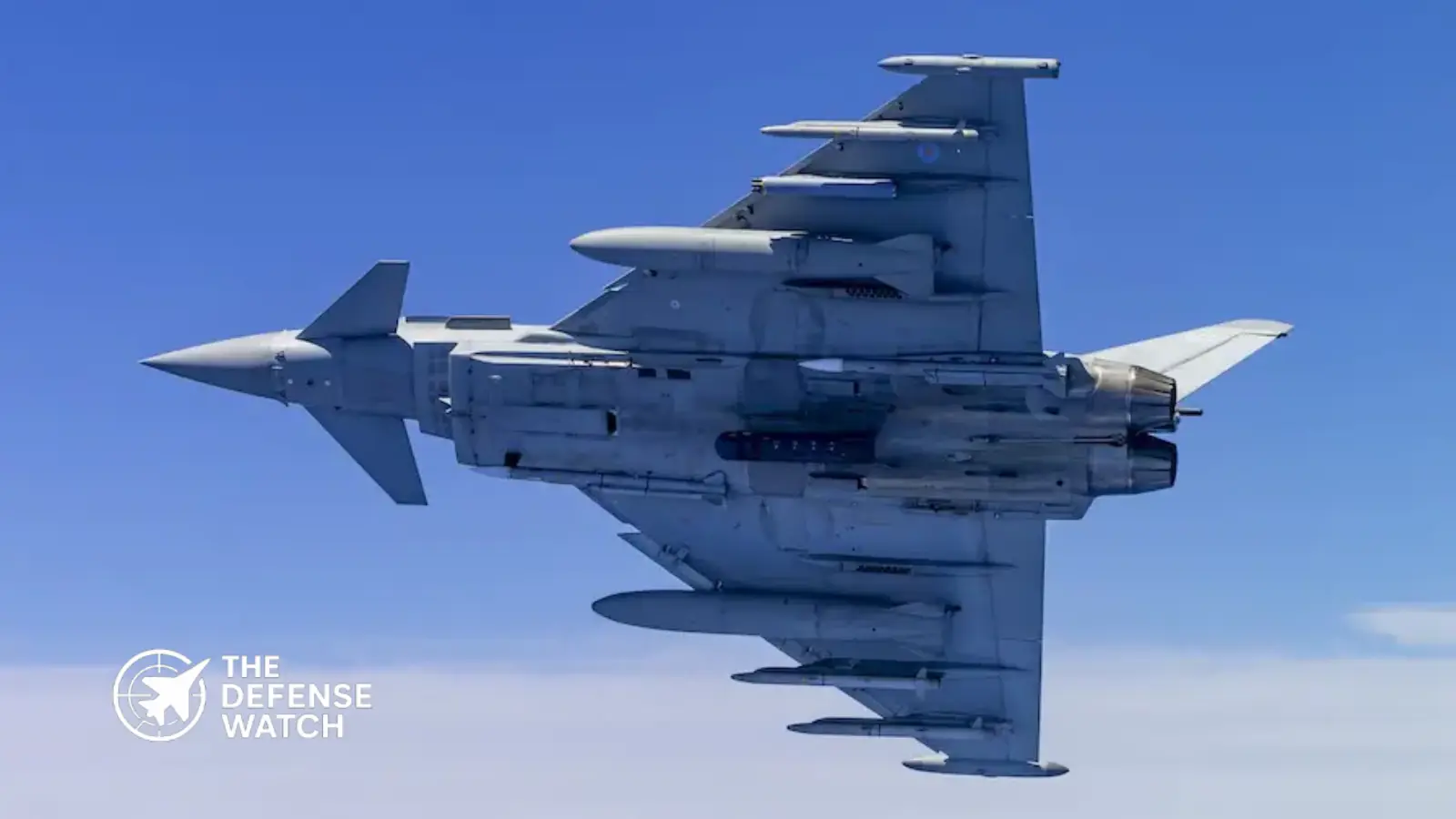
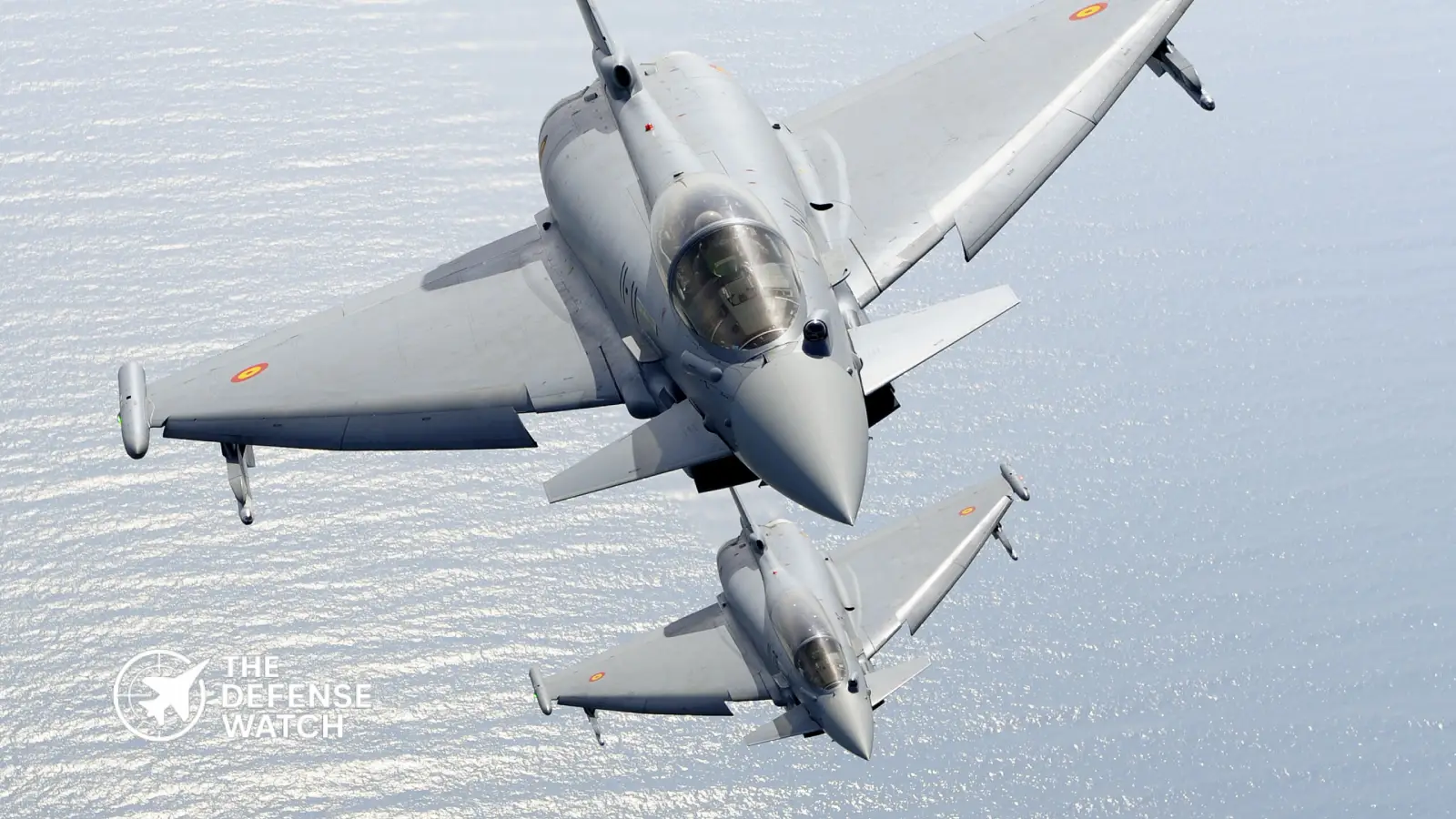
The Royal Air Force executed a Quick Reaction Alert (QRA) intercept mission on April 14, 2026, launching two Eurofighter Typhoon FGR4 fighters from RAF Lossiemouth in northern Scotland after ground-based radar detected a contact assessed as a possible Russian long-range strategic bomber approaching the northern UK area of interest near the Shetland Islands.
The scramble, first reported by The Telegraph, marks the latest episode in an ongoing pattern of Russian long-range aviation activity near NATO’s northern flank — and underscores the persistent readiness demands placed on British and allied air defense forces.
- On April 14, 2026, the RAF launched a Quick Reaction Alert (QRA) sortie after detecting an unidentified radar track assessed as a possible Russian long-range strategic bomber approaching the Shetland sector.
- Two Eurofighter Typhoon FGR4 fighters were scrambled from RAF Lossiemouth — the designated QRA North base — alongside a Voyager KC2/KC3 tanker from RAF Brize Norton.
- The Russian aircraft remained outside the UK’s 12 nautical mile sovereign airspace boundary; no visual identification or ICAO intercept procedures were executed.
- NATO integrated radar networks supported tracking throughout; allied command centers shared real-time trajectory data on the contact.
- The incident fits a pattern of Russian multi-domain probing operations near UK and NATO northern approaches, including recent naval and submarine activity in the North Sea.
What Happened: The April 14 QRA Sortie
The sequence of events on April 14 followed well-established NATO protocols. Once a radar contact lacking a matched flight plan, transponder code, or recognized identification profile was detected along the northern approaches, the RAF’s Air Surveillance and Control System — including long-range radar assets such as Saxa Vord on Shetland — initiated continuous tracking.
The contact’s trajectory toward the Shetland sector triggered a scramble order at RAF Lossiemouth, the QRA North station responsible for covering Scotland and the North Sea. Two Typhoon FGR4 jets were launched, with a Voyager KC2/KC3 air-to-air refueling tanker departing simultaneously from RAF Brize Norton to provide aerial refueling support if the mission extended into a prolonged surveillance profile.
The Russian bomber remained outside the UK’s 12 nautical mile sovereign airspace boundary throughout the event. No visual identification phase was initiated, and no ICAO intercept procedures — such as wing rocking or radio calls on emergency frequencies — were executed. The operation remained in a radar surveillance and readiness posture, concluding once the track was assessed as no longer requiring active monitoring.
Force Package and Operational Significance
The deployment of both fighters and a tanker reflects deliberate mission planning rather than a minimal alert response.
The Typhoon FGR4 has a combat radius of under 1,400 kilometers without aerial refueling — a constraint that becomes operationally significant over the vast open stretches of the North Atlantic and North Sea. The inclusion of the Voyager tanker extended the mission’s potential duration, allowing the Typhoon crews to loiter on patrol without returning to base, and enabling rapid repositioning should the track have altered course.
That the Voyager was included at all signals that UK planners assessed a non-trivial possibility that the situation could evolve. It reflects an operational planning philosophy that prioritizes endurance and flexibility in QRA responses, particularly in northern sectors where on-station distances from base are measured in hundreds of nautical miles.
RAF Lossiemouth maintains aircraft on Operational Readiness Platforms (ORPs) 24 hours a day, with takeoff required within a timeframe generally below 15 minutes from scramble order — a standard that the April 14 sortie appears to have met.
Russia’s Long-Range Bomber Operations: A Persistent Pattern
The April 14 sortie is not an isolated event. Russia has conducted long-range aviation patrols near NATO airspace consistently since at least 2007, using aircraft such as the Tu-95MS “Bear”, the Tu-160 “Blackjack”, and maritime patrol variants like the Tu-142 to probe allied air defense reaction times, assess radar coverage, and signal strategic reach.
These missions typically operate without active transponders or civilian air traffic coordination, creating the deliberate ambiguity that necessitates a QRA response. By remaining outside the 12 nautical mile threshold, Russian aircraft avoid triggering legal thresholds under international aviation law that would permit coercive intercept measures — while still generating significant monitoring demands on allied forces.
In a 2020 QRA event, the RAF scrambled six Typhoon fighters and progressed to visual identification and escort phases, indicating the Russian aircraft had closed to within visual confirmation range. The April 2026 event remained well short of that threshold — a single two-ship flight supported by a tanker, with no identification maneuvers executed. The difference in scale reflects a difference in assessed risk, not a reduction in Russian intent.
Multi-Domain Context: Not Just An Air Threat
The April 14 air intercept does not exist in isolation. It tracks alongside a broader pattern of Russian multi-domain operations near the United Kingdom that has intensified over recent years.
Russian naval vessels have conducted repeated transits through the English Channel under monitoring by the Royal Navy. More significantly, Russian submarine activity in the North Sea — including reported tracking of what was assessed as an Akula-class boat and associated deep-sea assets near subsea infrastructure — has generated sustained surveillance taskings for both British and allied forces.
The overlap of these air, surface, and subsurface activities increases the operational burden on UK and NATO command-and-control nodes. Managing simultaneous monitoring requirements across multiple domains stresses intelligence fusion, coordination capacity, and aircraft availability. Analysts assess this multi-domain overlap as deliberate — designed to test detection and response mechanisms under conditions that approximate, without crossing, thresholds that would trigger formal escalatory responses.
Analysis: What This Event Tells Us About NATO’s Northern Flank
From a strategic standpoint, the April 14 QRA reflects the enduring tension on NATO’s northern flank between Russian probing activity and allied deterrence signaling.
Russia’s use of long-range aviation as an instrument of strategic messaging is well-documented. These flights serve multiple purposes simultaneously: they generate intelligence on allied sensor coverage and reaction timelines; they demonstrate Russia’s ability to approach NATO territory without direct confrontation; and they sustain operational proficiency for aircrews conducting long-range missions under realistic conditions.
For the UK, the response was calibrated and measured. Deploying a two-ship Typhoon formation with tanker support demonstrates readiness without escalation — a proportional reply to what remained a surveillance-phase event. The decision not to execute visual identification procedures confirms that British and NATO controllers assessed the track did not require escalation to enforcement geometry.
What the April 2026 event does demonstrate is the continuing operational relevance of RAF Lossiemouth as NATO’s northern QRA anchor — and the Typhoon force’s capacity to sustain rapid response across northern approaches in coordination with allied radar and intelligence networks.
As Russian activity across maritime, subsurface, and aerial domains continues near UK and NATO peripheries, the demand on Quick Reaction Alert forces will remain high. Sustaining QRA readiness — in personnel, aircraft serviceability, and integrated sensor networks — remains one of the RAF’s most operationally consequential ongoing commitments.
US Air Force Advances B-21 Raider Aerial Refueling Capability
The B-21 Raider aerial refueling program has reached a critical milestone as the US Air Force completed its first in-flight refueling tests with the next-generation stealth bomber, significantly expanding its projected global strike reach.
The trials confirm that the B-21 can successfully integrate with existing aerial refueling infrastructure, a requirement for sustained long-range operations across contested theaters.
This development marks a key step toward operational readiness for the aircraft, which is expected to replace portions of the aging bomber fleet while enhancing survivability in high-threat environments.
- The US Air Force has conducted its first aerial refueling tests with the B-21 Raider stealth bomber.
- The tests validate the aircraft’s ability to extend range and endurance for global strike missions.
- The B-21 is designed to penetrate advanced air defenses and operate in contested environments.
- Aerial refueling integration is critical for the bomber’s operational deployment and nuclear mission readiness.
- The milestone supports the USAF’s broader modernization of its long-range strike and deterrence capabilities.
Extending Range for Global Strike Missions
Aerial refueling is central to the B-21’s mission profile. By enabling extended endurance, the bomber can conduct intercontinental missions without relying heavily on forward basing, a growing concern amid evolving geopolitical tensions.
The B-21 Raider aerial refueling capability allows the platform to remain airborne longer, increasing mission flexibility and reducing predictability, both critical in modern warfare scenarios.
The aircraft is designed to operate alongside tanker platforms such as the KC-46 Pegasus and KC-135 Stratotanker, ensuring compatibility with the Air Force’s existing logistics backbone.
From an operational standpoint, this integration enhances the United States’ ability to project power globally while maintaining a lower forward footprint, a strategic advantage in contested regions like the Indo-Pacific.
Supporting Stealth Penetration and Survivability
The B-21 Raider is engineered for deep penetration missions against advanced integrated air defense systems. Its stealth characteristics, combined with extended range through refueling, allow it to strike high-value targets without early detection.
The B-21 Raider aerial refueling milestone reinforces the aircraft’s role in penetrating heavily defended airspace, where access to forward bases may be limited or denied.
Unlike legacy bombers, the B-21 is expected to operate in highly contested environments from the outset, reflecting a shift in US doctrine toward survivability and resilience.
This also aligns with the Pentagon’s emphasis on distributed operations, where platforms must operate across vast distances while remaining adaptable to rapidly changing threat conditions.
Strategic Implications for Nuclear and Conventional Deterrence
The B-21 Raider will play a dual role in both conventional and nuclear missions, forming a core component of the US nuclear triad. Aerial refueling is essential for ensuring that the bomber can meet the endurance requirements of strategic deterrence patrols.
By validating the B-21 Raider aerial refueling capability, the Air Force moves closer to certifying the aircraft for nuclear operations, a process that requires rigorous testing and integration.
This capability also enhances deterrence credibility. A bomber that can reach targets globally without relying on vulnerable bases complicates adversary planning and increases strategic uncertainty.
In practical terms, it strengthens the United States’ ability to respond rapidly to crises while maintaining a persistent deterrent posture.
Program Progress and Modernization Context
The B-21 Raider program is one of the Air Force’s top modernization priorities, aimed at replacing older platforms such as the B-1B Lancer and B-2 Spirit over time.
The successful aerial refueling tests indicate steady progress in flight testing and system integration, suggesting that the program is moving closer to initial operational capability.
The B-21 Raider aerial refueling milestone also reflects broader efforts to modernize the US bomber fleet in response to evolving threats from near-peer competitors.
Defense analysts note that range, survivability, and flexibility are becoming increasingly important as adversaries invest in anti-access and area denial systems designed to limit US power projection.
Analysis: Why This Milestone Matters Now
This development is more than a routine test milestone. It highlights a broader shift in how the US Air Force plans to conduct long-range strike operations.
First, reliance on aerial refueling reduces dependence on overseas bases, many of which are within range of adversary missile systems. This lowers vulnerability and increases operational resilience.
Second, it reinforces the concept of dynamic force employment, where assets can be repositioned rapidly without fixed infrastructure constraints.
Third, it underscores the importance of integrating new platforms into existing support networks. The ability of the B-21 to seamlessly connect with current tanker fleets reduces the need for costly new infrastructure.
Finally, the timing is notable. As strategic competition intensifies, particularly in the Indo-Pacific and Europe, the ability to conduct long-range, survivable strike missions becomes a central pillar of deterrence.
France STRATUS Supersonic Missile Signals Shift In Deep Strike Doctrine
France STRATUS supersonic missile development marks a significant step in enhancing the country’s ability to penetrate advanced air defense networks. The program, tied to the Rafale F5 upgrade and future combat aviation concepts, reflects a broader push to ensure survivable strike capabilities against increasingly sophisticated threats.
- France is developing the STRATUS supersonic missile for penetration of advanced air defense systems.
- The missile is expected to integrate with Rafale F5 and future next generation combat aircraft.
- STRATUS targets suppression and destruction of enemy air defenses in high threat environments.
- Development aligns with France’s broader future combat air system and long term strike roadmap.
- The program reflects growing European focus on survivable deep strike capabilities against peer adversaries.
The Big Picture
European air forces face a rapidly evolving threat environment shaped by layered and integrated air defense systems. Systems deployed by near peer competitors now combine long range surface to air missiles, advanced radar networks, and electronic warfare capabilities.
France is responding by investing in next generation strike systems that can operate inside contested airspace. The STRATUS supersonic missile fits within a wider modernization effort that includes the Rafale F5 standard and the Future Combat Air System (FCAS).
This shift mirrors similar efforts by the United States and NATO allies to prioritize suppression of enemy air defenses and long range precision strike in high intensity conflict scenarios.
What’s Happening
France is developing the STRATUS supersonic missile as a new air launched weapon designed to defeat modern air defense systems. The missile is being tailored for integration with the Rafale F5 standard and potentially future combat aircraft.
The missile is expected to operate at supersonic speeds, allowing it to reduce engagement windows for enemy defenses while maintaining a high probability of penetration. Its primary role will focus on suppression and destruction of enemy air defenses, often referred to as SEAD and DEAD missions.
French defense planners aim to field the system as part of a broader package that includes upgraded sensors, electronic warfare systems, and networked targeting capabilities.
Why It Matters
Modern air defense systems have extended engagement ranges and improved interception capabilities, making traditional strike profiles increasingly risky. Aircraft operating without stand off or high speed penetration weapons face higher survivability challenges.
The STRATUS supersonic missile directly addresses this problem by combining speed, precision, and survivability. Supersonic flight reduces reaction time for interceptors, while advanced guidance likely improves targeting accuracy against high value air defense nodes.
This capability strengthens France’s ability to conduct independent operations and contribute to NATO missions in contested environments. It also aligns with ongoing efforts to maintain technological parity with global competitors.
Strategic Implications
France’s investment in the STRATUS supersonic missile enhances its deterrence posture by reinforcing its ability to neutralize enemy air defenses early in a conflict.
A credible SEAD capability enables follow on air operations, including strike, reconnaissance, and air superiority missions. This expands operational flexibility and reduces reliance on allied support.
The program also underscores Europe’s growing emphasis on sovereign defense capabilities. By developing indigenous strike systems, France reduces dependency on external suppliers and strengthens its defense industrial base.
Competitor View
Russia and China have both invested heavily in layered air defense systems designed to deny access to contested airspace. These include long range missile systems, integrated command networks, and advanced radar technologies.
From their perspective, systems like the STRATUS supersonic missile represent a direct challenge to air defense survivability. High speed penetration weapons complicate interception timelines and increase the burden on defensive networks.
Regional actors with advanced air defense systems may interpret the development as part of a broader Western push to restore air dominance in contested environments.
What To Watch Next
Testing and validation will determine the operational effectiveness of the STRATUS supersonic missile. Key milestones include flight testing, integration with Rafale F5 platforms, and evaluation against realistic air defense scenarios.
Procurement timelines will likely align with Rafale F5 development schedules, with initial operational capability expected later in the decade.
Further details on range, guidance systems, and payload configuration will provide clearer insight into the missile’s role within France’s strike doctrine.
Capability Gap
France developed the STRATUS supersonic missile to address a clear operational gap in penetrating modern integrated air defense systems.
Traditional subsonic cruise missiles and legacy strike profiles face increasing interception risks. STRATUS aims to close this gap by offering higher speed and improved survivability.
However, supersonic systems may still face challenges against advanced layered defenses, especially those equipped with high speed interceptors and electronic warfare capabilities. Integration with broader networked warfare systems will remain critical to mission success.
Textron Positions Beechcraft M-346N For U.S. Navy Training Modernization
The Beechcraft M-346N trainer is being positioned by Textron Aviation Defense as a next-generation solution for U.S. Navy pilot training, targeting the service’s evolving requirements for carrier-based aviation. The company unveiled the aircraft at Sea-Air-Space 2026, highlighting its role in the Navy’s Undergraduate Jet Training System program.
The M-346N is a navalized variant of the proven M-346 advanced jet trainer, adapted to meet the demanding conditions of carrier operations. According to Textron Aviation Defense, the platform is designed to bridge the gap between basic flight training and frontline carrier aviation, an area the Navy has been seeking to modernize.
¦ KEY FACTS AT A GLANCE- Textron Aviation Defense is showcasing the Beechcraft M-346N trainer for U.S. Navy pilot training requirements.
- The aircraft is designed for carrier-based training operations with advanced avionics and performance features.
- It is based on the M-346 platform, widely used for advanced jet pilot training globally.
- The proposal aligns with the U.S. Navy’s Undergraduate Jet Training System (UJTS) program.
- The unveiling took place at Sea-Air-Space 2026, a major U.S. naval defense exhibition.
Industry observers note that the Navy’s current training fleet, including legacy systems, faces growing pressure to replicate the complexity of modern combat aircraft such as the F-35C and advanced F/A-18 variants.
Designed For Carrier-Based Training Operations
A key differentiator of the Beechcraft M-346N trainer is its focus on carrier suitability. Textron emphasized that the aircraft incorporates structural and avionics enhancements tailored for naval aviation, including features necessary for carrier landing practice and high-performance maneuvering.
The baseline M-346 platform, developed originally by Leonardo, is already in service with multiple air forces worldwide. It is recognized for its advanced flight control system, embedded simulation capabilities, and ability to replicate the handling characteristics of frontline fighters.
By adapting this platform into the M-346N configuration, Textron aims to provide the U.S. Navy with a cost-effective yet high-fidelity training solution. The aircraft is expected to offer improved training realism without the operational costs associated with using combat aircraft for instruction.
Addressing The Navy’s Training Gap
The U.S. Navy’s Undergraduate Jet Training System program seeks to replace or augment existing trainer aircraft with a more capable platform. The goal is to prepare pilots for increasingly complex operational environments, including carrier strike group operations and multi-domain warfare.
The Beechcraft M-346N trainer directly targets this requirement by offering advanced avionics, digital cockpit architecture, and embedded simulation systems. These features allow pilots to train in scenarios that closely mirror real-world missions, including air-to-air combat and strike operations.
From an operational perspective, this represents a shift in training philosophy. Instead of relying heavily on live training in frontline aircraft, the Navy is moving toward integrated training systems that combine live, virtual, and constructive environments.
This approach reduces costs, increases training efficiency, and accelerates pilot readiness, all critical factors as the Navy faces increasing operational tempo and pilot demand.
Strategic Timing Amid Naval Aviation Demands
Textron’s unveiling of the Beechcraft M-346N trainer comes at a time when the U.S. Navy is under pressure to maintain pilot readiness while managing aging training infrastructure.
Sea-Air-Space 2026 provided a strategic platform for the company to present its solution directly to Navy stakeholders and defense decision-makers. The timing aligns with ongoing evaluations and discussions around the future of naval pilot training.
Analysts suggest that competition for the UJTS program is likely to intensify, with multiple defense firms offering solutions. However, Textron’s partnership approach and reliance on a proven airframe could provide an advantage in terms of risk reduction and development timeline.
Leveraging Proven Technology With U.S. Integration
One of the strengths of the Beechcraft M-346N trainer lies in its hybrid approach. By combining an existing, operationally validated platform with U.S.-based integration and support, Textron aims to meet both performance and regulatory requirements.
This model reflects a broader trend in defense procurement, where militaries increasingly favor mature systems with lower development risk. It also aligns with U.S. industrial priorities, including domestic production, sustainment, and supply chain security.
Textron Aviation Defense has emphasized its ability to support the aircraft through its established infrastructure, which could play a critical role in long-term sustainment contracts.
Implications For Naval Aviation Training
If selected, the Beechcraft M-346N trainer could significantly reshape how U.S. Navy pilots are trained. The aircraft’s advanced simulation capabilities and performance characteristics would allow for more comprehensive training earlier in a pilot’s career.
This could reduce the transition burden to frontline aircraft, improving overall readiness and potentially lowering operational costs.
At a strategic level, the move reflects the Navy’s broader modernization efforts, which include integrating new technologies, improving training pipelines, and ensuring readiness in a rapidly evolving threat environment.
RAF Tests Low Cost Typhoon Weapon Against Drone Threats
The Typhoon low cost weapon test marks a significant step in adapting modern fighter aircraft to counter the growing threat posed by unmanned aerial systems, according to reporting from UK Defence Journal.
The Royal Air Force has conducted trials of a new low cost weapon integrated onto the Eurofighter Typhoon, aimed specifically at defeating drones in a more cost effective manner. The initiative reflects a broader shift across Western air forces, which are increasingly seeking scalable solutions to counter large numbers of low cost aerial threats.
Unlike traditional air to air missiles, which can cost hundreds of thousands or even millions of dollars per shot, the new system is designed to provide a more economical option when engaging relatively inexpensive drones.
¦ KEY FACTS AT A GLANCE- The RAF has tested a new low cost weapon on the Typhoon to counter emerging drone threats.
- The system is designed to provide an affordable alternative to expensive air to air missiles.
- The test reflects growing concern over mass drone attacks in modern conflicts.
- Typhoon’s integration highlights a shift toward scalable and sustainable air defense solutions.
- The development aligns with broader Western efforts to adapt fighter aircraft to counter UAV swarms.
Addressing The Cost Imbalance In Air Combat
One of the central challenges in modern air defense is the cost imbalance between offensive and defensive systems. Adversaries can deploy large numbers of low cost drones, forcing defenders to expend high value munitions to neutralize them.
The Typhoon low cost weapon test directly addresses this issue. By equipping frontline fighters with cheaper intercept options, the RAF aims to preserve its high end missile inventory for more advanced threats such as enemy aircraft or cruise missiles.
This approach has become increasingly relevant following recent conflicts where drone swarms have overwhelmed traditional air defense systems. Lessons from Ukraine and the Middle East have underscored the need for layered, cost efficient responses.
Expanding Typhoon’s Operational Role
The integration of a low cost weapon also expands the operational flexibility of the Typhoon platform. Traditionally optimized for air superiority and strike missions, the aircraft is now being adapted for persistent counter drone operations.
This evolution reflects a broader trend in airpower doctrine. Fighters are no longer limited to high intensity engagements against peer adversaries. Instead, they are expected to operate across a spectrum of threats, including irregular and asymmetric challenges.
By incorporating affordable interceptors, the Typhoon can remain on station longer and engage multiple targets without rapidly depleting expensive munitions. This is particularly important in scenarios involving sustained drone activity.
Strategic Implications For NATO Air Forces
The Typhoon low cost weapon test has implications beyond the United Kingdom. NATO air forces are facing similar challenges, especially as drone proliferation accelerates across multiple regions.
Developing cost effective countermeasures is becoming a priority. High end systems alone are not sufficient to address the volume and diversity of modern aerial threats. Instead, a layered approach combining advanced missiles, electronic warfare, and low cost interceptors is emerging as the preferred model.
The RAF’s effort could serve as a template for other operators of the Typhoon and similar aircraft. If successfully fielded, the system may be adopted more widely across allied fleets.
Industry And Technology Considerations
While specific technical details of the low cost weapon remain limited, the concept aligns with ongoing industry efforts to develop modular, adaptable munitions. These systems often emphasize reduced unit cost, simplified guidance, and rapid production.
The focus is not necessarily on achieving the same performance as high end missiles, but rather on delivering sufficient capability against lower tier threats. This trade off is increasingly seen as acceptable given the operational context.
Additionally, integrating such weapons onto existing platforms like the Typhoon avoids the need for entirely new systems, accelerating deployment timelines and reducing overall costs.
Analysis: A Shift Toward Sustainable Air Defense
The Typhoon low cost weapon test highlights a broader transformation in air warfare. The emphasis is shifting from purely technological superiority to sustainable combat operations.
Air forces must now consider not only whether they can defeat a threat, but whether they can do so repeatedly and affordably over time. This is especially critical in prolonged conflicts where resupply and production capacity become decisive factors.
In this context, low cost weapons are not just a tactical innovation. They represent a strategic necessity. By enabling fighters to counter drones without exhausting high value munitions, they help ensure long term operational resilience.
The RAF’s initiative suggests that future air combat will be defined as much by economics and scalability as by performance.
Air Force Raises the Stakes on Pilot Retention With FY26 Aviation Bonus
The U.S. Air Force has officially launched its FY26 Aviation Bonus (AvB) program, offering eligible active-duty aviators up to $50,000 per year in exchange for continued service commitments. The application window is open from April 1 through May 31, 2026, according to an announcement released April 8, 2026, by Secretary of the Air Force Public Affairs.
¦ KEY FACTS AT A GLANCE- The FY26 Aviation Bonus (AvB) application window runs from April 1 to May 31, 2026, for eligible active-duty aviators.
- Bonus rates reach up to $50,000 per year, depending on career field and experience level.
- Contracts range from a minimum of three years to a maximum of 12 years of additional active-duty service.
- Key change for FY26: increased compensation for shorter contract lengths, especially in fighter, bomber, and U-2 communities.
- Eligible career fields include pilots, remotely piloted aircraft (RPA) pilots, air battle managers, and combat systems officers.
- The program applies to lieutenant colonels and below serving on active duty, plus select Air Reserve Component members.
The move reflects the Air Force’s intensifying effort to hold onto experienced pilots and rated personnel at a time when commercial aviation demand and a competitive private-sector job market continue to draw talent away from military service.
What’s New in FY26: Bigger Pay for Shorter Commitments
The most significant structural change in the FY26 program is a deliberate shift in how shorter-term contracts are valued. The FY26 AvB program introduces increased compensation for shorter contract lengths, particularly in fighter, bomber, and U-2 communities.
This is a notable departure from previous incentive structures that typically rewarded longer commitments with higher pay. By raising the value of three-to-five-year contracts, the Air Force is acknowledging a hard reality: many experienced aviators are unwilling to commit to a decade-plus of active duty, but may stay for a shorter, well-compensated window. Offering more competitive short-term rates reduces the binary choice between full commitment and separation.
Contracts are offered for a minimum of three years and a maximum of 12 years, with rates up to $50,000 per year depending on the aviator’s career field and experience level.
Who Is Eligible
The FY26 AvB program applies to lieutenant colonels and below who are qualified for operational flying duty and entitled to, and receiving, monthly aviation incentive pay.
Eligible career fields include pilots, remotely piloted aircraft (RPA) pilots, air battle managers, and combat systems officers.
The program also extends beyond the active component. Air Reserve Component Airmen serving in the Voluntary Limited Period of Active Duty (VLPAD) Program are also eligible to apply.
This inclusion of reserve-component aviators signals that the Air Force is treating its rated shortage as a force-wide challenge, not just an active-duty concern.
Payment Timeline and Application Process
Airmen applying for the bonus should expect to see payments within three weeks after final approval of their application and processing by the Defense Finance Accounting Service (DFAS).
Complete eligibility requirements and application instructions are available on the MyFSS website for CAC-enabled users.
The three-week payment turnaround is intended to minimize the friction between signing and receiving compensation — a practical step that may influence retention decisions for aviators weighing civilian opportunities.
A Strategic Retention Signal From the Top
Air Force Chief of Staff Gen. Ken Wilsbach framed the bonus program in direct terms tied to warfighting readiness. “Our Airmen are extremely talented, with critical skills that are highly sought after,” Wilsbach said. The aviation bonus is an incentive that helps us retain expertise and ensures we have the right mix of experienced aviators to meet warfighting demands today and into the future.”
The statement carries weight beyond its immediate context. The Air Force is currently managing a generational transition in its aircraft fleet — from legacy F-15s and F-16s toward the F-35A, and eventually toward next-generation platforms including the classified Next Generation Air Dominance (NGAD) program. Retaining mid-career and senior pilots is critical to ensuring institutional knowledge transfers across that transition.
The emphasis on the fighter, bomber, and U-2 communities also reflects operational priorities. Fighter and bomber aircraft remain core to U.S. power projection in peer and near-peer conflict scenarios, while U-2 reconnaissance remains irreplaceable in contested intelligence-gathering environments.
The Broader Context: A Persistent Pilot Shortage
The aviation bonus program does not exist in a vacuum. The U.S. military aviation community has faced documented pilot shortages for nearly a decade. The Air Force has publicly acknowledged a shortfall of thousands of pilots across its rated workforce, driven by high operational tempo, competitive commercial salaries following post-pandemic aviation industry expansion, and quality-of-life concerns.
The FY26 AvB is one tool within a broader retention toolkit that includes quality-of-life improvements, assignment flexibility initiatives, and investment in training pipelines. But the financial incentive remains one of the most direct levers available to personnel planners.
Critically, the structural shift toward rewarding shorter contracts may also reflect feedback from retention surveys and exit interviews — data points suggesting that many separating pilots would have stayed for a shorter additional commitment at the right price, but were not willing to sign long-term extensions.
Analysis: Why This Program Matters Now
From a strategic workforce standpoint, the Air Force’s willingness to restructure bonus tiers mid-program lifecycle demonstrates institutional responsiveness. Rigid bonus structures that don’t account for individual career calculus tend to underperform. The FY26 adjustment suggests the service is applying lessons from previous cycles.
The inclusion of RPA pilots and combat systems officers alongside traditional aviators also reflects the evolving character of air warfare. As autonomous systems and remotely piloted platforms take on a larger share of combat missions, retaining qualified operators in these career fields becomes as strategically significant as keeping manned fighter cockpits filled.
The two-month application window — April 1 to May 31 — creates urgency without panic. Aviators considering separation will need to make a decision before the summer permanent change of station (PCS) season, which typically triggers many separation decisions.
Saab Canada Fighter Partnership Targets Future Airpower Strategy
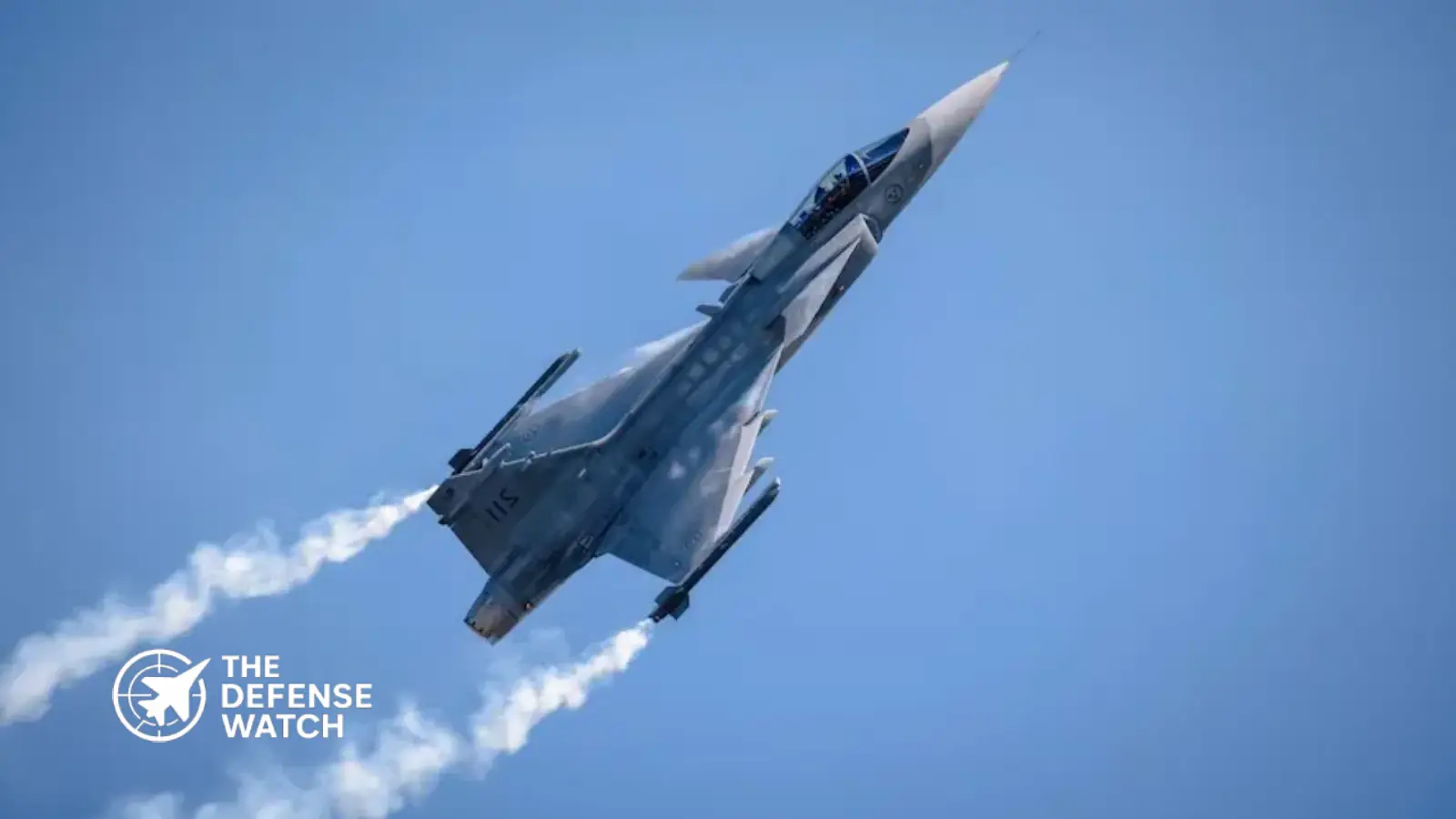
Sweden’s Saab is actively pursuing a Saab Canada fighter partnership aimed at supporting Ottawa’s long-term next-generation fighter development, signaling a strategic push to remain relevant in Canada’s evolving airpower landscape.
Saab is positioning itself as a partner not only for aircraft platforms but also for broader defense industrial collaboration, including technology transfer and domestic production capabilities. The effort comes even as Canada proceeds with its acquisition of the F-35, underscoring Saab’s focus on future opportunities rather than past procurement outcomes.
¦ KEY FACTS AT A GLANCE- Saab is seeking a long-term partnership with Canada on next-generation fighter development and industrial cooperation.
- The move comes despite Canada’s selection of the F-35, signaling Saab’s continued interest in future programs.
- Saab is offering technology collaboration, domestic industry participation, and sovereign capability development.
- Canada is expected to evaluate long-term airpower needs beyond current fifth-generation platforms.
- The proposal reflects growing competition among Western defense firms for future fighter ecosystems.
This approach reflects a broader shift in the global fighter market, where competition increasingly centers on ecosystem partnerships rather than standalone aircraft sales.
Saab’s Strategy: Beyond Aircraft Sales
Saab’s proposal emphasizes industrial cooperation, sovereignty, and long-term capability development. Rather than offering a traditional off-the-shelf fighter solution, the company is promoting a collaborative framework that could allow Canada to shape future systems alongside international partners.
This aligns with Saab’s established export strategy seen in previous campaigns, where it has highlighted technology sharing and local industry participation as key differentiators. The company’s pitch to Canada includes:
- Joint development of next-generation fighter technologies
- Integration of Canadian defense firms into global supply chains
- Support for sovereign maintenance and upgrade capabilities
From an operational standpoint, this model appeals to countries seeking greater control over their defense assets, particularly in an era where supply chain resilience and strategic autonomy are gaining importance.
Canada’s Long-Term Fighter Considerations
While Canada has committed to acquiring the F-35, defense planners continue to assess future requirements beyond fifth-generation platforms. Air forces across NATO and allied nations are already exploring sixth-generation fighter concepts, often involving multinational collaboration.
In this context, Saab’s outreach can be seen as a forward-looking move. By engaging early, the company aims to position itself within any future Canadian-led or multinational fighter initiative.
Canada’s geographic and strategic environment also plays a role. With vast Arctic territories and increasing attention to northern defense, future fighter capabilities may require:
- Extended range and endurance
- Advanced sensor integration
- Interoperability with allied systems
- Adaptability to extreme operating conditions
Saab’s experience in designing aircraft for dispersed operations and austere environments could factor into its pitch, particularly if Canada prioritizes flexibility alongside advanced stealth and sensor capabilities.
Competitive Landscape: A Crowded Field
The Saab Canada fighter partnership initiative enters a highly competitive environment dominated by major defense primes. The F-35 program, led by the United States, already integrates multiple partner nations into a shared development and sustainment framework.
At the same time, emerging sixth-generation programs such as the Global Combat Air Programme (GCAP) and the Future Combat Air System (FCAS) are reshaping the market. These initiatives emphasize networked warfare, artificial intelligence integration, and manned-unmanned teaming.
Saab’s challenge lies in carving out a role within this evolving ecosystem. Unlike larger consortiums backed by multiple governments, Saab may need to leverage niche strengths such as cost efficiency, modular design, and flexible partnership models.
Industrial and Strategic Implications
For Canada, engaging with Saab could offer several potential advantages, even outside a formal aircraft procurement:
- Diversification of defense partnerships
- Increased domestic industrial participation
- Access to alternative technology pathways
However, such collaboration would need to align with Canada’s existing commitments, particularly within the F-35 program and NATO interoperability requirements.
From a geopolitical perspective, Saab’s outreach highlights the intensifying competition among Western defense firms to secure long-term partnerships with allied nations. As military modernization accelerates, early collaboration on future systems is becoming a key battleground.
Analysis: Positioning For The Next Cycle
Saab’s move is less about immediate procurement and more about shaping the next phase of fighter development. By targeting Canada now, the company is attempting to establish relationships that could influence decisions a decade or more into the future.
This reflects a broader industry trend where defense companies seek to embed themselves within national industrial ecosystems early, ensuring relevance as new programs emerge.
For Canada, the decision will ultimately hinge on balancing operational requirements, alliance commitments, and domestic industrial priorities. While the F-35 addresses current needs, future airpower strategies remain open to influence.
RAF Dogfight Exercise Over Britain Demonstrates Modern Air Combat Readiness
The RAF dogfight exercise over Britain has underscored the United Kingdom’s commitment to maintaining high-end air combat readiness in an increasingly contested security environment. The large-scale aerial engagement brought together multiple fighter aircraft in complex, high-tempo combat scenarios designed to replicate modern peer conflict.
The exercise featured coordinated engagements involving frontline fighter jets, with a particular focus on beyond-visual-range and within-visual-range combat. Such drills are critical as air forces adapt to evolving threats, including advanced enemy aircraft, integrated air defense systems, and electronic warfare environments.
Short, intense dogfighting scenarios were combined with broader mission sets, reflecting how modern air combat is no longer limited to isolated engagements but integrated into networked, multi-domain operations.
¦ KEY FACTS AT A GLANCE- The Royal Air Force conducted a large-scale dogfight exercise over the United Kingdom involving multiple fighter aircraft.
- The drill included complex air combat scenarios simulating high-intensity peer conflict environments.
- Allied aircraft participation highlighted NATO interoperability and joint operational capability.
- Advanced platforms such as Typhoon fighters played a central role in the exercise.
- The exercise reflects growing emphasis on air superiority amid evolving global threats.
High-Intensity Training Reflects Shifting Threat Environment
The scale and complexity of the RAF dogfight exercise over Britain point to a broader strategic shift. Western air forces are increasingly preparing for potential high-end conflict against near-peer adversaries, where air superiority is neither guaranteed nor uncontested.
Exercises of this nature simulate dense threat environments, including contested airspace, electronic jamming, and multi-axis attacks. These conditions mirror operational realities seen in recent conflicts and ongoing geopolitical tensions.
The Royal Air Force’s use of advanced fighter platforms enables pilots to train against both traditional and emerging threats. The Eurofighter Typhoon, for example, continues to receive upgrades in radar, weapons integration, and electronic warfare systems, ensuring its relevance in modern combat scenarios.
From an operational perspective, such exercises help refine tactics, improve pilot decision-making under pressure, and validate command and control structures.
NATO Interoperability and Allied Coordination
A key dimension of the RAF dogfight exercise over Britain was its emphasis on allied integration. Participation or coordination with NATO partners highlights the alliance’s continued focus on collective defense and interoperability.
Modern air operations depend heavily on seamless data sharing, coordinated targeting, and unified command structures. Exercises like this allow participating forces to test communication systems, joint tactics, and interoperability between different aircraft and national doctrines.
This is particularly important in Europe, where NATO air forces must be capable of rapidly integrating in response to emerging crises. The ability to operate as a cohesive unit enhances deterrence by demonstrating readiness and unity.
Operational Lessons and Capability Development
Beyond immediate training value, the RAF dogfight exercise over Britain contributes to long-term capability development. Data collected during these exercises is used to refine tactics, improve training programs, and inform future procurement decisions.
Air combat is becoming increasingly data-driven, with sensor fusion, real-time intelligence, and networked platforms shaping engagement outcomes. Exercises provide a controlled environment to test these systems under realistic conditions.
Additionally, lessons learned feed into broader defense planning, including force structure, readiness cycles, and integration of next-generation technologies such as artificial intelligence and autonomous systems.
Strategic Significance for UK Airpower
The timing of the RAF dogfight exercise over Britain aligns with a period of heightened global security concerns. From Eastern Europe to the Indo-Pacific, airpower remains a critical عنصر in deterrence and rapid response.
For the United Kingdom, maintaining a credible and capable air force is central to both national defense and its role within NATO. Large-scale exercises signal not only preparedness but also resolve, reinforcing the UK’s position as a key contributor to allied airpower.
Moreover, these drills serve as a visible demonstration of capability, sending a clear message to potential adversaries about the readiness and professionalism of Western air forces.
B-2 Spirit Drops GBU-57 Bunker Busters On IRGC Command Compound In Tehran During Operation Epic Fury
U.S. B-2 Spirit stealth bombers struck an underground Islamic Revolutionary Guard Corps command bunker near Tehran on April 7, 2026, using GBU-57 Massive Ordnance Penetrator bombs, The Wall Street Journal reported. The strike was executed as part of Operation Epic Fury — an active U.S. campaign that simultaneously included the combat recovery of a downed American airman inside Iranian territory, one of the most complex concurrent operations in recent American military history.
¦ KEY FACTS AT A GLANCE- U.S. B-2 Spirit stealth bombers struck a hardened underground IRGC command compound in Tehran on April 7, 2026, according to The Wall Street Journal.
- The aircraft reportedly employed the GBU-57 Massive Ordnance Penetrator — a 30,000-pound precision hard-target defeat weapon engineered specifically to destroy deeply buried, reinforced facilities.
- The mission was ordered by CENTCOM commander Admiral Brad Cooper after intelligence reportedly identified a high concentration of senior IRGC leaders inside the bunker — indicating a dynamic, time-sensitive targeting decision rather than a pre-planned strike.
- The B-2 sortie launched from Whiteman Air Force Base, Missouri, requiring intercontinental range, aerial refueling support, and a round-trip penetration of Iranian airspace — demonstrating the full reach of U.S. homeland-based power projection.
- The strike formed part of Operation Epic Fury, which simultaneously included the rescue of a downed U.S. F-15E airman inside Iran and supporting interdiction strikes to suppress Iranian ground forces in the recovery corridor.
The Big Picture
Washington’s willingness to apply strategic long-range bombers against hardened leadership targets deep inside Iran reflects a fundamental shift in how U.S. CENTCOM has approached Iranian military infrastructure. For years, deterrence against Iran rested primarily on regional air presence, carrier strike groups, and the implicit threat of escalation. Operation Epic Fury suggests a posture that has moved beyond deterrence by denial and toward active, kinetic suppression of Iran’s most protected command architecture — including deeply buried sites within the capital.
That shift carries meaning well beyond the immediate tactical outcome. The B-2 Spirit remains the sole operational platform capable of combining low-observable penetration of advanced air defense environments with the carriage and precision delivery of the GBU-57 MOP. When Washington deploys that specific combination against targets near Tehran, it signals a willingness to match the most demanding aimpoints in the Iranian target set with the most capable conventional weapons in the American inventory.
B-2 Spirit and GBU-57 in Operation Midnight Hammer, June 2025
What’s Happening
CENTCOM commander Admiral Brad Cooper ordered B-2 bombers to conduct a round-trip strike mission from Whiteman Air Force Base in Missouri after intelligence reportedly pinpointed a significant gathering of senior IRGC commanders inside a hardened underground compound in Tehran. According to The Wall Street Journal, the decision was driven by time-sensitive targeting data — meaning the window to strike the leadership concentration was narrow and required rapid command authorization, rapid aircraft tasking, and sustained aerial refueling support across intercontinental distance.
Each B-2 released GBU-57 Massive Ordnance Penetrators against the bunker. The GBU-57 is a 30,000-pound GPS-guided weapon with a hardened steel casing and a delayed fuze designed to penetrate multiple meters of earth and reinforced concrete before detonating. It is not a general-purpose munition. Its development was driven explicitly by the requirement to defeat the type of deeply buried, purpose-built command and weapons facilities that Iran, North Korea, and other adversaries have invested in for decades.
The mission unfolded while separate U.S. forces were executing a combat search and rescue operation to recover a downed F-15E Strike Eagle aircrew member inside Iran — a personnel recovery mission that itself required American bombers to drop approximately one hundred 2,000-pound bombs to suppress Iranian forces attempting to intercept the rescue corridor.
Why It Matters
The operational significance of this strike rests on three converging elements: what was targeted, what was used, and when it happened.
Targeting an IRGC command bunker near Tehran during an active personnel recovery operation means U.S. forces were simultaneously managing at least two high-risk, high-complexity mission threads inside Iranian territory at the same moment. That level of concurrent joint-force integration — dynamic leadership targeting layered on top of combat rescue — reflects the maturity and responsiveness of the American kill chain in a contested, rapidly evolving operational environment.
The selection of the GBU-57 confirms that the target was assessed as deeply hardened. Standard 2,000-pound penetrating bombs are capable against moderate protection, but the IRGC has constructed facilities specifically designed to survive conventional bombardment. Only the MOP — carried exclusively by the B-2 — provides the combination of mass, penetration geometry, and fuze delay necessary to defeat such structures with conventional ordnance.
The launch from Whiteman AFB rather than a forward theater base is equally deliberate. It demonstrates that the United States can generate power projection directly from the continental homeland without requiring in-region basing that could be denied, threatened, or politically complicated. For planners in Tehran, that removes one of the key assumptions behind Iranian A2/AD strategy: that U.S. airpower depends on vulnerable regional airfields to generate sustained strike sorties.
Strategic Implications
This mission accelerates the erosion of a core Iranian strategic assumption — that underground military architecture provides meaningful sanctuary for senior leadership and command nodes.
Iran has invested heavily in buried facilities over decades. The logic was straightforward: depth and reinforced construction would preserve regime command continuity under air attack, effectively holding a critical element of Iranian military capacity beyond the reach of conventional American airpower. The June 2025 Operation Midnight Hammer already challenged that assumption by marking the first confirmed combat employment of the GBU-57 against hardened Iranian nuclear facilities. The April 2026 strike against the IRGC command bunker near Tehran extends that logic directly to protected leadership infrastructure.
The implications for Iranian force posture are significant. If the IRGC can no longer rely on fixed underground compounds as secure command centers during a conflict, it must adapt — dispersing leadership more widely, shifting to mobile command platforms, reducing the concentration of senior officers in any single location, and accepting the degraded coordination that comes with that dispersal. None of these adaptations are costless. Greater dispersion reduces coherence. Mobile command platforms are harder to secure and easier to detect. The tradeoff between survivability and command effectiveness becomes a permanent operational tension.
For U.S. deterrence signaling, the strike delivers a message that is precise, concrete, and unmistakable: the combination of B-2 Spirit penetration and GBU-57 hard-target defeat capability can be applied against deeply buried command sites in the Iranian capital on compressed timelines, driven by real-time intelligence, and executed from the American homeland.
Competitor View
For China and Russia, both of which maintain extensive hardened underground military facilities — including leadership bunkers and nuclear command infrastructure — the B-2 and GBU-57 pairing carries a sobering deterrent signal. The demonstrated willingness of the United States to employ its deepest-penetrating conventional ordnance against protected command sites in a real operational context, rather than in exercise scenarios, sharpens the credibility of American hard-target defeat capability in any future high-end contingency.
Beijing’s People’s Liberation Army operates numerous deeply buried strategic facilities, and Chinese defense planners will have noted both the weapon employed and the dynamic, intelligence-driven targeting cycle that preceded the strike. Moscow similarly maintains Cold War-era and more recent deep underground command complexes. Both capitals now have updated empirical evidence that U.S. conventional hard-target defeat capability has moved from validated testing into active combat use against a non-nuclear regional adversary.
For Iran specifically, the strike against an IRGC command node — not merely nuclear or missile infrastructure — indicates that Washington views the IRGC’s protected command architecture as a legitimate conventional target set during active hostilities. That broadens the perceived target menu and further compresses Iranian confidence in the survivability of command-and-control during a sustained U.S. air campaign.
What To Watch Next
The immediate follow-on questions center on battle damage assessment and Iranian operational response. Independent confirmation of the physical damage inflicted on the IRGC bunker will take time, and the U.S. government has not issued a formal official statement as of this publication. Commercial satellite imagery of the affected area near Tehran will likely provide initial indicators.
Strategically, the pace of subsequent U.S. strike activity within Operation Epic Fury — and whether Washington signals any pause linked to diplomatic signaling — will indicate whether the current campaign posture is oriented toward coercive pressure or toward sustained degradation of Iranian military capability. The U.S. has also not publicly defined the operational boundaries or stated objectives of Epic Fury, leaving Iranian and regional interlocutors to assess U.S. intentions based primarily on the actions observed.
Capability Gap
The GBU-57 Massive Ordnance Penetrator was developed because no previous conventional weapon in the American inventory could reliably defeat the class of hardened and deeply buried facilities that Iran, North Korea, and other actors have constructed specifically to survive standard munitions. The B-2 was already the only aircraft large enough and stealthy enough to carry the MOP into contested airspace, but the weapon languished as a contingency asset through most of the previous decade.
Operation Midnight Hammer in June 2025 closed the gap between validated capability and operational credibility. The April 2026 IRGC bunker strike confirms that GBU-57 employment is now an established tool in the active U.S. operational playbook — not a threshold reserved exclusively for existential scenarios.
The realistic limitation is inventory depth. The GBU-57 is a specialized, expensive, and low-volume munition. Sustained employment in a prolonged campaign would draw down available stocks. The degree to which the United States has expanded MOP production or pre-positioned additional units since Midnight Hammer remains classified, but inventory management will be a real planning constraint in any extended hardened-target campaign.
The Bottom Line
The reported B-2 Spirit strike against a hardened IRGC command bunker near Tehran with GBU-57 Massive Ordnance Penetrators confirms that the United States has integrated deep-strike hard-target defeat into active, time-sensitive, concurrent operations — fundamentally undermining the strategic logic that underground military architecture provides durable sanctuary for Iranian leadership.
Portuguese F-16 Baltic Mission Expands NATO Air Defense Coverage
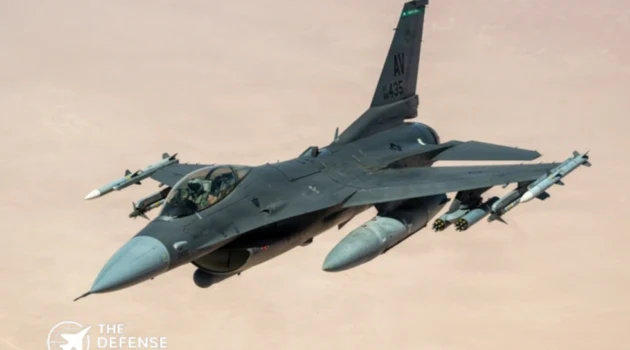
The Portuguese F-16 Baltic mission has officially begun, with Portugal deploying fighter aircraft to take over NATO’s Baltic Air Policing role, ensuring continuous protection of allied airspace along the alliance’s northeastern flank.
Portugal’s contribution reflects NATO’s ongoing rotational model, where member states provide air policing capabilities to Estonia, Latvia, and Lithuania, countries without their own fighter fleets.
¦ KEY FACTS AT A GLANCE- Portuguese Air Force F-16s assume NATO Baltic Air Policing duties.
- Deployment includes fighter aircraft, personnel, and support infrastructure.
- Mission reinforces NATO’s deterrence posture against Russian air activity.
- Rotation-based deployment ensures continuous airspace security over Baltic states.
- Highlights growing operational burden-sharing among NATO allies.
The Big Picture
NATO’s Baltic Air Policing mission remains a cornerstone of alliance deterrence in Eastern Europe. Since its launch in 2004, the mission has expanded in both scale and urgency, particularly after Russia’s actions in Ukraine and increased military activity near NATO borders.
The alliance relies on rotational deployments to maintain a persistent presence in the Baltic region. This approach distributes operational responsibilities across member states while signaling collective defense commitments under Article 5.
Portugal’s latest deployment underscores how smaller NATO members continue to play a meaningful role in high-priority missions traditionally dominated by larger air forces.
What’s Happening
Portugal has deployed a detachment of F-16 fighter jets, along with pilots, ground crews, and support personnel, to assume responsibility for Baltic Air Policing.
The aircraft are tasked with:
- Monitoring Baltic airspace
- Conducting quick reaction alert (QRA) missions
- Intercepting unidentified or non-compliant aircraft
The deployment follows a scheduled rotation, replacing another NATO contingent. These rotations typically last several months and operate from forward bases in the Baltic region.
The mission operates under NATO command and integrates seamlessly with allied air defense networks, including radar and command-and-control systems.
Why It Matters
The Portuguese F-16 Baltic mission directly contributes to NATO’s ability to maintain uninterrupted air sovereignty over vulnerable member states.
The Baltic region lacks indigenous fighter aircraft, making external support essential. Without these deployments, NATO would face a significant surveillance and interception gap along a sensitive frontier.
Portugal’s participation demonstrates several key trends:
- Increased operational tempo for NATO air forces
- Broader participation from smaller allies
- Sustained emphasis on air policing as a deterrence tool
F-16 platforms remain highly relevant in this role due to their reliability, interoperability, and proven air-to-air capabilities.
Strategic Implications
Portugal’s deployment strengthens NATO’s layered deterrence posture in Northern and Eastern Europe.
The mission provides:
- Immediate response capability against airspace violations
- Visible military presence near Russia’s western border
- Integration with broader NATO air and missile defense architecture
Persistent air policing also reduces escalation risks. By intercepting and identifying aircraft early, NATO minimizes ambiguity and avoids miscalculation.
This deployment reinforces alliance cohesion. It shows that collective defense responsibilities are shared, not concentrated among a few major powers.
Competitor View
Russia closely monitors NATO air policing operations in the Baltic region. Moscow has historically criticized these deployments, framing them as provocative.
However, NATO maintains that the mission is defensive and transparent. Aircraft involved in Baltic Air Policing operate under strict rules of engagement and do not conduct offensive operations.
From a strategic standpoint, Russia likely views Portugal’s participation as part of a broader pattern of NATO normalization of forward presence. The consistent rotation of allied aircraft signals long-term commitment rather than temporary surge activity.
What To Watch Next
Future rotations will continue to test NATO’s ability to sustain high readiness across multiple theaters.
Key developments to monitor include:
- Integration of newer platforms such as fifth-generation fighters
- Expansion of air policing into enhanced air defense roles
- Increased coordination with ground-based air defense systems
NATO may also adapt the mission as regional threats evolve, potentially incorporating more advanced surveillance and electronic warfare capabilities.
Capability Gap
The Portuguese F-16 Baltic mission addresses a critical gap in sovereign air defense for the Baltic states.
Without this mission:
- Estonia, Latvia, and Lithuania would lack interception capability
- NATO response times would increase significantly
- Airspace monitoring would rely heavily on distant assets
However, limitations remain. F-16s provide strong air policing capability but are not a substitute for a fully layered air defense system that includes long-range missile defense and integrated sensors.
The mission ensures immediate coverage but does not eliminate the region’s reliance on allied support.
The Bottom Line
Portugal’s F-16 deployment reinforces NATO’s ability to maintain continuous, credible air defense in the Baltic region while strengthening alliance burden-sharing and deterrence.