

Executive Summary:
Lockheed Martin is expanding cooperation with Australian industry partners to support the country’s growing HIMARS and Precision Strike Missile programs. The effort aligns with Canberra’s broader push to strengthen sovereign defense manufacturing and long-range strike capabilities across the Indo-Pacific region.
Lockheed Martin Expands Australian HIMARS Cooperation
Lockheed Martin is expanding its cooperation with Australian industry as Canberra accelerates plans to field long-range precision strike systems under its broader defense modernization strategy.
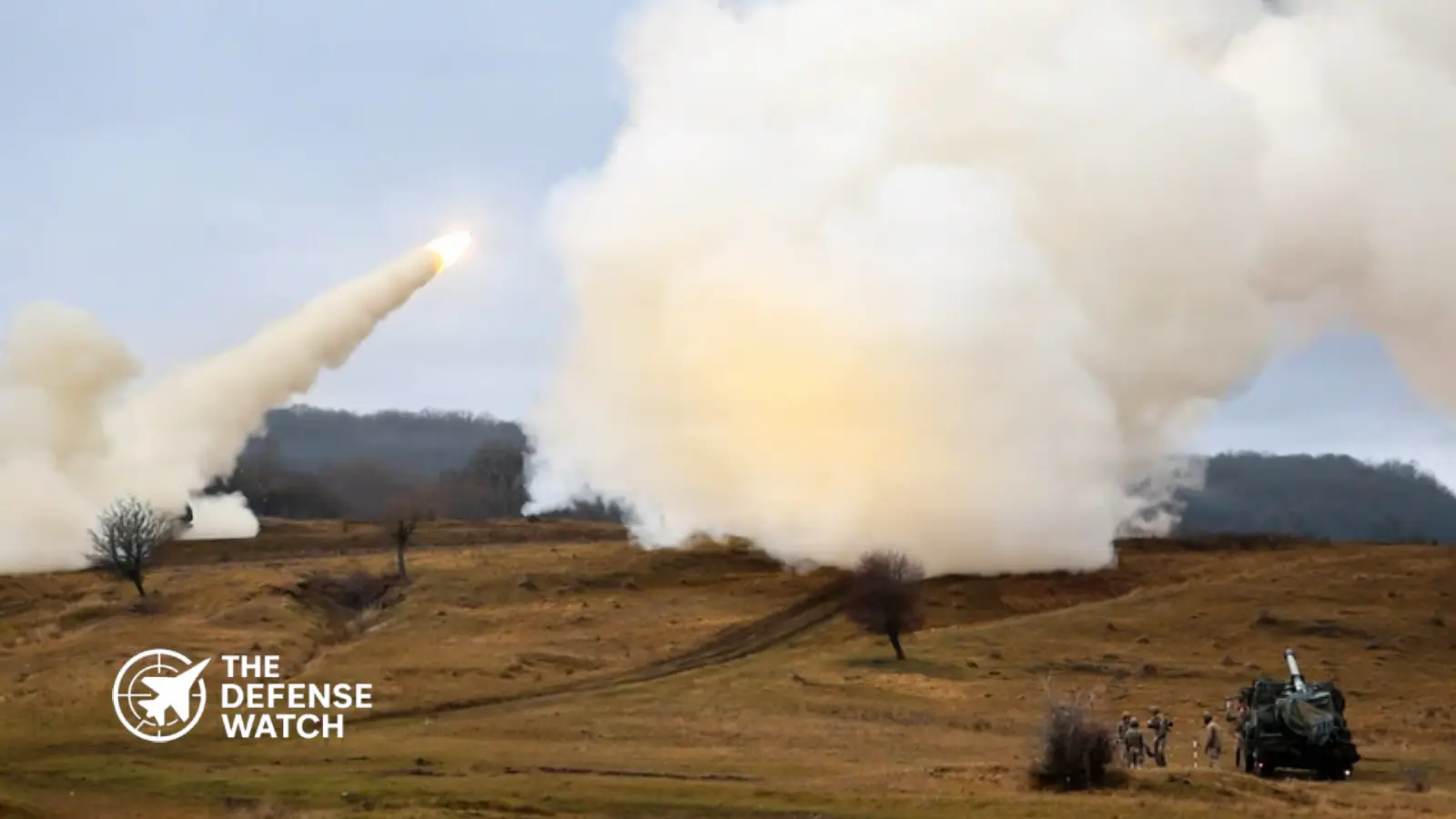
The company is increasing collaboration with local suppliers and industrial partners tied to the Australian Army’s acquisition of the M142 HIMARS and the Precision Strike Missile, commonly known as PrSM.
The expansion reflects Australia’s effort to build sovereign industrial capability while improving long-range fires capacity amid growing security competition in the Indo-Pacific.
Australia approved the acquisition of HIMARS launchers in 2023 as part of a wider defense restructuring effort designed to increase mobility, survivability, and strike range. The system has gained significant international attention following its operational use in Ukraine, where it demonstrated high-precision engagement capability against logistics hubs and command infrastructure.
Focus On Sovereign Manufacturing
Lockheed Martin Australia said the latest phase of cooperation centers on increasing participation by domestic companies in manufacturing, sustainment, integration, and future missile support activities.
The company has already signed agreements with several Australian suppliers as Canberra pushes to reduce reliance on overseas sustainment chains. Officials have repeatedly emphasized that future Australian Defense Force procurement programs must generate domestic industrial benefits and improve resilience during potential regional crises.
The HIMARS program is closely linked to Australia’s broader Guided Weapons and Explosive Ordnance initiative, which seeks to establish a domestic missile manufacturing ecosystem over the coming decade.
The addition of the Precision Strike Missile is especially significant. PrSM is designed to replace the aging Army Tactical Missile System, offering substantially greater range, improved survivability, and the ability to strike high-value targets at long distances.
PrSM Expands Long-Range Strike Reach
The Precision Strike Missile is being developed for the U.S. Army as its next-generation long-range precision fires weapon. The missile is expected to exceed the range of legacy ATACMS systems while supporting rapid targeting and network-enabled operations.
For Australia, the introduction of PrSM represents a major expansion in operational reach. Combined with the mobility of the M142 HIMARS, the capability provides the Australian Army with a more flexible deterrence option across dispersed regional environments.
Defense analysts increasingly view long-range fires as central to Indo-Pacific military planning, particularly given the vast maritime distances and the growing importance of distributed operations.
Australia’s 2024 National Defence Strategy identified long-range strike capability as a priority area, alongside integrated air and missile defense, undersea warfare, and northern force posture improvements.
Growing U.S.-Australia Defense Alignment
The HIMARS and PrSM expansion also highlights deepening defense cooperation between Australia and United States.
The two allies have expanded military integration through initiatives linked to AUKUS, rotational force deployments, advanced missile cooperation, and joint exercises across the Indo-Pacific theater.
Washington has encouraged allied nations to develop interoperable precision strike capabilities that can operate across shared command-and-control architectures. Australia’s investment in HIMARS and PrSM aligns directly with that objective.
At the same time, Canberra is attempting to balance rapid capability acquisition with domestic industrial growth. That approach mirrors similar policies adopted by several NATO and Indo-Pacific partners seeking to strengthen defense production capacity after supply chain disruptions exposed vulnerabilities during recent global crises.
Strategic Implications For The Indo-Pacific
The expansion of HIMARS and Precision Strike Missile cooperation comes amid heightened regional military competition and increasing emphasis on deterrence through long-range precision fires.
Australia’s geography places unique importance on mobility and standoff strike capability. Systems such as HIMARS allow rapid deployment across remote operating locations while reducing dependence on fixed infrastructure.
The move also signals a broader shift in Australian force design away from short-range continental defense toward longer-range regional deterrence and integrated allied operations.
While the current focus remains on initial fielding and industrial participation, future cooperation could expand into missile sustainment, component manufacturing, and broader guided weapons integration programs.

