U.S. Air Force Fighter Procurement Gap Raises Alarm
The U.S. Air Force fighter procurement requirement has emerged as a critical concern, with senior Air National Guard leaders telling Congress that the service needs at least 100 new fighters annually to maintain readiness and global operational capacity.
Testifying before lawmakers, Guard officials emphasized that current acquisition rates fall well below this benchmark, creating a widening gap between force structure requirements and available aircraft. According to reporting by Air & Space Forces Magazine, this shortfall risks undermining the Air Force’s ability to sustain combat operations across multiple theaters.
- U.S. Air Force leaders say 100 new fighter jets per year are needed to sustain force structure and readiness.
- Current procurement rates fall significantly below this threshold, raising concerns over capability gaps.
- Aging aircraft fleets, particularly in the Air National Guard, are becoming increasingly difficult to maintain.
- Lawmakers were told that modernization delays could impact U.S. global deterrence posture.
- The issue comes amid rising strategic competition with near-peer adversaries.
At the core of the issue is an aging fleet. Many aircraft in service today, particularly within the Air National Guard, are decades old and increasingly expensive to maintain. As maintenance costs rise and availability rates decline, the operational burden on newer platforms continues to grow.
Aging Fleet Pressures Force Structure
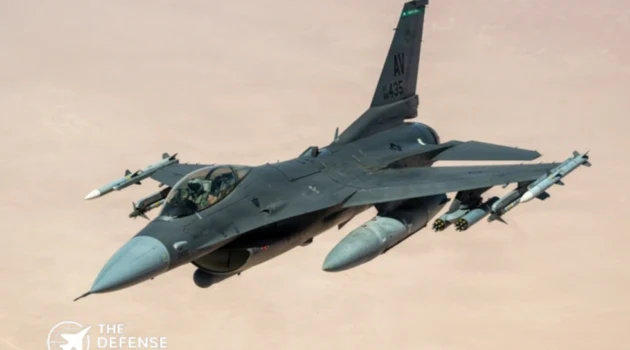
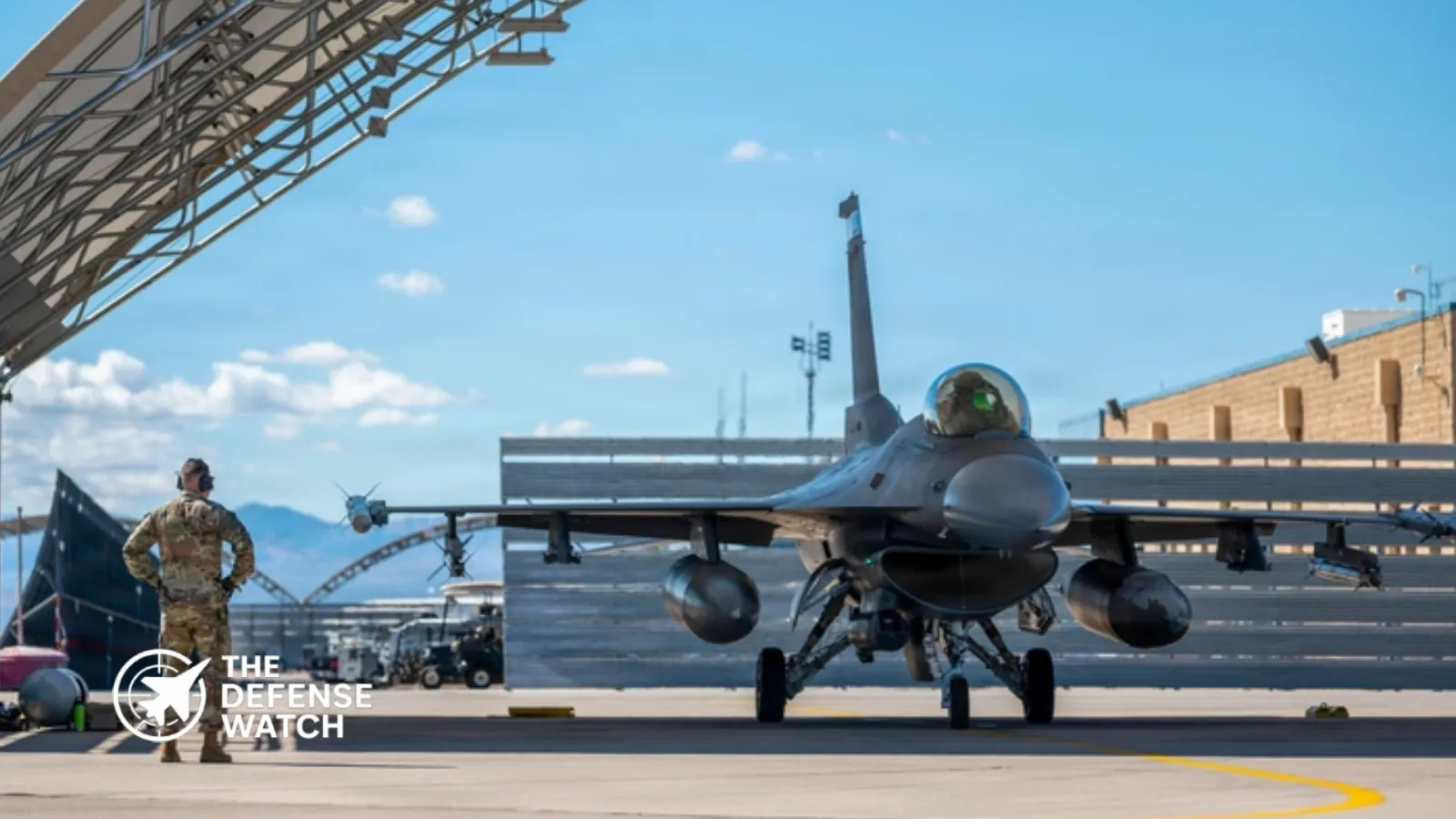
A significant portion of the Air National Guard’s inventory includes legacy fighters such as F-15s and F-16s that have exceeded their intended service lives. While upgrades have extended their usability, officials noted that these aircraft are approaching the limits of cost-effective sustainment.
This creates a dual challenge. On one hand, the Air Force must invest in maintaining legacy systems to ensure near-term readiness. On the other, it must accelerate procurement of next-generation fighters to remain competitive against advanced adversaries.
Guard leaders highlighted that without consistent procurement of around 100 aircraft per year, the service risks a gradual erosion of its combat capacity. This is not just a numbers issue. It directly affects pilot training, sortie generation rates, and the ability to surge forces during crises.
Strategic Context: Rising Global Competition
The push for increased fighter procurement comes amid intensifying strategic competition, particularly with China and Russia. Both nations have invested heavily in modern air combat capabilities, including fifth-generation fighters, integrated air defense systems, and long-range strike assets.
In this context, maintaining a robust and modern fighter fleet is central to U.S. deterrence strategy. Air superiority remains a foundational element of joint operations, enabling freedom of movement across land, sea, and air domains.
Guard officials stressed that the Air National Guard plays a critical role in this mission. It provides a substantial portion of the Air Force’s combat-coded units while also supporting homeland defense missions. Any degradation in Guard capabilities would therefore have both domestic and global implications.
Budget Constraints and Procurement Realities
Despite the clear requirement, achieving a steady procurement rate of 100 fighters annually faces significant budgetary and industrial challenges. Defense budgets must balance competing priorities, including nuclear modernization, space capabilities, and emerging technologies.
Additionally, production capacity within the defense industrial base is not easily scalable in the short term. Aircraft manufacturing involves complex supply chains and long lead times, limiting how quickly output can be increased.
Recent procurement trends reflect these constraints. Annual fighter purchases have fluctuated, often falling short of the levels needed to offset retirements and maintain fleet size. This mismatch contributes to a gradual decline in overall fighter inventory.
Analysis: A Structural Readiness Challenge
The call for 100 fighters per year highlights a deeper structural issue within U.S. airpower planning. For years, the Air Force has operated below its desired force size, relying on aging platforms to fill capability gaps.
This approach carries increasing risk. As aircraft age, maintenance demands rise exponentially, reducing availability and increasing costs. At the same time, adversaries are fielding more advanced systems, narrowing the qualitative edge historically held by the U.S.
Sustaining readiness under these conditions requires a consistent and predictable procurement strategy. Sporadic increases in funding or short-term programs are unlikely to address the underlying imbalance between force structure and acquisition rates.
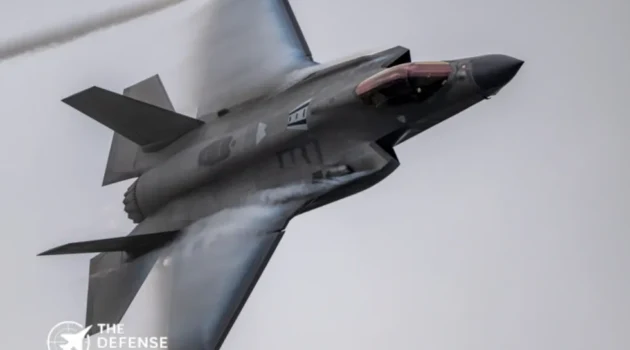
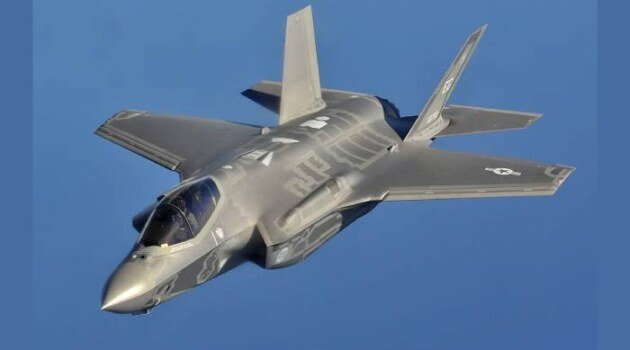
Moreover, the integration of next-generation platforms such as the F-35 must be aligned with retirements to avoid capability gaps during the transition period. This requires long-term planning and stable funding commitments.
Outlook
As Congress considers future defense budgets, the Air Force’s requirement for 100 new fighters annually is likely to remain a central issue. The debate will hinge on balancing fiscal constraints with the need to maintain credible airpower in an increasingly contested global environment.
Failure to address this gap could have long-term consequences for U.S. military effectiveness, particularly in high-end conflicts where air superiority is contested.