(adsbygoogle = window.adsbygoogle || []).push({});Executive Summary:
Taiwan’s armed forces conducted a live-fire exercise on June 10, 2026, in Taichung, firing newly acquired High Mobility Artillery Rocket Systems (HIMARS) to simulate strikes on an invading Chinese force. The drill emphasized rapid “shoot-and-scoot” maneuvers to enhance survivability against counter-battery fire. This demonstration underscores Taiwan’s push toward asymmetric warfare capabilities as part of its “porcupine strategy” to deter or complicate any potential cross-strait invasion.
Taiwan HIMARS Live-Fire Exercise Highlights Mobile Defense Capabilities
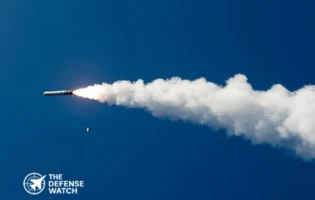
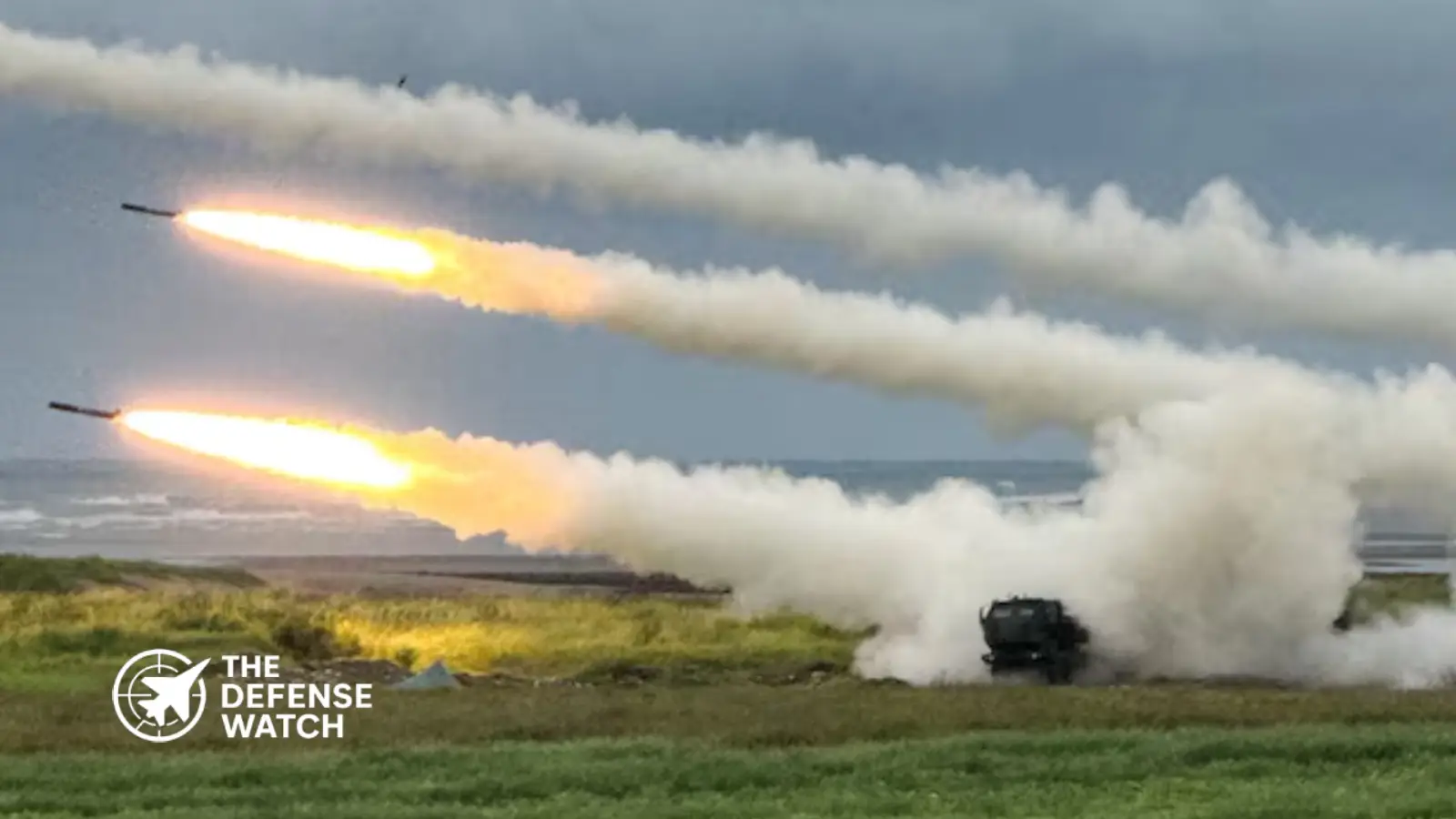
Taiwan’s military on Wednesday fired its U.S.-supplied HIMARS during a coastal defense drill on the island’s west coast, marking the first use of the precision rocket system in that strategically vital area facing China.
The exercise simulated attacks on enemy landing forces, showcasing the launchers’ mobility and ability to fire and quickly reposition to evade detection and retaliation.
HIMARS Integration in Taiwan’s Defense Posture
Taiwan first test-fired the Lockheed Martin-built HIMARS off its east coast in 2025. Wednesday’s drill in central Taiwan’s Taichung represents an important step in operationalizing the system for scenarios most likely in a conflict: defending the western beaches and mudflats across the narrow Taiwan Strait.
Company commander Ko Ming-pin stated that the unit successfully demonstrated solid combat capabilities. The military highlighted the system’s “shoot-and-scoot” tactics—firing salvos and withdrawing before enemy radar can lock on—as significantly improving battlefield survivability.
(adsbygoogle = window.adsbygoogle || []).push({});HIMARS, which has proven effective in Ukraine’s conflict with Russia, provides Taiwan with a highly mobile, precision-guided strike option. With a range of approximately 300 km (190 miles) using Army Tactical Missile System (ATACMS) munitions, the launchers could target coastal areas in China’s Fujian province, including ports and assembly points for amphibious forces.
Context of Rising Tensions and Asymmetric Modernization
China continues regular military activities around Taiwan, including daily incursions by warplanes and warships. Beijing views the democratically governed island as its territory and has not ruled out the use of force to achieve unification.
In response, Taiwan is modernizing its forces to emphasize asymmetric capabilities. The “porcupine strategy” aims to make the island difficult to conquer by deploying large numbers of mobile, survivable systems that can inflict disproportionate costs on a larger invading force.
HIMARS complements Taiwan’s domestically produced Thunderbolt-2000 multiple launch rocket systems. The two were integrated in this multi-day drill, with Thunderbolts fired on the preceding day. Together, they enable strikes on invading forces from ports of embarkation through landing zones.
(adsbygoogle = window.adsbygoogle || []).push({});Analysis
The shift to west coast operations for HIMARS is noteworthy. Taiwan’s western shoreline is the most probable site for a Chinese amphibious assault due to its proximity to the mainland. Dispersing mobile rocket artillery here allows rapid concentration of firepower on vulnerable landing craft and follow-on forces while minimizing exposure to China’s advanced counter-battery and air defense systems.
Reports indicate Taiwan plans to acquire up to 111 HIMARS launchers and hundreds of ATACMS missiles. Forward deployment concepts for outlying islands like Penghu and Dongyin could further extend reach, forcing Chinese forces to operate from greater distances and complicating their timelines.
This approach aligns with lessons from Ukraine, where HIMARS has demonstrated the value of precision, mobility, and survivability against a numerically superior adversary. For Taiwan, the goal is not symmetric parity with the People’s Liberation Army but the ability to disrupt and attrit an invasion force long enough for potential international support to materialize or for the costs to become prohibitive for Beijing.
Taiwan’s defense reforms also address command and control challenges. Drills now incorporate more realistic, decentralized positioning rather than predictable fixed formations, increasing operational difficulty but better preparing forces for contested environments.
(adsbygoogle = window.adsbygoogle || []).push({});Broader Implications for Regional Security
The exercise occurs amid persistent cross-strait tensions. Taiwan maintains that only its people can decide the island’s future, rejecting Beijing’s sovereignty claims.
For U.S. policymakers and defense observers, Taiwan’s progress with systems like HIMARS signals commitment to self-defense and interoperability with American equipment. Continued U.S. arms sales and training support remain central to this effort.
(adsbygoogle = window.adsbygoogle || []).push({});While the drill itself is tactical, its timing and visibility serve a strategic communications purpose: demonstrating resolve and capability to both domestic audiences and potential adversaries.