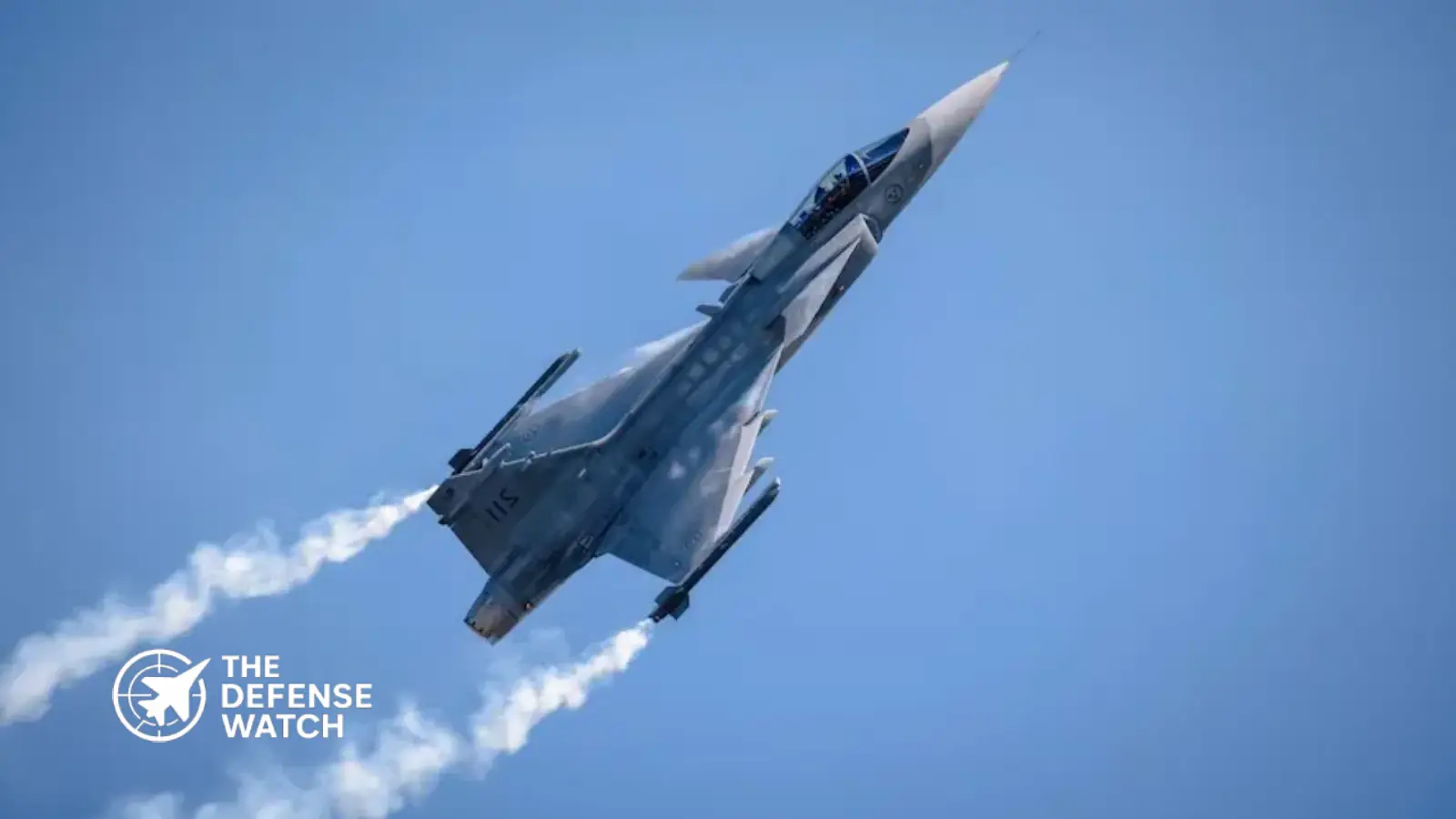
(adsbygoogle = window.adsbygoogle || []).push({});Executive Summary: The United Kingdom has expressed support for a potential Swedish Saab Gripen fighter arrangement for Ukraine, signaling continued Western efforts to strengthen Kyiv’s long term air combat capability. The move reflects growing coordination among European allies as Ukraine seeks to diversify beyond F-16 platforms and improve operational resilience.
United Kingdom Backs Gripen Fighter Deal For Ukraine
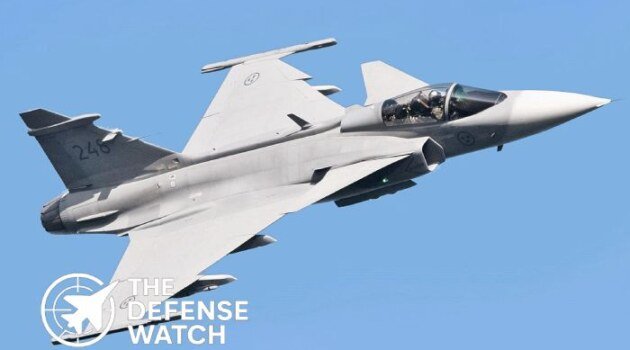
The United Kingdom’s support for a potential Swedish Gripen fighter transfer to Ukraine marks another step in the broader Western effort to modernize Kyiv’s combat aviation capability. According to reports, British officials have indicated support for discussions involving the possible supply of Saab JAS 39 Gripen aircraft to the Ukrainian Air Force.
The development comes as Ukraine continues integrating Western combat aircraft into operations while seeking a more sustainable and dispersed fighter structure capable of operating under wartime conditions. The Saab Gripen has increasingly drawn attention among defense planners because of its ability to operate from short and improvised runways, relatively low maintenance demands, and compatibility with NATO-standard systems.
Unlike larger Western fighter platforms that often require extensive logistics infrastructure, the Gripen was originally designed by Sweden for high survivability in a contested European environment. That operational concept aligns closely with Ukraine’s current battlefield conditions, where airbases remain vulnerable to Russian missile and drone strikes.
(adsbygoogle = window.adsbygoogle || []).push({});Why The Gripen Matters For Ukraine
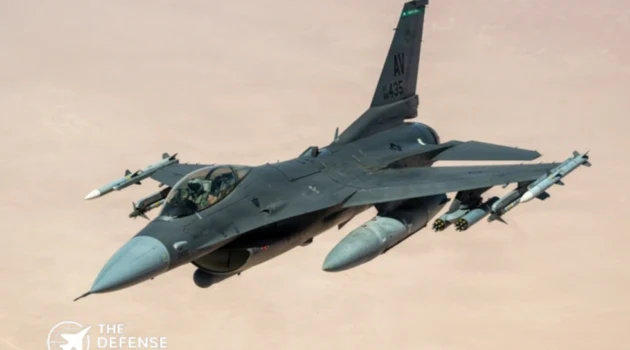
The potential Gripen fighter deal carries strategic significance beyond the aircraft itself. Ukraine’s current Western fighter transition has largely centered on the Lockheed Martin F-16, supported by several NATO members. However, military analysts have consistently noted that maintaining a diverse fleet could improve operational flexibility and reduce dependence on a single supply and training ecosystem.
The Saab Gripen offers several capabilities that could complement Ukraine’s existing and planned air assets. The aircraft is equipped for air defense, precision strike, and reconnaissance missions while maintaining relatively low operating costs compared to heavier multirole fighters.
One of the aircraft’s key advantages is its rapid turnaround capability. Swedish doctrine allows small ground crews and conscript personnel to rearm and refuel the aircraft quickly from dispersed locations. In Ukraine’s operational environment, where survivability and mobility are critical, such a concept could provide meaningful advantages.
The aircraft’s integration with advanced European air-to-air missiles, including the MBDA Meteor beyond visual range missile, is also viewed as strategically important. If approved for export and integration into Ukrainian operations, such systems could potentially strengthen Ukraine’s long range aerial engagement capability.
(adsbygoogle = window.adsbygoogle || []).push({});Britain’s Role In The Discussions
The United Kingdom has played a central role in building international support for Ukraine’s airpower modernization. British officials have previously assisted in pilot training initiatives and coalition building efforts involving Western combat aircraft.
London’s backing of a Gripen-related arrangement also reflects broader European defense coordination. Sweden, now a NATO member, has gradually expanded military support to Ukraine while balancing domestic defense requirements and alliance commitments.
Any formal transfer of Gripen fighters would likely require extensive multinational coordination involving pilot training, sustainment support, spare parts, and weapons integration. Export approvals from Sweden and consultations among NATO partners would also be necessary before any operational deployment.
British support could therefore help accelerate diplomatic and logistical planning even if a final aircraft transfer decision remains under discussion.
(adsbygoogle = window.adsbygoogle || []).push({});Saab Gripen’s Operational Profile
The Saab JAS 39 Gripen was developed during the Cold War to defend Sweden against a technologically advanced adversary while operating in austere conditions. That background shaped an aircraft optimized for dispersed basing, survivability, and reduced maintenance complexity.
The fighter combines modern avionics, electronic warfare systems, and multirole capability within a relatively lightweight design. Current Gripen variants are capable of conducting air superiority missions, electronic attack operations, and precision strikes using NATO-compatible munitions.
Defense analysts have repeatedly compared the aircraft favorably in environments where runway vulnerability and rapid sortie generation are major operational concerns. Ukraine’s continued exposure to long range Russian strikes has renewed attention on these characteristics.
The Gripen also offers interoperability advantages with broader European defense infrastructure. Several NATO and partner nations already operate or have evaluated the aircraft, creating potential opportunities for training and sustainment cooperation.
(adsbygoogle = window.adsbygoogle || []).push({});Strategic Implications For Europe
The United Kingdom’s support for the Gripen proposal highlights a wider European shift toward long term defense planning for Ukraine rather than short term battlefield assistance alone.
Western governments increasingly appear focused on helping Ukraine establish a durable post Soviet military structure integrated with NATO standards. Combat aviation remains one of the most complex parts of that transition because of the training timelines, maintenance requirements, and operational integration challenges involved.
A potential Gripen arrangement would also deepen defense industrial cooperation between Britain, Sweden, and allied European partners. It may further reinforce Europe’s effort to expand regional defense production and reduce dependence on limited aircraft inventories.
At the same time, officials remain cautious regarding escalation risks and force availability. Sweden must balance support for Ukraine against maintaining readiness for its own armed forces during a period of heightened regional security concerns in Northern Europe and the Baltic region.
(adsbygoogle = window.adsbygoogle || []).push({});Outlook
No final agreement on a Gripen transfer to Ukraine has been publicly confirmed. However, British support for the discussions signals continued momentum behind Ukraine’s long term airpower modernization effort.
As the conflict evolves, Western governments are increasingly prioritizing systems that can survive in heavily contested environments while remaining sustainable over extended periods. In that context, the Saab Gripen’s dispersed operations model and lower logistical footprint continue to attract attention among defense planners evaluating future support options for Ukraine.