
(adsbygoogle = window.adsbygoogle || []).push({});Executive Summary:
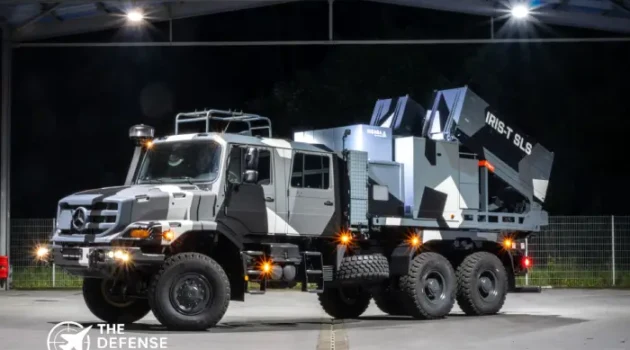
German defense company Diehl Defence has introduced the IRIS-T SLS MK 4, a new mobile short-range air defense system designed for NATO users. The platform integrates radar, command-and-control, and missile launchers on a single vehicle, improving mobility, responsiveness, and force protection against modern aerial threats.
Diehl Defence Unveils IRIS-T SLS MK 4 Mobile Air Defense System
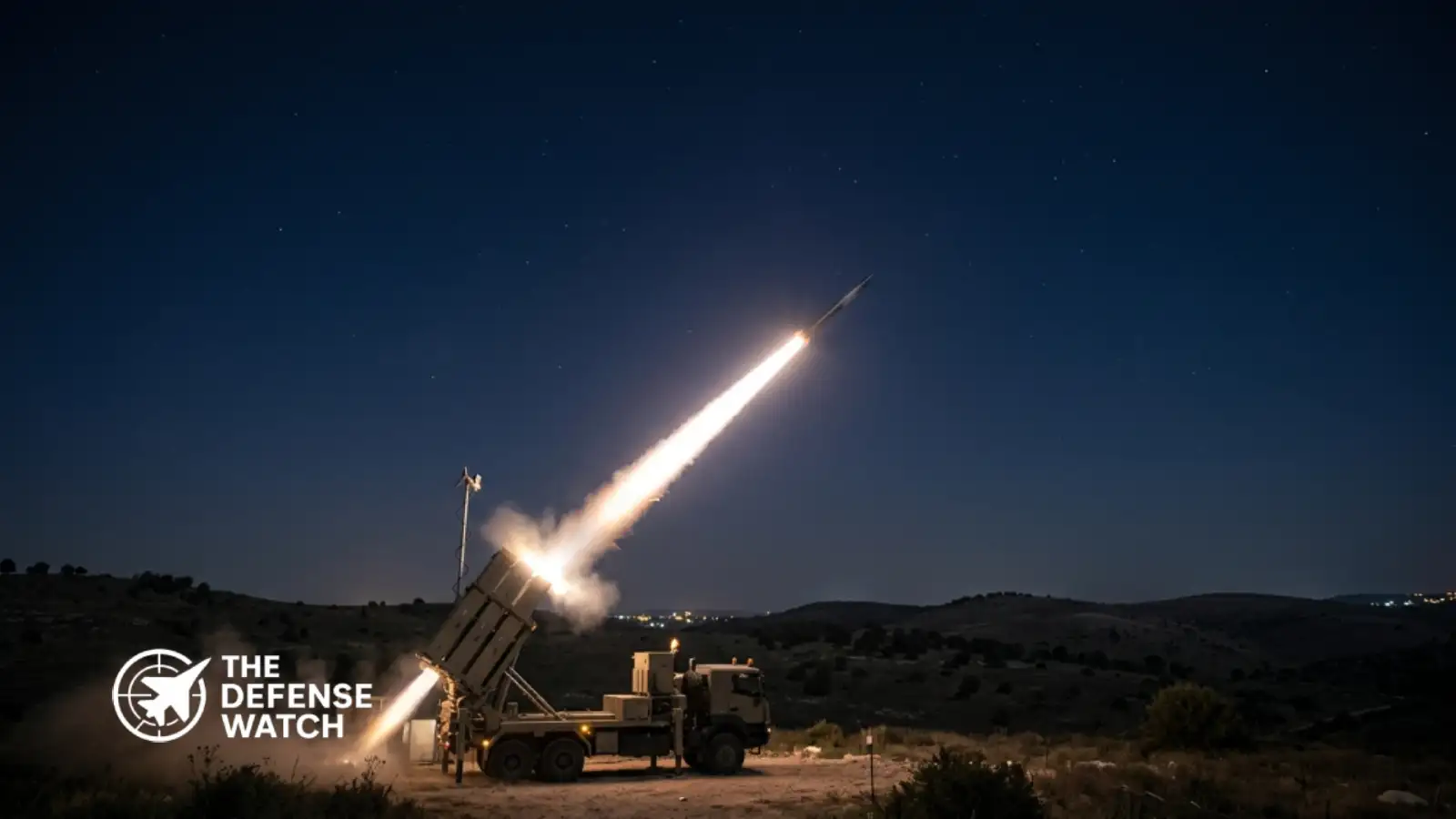
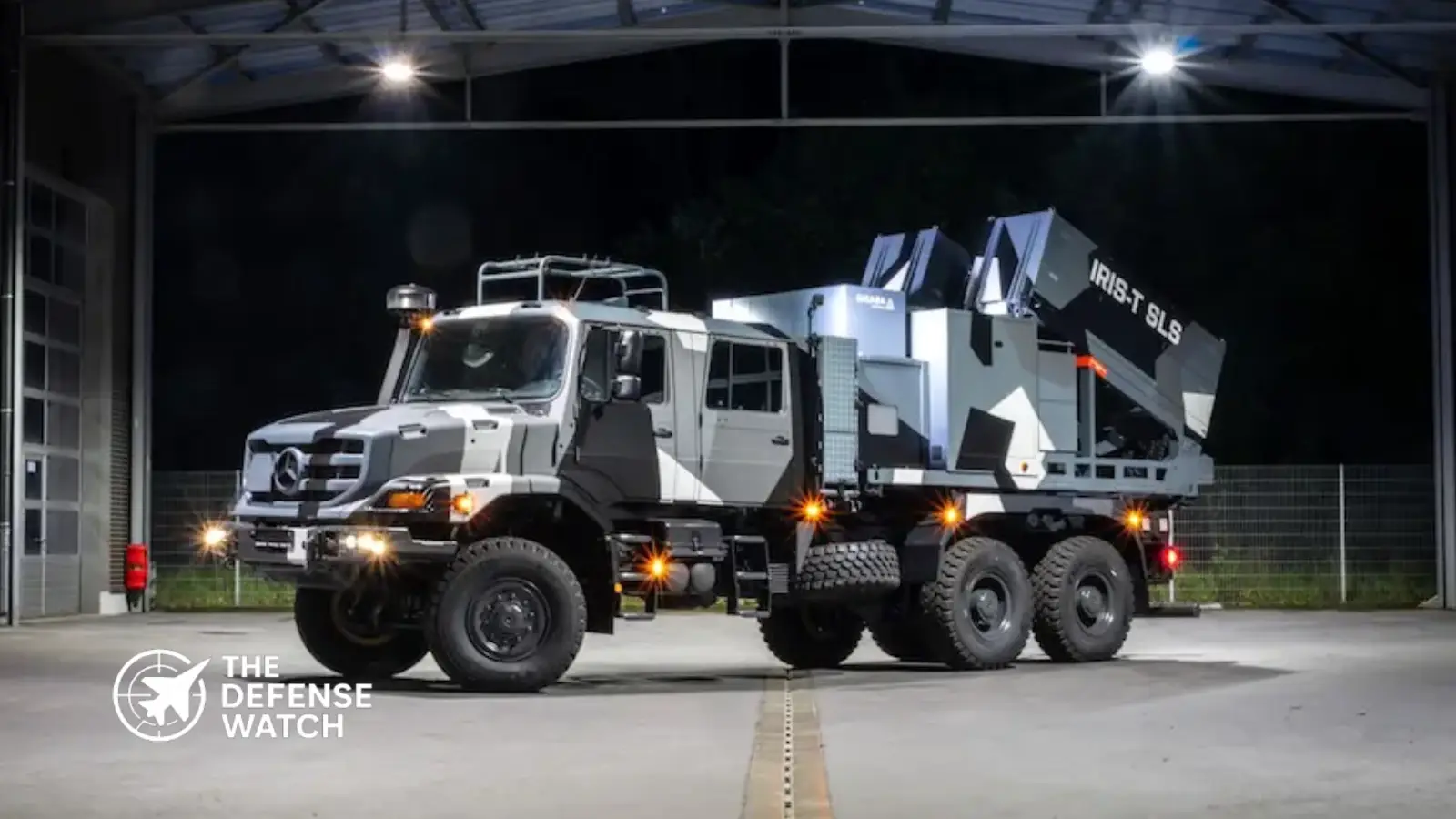
Diehl Defence has revealed the IRIS-T SLS MK 4, the latest version of its short-range ground-based air defense system, ahead of the ILA Berlin Air Show 2026. The new configuration is designed as a highly mobile, all-in-one air defense solution capable of protecting maneuvering forces and critical infrastructure against a growing range of aerial threats.
According to the company, the IRIS-T SLS MK 4 combines surveillance radar, command-and-control functions, and missile launchers on a single vehicle platform. This integrated architecture reduces deployment complexity while enabling rapid reaction times in dynamic battlefield conditions.
-
(adsbygoogle = window.adsbygoogle || []).push({});
Key Capabilities Of The IRIS-T SLS MK 4
The fourth-generation IRIS-T SLS system offers an engagement range of up to 12 kilometers and can intercept targets at altitudes reaching 6 kilometers. It is intended to provide close-range protection against aircraft, helicopters, cruise missiles, drones, and other low-flying threats.
A notable enhancement is the system’s increased missile capacity. The IRIS-T SLS MK 4 carries eight ready-to-fire interceptors, improving its ability to counter multiple threats before requiring reloads. The system also features a high degree of automation, reducing manpower requirements while accelerating target engagement timelines.
Diehl states that the platform retains the combat-proven IRIS-T missile as its primary interceptor. Future upgrades are expected to enable a “fire-on-the-move” capability, allowing missile launches while the vehicle remains in motion. Additional effectors, including counter-drone interceptors such as the CICADA system, can also be integrated depending on customer requirements.
(adsbygoogle = window.adsbygoogle || []).push({});Why The System Matters For NATO
The introduction of the IRIS-T SLS MK 4 reflects growing demand across NATO for highly mobile short-range air defense systems capable of countering drones, loitering munitions, cruise missiles, and low-altitude aircraft.
Recent conflicts have demonstrated that traditional air defense architectures often require additional layers of protection closer to frontline forces. Mobile SHORAD systems are increasingly viewed as essential for protecting maneuvering units against low-cost aerial threats that can evade higher-tier missile defenses.
The IRIS-T SLS MK 4 directly addresses this requirement by consolidating detection, command, and engagement functions into a single platform. This approach reduces logistical burdens and shortens deployment times, making the system suitable for expeditionary and rapidly moving operations.
From an operational perspective, the system fills an important gap between very short-range air defense assets and medium-range systems such as the IRIS-T SLM. NATO members continue to invest heavily in layered air defense architectures, particularly as drone warfare and precision-guided weapons become increasingly prevalent on modern battlefields.
(adsbygoogle = window.adsbygoogle || []).push({});Integration Into Diehl’s Layered Air Defense Architecture
Diehl Defence says the IRIS-T SLS MK 4 is fully integrated into its broader layered air defense portfolio. The company continues to expand the IRIS-T family, which includes the short-range SLS, medium-range SLM, and future long-range SLX variants.
The new MK 4 version has been developed to meet NATO standards and operational requirements while maintaining flexibility for different vehicle platforms and customer-specific configurations. The vehicle-independent design allows users to adapt the system to national military requirements without altering the core combat capabilities.
(adsbygoogle = window.adsbygoogle || []).push({});Growing Demand For European Air Defense Systems
The unveiling comes amid sustained European investment in air and missile defense capabilities. Demand for the IRIS-T family has increased significantly in recent years, driven by heightened security concerns and lessons learned from ongoing conflicts in Europe. Diehl Defence has previously announced plans to expand production capacity for IRIS-T air defense systems and associated missiles to meet rising international demand.
As NATO nations seek to strengthen protection against drones, cruise missiles, and other airborne threats, systems such as the IRIS-T SLS MK 4 are positioned to play an increasingly important role within future layered air defense networks.