(adsbygoogle = window.adsbygoogle || []).push({});Executive Summary:
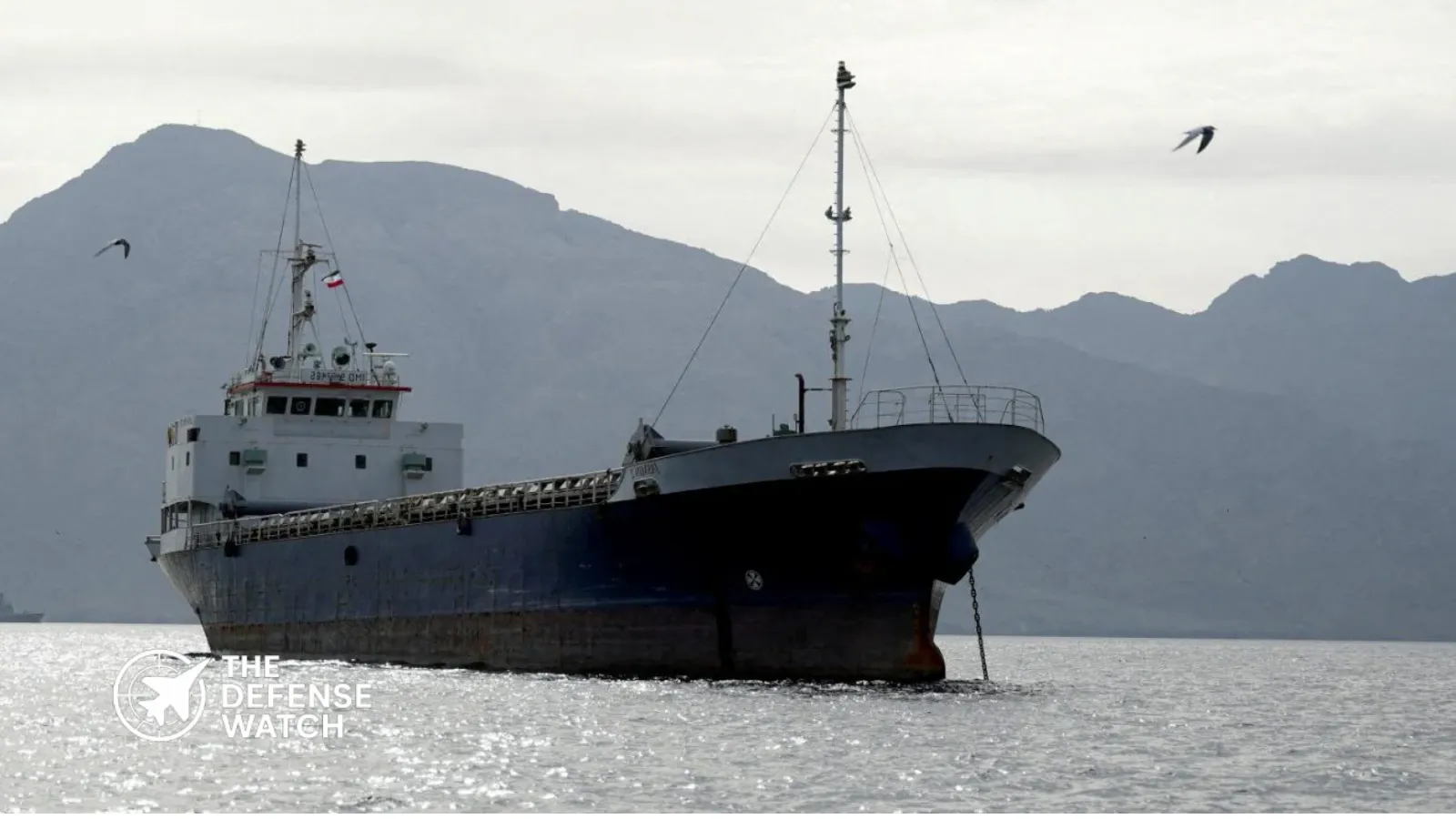
U.S. Central Command confirmed that American forces disabled the Gambia-flagged vessel M/V Lian Star in the Gulf of Oman after it allegedly ignored more than 20 warnings while heading toward an Iranian port.
The operation involved a precision Hellfire missile strike on the ship’s engine room, highlighting the growing role of guided weapons in maritime interdiction and blockade enforcement missions.
The incident marks the latest escalation in a wider U.S. effort to enforce restrictions on maritime traffic connected to Iran while maintaining pressure during an ongoing regional ceasefire.
U.S. Forces Disable Iran-Bound Vessel In Gulf Of Oman
U.S. forces disable Iran-bound vessel operations have entered a new phase after American military aircraft used a Hellfire missile to stop a commercial ship attempting to reach an Iranian port in the Gulf of Oman.
According to U.S. Central Command (CENTCOM), the Gambia-flagged cargo vessel M/V Lian Star was observed transiting international waters toward Iran on May 29. U.S. forces reportedly issued more than 20 warnings informing the crew that the vessel was violating blockade measures before taking military action.
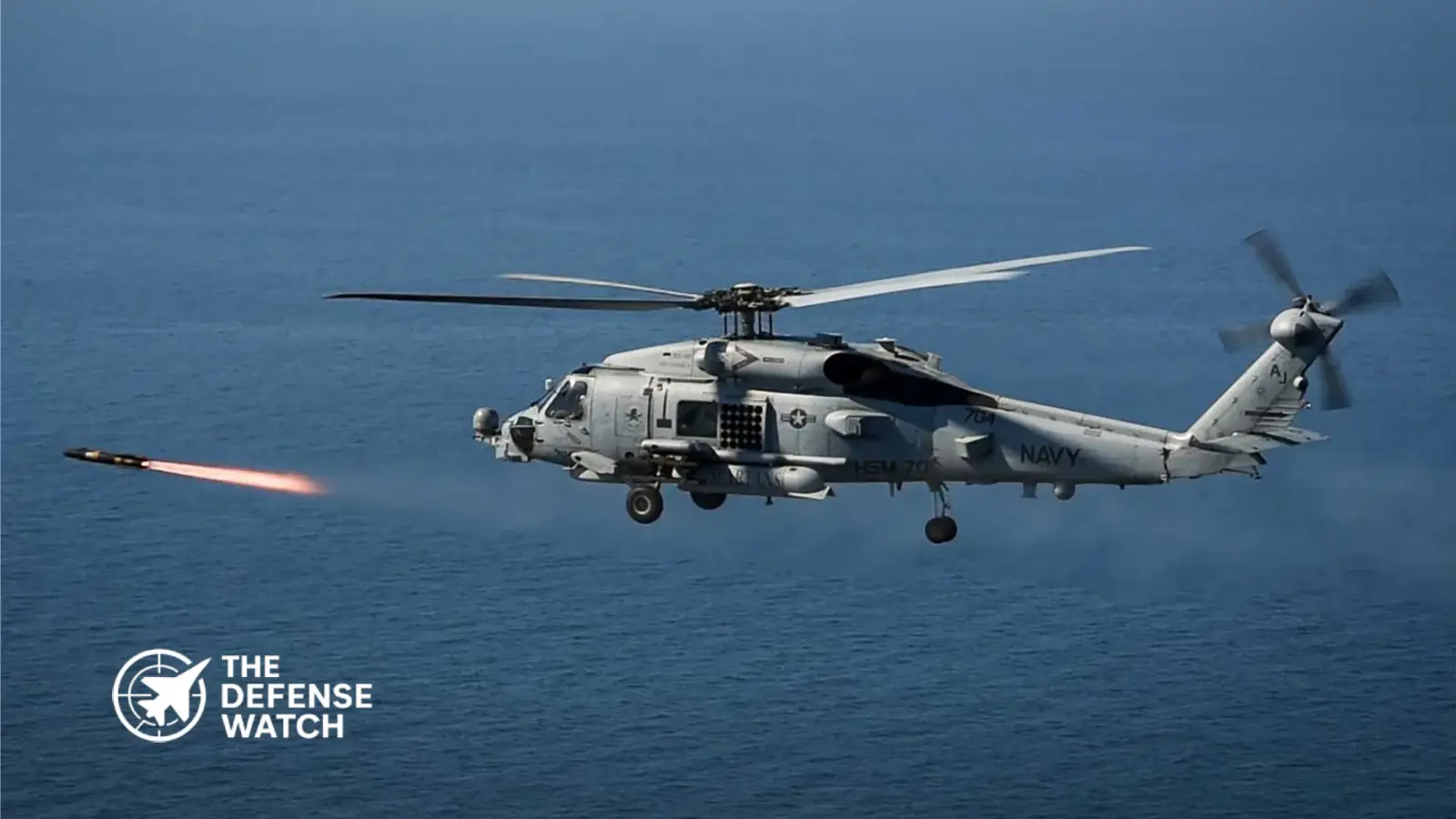
After the ship failed to comply, a U.S. aircraft fired a Hellfire missile directly into the vessel’s engine room, disabling its propulsion system and preventing it from continuing toward its destination. CENTCOM stated that the vessel is no longer transiting toward Iran.
The incident represents one of the most visible examples of precision maritime interdiction carried out by U.S. forces during the current blockade enforcement campaign.
Hellfire Missile Used For Maritime Enforcement
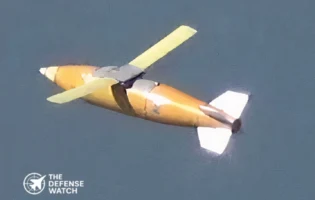
The AGM-114 Hellfire missile has long been associated with counterterrorism operations, armed drones, attack helicopters, and precision battlefield strikes. Its use against a commercial vessel highlights how military planners are adapting existing precision weapons for maritime security missions.
Unlike large anti-ship missiles designed to sink vessels, the Hellfire allows operators to target specific components such as engines, rudders, steering systems, or command spaces. This enables military forces to stop a ship while limiting structural damage and reducing risks to crew members.
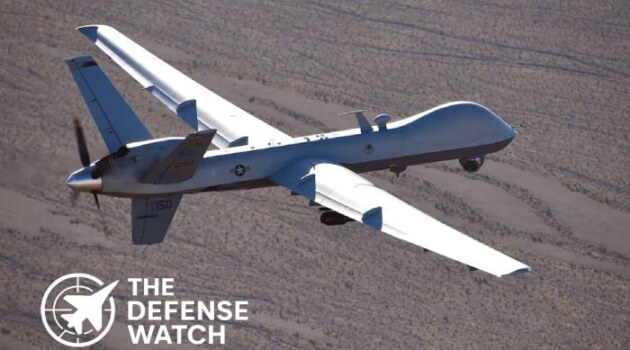
(adsbygoogle = window.adsbygoogle || []).push({});CENTCOM did not disclose the aircraft involved in the operation. However, several platforms deployed across the region are capable of employing Hellfire missiles, including the MQ-9 Reaper, AH-64 Apache, and MH-60R Seahawk. No official confirmation has been provided regarding which aircraft conducted the strike.
From an operational perspective, the incident demonstrates how precision-guided munitions can provide commanders with additional options between verbal warnings and more destructive force.
Growing Maritime Pressure Around Iran
The latest action comes amid a broader U.S. maritime campaign focused on restricting access to Iranian ports.
CENTCOM stated that U.S. forces have now disabled five commercial vessels and redirected 116 others as part of blockade enforcement efforts. The command said operations continue while a ceasefire with Iran remains in effect.
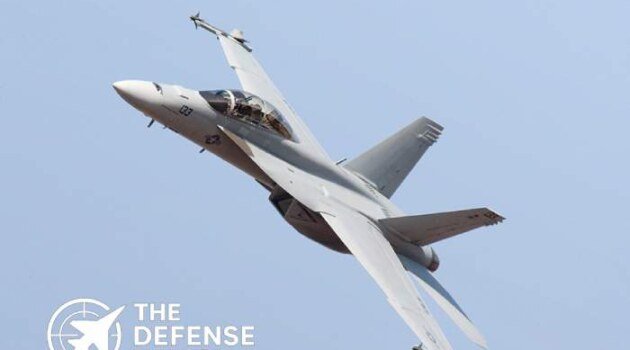
Previous enforcement actions have involved multiple methods of disabling ships. Earlier in May, U.S. Navy F/A-18 Super Hornets reportedly used 20mm cannon fire to disable the rudder of the tanker M/T Hasna. Additional operations targeted vessels identified as Sea Star III and Sevda using precision munitions.
The progression from warning shots and cannon fire to a direct Hellfire missile strike illustrates the increasing sophistication of maritime interdiction tactics being employed in the region.
Strategic Importance Of The Gulf Of Oman
The Gulf of Oman serves as a critical gateway connecting the Arabian Sea to the Strait of Hormuz, one of the world’s most important maritime chokepoints.
A significant portion of global oil and liquefied natural gas exports pass through these waters each year. Any military activity affecting shipping routes in the region is closely monitored by energy markets, insurers, shipping companies, and regional governments.
(adsbygoogle = window.adsbygoogle || []).push({});The use of precision-guided weapons against non-compliant vessels also signals a shift toward faster, stand-off enforcement methods. Rather than relying exclusively on boarding teams or close naval interception, military forces can monitor vessels through surveillance assets and rapidly disable them if crews refuse instructions.
This approach reduces operational risk to boarding personnel while allowing naval and air assets to cover larger areas of contested maritime space.
Analysis: Precision Weapons Reshape Maritime Interdiction
The U.S. forces disable Iran-bound vessel operation demonstrates an emerging trend in modern naval security missions.
Traditional maritime interdiction often depended on surface warships approaching suspect vessels, launching boarding teams, and conducting inspections. While effective, those methods can be time-consuming and potentially dangerous in contested waters.
The Gulf of Oman incident highlights how precision-guided weapons, persistent surveillance, and real-time intelligence are increasingly being integrated into maritime enforcement operations. The ability to strike a vessel’s engine room without sinking the ship reflects a calibrated use of force designed to achieve compliance while controlling escalation.
(adsbygoogle = window.adsbygoogle || []).push({});For defense planners, the operation provides another example of how airpower and precision munitions are expanding their role beyond conventional combat missions and into maritime security enforcement.
As regional tensions continue to influence shipping activity around Iran and the Strait of Hormuz, similar operations may remain a key component of U.S. efforts to maintain pressure while avoiding broader naval confrontation.