

(adsbygoogle = window.adsbygoogle || []).push({});Executive Summary:
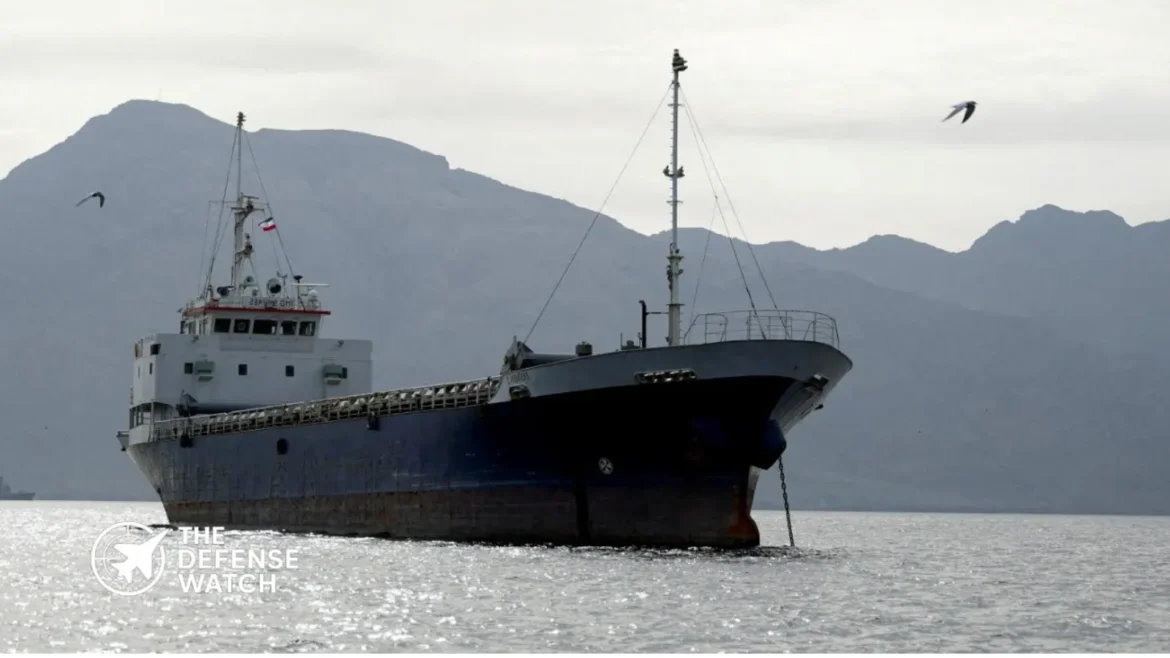
U.S. Central Command confirmed that American forces disabled the Gambia-flagged vessel M/V Lian Star in the Gulf of Oman after it allegedly ignored more than 20 warnings while heading toward an Iranian port.
The operation involved a precision Hellfire missile strike on the ship’s engine room, highlighting the growing role of guided weapons in maritime interdiction and blockade enforcement missions.
The incident marks the latest escalation in a wider U.S. effort to enforce restrictions on maritime traffic connected to Iran while maintaining pressure during an ongoing regional ceasefire.
U.S. Forces Disable Iran-Bound Vessel In Gulf Of Oman
U.S. forces disable Iran-bound vessel operations have entered a new phase after American military aircraft used a Hellfire missile to stop a commercial ship attempting to reach an Iranian port in the Gulf of Oman.
According to U.S. Central Command (CENTCOM), the Gambia-flagged cargo vessel M/V Lian Star was observed transiting international waters toward Iran on May 29. U.S. forces reportedly issued more than 20 warnings informing the crew that the vessel was violating blockade measures before taking military action.
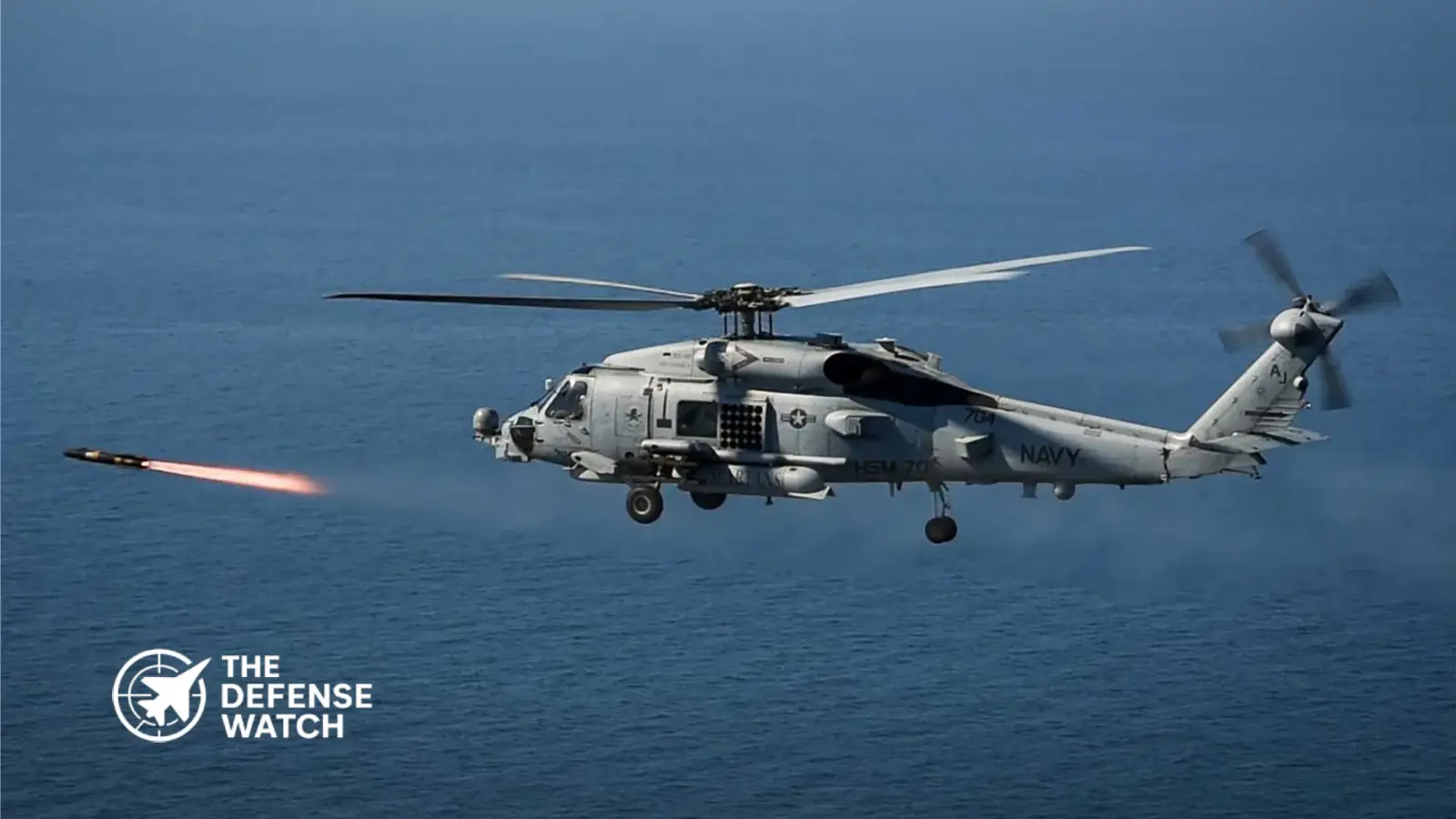
After the ship failed to comply, a U.S. aircraft fired a Hellfire missile directly into the vessel’s engine room, disabling its propulsion system and preventing it from continuing toward its destination. CENTCOM stated that the vessel is no longer transiting toward Iran.
The incident represents one of the most visible examples of precision maritime interdiction carried out by U.S. forces during the current blockade enforcement campaign.
Hellfire Missile Used For Maritime Enforcement
The AGM-114 Hellfire missile has long been associated with counterterrorism operations, armed drones, attack helicopters, and precision battlefield strikes. Its use against a commercial vessel highlights how military planners are adapting existing precision weapons for maritime security missions.
Unlike large anti-ship missiles designed to sink vessels, the Hellfire allows operators to target specific components such as engines, rudders, steering systems, or command spaces. This enables military forces to stop a ship while limiting structural damage and reducing risks to crew members.
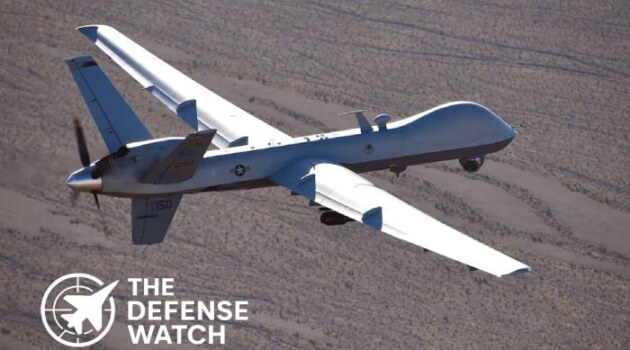
(adsbygoogle = window.adsbygoogle || []).push({});CENTCOM did not disclose the aircraft involved in the operation. However, several platforms deployed across the region are capable of employing Hellfire missiles, including the MQ-9 Reaper, AH-64 Apache, and MH-60R Seahawk. No official confirmation has been provided regarding which aircraft conducted the strike.
From an operational perspective, the incident demonstrates how precision-guided munitions can provide commanders with additional options between verbal warnings and more destructive force.
Growing Maritime Pressure Around Iran
The latest action comes amid a broader U.S. maritime campaign focused on restricting access to Iranian ports.
CENTCOM stated that U.S. forces have now disabled five commercial vessels and redirected 116 others as part of blockade enforcement efforts. The command said operations continue while a ceasefire with Iran remains in effect.
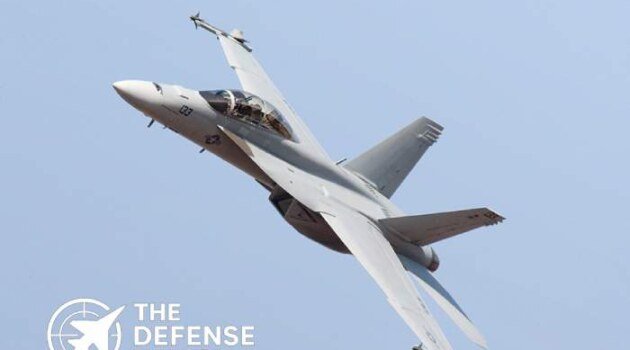
Previous enforcement actions have involved multiple methods of disabling ships. Earlier in May, U.S. Navy F/A-18 Super Hornets reportedly used 20mm cannon fire to disable the rudder of the tanker M/T Hasna. Additional operations targeted vessels identified as Sea Star III and Sevda using precision munitions.
The progression from warning shots and cannon fire to a direct Hellfire missile strike illustrates the increasing sophistication of maritime interdiction tactics being employed in the region.
Strategic Importance Of The Gulf Of Oman
The Gulf of Oman serves as a critical gateway connecting the Arabian Sea to the Strait of Hormuz, one of the world’s most important maritime chokepoints.
A significant portion of global oil and liquefied natural gas exports pass through these waters each year. Any military activity affecting shipping routes in the region is closely monitored by energy markets, insurers, shipping companies, and regional governments.
(adsbygoogle = window.adsbygoogle || []).push({});The use of precision-guided weapons against non-compliant vessels also signals a shift toward faster, stand-off enforcement methods. Rather than relying exclusively on boarding teams or close naval interception, military forces can monitor vessels through surveillance assets and rapidly disable them if crews refuse instructions.
This approach reduces operational risk to boarding personnel while allowing naval and air assets to cover larger areas of contested maritime space.
Analysis: Precision Weapons Reshape Maritime Interdiction
The U.S. forces disable Iran-bound vessel operation demonstrates an emerging trend in modern naval security missions.
Traditional maritime interdiction often depended on surface warships approaching suspect vessels, launching boarding teams, and conducting inspections. While effective, those methods can be time-consuming and potentially dangerous in contested waters.
The Gulf of Oman incident highlights how precision-guided weapons, persistent surveillance, and real-time intelligence are increasingly being integrated into maritime enforcement operations. The ability to strike a vessel’s engine room without sinking the ship reflects a calibrated use of force designed to achieve compliance while controlling escalation.
(adsbygoogle = window.adsbygoogle || []).push({});For defense planners, the operation provides another example of how airpower and precision munitions are expanding their role beyond conventional combat missions and into maritime security enforcement.
As regional tensions continue to influence shipping activity around Iran and the Strait of Hormuz, similar operations may remain a key component of U.S. efforts to maintain pressure while avoiding broader naval confrontation.
NATO Underwater Internet Concept Moves Into Operations
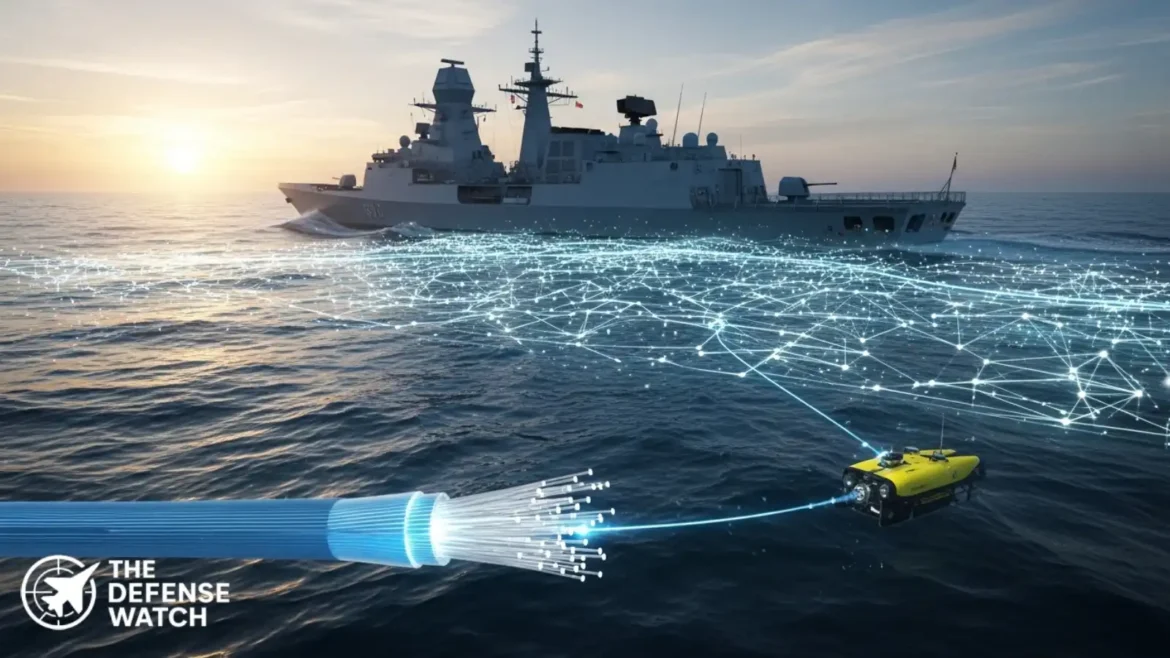
The NATO underwater internet concept is moving from research into real operational planning, marking a significant step in how allied navies may fight, monitor, and communicate beneath the sea.
NATO has launched the Allied Underwater Battlespace Mission Network (AUWB-MN), a program intended to create a secure mission network linking military systems operating above, on, and below the waterline. The project is being led by Saab through its MANGROVE consortium.
- NATO has advanced its underwater internet concept into operational development through a new Allied Underwater Battlespace Mission Network (AUWB-MN) program.
- Swedish defense firm Saab (through its Kockums business area) is leading the multinational MANGROVE consortium selected for the effort.
- The system is designed to connect crewed and uncrewed platforms above, on, and below the sea surface.
- Twelve NATO nations are backing the project, led by the United Kingdom.
- The move comes as allied nations face growing concern over cable sabotage, seabed espionage, and maritime disruption.
The initiative reflects a broader shift in alliance planning. Underwater operations were once focused mainly on submarines and anti-submarine warfare. Today, the seabed has become a strategic battlespace that includes data cables, energy pipelines, sensors, drones, and autonomous vehicles.
Why NATO Is Prioritizing Undersea Networks
More than traditional naval competition is driving this effort. Western officials have increasingly warned about the vulnerability of critical undersea infrastructure, especially fiber optic cables that carry global internet traffic and financial data.
Recent incidents in the Baltic Sea and North Atlantic have sharpened concern that hostile states or proxy actors could damage cables, disrupt communications, or gather intelligence without triggering open conflict.
That makes the NATO underwater internet concept strategically important. If allied forces can maintain resilient underwater communications and connect autonomous systems in real time, they gain faster detection, better coordination, and stronger deterrence.
This is no longer only about ships and submarines. It is about controlling information flows in contested waters.
What The New Network Is Designed To Do
According to Saab, the AUWB-MN project will create a reference architecture and testing environment for a future NATO standard. It aims to support secure and rapid information exchange between conventional naval assets and maritime uncrewed systems.
That could include:
- Underwater drones sharing sonar contacts
- Surface vessels relaying data to command centers
- Autonomous sensors tracking suspicious seabed activity
- Multi-nation forces operating on one common network
- Faster responses to sabotage or submarine threats
The long term value is interoperability. NATO forces often operate with different national systems. A common underwater data standard could reduce delays and improve joint missions.
Why This Matters Beyond Europe
Although many recent cable incidents have centered on Europe, the implications are global. Undersea infrastructure links continents, supports military communications, and underpins global commerce.
If NATO successfully fields an underwater network architecture, similar models could shape future Indo-Pacific security planning, Arctic surveillance, and coalition maritime operations.
The United States, as a leading NATO military power, has a clear stake in the project. American naval doctrine increasingly emphasizes unmanned systems, distributed sensing, and resilient communications. Those priorities align directly with AUWB-MN goals.
Analysis: A Quiet But Important Military Shift
This program may not attract attention like a new fighter jet or missile system, but it could prove just as consequential.
Modern warfare increasingly targets networks rather than platforms. A damaged cable, blinded sensor grid, or disrupted data link can weaken combat power before the first missile is fired.
By pushing the NATO underwater internet concept into operations, the alliance is recognizing that future maritime competition will be fought across the seabed as much as on the surface.
That suggests NATO sees underwater connectivity not as a technical niche, but as core military infrastructure.
- British Prime Minister Keir Starmer and French President Emmanuel Macron are planning a multinational effort to secure the Strait of Hormuz once the Iran war ends, excluding U.S. combat forces due to its current military role.
- The move follows U.S. President Donald Trump’s announcement of a blockade targeting Iranian ports, a decision NATO allies including the UK and France declined to join. :contentReference[oaicite:0]{index=0}
- France and the UK plan to co-host a conference to build support for a defensive coalition focused on restoring freedom of navigation through the strait. :contentReference[oaicite:1]{index=1}
- The Strait of Hormuz remains a flashpoint in the conflict with Iran after months of disruption to global shipping and energy flows. :contentReference[oaicite:2]{index=2}
- NATO allies have resisted direct involvement in President Trump’s blockade plan, increasing diplomatic strain within the alliance. :contentReference[oaicite:3]{index=3}
Background And Strategic Shift
Britain and France are moving to lead a post-conflict security plan for the Strait of Hormuz security in a bid to restore safe international shipping lanes after Iran restricted movement during the broader Iran war and the United States announced a naval blockade of Iranian ports. The initiative comes as NATO allies have made clear they will not join U.S. blockade efforts, deepening strains within the alliance.
U.S. Central Command has begun intercepting vessels bound for or leaving Iranian ports as part of a strategy aimed at containing Tehran’s influence and countering maritime threats posed during the six-week conflict with Iran.
Prime Minister Keir Starmer has rejected participation in the Trump Hormuz blockade and said the UK will focus on reopening the waterway and convening international partners. French President Emmanuel Macron echoed this stance, noting that any military effort must be “strictly defensive” and separate from the combatants.
U.S. Blockade And Allied Response
President Donald Trump’s declaration of a blockade marked a sharp tactical turn in the conflict, with U.S. forces set to intercept shipping linked to Iran and destroy maritime mines laid in the strait. The blockade was ordered after peace talks in Islamabad failed to produce a lasting ceasefire, according to U.S. officials.
However, several NATO allies including the UK and Germany have publicly declined to take part in enforcing the blockade, insisting they will only engage once hostilities cease and conditions allow for a lawful, multinational operation.
That resistance underscores growing divisions between the U.S. and its European partners over how to address the crisis in the Gulf. European diplomats say direct involvement in an active blockade risks drawing forces into broader conflict and complicating diplomatic efforts.
Multinational Mission Planning
In response to these tensions, London and Paris are preparing a conference to coordinate a coalition designed to guarantee freedom of navigation in the strait after the fighting ends or under more stable conditions. Macron said the forthcoming conference aims to build support for a “purely defensive mission” by countries ready to contribute to safe passage.
The envisioned mission would focus on demining, maritime escorts, and logistical support for commercial vessels, distinct from U.S. military command. Allies see this as essential to reassure global shippers and stabilize energy markets once the conflict’s kinetic phase abates.
Starmer has framed the effort as a diplomatic and operational response that avoids dragging European forces into a war that British leaders argue should be resolved politically. The UK has also emphasized the need for a legal basis for any maritime security operation.
Geopolitical Implications
The move by the UK and France highlights a strategic divergence with Washington’s more aggressive posture toward Iran and underscores larger fractures within NATO over shared security priorities. European leaders have been wary of entanglement in U.S. initiatives that could escalate conflict or undermine broader alliances.
Global oil markets and shipping industries continue to watch developments in the strait closely, as about 20 percent of seaborne energy supplies traditionally pass through this chokepoint. Disruptions have already affected prices and supply chains, prompting calls for urgent international action.
What Comes Next
The upcoming conference co-hosted by the UK and France will be a key test of European diplomatic and naval coordination. Its success or failure will influence how quickly normal commercial traffic can resume once the conflict environment allows. Decisions made there may also set precedents for other coalition responses to future maritime security challenges.
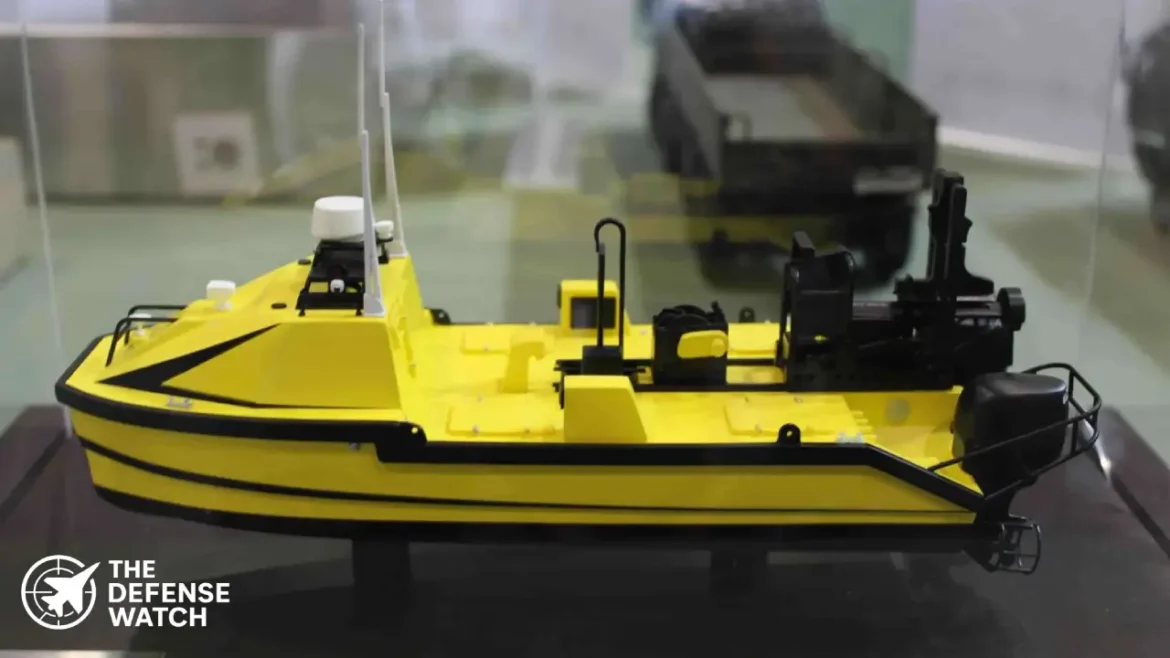
Bogotá, Colombia – December 2025 – At Expodefensa 2025, China unveiled its latest unmanned marine survey craft (USV) for the Latin American market, signaling growing interest in autonomous maritime technologies for coastal security and surveillance missions. The event, held in Bogotá, brought together defense and security experts from across the region, highlighting the increasing role of unmanned systems in modern naval operations.
Expanding Coastal Security Capabilities
China’s introduction of the USV at Expodefensa represents a strategic step toward exporting autonomous maritime technology to Latin America. Designed for comprehensive maritime surveillance, hydrographic mapping, and coastal security missions, the craft integrates advanced autonomous navigation systems, radar, and sonar sensors, enabling real-time monitoring of coastal zones without risking crewed vessels.
According to officials from the exhibiting Chinese company, the USV can operate in a variety of maritime environments, from shallow bays to open seas, providing continuous data collection and situational awareness. The platform is designed for modular payloads, allowing adaptation to specific mission requirements such as environmental monitoring, port security, or anti-smuggling operations.
Technological Features
The new craft features an AI-enabled navigation suite capable of autonomous route planning and obstacle avoidance. Its onboard radar and sonar systems allow for high-resolution seabed mapping and detection of underwater objects. With endurance reportedly exceeding 24 hours per mission, the USV can cover extensive areas along coastlines efficiently, reducing operational costs and increasing coverage compared to traditional crewed vessels.
Expodefensa organizers noted that this unveiling marks one of the first instances of a Chinese USV tailored specifically for Latin American coastal defense needs, reflecting a growing demand for autonomous naval systems in the region.
Regional Implications
Analysts observe that the introduction of Chinese USVs in Latin America could reshape regional maritime security operations. With increasing threats from illegal fishing, smuggling, and maritime crime, the adoption of autonomous systems offers smaller naval forces enhanced monitoring capabilities. Experts also highlight that USVs may complement traditional patrol vessels, enabling faster response times and persistent surveillance.
Future Prospects
The deployment of Chinese unmanned marine survey craft in Latin America may influence procurement trends across the region, with potential interest from multiple coastal nations exploring advanced, cost-effective maritime security solutions. Continued technological development could see the integration of additional sensors, communication systems, and autonomous decision-making capabilities, further extending operational effectiveness.
As autonomous maritime systems become more prevalent, Latin American navies may increasingly rely on USVs to enhance coastal protection and situational awareness, positioning them to respond more effectively to evolving maritime threats.