Executive Summary:
The United States Army and the Armed Forces of the Philippines have officially launched Exercise Salaknib 2026 at Fort Magsaysay. The annual training event focuses on interoperability, combat readiness, and multinational coordination as security concerns continue to shape the Indo-Pacific operating environment.
U.S. Army Expands Salaknib 2026 Exercise As Indo-Pacific Security Pressures Rise
The Salaknib 2026 military exercise has formally begun in the Philippines, bringing together U.S. and Philippine Army forces for one of their most significant annual bilateral training events.
The opening ceremony took place at Fort Magsaysay, a major Philippine military training facility that has become a central hub for increasingly complex joint exercises between Washington and Manila. According to the U.S. Army, Salaknib remains a cornerstone of the long-standing alliance between the two countries and is designed to improve operational coordination, readiness, and combined combat capabilities.
Military leaders from both nations emphasized the exercise’s role in strengthening interoperability across a range of operational scenarios, from conventional combat operations to multidomain missions involving land, air, cyber, and logistics elements.
Growing Scale And Complexity
Salaknib 2026 forms part of a broader cycle of U.S.-Philippine military engagement that also includes the larger Balikatan exercises. In recent years, both events have expanded significantly in scope as the two allies deepen defense cooperation across the Indo-Pacific region.
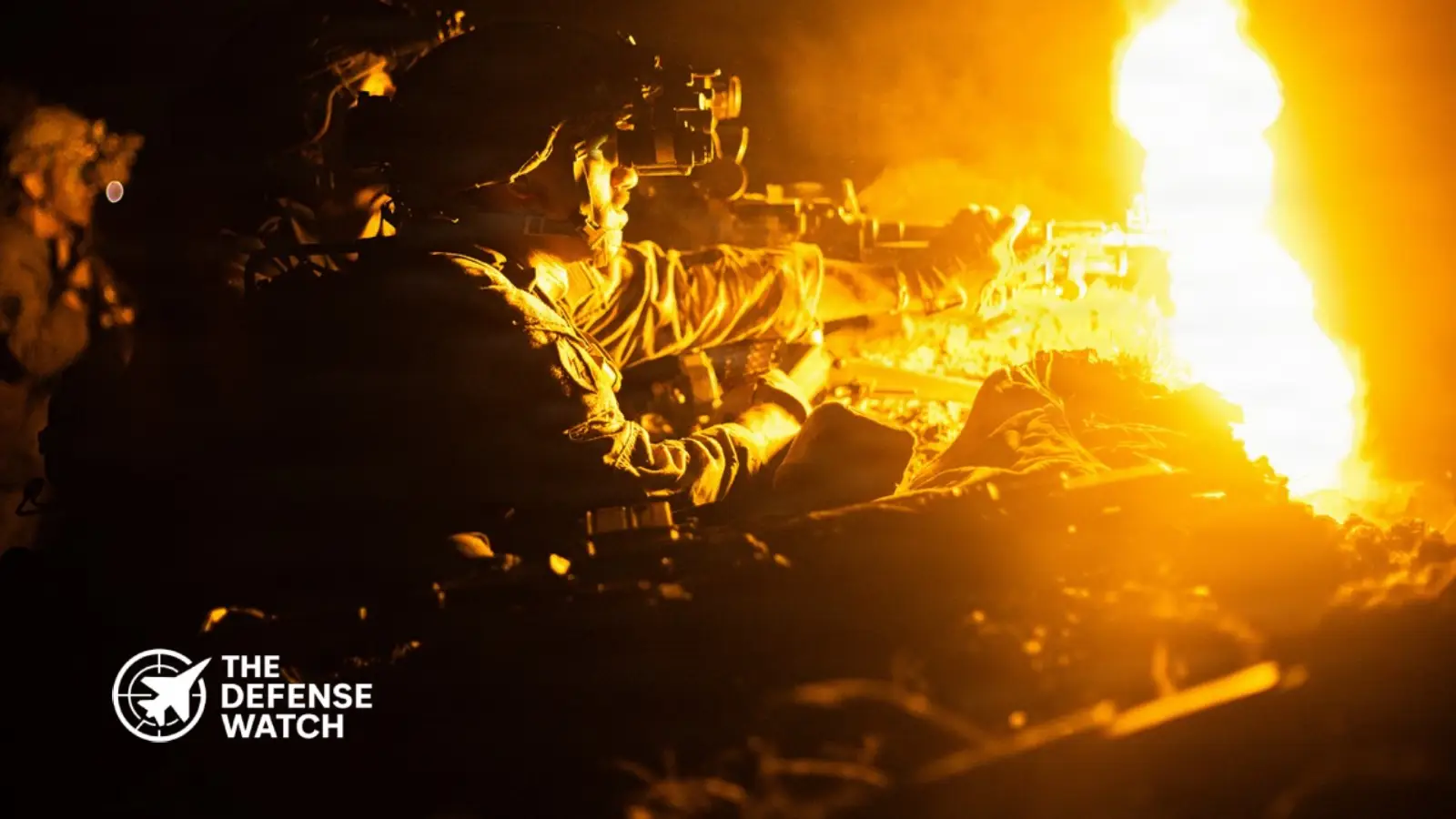
This year’s activities include realistic field training, command-and-control exercises, live-fire events, logistics operations, and multinational participation. Elements of the Joint Pacific Multinational Readiness Center Exportable (JPMRC-X) program have also been integrated into the exercise, allowing troops to train in complex operational environments that simulate modern battlefield conditions.
According to U.S. Army statements, the second phase of Salaknib 2026 involved forces from multiple partner nations operating alongside American and Philippine troops across Northern Luzon. Training focused on combined maneuver operations, rapid deployment, sustainment, and multidomain coordination.
The exercise reflects a broader trend within U.S. Indo-Pacific strategy, where allied forces are increasingly training together in realistic operational settings rather than conducting limited symbolic drills.
Strategic Importance In The Indo-Pacific
The launch of Salaknib 2026 comes amid heightened security competition across the Indo-Pacific.
While U.S. and Philippine officials consistently state that the exercise is not directed at any specific country, the growing scale of regional military activities reflects concerns over maritime security, freedom of navigation, and crisis response capabilities.
The Philippines occupies a strategically important position along key sea lanes and near several contested areas of the South China Sea. As a result, Manila has accelerated defense modernization efforts while expanding security cooperation with treaty allies and regional partners.
Recent exercises have featured increasingly advanced capabilities, including HIMARS rocket artillery, integrated air and missile defense activities, anti-armor operations, and multinational maritime drills. Reports from this year’s exercise cycle also highlighted the presence of emerging battlefield technologies, including unmanned systems and expeditionary support capabilities.
Another notable development occurred during related exercises earlier this year when U.S. forces reportedly conducted the first Tomahawk missile launch from the Philippines using the Army’s Typhon Mid-Range Capability system, underscoring the growing sophistication of U.S. force posture in the region.
Beyond Bilateral Training
One of the most significant aspects of Salaknib 2026 is its evolution beyond a purely bilateral event.
Japanese participation has continued to expand, while other regional and international partners have increasingly joined associated exercises throughout the Philippines. Military planners view these activities as essential for building interoperability among allied and partner forces that may be required to operate together during future contingencies.
The JPMRC-X component, in particular, allows units from different nations to conduct force-on-force training under demanding conditions that replicate operational challenges across the Indo-Pacific theater. U.S. Army officials described the exercise as an opportunity to refine multidomain tactics and strengthen coalition readiness.
Defense Cooperation Continues To Deepen
The continued expansion of Salaknib demonstrates how defense cooperation between Washington and Manila has evolved beyond traditional alliance management into a more operationally focused partnership.
For the Philippine Army, participation provides access to advanced training methodologies, emerging technologies, and multinational operational experience. For the United States, the exercise supports broader efforts to maintain a credible forward presence and strengthen regional partnerships across the Indo-Pacific.
As regional security dynamics continue to evolve, military exercises such as Salaknib 2026 are increasingly viewed as practical tools for improving readiness, enhancing deterrence, and ensuring allied forces can operate together effectively during potential crises.