

Executive Summary:
The United Kingdom has announced a major military contribution to a multinational mission aimed at protecting shipping through the Strait of Hormuz. The deployment includes Royal Navy destroyer HMS Dragon, Typhoon fighter jets, autonomous mine-hunting systems, and counter-drone capabilities as tensions in the Gulf continue to disrupt global trade and energy markets.
UK Expands Strait Of Hormuz Security Mission
The UK Strait of Hormuz mission marks one of Britain’s most significant recent military commitments in the Middle East, combining naval, air, and autonomous systems to protect one of the world’s most strategically important waterways.
During a virtual summit involving representatives from more than 40 nations, UK Defence Secretary John Healey confirmed Britain would contribute Typhoon fighter aircraft, advanced drone systems, mine-clearance specialists, and the Royal Navy destroyer HMS Dragon to a future multinational maritime security operation.
The Strait of Hormuz remains critical to global energy markets, with roughly one-fifth of the world’s oil shipments passing through the narrow maritime corridor. Continued regional instability and threats to commercial shipping have increased insurance costs, disrupted tanker routes, and intensified pressure on Western governments to guarantee freedom of navigation.
HMS Dragon And Typhoon Jets At The Center Of UK Deployment
The centerpiece of the British deployment is the Royal Navy Type 45 destroyer HMS Dragon, which is already moving toward the Middle East following additional mission preparation and systems calibration. The destroyer will be prepared for potential operations tied to maritime security in the Strait of Hormuz.
HMS Dragon carries the Sea Viper air defense system, designed to counter aircraft, missiles, and drone threats. Its deployment reflects growing concern over the use of unmanned systems and asymmetric maritime tactics in the Gulf region.
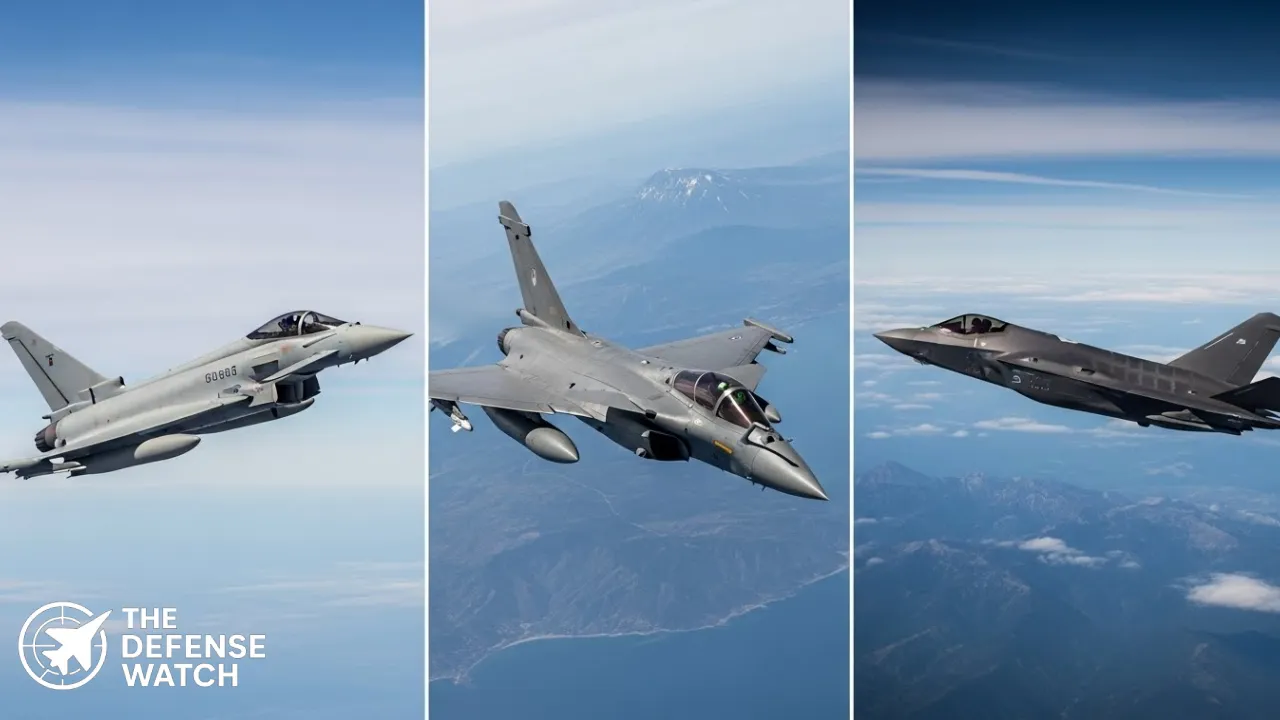
Alongside the destroyer, Britain is deploying Royal Air Force Typhoon fighter jets for air patrol operations over the strait. The aircraft have previously operated in Middle East missions and are expected to provide rapid-response air cover and surveillance support.
The UK government also confirmed new funding worth £115 million for autonomous mine-hunting and counter-drone systems. The package includes the Royal Navy’s Beehive modular system and Kraken autonomous drone boats designed to identify and neutralize maritime threats.
Why The Strait Of Hormuz Matters
The Strait of Hormuz remains one of the most contested maritime choke points in the world. Any prolonged disruption immediately affects global oil prices, shipping rates, and regional security calculations.
British officials described the upcoming multinational operation as defensive and focused solely on protecting commercial shipping. London also stressed the mission would operate independently while coordinating with allies and regional stakeholders.
The deployment also highlights how Western militaries are increasingly integrating autonomous technologies into naval operations. Mine-hunting drones, unmanned surface vessels, and counter-drone systems are becoming central tools for maritime security missions where traditional naval assets face persistent asymmetric threats.
From a strategic perspective, the mission demonstrates Britain’s continued effort to maintain relevance in Gulf security operations despite pressure on Royal Navy fleet numbers and defense resources. The use of unmanned systems allows the UK to expand operational capability without relying solely on larger surface combatants.
Growing Multinational Coordination
The UK and France have emerged as leading European contributors to the proposed maritime mission, while several allied nations are expected to provide surveillance, logistics, and naval support. Reuters reported that more than 1,000 British personnel are already stationed across the region supporting existing defensive operations, including counter-drone units and fast jet squadrons.
The British deployment comes as governments across Europe and the Gulf attempt to stabilize shipping lanes while avoiding further escalation in the wider regional conflict.
Defense analysts note that the operation could become an important test case for future coalition maritime security missions centered around unmanned systems, distributed surveillance, and integrated air defense networks.
Strategic Analysis
The UK Strait of Hormuz mission reflects a broader shift in modern naval strategy. Rather than relying only on large carrier groups or traditional mine countermeasure vessels, Britain is emphasizing hybrid naval operations built around drones, autonomous boats, and networked air defense systems.
That approach offers several operational advantages. Autonomous systems can remain deployed longer, reduce risks to personnel, and provide persistent surveillance in congested maritime environments. For the Royal Navy, the mission also provides an opportunity to validate new technologies under real-world operational conditions.
At the same time, the deployment underscores the continuing importance of the Gulf region to NATO-aligned maritime strategy. Even limited disruptions in the Strait of Hormuz can rapidly affect global energy markets, making freedom of navigation operations a strategic priority for Western governments.

