US Seizes Iranian Cargo Ship As Regional Tensions Rise
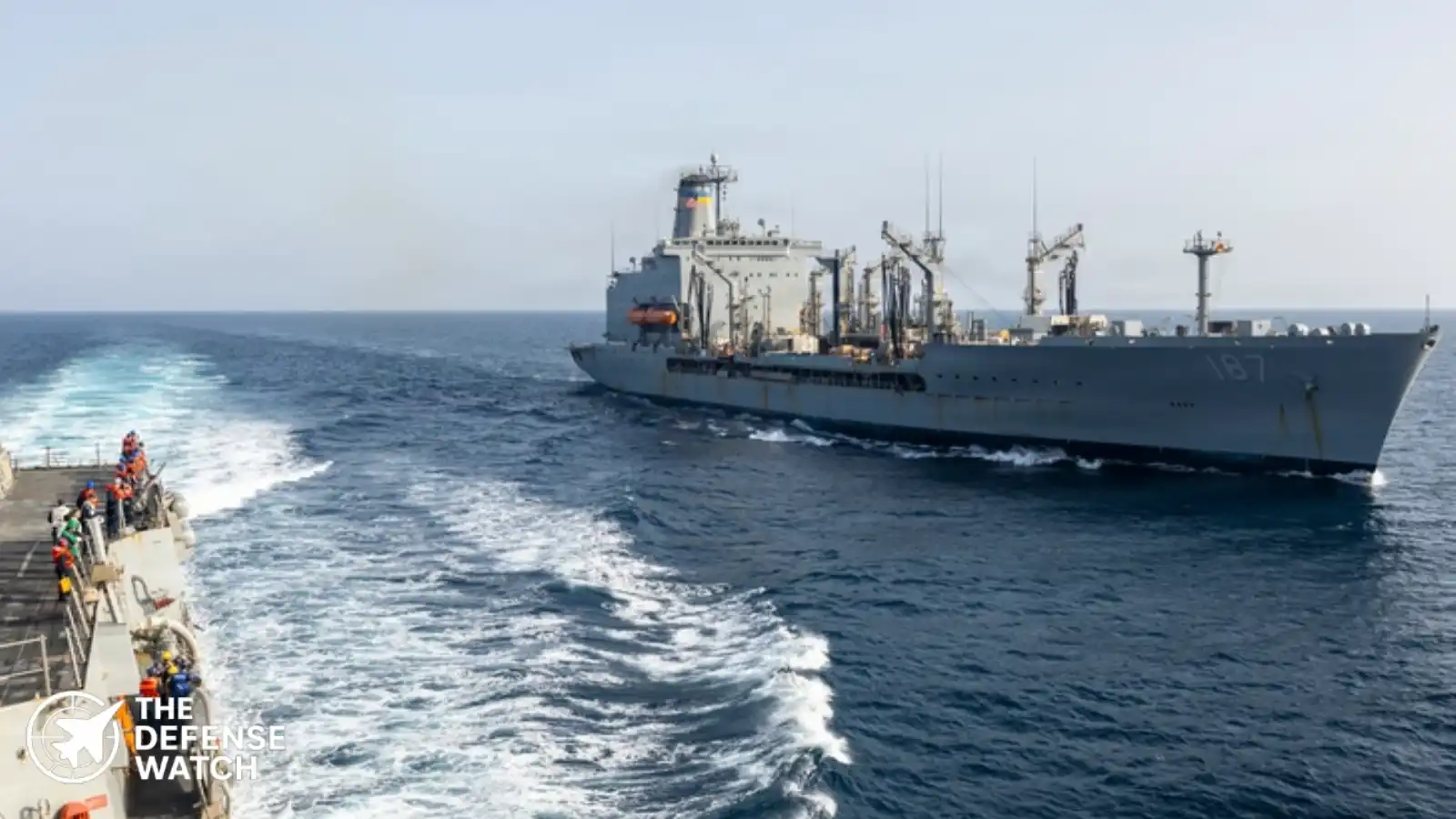
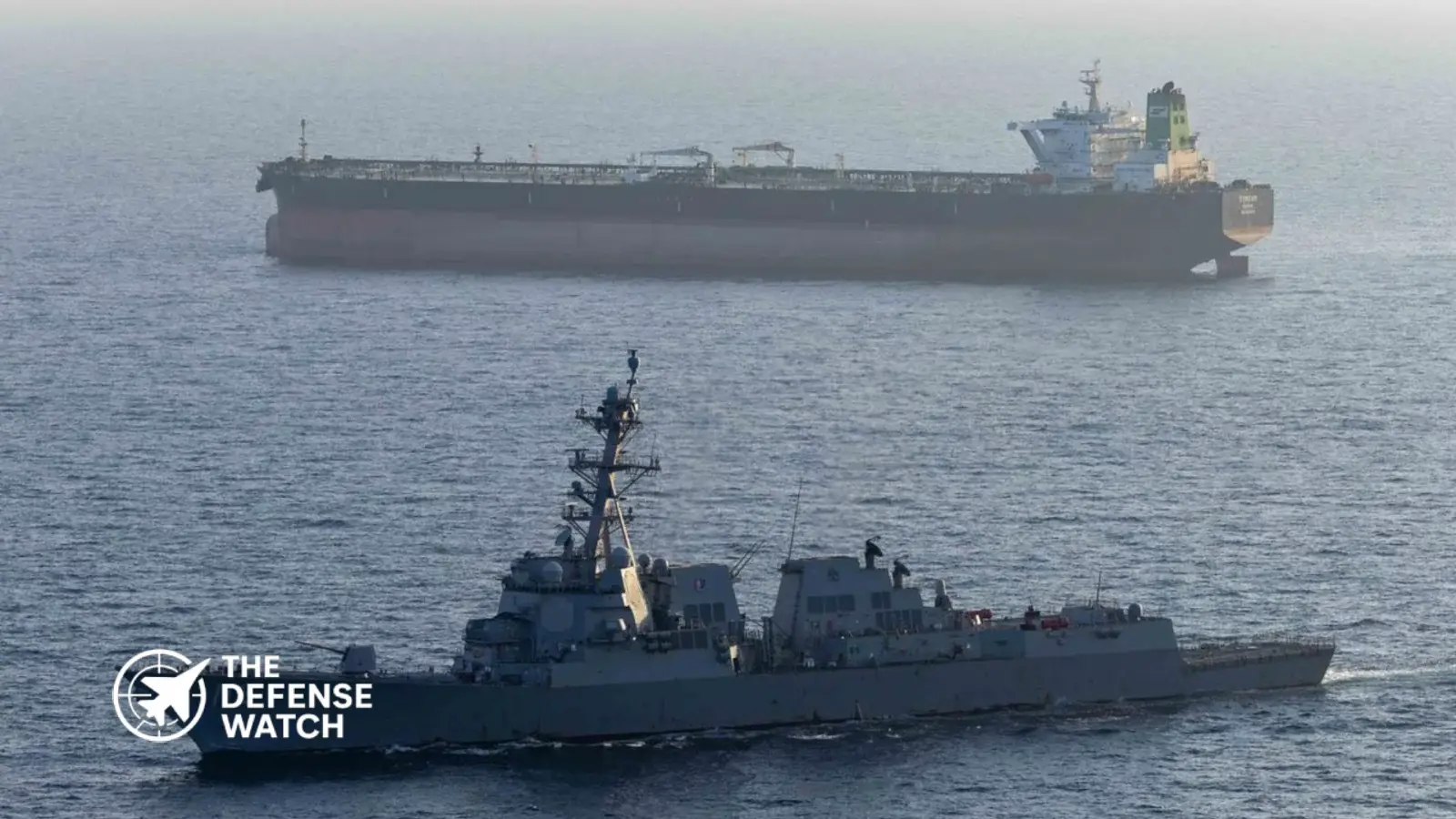
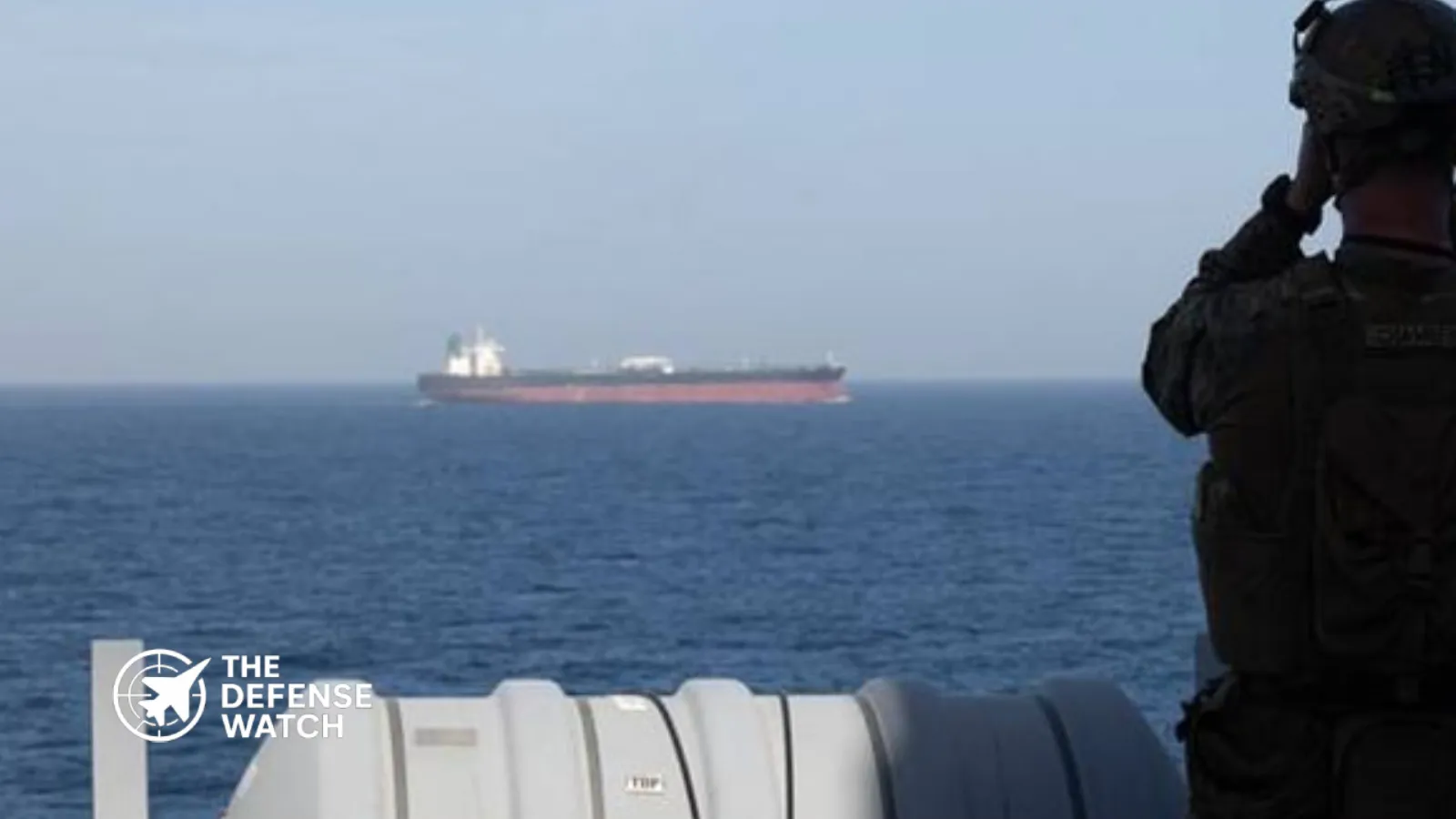
The US seizes Iranian cargo ship story has quickly become the most serious challenge yet to the fragile ceasefire between Washington and Tehran. U.S. officials said naval forces intercepted and took control of an Iranian vessel that allegedly attempted to bypass an American blockade, while Iran responded with threats of retaliation.
The confrontation comes only days before the temporary ceasefire is due to expire, creating new uncertainty across the Middle East and global energy markets.
- U.S. forces seized an Iranian cargo vessel accused of attempting to breach a maritime blockade.
- Iran condemned the move as armed piracy and warned retaliation would follow.
- Tehran said it would not join planned follow-on negotiations before the ceasefire deadline.
- The Strait of Hormuz remains under pressure, threatening global oil flows.
- The incident increases the risk of renewed military escalation across the Gulf region.
What Happened At Sea
Reuters reported the vessel was intercepted after the United States said it attempted to run the blockade imposed on Iranian ports. U.S. officials have framed the operation as enforcement of sanctions and maritime controls. Iran rejected that narrative, calling the seizure unlawful and provocative.
The incident reportedly occurred near the Gulf of Oman, close to the strategically vital Strait of Hormuz, one of the world’s most important oil transit chokepoints.
From a military standpoint, boarding and capturing a state-linked cargo vessel is a serious escalation. It signals Washington is prepared to use direct naval power to enforce pressure, not just economic sanctions.
Why The Strait Of Hormuz Matters
Roughly one-fifth of global oil shipments normally pass through the Strait of Hormuz. Any disruption there can rapidly affect fuel prices, shipping insurance costs, and naval deployments. Reuters noted that the waterway has already seen repeated restrictions during the current crisis.
This means the US seizes Iranian cargo ship incident is larger than a single maritime event. It directly impacts:
- Global oil supply confidence
- Commercial tanker traffic
- U.S. Navy regional posture
- Gulf Arab security planning
- Insurance and freight rates
Even limited friction in Hormuz can create outsized economic effects.
Ceasefire Talks Now In Doubt
Reuters said Iran announced it would not participate in a second round of planned negotiations that Washington hoped would begin before the ceasefire deadline.
That is a significant warning sign. Diplomatic channels often survive military incidents, but refusal to attend talks suggests both sides are hardening positions.
Pakistan had reportedly been preparing to host discussions, showing that outside powers remain interested in containing escalation. If talks collapse, military signaling at sea may become the main form of communication between both sides.
Defense Analysis: What Comes Next
The most immediate risk is retaliatory maritime action. That could include vessel harassment, missile threats, drone surveillance, or renewed disruption of shipping lanes.
The United States likely seeks deterrence through visible enforcement. Iran, however, may calculate that failing to respond weakens its regional credibility.
This raises the danger of tactical incidents spiraling into broader conflict, especially in congested waters where naval, commercial, and proxy actors operate close together.
Strategic Outlook
The US seizes Iranian cargo ship episode highlights a broader reality: ceasefires without a political framework are often temporary pauses, not lasting settlements.
Unless both sides restore talks quickly, the Gulf could enter another cycle of blockade pressure, naval confrontation, and economic shock.
For defense planners, the lesson is clear. Maritime chokepoints remain among the fastest ways regional crises become global crises.