atOptions = { ‘key’ : ‘3d48d603f906e3fe9f205be3c4433835’, ‘format’ : ‘iframe’, ‘height’ : 250, ‘width’ : 300, ‘params’ : {} };Executive Summary:
Australia has designated domestic guided weapons and explosive ordnance production as one of seven Sovereign Defence Industrial Priorities in its 2026 Defence Industry Development Strategy. The move accelerates existing efforts under the Guided Weapons and Explosive Ordnance (GWEO) Enterprise, including local assembly and component manufacturing of GMLRS rockets and Naval Strike Missiles. The initiative aims to reduce reliance on distant supply chains, deepen stockpiles, and enhance interoperability with allies for sustained operations in the Indo-Pacific.
Australia’s Push for Sovereign Missile Capability
Australia is making guided missile and munitions production a central pillar of its 2026 defence industry policy to support long-range strike and maritime denial capabilities essential for Indo-Pacific deterrence. The 2026 Defence Industry Development Strategy explicitly lists guided weapons and explosive ordnance among the nation’s sovereign industrial priorities for the next two to five years.
This policy builds directly on the Guided Weapons and Explosive Ordnance (GWEO) Enterprise, backed by investments of A$26-36 billion over the decade according to the 2026 Integrated Investment Program. It reflects lessons from ongoing conflicts regarding the critical need for resilient munitions supply in high-intensity scenarios.
Technical and Industrial Developments
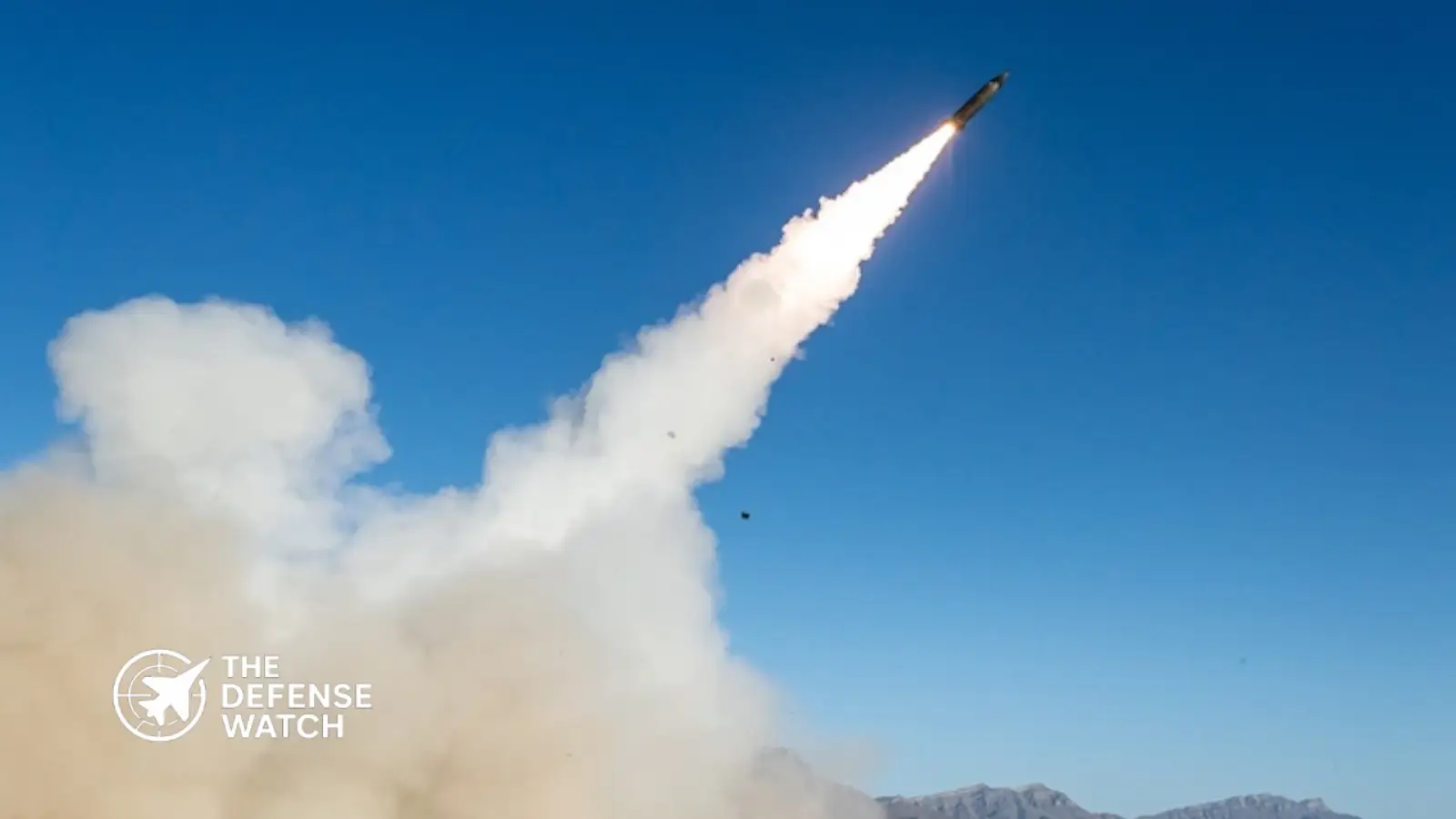
Two major programs anchor Australia’s current efforts. Lockheed Martin Australia has established production at Port Wakefield in South Australia, the first facility outside the United States capable of producing Guided Multiple Launch Rocket System (GMLRS) munitions. Australian engineers, trained in the U.S., have begun final assembly of GMLRS all-up rounds and launch pod containers, with live-fire demonstrations already conducted.
Key GMLRS/HIMARS Elements in Australian Service:
- GMLRS: Precision-guided rocket with ranges exceeding 70 km standard, extended variants beyond 150 km.
- PrSM (Precision Strike Missile): Longer-range ballistic option up to 500+ km, compatible with HIMARS launchers.
- Production Goal: Scaling toward high-rate capacity of up to 4,000 GMLRS per year by 2029 at dedicated facilities.
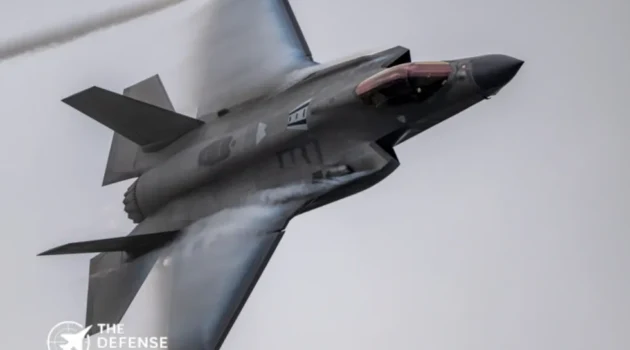
Complementing this, Kongsberg Defence Australia is constructing a missile factory near Williamtown, New South Wales. The facility will manufacture and maintain Naval Strike Missile (NSM) and Joint Strike Missile (JSM) systems, with production slated to commence in 2027. The NSM offers high-subsonic sea-skimming anti-ship and land-attack capability with a range exceeding 300 km, while the JSM variant integrates with the F-35A internal weapons bay.
Operational and Strategic Context
Australia’s geography demands robust long-range fires to control maritime approaches and support denial operations. HIMARS-equipped units, accelerated under recent investments including A$1.6 billion for additional launchers, provide mobile, precision strike options. Domestic production capacity allows for faster replenishment and potential customization while maintaining allied certification standards.
Analysis: Implications for U.S. and Allied Strategy
From a U.S. perspective, Australia’s GWEO progress strengthens the integrated deterrence network in the Indo-Pacific. By developing local component manufacturing—such as Moog Australia’s work on GMLRS control actuation systems and AW Bell’s production of canards and housings—Australia diversifies supply chains vulnerable to disruption in a Taiwan or South China Sea contingency.
This reduces the burden on U.S. production lines during simultaneous demands. It also enhances interoperability: Australian-produced munitions must integrate seamlessly with U.S. HIMARS, F-35 fleets, and naval systems. Success here could serve as a model for other allies, fostering a more distributed and resilient Western munitions industrial base.
Technical hurdles remain significant. Full sovereign production requires mastering rocket motors, advanced seekers, secure software, and rigorous testing regimes under Australian environmental conditions. Export controls and technology transfer agreements with the U.S. and Norway continue to shape the pace of indigenization. Nevertheless, the 2026 strategy signals sustained political commitment, with workforce development and grants totaling additional hundreds of millions of dollars.
(adsbygoogle = window.adsbygoogle || []).push({});The emphasis on certification ensures that locally produced weapons contribute meaningfully to coalition operations rather than creating parallel, incompatible inventories. In a prolonged conflict, the ability to surge production and perform in-country maintenance could prove decisive for ADF sustainment.
Broader Defence Industry Framework
The 2026 Defence Industry Development Strategy sets targets for primes to expand the defence workforce, prioritizes apprenticeships, and provides A$80 million in new grants through 2030. It promotes stronger international partnerships while building domestic resilience, aligning with the National Defence Strategy’s focus on self-reliance within an alliance framework.
This approach positions Australia not only as a consumer but as a potential contributor to regional security, including through future exports to partners.