(adsbygoogle = window.adsbygoogle || []).push({});Executive Summary:
Russia has started delivering the fourth regiment of the S-400 air defense system to India under a $5.43 billion contract signed in 2018. The shipment strengthens India’s layered air and missile defense network and highlights the enduring strategic defense relationship between Moscow and New Delhi despite geopolitical pressures.
Russia Continues S-400 Air Defense Deliveries To India
The S-400 air defense system remains a central pillar of India’s long range air and missile defense modernization strategy as Russia begins delivery of the fourth regimental set under the countries’ landmark defense agreement. According to defense industry reporting, the first batch of equipment from the fourth regiment arrived by sea on June 3, with full delivery expected by December 2026.
The shipment follows acceptance testing by Indian Air Force personnel in Russia in April and forms part of a broader contract covering five S-400 regimental sets. The agreement, valued at approximately $5.43 billion, was signed in 2018 between India and Russia’s state arms exporter, Rosoboronexport.
India has already deployed three S-400 regiments received between 2021 and 2023, with the fourth unit expected to enhance air defense coverage along the country’s western sector. The final regiment is scheduled for delivery later in 2026, completing one of India’s largest foreign military procurement programs.
-
(adsbygoogle = window.adsbygoogle || []).push({});
What The S-400 Brings To India’s Defense Network
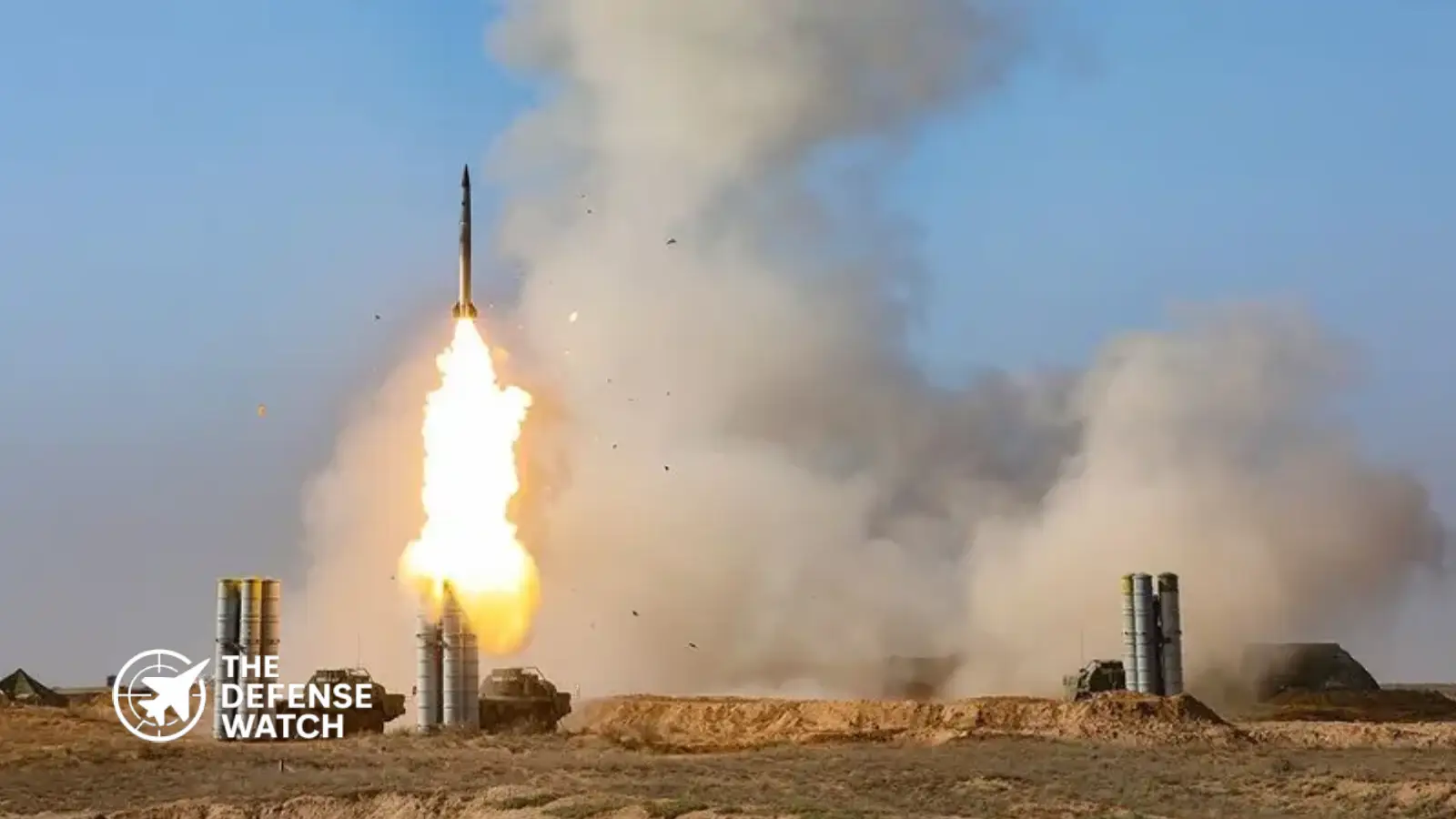
The Russian-made S-400 air defense system is designed to detect, track, and engage a broad spectrum of aerial threats, including fighter aircraft, cruise missiles, unmanned aerial systems, and certain ballistic missile targets.
According to available program details, the delivered regiment includes:
- 91N6E long-range surveillance radar
- 92N6E engagement and guidance radar
- 96L6E all-altitude detection radar
- Multiple transporter-erector-launchers
- A mix of missile interceptors covering various engagement ranges
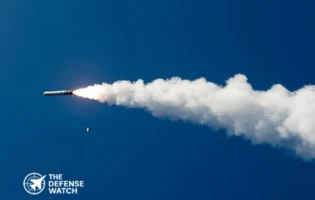
The system can employ several missile types, including the 40N6 interceptor with a reported engagement range of up to 400 kilometers. Other missile variants provide medium and short range coverage, creating a layered defensive architecture capable of engaging multiple targets simultaneously.
This capability has made the S-400 one of the most sought-after long-range surface-to-air missile systems globally and a key component of India’s integrated air defense strategy.
(adsbygoogle = window.adsbygoogle || []).push({});India Signals Continued Investment In S-400 Capabilities
Beyond the original contract, India appears committed to expanding its investment in the platform. In March 2026, India’s Defence Acquisition Council reportedly approved the acquisition of five additional S-400 regimental sets as part of a wider military procurement package valued at roughly $25 billion.
Indian authorities have also approved purchases of additional interceptor missiles for existing S-400 units, reinforcing operational readiness and inventory depth. These decisions indicate that New Delhi views the system as a long-term component of its national air defense architecture.
The move comes as India continues balancing foreign acquisitions with domestic modernization programs, including indigenous missile defense initiatives intended to reduce long-term dependence on imported systems.
(adsbygoogle = window.adsbygoogle || []).push({});Strategic Significance Beyond The Hardware
The ongoing deliveries carry significance beyond military capability alone. The S-400 program has become a prominent example of the resilience of India-Russia defense ties despite sanctions pressure and shifting geopolitical dynamics.
For years, U.S. policymakers have expressed concerns regarding major Russian defense purchases under the Countering America’s Adversaries Through Sanctions Act (CAATSA). Nevertheless, India has maintained that the acquisition serves critical national security requirements and remains essential to its deterrence posture.
Russia continues to be a major defense supplier to India, although New Delhi has increasingly diversified procurement toward partners including the United States, France, Israel, and domestic industry. The continued execution of the S-400 contract demonstrates that legacy defense partnerships remain influential even as India’s broader procurement strategy evolves.
(adsbygoogle = window.adsbygoogle || []).push({});Analysis: A Critical Layer In India’s Air Defense Modernization
The arrival of the fourth S-400 regiment reflects more than the fulfillment of a long-running contract. It underscores India’s effort to build a layered, multi-domain defense network capable of addressing increasingly complex regional security challenges.
From a military perspective, the S-400 provides extended engagement ranges and improved target tracking capacity that complement India’s existing air defense assets. From an industrial perspective, the program highlights Russia’s ability to sustain strategic defense exports despite sanctions and ongoing international pressures.
As the final regiment approaches delivery and discussions continue regarding additional acquisitions, the S-400 is likely to remain a cornerstone of India’s air and missile defense posture throughout the coming decade.