Executive Summary:
Switzerland’s planned acquisition of the F-35A fighter jet is facing renewed political and financial scrutiny as projected lifecycle costs continue to rise. Critics are questioning whether the aircraft’s operational requirements, sustainment expenses, and interoperability commitments align with Swiss defense needs and long term budget priorities.
Switzerland’s F-35A Acquisition Faces Renewed Scrutiny
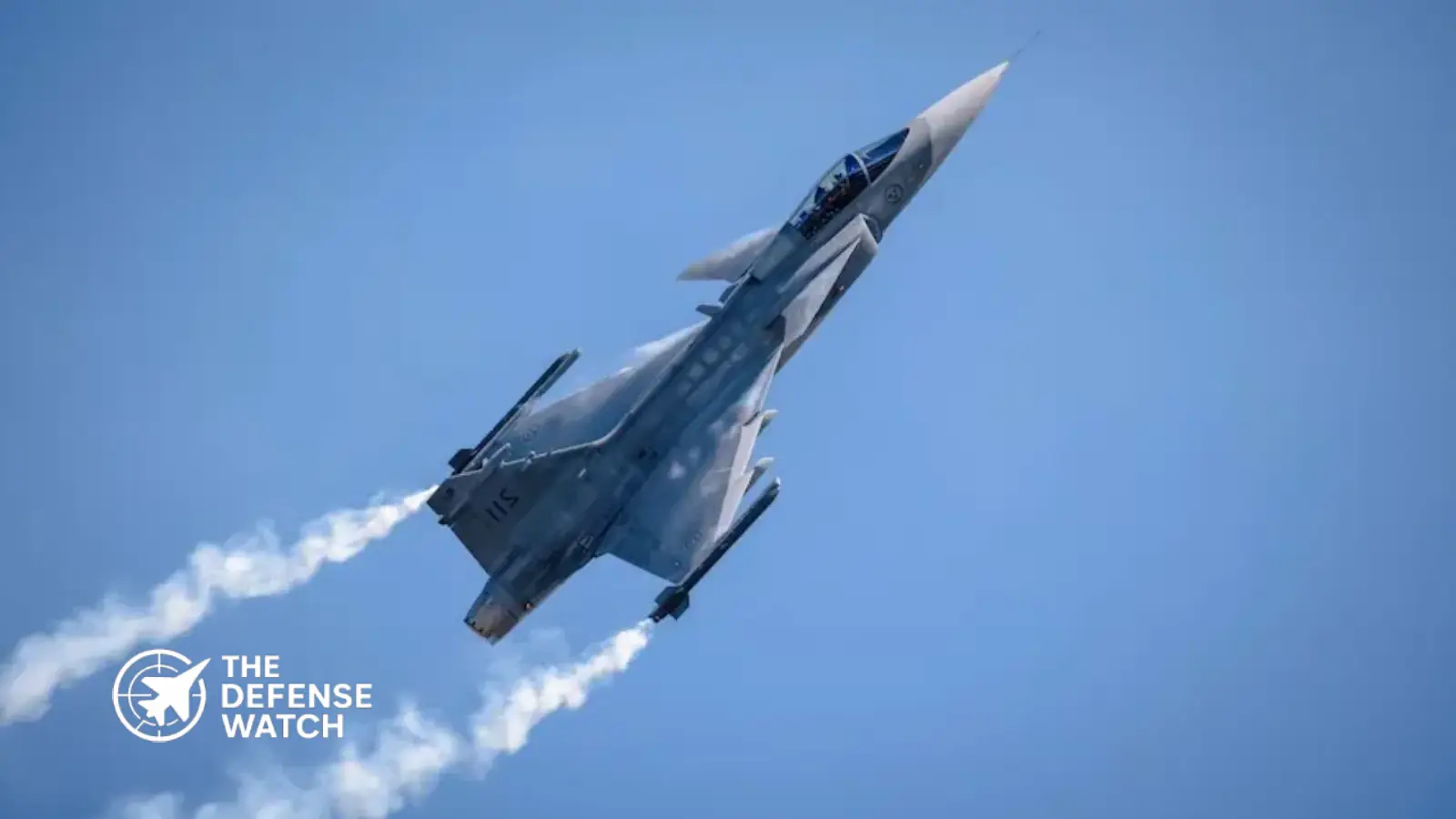
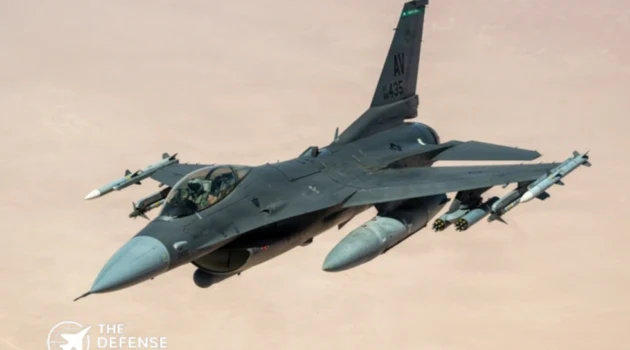
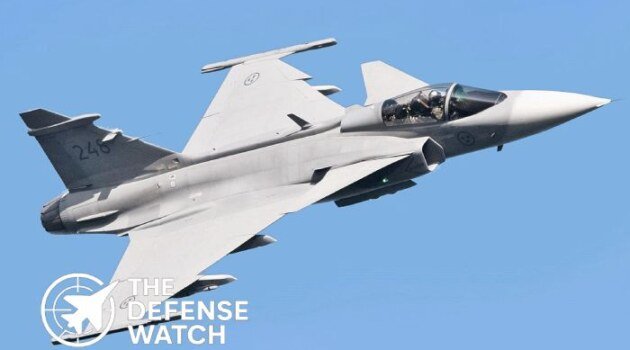
Switzerland’s F-35A fighter aircraft program is under increasing pressure as defense officials, lawmakers, and political groups debate the long term affordability and operational suitability of the stealth fighter for the Swiss Air Force.
The debate follows fresh concerns over escalating procurement and sustainment costs tied to the planned acquisition of the Lockheed Martin F-35A Lightning II. Questions have also emerged regarding maintenance dependency, software sovereignty, infrastructure requirements, and future operating expenses.
The Swiss government selected the F-35A in 2021 to replace the country’s aging fleet of F/A-18 Hornets and F-5 Tiger aircraft. The selection followed a competitive evaluation process involving the Dassault Rafale, Eurofighter Typhoon, and Boeing F/A-18E/F Super Hornet.
Swiss authorities argued at the time that the F-35A offered the best balance of capability, survivability, and projected operating costs. However, critics now claim the overall financial burden may exceed earlier government estimates.
Rising Lifecycle Costs Drive Political Debate
Much of the current controversy centers on projected lifecycle and sustainment expenses rather than the initial acquisition value alone.
Defense analysts and opposition politicians have raised concerns that long term maintenance, software upgrades, logistics support, and infrastructure modernization could significantly increase the overall cost of ownership over the aircraft’s service life.
The F-35 program relies heavily on centralized software management, secure data systems, and international sustainment networks led by the United States. For a non NATO country like Switzerland, this has fueled debate over operational autonomy and strategic dependence.
Swiss officials continue to maintain that the acquisition remains within contractual limits, but political pressure has intensified amid broader European defense spending increases and inflation driven procurement challenges.
The discussion reflects a wider trend affecting multiple F-35 operators worldwide. Several countries operating or evaluating the aircraft have encountered questions regarding sustainment costs, spare parts availability, maintenance complexity, and readiness rates.
Capability Questions Extend Beyond Cost
While the F-35A is widely recognized for its stealth characteristics, sensor fusion, and network centric warfare capabilities, some Swiss critics argue that the aircraft may exceed the operational needs of Switzerland’s air defense mission.
Switzerland’s military posture focuses primarily on territorial defense, air policing, and national sovereignty operations rather than expeditionary warfare. Critics argue that a high end fifth generation fighter optimized for contested battlespace operations may provide capabilities beyond the country’s immediate strategic requirements.
Supporters of the acquisition counter that the future threat environment requires advanced survivability and interoperability features. They argue that the F-35A’s sensor integration and data sharing capabilities could strengthen Swiss air defense effectiveness for decades.
The debate also highlights a broader European discussion regarding the balance between advanced capability and sustainable defense spending.
European Defense Environment Shapes Procurement Decisions
The security environment across Europe has changed dramatically since Switzerland approved the F-35A purchase. Russia’s war in Ukraine, NATO force modernization efforts, and rising regional defense investments have accelerated demand for advanced combat aircraft across the continent.
Several European nations, including Finland, Germany, Poland, and Belgium, have either acquired or expanded F-35 fleets in recent years.
Supporters of Switzerland’s acquisition argue that joining a broader European F-35 user community improves interoperability, training access, logistics coordination, and future upgrade pathways.
At the same time, critics warn that dependence on increasingly expensive Western defense systems could place long term strain on smaller national defense budgets.
This tension between capability and affordability is becoming a defining issue in modern military procurement decisions across Europe.
Swiss Government Continues To Defend The Program
Swiss defense officials continue to defend the F-35A selection process, emphasizing that the aircraft achieved the highest evaluation score during technical and operational assessments.
Authorities also argue that fixed price arrangements for the procurement phase provide a degree of cost certainty despite broader inflation pressures affecting the global defense sector.
Nevertheless, domestic political opposition remains active, and public debate surrounding the aircraft is likely to continue as implementation progresses.
The outcome of the debate may shape future Swiss defense procurement policy, particularly regarding foreign military dependency, industrial participation, and long term modernization priorities.
Strategic Analysis
The controversy surrounding Switzerland’s F-35A acquisition reflects a broader shift in global defense procurement dynamics. Modern combat aircraft increasingly function as integrated digital warfare platforms rather than standalone fighters. That transition introduces new financial and sovereignty considerations for smaller states.
For countries with limited defense budgets and narrowly focused operational missions, the challenge is no longer simply purchasing advanced aircraft. It is sustaining the ecosystem required to operate them effectively over decades.
The Swiss case demonstrates how fifth generation fighter programs can evolve from military procurement decisions into national political debates involving budget priorities, technological dependence, and strategic identity.
As more nations adopt the F-35 platform, scrutiny over sustainment affordability and operational flexibility is likely to intensify.
Executive Summary
The U.S. Army has tested a next generation battlefield network designed to connect AH 64 Apache helicopters directly with ground forces in real time. The effort aims to improve targeting, situational awareness, and combat coordination across multi domain operations as the Army modernizes for future high intensity conflicts.
U.S. Army Advances Battlefield Networking With Apache Integration
The U.S. Army battlefield network modernization effort took another step forward after the service tested a new communications architecture linking AH 64 Apache attack helicopters with ground combat forces.
The demonstration focused on improving real time information sharing between aviation units and soldiers operating on the ground. The initiative reflects the Army’s broader push toward integrated multi domain warfare and faster battlefield decision making.
The testing effort centered on enabling Apache crews to exchange operational data directly with tactical ground units, reducing delays in identifying threats and coordinating combat actions. The Army continues to prioritize resilient battlefield communications as modern conflicts increasingly depend on rapid data transmission and network survivability.
Why The Battlefield Network Matters
The U.S. Army battlefield network has become a core pillar of the service’s modernization strategy. Future combat operations are expected to involve highly contested electromagnetic environments where communications systems may face jamming, cyber attacks, and degraded connectivity.
By integrating airborne and ground assets into a unified network, commanders can shorten sensor to shooter timelines and improve operational awareness across dispersed formations. In practical terms, this allows Apache helicopter crews to identify threats, transmit targeting data, and coordinate with troops on the ground more efficiently.
The Army has repeatedly emphasized that future warfare will require seamless coordination between manned aircraft, drones, artillery systems, armored units, and command elements. The latest network testing appears designed to support that broader operational concept.
The AH 64 Apache remains one of the Army’s primary attack helicopter platforms. Built for reconnaissance, close air support, and anti armor missions, the aircraft continues to receive upgrades focused on sensors, weapons integration, and digital connectivity.
Multi Domain Operations Drive Army Modernization
The Army’s modernization strategy increasingly revolves around Multi Domain Operations, often referred to as MDO. The doctrine focuses on synchronizing military capabilities across land, air, sea, cyber, and space domains to counter technologically advanced adversaries.
Integrated battlefield networking plays a critical role in that concept. Without secure and reliable communications, forces may struggle to coordinate precision strikes, electronic warfare activities, or intelligence sharing during high intensity combat.
The latest testing effort also aligns with the Army’s broader investments in command and control modernization. Programs tied to tactical data sharing, artificial intelligence assisted targeting, and resilient communications infrastructure have received increased attention in recent years.
Analysts note that lessons learned from conflicts in Eastern Europe and the Middle East continue to influence U.S. military modernization priorities. The importance of rapid battlefield intelligence distribution, drone integration, and survivable communications networks has become increasingly clear in modern combat operations.
Apache Helicopters Remain Central To Army Combat Operations
The AH 64 Apache continues to serve as a critical component of U.S. Army aviation forces. The aircraft has undergone multiple upgrades since entering service, including improved radar systems, enhanced targeting capabilities, and expanded networking functions.
The latest battlefield network testing demonstrates how the Army is seeking to evolve the Apache beyond its traditional attack role into a more connected battlefield node capable of sharing intelligence across the force.
The service has also explored integrating manned and unmanned teaming concepts, allowing Apache crews to work alongside drones for reconnaissance and targeting support. Combining those capabilities with advanced networking systems could significantly expand operational flexibility during future combat scenarios.
Defense officials have consistently argued that data connectivity and decision speed will be decisive factors in future conflicts against peer adversaries. As a result, networking upgrades are increasingly viewed as equally important as weapons modernization.
Strategic Implications For Future Warfare
The U.S. Army battlefield network initiative reflects a wider Pentagon effort to create interconnected combat ecosystems capable of operating under contested conditions.
Modern military operations increasingly depend on distributed sensors, real time intelligence, and rapid targeting cycles. Linking helicopters, armored vehicles, infantry units, and command centers through resilient networks could provide operational advantages in future conflicts.
The Army’s latest testing also underscores the growing overlap between aviation modernization and digital warfare capabilities. Platforms are no longer evaluated solely by firepower or survivability, but also by their ability to collect, process, and distribute data across the battlefield.
While the Army has not released full technical details regarding the network architecture tested, the demonstration signals continued momentum behind next generation command and control initiatives.
Executive Summary:
Britain participated in a multinational nuclear security mission in Venezuela alongside the International Atomic Energy Agency (IAEA) and regional partners. The effort focused on improving preparedness against radiological and nuclear security threats while reinforcing international cooperation in Latin America.
Britain Nuclear Security Mission Highlights International Cooperation
The Britain nuclear security mission in Venezuela marks another example of growing international coordination on radiological and nuclear security preparedness. The mission, supported by the International Atomic Energy Agency, brought together experts from several countries to assess emergency response capabilities and strengthen operational coordination.
British specialists joined counterparts in Venezuela as part of a broader effort to improve regional resilience against potential nuclear or radiological incidents.
The exercise reportedly focused on evaluating procedures related to detection, response coordination, information sharing, and protection of critical infrastructure linked to radiological materials. Such missions are increasingly viewed as essential components of international security cooperation, particularly as governments seek to reduce vulnerabilities tied to illicit trafficking and unauthorized use of radioactive substances.
Why Nuclear Security Missions Matter
While Venezuela does not possess nuclear weapons, the country participates in international frameworks designed to secure radioactive sources used in medicine, research, and industrial sectors. These materials can pose significant security risks if improperly handled or acquired by criminal organizations.
The IAEA has expanded its global engagement in recent years to help countries strengthen safeguards, improve regulatory systems, and train emergency response personnel. Britain’s participation reflects London’s continuing role in supporting international nonproliferation and nuclear security initiatives beyond Europe.
The United Kingdom has long maintained close cooperation with the IAEA through technical assistance programs, nuclear safeguards expertise, and counterproliferation initiatives. British specialists frequently contribute to multinational exercises designed to test readiness for radiological emergencies and cross-border security incidents.
From a geopolitical perspective, the mission is notable because it involved engagement in Latin America at a time when international security cooperation in the region is becoming more complex. Governments across the Americas are increasingly focused on combating transnational crime networks that could exploit weaknesses in border security or hazardous material controls.
Regional Security And Strategic Implications
The Venezuela nuclear security exercise also highlights how nuclear security has evolved beyond traditional state-to-state deterrence concerns. Modern nuclear security planning now places greater emphasis on protecting civilian-use radioactive materials, securing transportation networks, and improving intelligence sharing.
For Western governments, including the United Kingdom, participation in these exercises serves multiple purposes. It supports international stability, reinforces diplomatic engagement, and demonstrates commitment to global nonproliferation standards.
The mission additionally underscores the importance of technical diplomacy. Even amid broader geopolitical tensions, nuclear safety and radiological protection remain areas where international organizations continue to encourage cooperation among diverse governments.
Analysts note that multinational exercises help establish operational familiarity between agencies before a real-world crisis occurs. That preparation can significantly improve response speed and reduce confusion during an emergency involving hazardous materials.
The Britain nuclear security mission may also reflect broader efforts by Western partners to maintain influence and engagement across Latin America through technical and security cooperation rather than solely through military deployments.
IAEA Continues Expanding Global Nuclear Security Programs
The International Atomic Energy Agency has steadily expanded its nuclear security activities over the past decade. These programs include training exercises, cyber protection for nuclear facilities, border monitoring systems, and support for member states handling radioactive materials.
The organization has repeatedly warned that radiological threats remain a global concern, particularly as non-state actors continue seeking access to hazardous materials that could be used in disruptive attacks or criminal activities.
Britain’s involvement in the Venezuela mission aligns with wider Western support for the IAEA’s technical cooperation agenda. London continues to position itself as a major contributor to international nuclear governance, particularly following renewed global focus on strategic stability and nuclear risk reduction.
Although the mission was not military in nature, it demonstrates how security cooperation increasingly overlaps with diplomatic, technical, and emergency response domains. That trend is likely to continue as governments place greater emphasis on resilience against unconventional threats.
Strategic Analysis
The Britain nuclear security mission illustrates a broader shift in how governments approach global security challenges. Nuclear preparedness is no longer limited to strategic weapons programs or major military powers. Instead, attention is increasingly directed toward protecting civilian nuclear infrastructure, preventing illicit trafficking, and ensuring rapid multinational coordination during emergencies.
For the United Kingdom, participation in these exercises supports several strategic objectives simultaneously. It reinforces Britain’s role within international security institutions, strengthens technical partnerships abroad, and maintains operational expertise among British nuclear specialists.
The exercise also demonstrates the growing relevance of soft-security engagement in geopolitically sensitive regions. Technical cooperation missions often provide governments with channels for diplomatic engagement that remain viable even when broader political relations are strained.
As nuclear security concerns evolve, multinational preparedness missions are expected to remain an important element of international stability efforts.
Executive Summary:
U.S. Central Command chief Adm. Brad Cooper told Congress that Operation Epic Fury severely degraded Iran’s missile, naval, and drone capabilities in under 40 days. The campaign also strengthened military coordination between the United States and key Middle Eastern partners, including Saudi Arabia, Qatar, and the UAE.
Operation Epic Fury Reshaped CENTCOM’s Iran Strategy
Operation Epic Fury has become the centerpiece of current U.S. military operations in the Middle East, with senior Pentagon leaders claiming the campaign significantly weakened Iran’s ability to threaten regional stability.
Speaking before the Senate Armed Services Committee in Washington, Brad Cooper said U.S. Central Command forces achieved their operational objectives in less than 40 days. According to Cooper, the campaign targeted Iran’s ability to project military power beyond its borders and reduced threats against U.S. forces and regional allies.
The CENTCOM commander stated that Iran’s conventional missile capacity has been heavily degraded following sustained U.S. operations. He referenced large-scale Iranian missile attacks against Israel in April and October of last year, arguing Tehran no longer retains the same operational scale or launch capacity.
According to Cooper, approximately 90% of Iran’s defense industrial base connected to missile, drone, and naval production has been destroyed or rendered ineffective. He also assessed that Iran’s navy could require between five and ten years to rebuild its operational capabilities.
The remarks represent one of the most detailed public U.S. military assessments so far regarding the impact of Operation Epic Fury.
Missile, Drone, And Naval Infrastructure Targeted
A central objective of Operation Epic Fury was to support Washington’s long-standing position that Iran must not obtain a nuclear weapon capability.
To achieve that, U.S. operations focused on degrading multiple pillars of Iran’s military infrastructure simultaneously. Cooper said CENTCOM targeted ballistic missile production facilities, naval assets, and drone manufacturing networks while also disrupting the industrial capacity needed to regenerate those systems.
The campaign appears designed not only to reduce Iran’s near-term strike capability but also to complicate long-term reconstitution efforts.

Iran’s missile and drone programs have long been viewed by U.S. and Israeli defense planners as key components of Tehran’s regional deterrence posture. Over the past decade, Iran invested heavily in ballistic missiles, cruise missiles, unmanned aerial systems, and fast-attack naval platforms capable of operating across the Persian Gulf and broader Middle East theater.
By targeting industrial infrastructure rather than solely operational launch systems, Operation Epic Fury reflects a broader strategic approach focused on long-term degradation rather than temporary battlefield disruption.
That approach aligns with evolving U.S. operational doctrine emphasizing persistent effects on adversary force generation capacity.
Proxy Networks Face Major Disruption
Beyond Iran’s conventional military assets, CENTCOM also assessed that Tehran’s regional proxy ecosystem suffered major setbacks during the operation.
Cooper told lawmakers that Iranian support channels to groups including Hamas, Hezbollah, and the Houthis have effectively been disrupted.
For years, Iran relied on a network of partner militias and armed groups to expand influence across the Middle East while maintaining plausible deniability. Those proxy forces have been central to conflicts in Gaza, Lebanon, Syria, Iraq, and Yemen.
According to the CENTCOM assessment, current intelligence indicates no active flow of weapons or equipment from Iran to these organizations.
If sustained, that disruption could significantly alter regional security calculations. Iranian proxy groups have historically depended on missile components, drones, funding, training, and logistical support routed through regional smuggling networks.
However, analysts note that such networks are often adaptive and decentralized. While major supply chains may be disrupted, rebuilding covert logistics channels could remain a long-term challenge for regional security forces.
Regional Partnerships Expanded During The Campaign
A major theme during Cooper’s testimony was the role played by U.S. military partners across the Middle East during Operation Epic Fury.
The CENTCOM commander highlighted the operational contributions of the United Arab Emirates, Bahrain, Kuwait, Qatar, and Saudi Arabia.
According to Cooper, those nations not only defended their own territory during the operation but also actively supported American forces operating in the region.
He additionally credited the Jordan and the Israel for close operational coordination.
The operation highlighted the growing importance of integrated regional air and missile defense cooperation among U.S. allies and partners. Over recent years, CENTCOM has pushed for greater interoperability between Gulf states, Israel, and U.S. military systems to counter evolving missile and drone threats.
Operation Epic Fury appears to have accelerated that trend.
The campaign also demonstrated how coalition-based defense architectures are becoming increasingly important in modern regional conflicts, particularly as Iran and its affiliated groups rely heavily on asymmetric warfare tactics.
Strategic Implications For U.S. Middle East Posture
The broader strategic significance of Operation Epic Fury extends beyond the immediate military effects described by CENTCOM leadership.
The operation signals continued U.S. willingness to conduct large-scale military campaigns aimed at degrading adversary infrastructure across multiple domains simultaneously. It also reinforces Washington’s focus on maintaining deterrence credibility in the Middle East despite broader global security pressures involving Europe and the Indo-Pacific.
At the same time, the operation underscores how regional partnerships remain central to U.S. force posture in the CENTCOM theater.
For Pentagon planners, maintaining access, logistics, intelligence sharing, and integrated air defense cooperation with Gulf states remains critical to sustaining operational reach across the region.
While U.S. officials describe the operation as highly successful, long-term strategic outcomes will likely depend on whether Iran can rebuild portions of its military-industrial infrastructure and restore influence through proxy networks over time.
For now, however, CENTCOM leadership is presenting Operation Epic Fury as one of the most consequential regional military campaigns conducted by U.S. forces in recent years.
The nominations underscore the Pentagon’s growing reliance on reserve and National Guard leadership for global and domestic operations.
Executive Summary:
Secretary of War Pete Hegseth announced two Air Force general officer nominations on May 14, 2026. President Donald J. Trump nominated Air Force Colonels Edward C. Segura and John D. Williams for promotion to brigadier general, reinforcing leadership continuity across the Air Force Reserve and Air National Guard.
Air Force Brigadier General Nominations Announced
The latest Air Force brigadier general nominations announced by the Pentagon signal continued attention on reserve component leadership as the U.S. military manages increasing operational demands across multiple theaters.
Secretary of War Pete Hegseth confirmed that President Donald J. Trump has nominated two senior Air Force officers for promotion to brigadier general.
The nominations include Air Force Col. Edward C. Segura and Air Force Col. John D. Williams, both serving in key leadership assignments tied to personnel management and joint operations.
Edward Segura Selected For Senior Reserve Leadership Role
Air Force Col. Edward C. Segura has been nominated for appointment to the grade of brigadier general. Segura currently serves as director of Air Force Reserve Personnel at the Pentagon in Washington, D.C.
His current role places him at the center of manpower planning, force management, and personnel readiness for the Air Force Reserve. The position has gained increasing strategic relevance as the Department of the Air Force continues integrating reserve forces into routine global operations.
The Air Force Reserve has played a growing role in mobility missions, aerial refueling, disaster response, intelligence support, and overseas contingency operations over the past decade. Leadership positions overseeing personnel readiness are increasingly viewed as operationally critical rather than purely administrative.
Segura’s nomination reflects the Pentagon’s ongoing focus on maintaining reserve force sustainability while balancing deployment cycles and retention pressures.
John Williams Nomination Highlights Joint Operations Focus
Air Force Col. John D. Williams was also nominated for promotion to brigadier general. Williams currently serves as director of Joint Staff for the Nebraska Air National Guard Headquarters in Lincoln, Nebraska.
The position involves coordination between state-level National Guard leadership and broader joint force operations. National Guard headquarters staffs increasingly support homeland defense missions, cyber operations, disaster response coordination, and federal mobilization planning.
Williams’ nomination comes as the Air National Guard continues expanding its operational integration with active-duty forces. Guard units now routinely participate in overseas deployments, strategic airlift missions, fighter operations, and domestic emergency response efforts.
The Pentagon has steadily elevated officers with joint operations and interagency coordination experience as military planning increasingly spans multiple domains and commands.
Reserve And Guard Leadership Remain Central To U.S. Force Structure
The latest Air Force brigadier general nominations arrive during a period of sustained demand on reserve components across the U.S. military.
Both the Air Force Reserve and Air National Guard provide critical capacity for the Department of Defense, particularly in areas such as air mobility, logistics, intelligence, cyber operations, and homeland defense.
Over the past several years, reserve and Guard personnel have supported operations linked to NATO reassurance missions in Europe, Indo-Pacific force posture adjustments, and domestic emergency response activities.
Military analysts have also noted that reserve components are becoming more integrated into day-to-day operational planning rather than serving primarily as strategic backup forces.
That shift has increased the importance of leadership positions managing personnel readiness, force generation, and joint coordination.
Senate Confirmation Process Ahead
The nominations must still be confirmed by the U.S. Senate before both officers can assume the rank of brigadier general.
General officer promotions are part of a broader Pentagon personnel management process that routinely advances senior leaders across combat, operational, and administrative commands.
While such announcements are common within the Department of Defense, they also provide insight into areas the Pentagon considers strategically important. In this case, both nominations center on reserve component leadership and joint operational integration.
Original Analysis
The selection of officers from reserve personnel management and joint National Guard leadership positions reflects a wider Pentagon trend toward operational reliance on part-time forces.
Rather than treating reserve components as surge-only formations, the Department of Defense increasingly depends on them for sustained mission execution. That transition places greater emphasis on leaders experienced in force readiness, mobilization planning, and cross-component coordination.
The nominations of Segura and Williams suggest that future senior leadership pathways within the Air Force may continue favoring officers with expertise in personnel integration and joint operational management, especially as the military balances recruitment pressures with expanding global commitments.
Executive Summary:
NATO fighter aircraft were scrambled to intercept a Russian Su-24 strike jet operating near Baltic airspace during a routine air policing mission. The incident highlights continued military activity around NATO’s eastern flank and growing concerns over regional air security in Northern Europe.
NATO Fighters Intercept Russian Strike Jet Over Baltic Sea
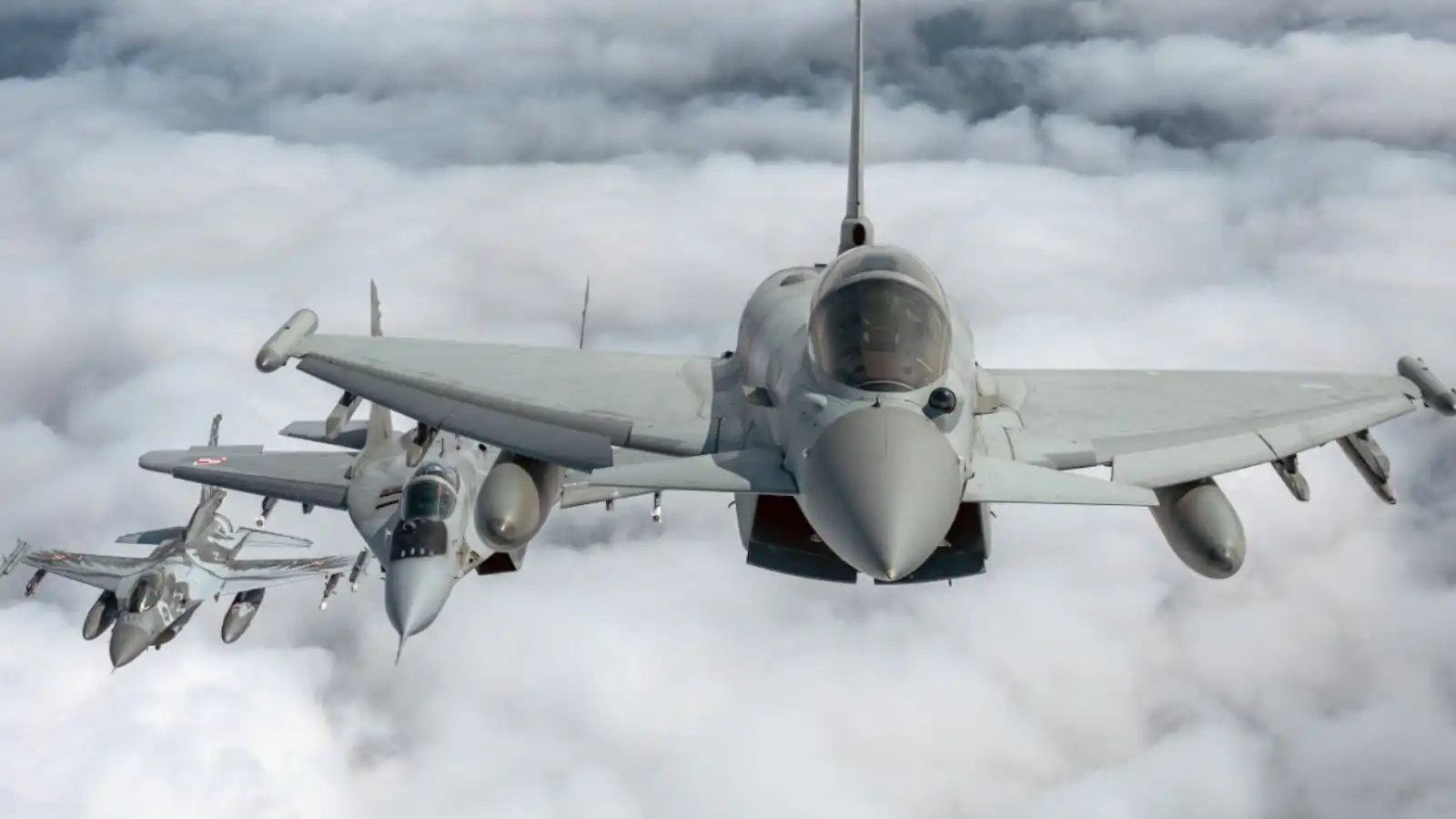
NATO fighters intercepted a Russian strike aircraft over the Baltic Sea in the latest air policing mission involving allied aircraft monitoring Russian military activity near NATO territory. According to reports from the Baltic region, the intercepted aircraft was identified as a Russian Su-24 tactical strike jet operating close to allied airspace.
The interception was conducted under NATO’s Baltic Air Policing mission, a long-running alliance operation designed to safeguard the airspace of Estonia, Latvia, and Lithuania. NATO aircraft were reportedly scrambled after the Russian aircraft approached the region without complying with standard international flight transparency measures.
The incident comes amid continued military pressure across NATO’s eastern flank following heightened tensions between Russia and Western nations since the start of the war in Ukraine.
NATO Baltic Air Policing Remains Highly Active
The NATO Baltic Air Policing mission has become one of the alliance’s most visible deterrence activities in Northern Europe. Fighter aircraft from multiple NATO member states rotate through bases in the Baltic region to conduct rapid-response interception missions.
Military aircraft from Russia frequently operate over the Baltic Sea, often flying from Kaliningrad or western Russian air bases. NATO states regularly monitor these flights when aircraft fail to transmit transponder signals or do not file recognized flight plans.
While such intercepts are not uncommon, defense analysts note that the frequency of NATO scrambles has remained elevated since 2022. The Baltic Sea region has become a strategically important operational zone for both NATO and Russia due to its proximity to key military infrastructure, shipping lanes, and alliance member states.
The Russian Su-24 involved in the latest incident is a Cold War-era strike aircraft designed for low-level attack missions. Despite its age, the platform remains in active Russian service and continues to be used in operational patrols and military exercises.
Strategic Importance Of The Baltic Region
The Baltic region has emerged as a critical theater in NATO’s broader deterrence posture. Finland and Sweden’s moves toward deeper NATO integration have significantly changed the regional security environment, increasing allied military coordination around the Baltic Sea.
NATO has expanded surveillance flights, naval patrols, and quick reaction alert operations across Northern Europe in response to increased Russian military activity. Air policing missions are intended not only to defend alliance airspace but also to demonstrate readiness and collective defense capabilities.
The latest NATO interception reflects how military aviation activity continues to serve as a signal of strategic competition between Russia and the alliance. Defense officials have repeatedly emphasized that intercept missions are conducted professionally and in accordance with international aviation rules.
At the same time, the operational tempo places sustained pressure on NATO air forces tasked with maintaining continuous readiness across multiple regions, including Eastern Europe, the Arctic, and the Black Sea theater.
Russian Military Flights Continue Near NATO Borders
Russian military aircraft activity near NATO territory has remained consistent throughout the conflict in Ukraine. Aircraft including Tu-95 bombers, Su-27 fighters, MiG-31 interceptors, and Su-24 strike jets have all been tracked near allied airspace in recent years.
These operations are closely monitored by NATO’s integrated air defense network, which combines radar surveillance, airborne early warning aircraft, and quick reaction fighter units.
The Baltic Sea is particularly sensitive because of the concentration of military assets in Kaliningrad, where Russia maintains advanced air defense systems, anti-ship missiles, and naval forces. NATO countries bordering the Baltic Sea continue to invest heavily in air defense modernization and rapid deployment capabilities.
The interception of the Russian strike jet also reflects the growing importance of tactical readiness and response speed within NATO air operations. Quick reaction alert aircraft are maintained at high readiness levels specifically to respond to unidentified or potentially unsafe military flights.
Broader Security Implications
Although air interceptions between NATO and Russian aircraft are generally managed without escalation, they remain politically significant. Each encounter is closely watched by military planners and political leaders as part of the broader security competition unfolding across Europe.
For NATO, maintaining visible and credible air policing operations is viewed as essential to alliance deterrence. For Russia, continued military aviation patrols near NATO territory demonstrate operational reach and strategic signaling capability.
The latest Baltic Sea interception reinforces how airpower remains central to regional security dynamics. It also highlights the continued risk of military incidents in heavily contested operating environments where NATO and Russian forces routinely operate in close proximity.
Navy vs. Army 2026: The Billion-Dollar Battle Defining America’s Military Future
The debate over U.S. military priorities has never carried higher financial stakes. In fiscal year 2026, the Department of Defense — operating under what the Trump administration now designates as the “Department of War” — released the largest defense budget request in modern American history, totaling more than $961 billion in combined discretionary and mandatory funding. Within that historic figure lies a stark and strategically significant gap: the U.S. Navy vs. Army 2026 defense budget split tells a story not just of money, but of doctrine, strategy, and where Washington believes the next war will be fought.
- The U.S. FY2026 defense budget totals over $961 billion, with the Navy receiving $292.2 billion and the Army receiving $197.4 billion — a gap of nearly $95 billion.
- Navy shipbuilding alone is funded at $65.8 billion for FY2027, including $13.9 billion for Virginia-class submarines and $11.6 billion for Columbia-class SSBNs.
- The Army’s Typhon (Mid-Range Capability) missile system has been deployed to Japan and the Philippines by early 2026, signaling a new land-based strike role in the Pacific.
- The FY2027 budget request proposes $1.5 trillion in defense spending, with the Navy receiving the single biggest investment of any service branch.
- The 2026 National Defense Strategy prioritizes the Indo-Pacific as the primary theater, where naval superiority and land-based fires are both considered essential for deterring China.
The proposed FY2026 budget breaks down to $197.4 billion for the U.S. Army, $292.2 billion for the U.S. Navy, and $301.1 billion for the U.S. Air Force. The Navy-Army funding gap has widened to nearly $95 billion — a figure that reflects deep shifts in American strategic thinking, the looming challenge of China’s naval expansion, and the emergence of a new technological paradigm that is rapidly transforming how both services define their role in warfighting.
FY2026 Defense Budget Allocation by Service Branch
The Navy’s Dominant Position: Shipbuilding, Submarines, and Sea Power
If the FY2026 budget has a clear winner, it is the U.S. Navy. The Navy will receive the biggest investment of any service branch under the administration’s defense plans. That priority is most visible in the shipbuilding account. Navy shipbuilding funding for FY2027 totals $65.8 billion, with the Virginia-class submarine program receiving nearly $14 billion and the Columbia-class SSBN program receiving more than $11.6 billion — together accounting for over a third of the total shipbuilding request.
The reconciliation spending layer has further supercharged naval investment. The Pentagon’s reconciliation allocation plan dedicates roughly $29 billion to bolstering Navy shipbuilding and resurrecting the U.S. maritime industrial base, including $4.6 billion toward a second Virginia-class submarine and $5.4 billion for two additional guided-missile destroyers. New programs are also entering the picture: the BBG(X) — also referred to as the Trump-class battleship — will receive $1 billion in advanced procurement funds, while the FF(X) frigate replacement program will receive $1.4 billion for one hull and additional development support.
“The Navy and Marine Corps’ ability to maintain maritime dominance is increasingly being challenged in a volatile and unpredictable world. Our industrial base, installations, and physical infrastructure are in urgent need of significant investment.”— U.S. Navy FY2026 Budget Highlights Book
The strategic rationale is clear and urgent. China’s People’s Liberation Army Navy has grown to the world’s largest fleet by vessel count, with over 730 warships emphasizing area-denial capabilities in the South China Sea, while the U.S. Navy’s battle fleet currently sits at roughly 287 ships. The FY2026 budget includes funding for 19 new U.S. Navy battle force ships to maintain that floor.
The Army’s Pivot: From Land War to Long-Range Fires
The U.S. Army faces a more complex strategic moment. With the Indo-Pacific designated as the primary theater and the 2026 National Defense Strategy deprioritizing large-scale land campaigns in Europe, the Army risks being left behind in a budget fight dominated by maritime concerns. The Indo-Pacific is primarily a maritime theater, and the Navy and Air Force are expected to play the leading roles in any conflict with China, drawing the bulk of new funding for the foreseeable future.
Yet the Army has not stood still. Its answer to strategic irrelevance is the Typhon missile system — a mobile, containerized ground launcher built around a Mark 41-style vertical launch system capable of firing Navy SM-6 and Tomahawk missiles. By early 2026, multiple reports confirmed Typhon deployments to both Japan and the Philippines as part of Indo-Pacific deterrence efforts. The system bridges the traditional gap between land power and maritime operations, giving the Army a credible anti-ship and land-attack strike role previously held exclusively by the Navy and Air Force.
The FY2026 Army procurement request includes $82 million for the Typhon Mid-Range Capability system, $364 million for 44 Precision Strike Missiles (PrSMs), and $438 million for the Dark Eagle long-range hypersonic weapon program. While these figures are modest compared to the Navy’s shipbuilding allocations, they represent a genuine doctrinal evolution. The Army’s new mobile mid-range capability can launch Tomahawk anti-ship and land-attack cruise missiles, offering land-based fires a “low-cost, high-payoff” advantage in contested maritime environments. The Army is also drawing operational lessons from recent conflicts: both Ukraine and the Houthis have demonstrated how land-based targeting of ships can degrade naval operations at low cost — a lesson Pentagon planners have firmly internalized.
The Third Offset Strategy and the AI Revolution in 2026
Perhaps the most significant development reshaping the Navy vs. Army 2026 comparison is neither a ship nor a missile — it is software. The Third Offset Strategy, originally conceived as a framework for preserving U.S. military technological superiority against resurgent great-power rivals, has entered its most consequential phase. The strategy aims to exploit all advances in artificial intelligence and autonomy to achieve a step increase in performance that strengthens conventional deterrence against near-peer adversaries like China and Russia.
On January 12, 2026, the Department of War issued a comprehensive AI Strategy memo declaring that 2026 will be “the year we emphatically raise the bar for Military AI Dominance.” The strategy directed every Service Chief and Combatant Commander to designate an AI Integration Lead within 30 days, and established seven Pace-Setting Projects (PSPs) to accelerate AI deployment across warfighting, intelligence, and enterprise mission areas. The 2026 DoD AI Strategy shifted toward an “AI-first” warfighting posture, moving AI from a tool to a central element of operational design.
ANALYST PERSPECTIVE — THIRD OFFSET & SERVICE COMPETITION
The Third Offset’s emphasis on AI and autonomous systems is not service-neutral. For the Navy, autonomous surface and undersea vehicles (USVs and UUVs) can extend maritime reach without the personnel cost of crewed platforms — a crucial advantage when shipbuilding backlogs and crewing shortages already threaten fleet readiness. Uncrewed Surface Vehicles and Global Autonomous Reconnaissance Crafts (GARCs) can expand sea power projection into contested areas without putting human crews at risk, directly amplifying the Navy’s operational range in the Western Pacific.
For the Army, the “Right to Integrate” initiative — requiring manufacturers of missiles, drones, radars, and sensors to open software interfaces to AI agents in real time — is essentially an autonomous systems transformation built into the procurement process. The inspiration comes from Ukraine, where open APIs allowed rapid battlefield integration between drones, sensors, and fire-control systems. The Army is institutionalizing that lesson at scale. But the transformation creates an inherent paradox: the same openness that enables speed and flexibility also expands the attack surface for adversarial cyber operations. Both services face this tension; neither has fully resolved it.
Global military AI spending is estimated to have doubled from $4.6 billion to $9.2 billion between 2022 and 2023, and is projected to reach $38.8 billion by 2028. The defense autonomous systems market reached a base valuation of $18.5 billion in 2025 and is projected to scale to $62.4 billion by 2034, at a compound annual growth rate of 14.7%. These figures underscore that the Third Offset is not a Pentagon abstraction — it is a rapidly maturing commercial and military market that will define the technological frontier of both services for the next decade.
The Nuclear Triad Question: Can All Three Legs Remain Affordable?
Underlying the Navy vs. Army budget debate is a deeper and more politically sensitive question: with the FY2026 defense budget consuming more than $60 billion annually on nuclear modernization alone, is the full triad of bombers, land-based missiles, and ballistic missile submarines still affordable — and strategically necessary — without hollowing out conventional forces?
The three legs of the nuclear triad are simultaneously in various stages of costly modernization. The U.S. Navy is developing the Columbia-class ballistic missile submarine (SSBN) to replace the aging Ohio-class fleet, with Columbia-class procurement requesting more than $11.6 billion in FY2027 alone. The Air Force is advancing the B-21 Raider stealth bomber — with an expanded production effort funded by $4.5 billion appropriated by Congress in 2025 — and the Sentinel ICBM (formerly GBSD) is replacing the 1970s-era Minuteman III. Modernizing all of DoD’s aging nuclear weapon systems could cost up to $350 billion over the next 20 years.
Critically, the Sentinel ICBM program has experienced a critical cost breach under the Nunn-McCurdy Act, with unit costs increasing significantly and a comprehensive program review underway. The Air Force now anticipates an initial operational capability for Sentinel in the early 2030s, with a first flight test in 2028. The GAO has flagged concerns over delays in crucial software development and the absence of a completed risk management plan — a sobering signal for a program that forms the entire ground-based leg of U.S. nuclear deterrence.
The strategic context has also shifted. New START expired in February 2026, removing treaty constraints on U.S. SSBN fleet size and potentially opening the door to an expanded Columbia-class program beyond the initial 12-hull plan. Under Secretary of Defense for Policy Elbridge Colby has publicly affirmed that “ensuring we retain a modern, capable, and effective nuclear deterrent should be our top priority.” The Trump administration’s 2026 NDS signals that modernization of all three legs will continue at pace — and potentially accelerate.
ANALYST PERSPECTIVE — TRIAD AFFORDABILITY CRUNCH
The nuclear triad affordability debate intersects directly with the Navy vs. Army budget competition in a way that is rarely acknowledged publicly. The Columbia-class SSBN program is, at its core, a Navy shipbuilding program — but it is funded partly through nuclear enterprise accounts that exist outside the conventional shipbuilding budget. This double-counting effect means the Navy’s budget advantage over the Army is even more pronounced than the top-line figures suggest: Columbia-class costs consume shipbuilding industrial capacity, drive workforce demand at Electric Boat and Newport News, and compete with Virginia-class attack submarine production for the same skilled labor pool.
For the Army, the affordability crunch is simpler but no less painful: every dollar spent on Sentinel ICBM infrastructure and nuclear sustainment is a dollar unavailable for Typhon batteries, Dark Eagle hypersonic weapons, or the AI integration programs that would give ground forces relevance in the Indo-Pacific. The triad question is ultimately a resource allocation question — and right now, the nuclear enterprise is winning that competition largely by default, because the political cost of being seen as the administration that weakened nuclear deterrence is higher than any conventional capability trade-off the Pentagon is willing to make publicly.
The 2026 National Defense Strategy: A Framework That Favors the Sea
The 2026 National Defense Strategy provides the doctrinal backdrop for understanding the budget divide. The NDS marks a sharp pivot toward defending the homeland while rebalancing forces and alliances for the Indo-Pacific, prioritizing a “peace through strength” vision that emphasizes protecting the Western Hemisphere and building up Pacific deterrence posture — particularly along the First Island Chain. The strategy also expects Indo-Pacific allies — Japan, Australia, South Korea, the Philippines — to bear greater responsibility for their own security, with the U.S. focused on enabling and incentivizing allied defense investment rather than assuming the full deterrence burden alone.
The 2026 NDS specifically calls for adding more forces and defenses along the first island chain, including more ships in Guam and the Pacific, more missile batteries on key islands, and potentially more rotational Army or Marine units in Japan, South Korea, Australia, and allied ports. The Army’s Multi-Domain Task Forces, which include Typhon batteries, fit within this joint vision — but they operate as enablers of naval and air power, not as the primary strike force.
The United States maintains more than 66 forward-deployed sites across Japan, South Korea, Australia, and the Philippines, with the Pacific Deterrence Initiative continuing to expand that posture through integrated air, land, sea, space, and cyber capabilities. Both services have roles to play. Land-based long-range fires, regional access, enduring relationships with allies and partners, and enabling capabilities from logistics to communications to air defense are all ways the U.S. Army can deter China or help fight and win if deterrence fails. At the same time, the Navy’s carrier strike groups, nuclear submarines, and surface combatants provide the persistent forward presence that no land force can replicate across open ocean.
Analysis: The Strategic Tension the Budget Cannot Fully Resolve
The Navy vs. Army debate in 2026 is ultimately a proxy for a much larger question: what kind of war is America preparing to fight — and who decides?
The case for naval primacy is compelling and data-driven. The Indo-Pacific is, fundamentally, a maritime theater. China’s military strategy is built around A2/AD — anti-access, area-denial — designed specifically to push U.S. carrier strike groups away from Taiwan and contested island chains. Countering that strategy requires submarine superiority, distributed surface combatants, and the ability to sustain naval operations thousands of miles from American shores. No amount of Army brigade combat teams can substitute for a Virginia-class boat patrolling the South China Sea.
But the case for Army relevance is also strong, and it hinges on a critical insight the Typhon system embodies: land-based fires are harder to target, cheaper to sustain, and politically less provocative than a carrier strike group operating in China’s backyard. A battery of Typhon launchers positioned on Luzon or Okinawa complicates Chinese military planning in ways a warship anchored offshore cannot — because attacking sovereign land carries escalatory consequences Beijing may wish to avoid.
The Third Offset layer adds further complexity. When AI-enabled autonomous systems can perform reconnaissance, targeting, and precision strike without human crews, the traditional metrics of service competition — ships, brigades, aircraft — become less decisive. The service that integrates AI fastest into its operational architecture may gain more capability from its budget than simple dollar comparisons suggest. By that measure, the Army’s “Right to Integrate” initiative and the Navy’s USV programs are competing not just for budget share, but for the character of future warfare itself.
The real danger is not choosing the Navy over the Army, or vice versa. It is under-resourcing the joint architecture that makes both effective. A well-resourced Navy without Army long-range fires on key islands leaves maritime flanks vulnerable. An Army with advanced missiles but no naval cover for logistics and sustainment cannot hold ground under fire. And a nuclear triad that consumes $60 billion annually while both conventional services strain for modernization funds may produce the worst of all outcomes: unmatched deterrence against nuclear war, and inadequate capability for the conflicts most likely to actually occur.
The 2026 budget is the most lavish in American history, but strategy is not merely about spending more. It is about spending right — and the Army-Navy balance, particularly in the context of a potential Taiwan contingency, will define whether that money buys deterrence or simply buys time.
FAQs
The primary reason is strategic focus. The 2026 National Defense Strategy designates the Indo-Pacific — a maritime theater — as America’s top priority, with China identified as the “pacing threat.” Countering China’s naval expansion and A2/AD capabilities requires submarines, destroyers, and carrier strike groups, which inherently favor Navy investment over Army ground forces.
Typhon is a mobile, ground-based launcher that fires Navy SM-6 and Tomahawk missiles from an ISO-container-sized unit. By early 2026, it had been deployed to Japan and the Philippines, giving the Army a credible long-range anti-ship and land-attack capability in the Indo-Pacific for the first time. It represents the Army’s strategic answer to maintaining relevance in a primarily maritime theater.
The FY2026 defense budget, totaling over $961 billion in combined funding, represents approximately a 13.4% increase over FY2025 enacted levels. The Trump administration’s FY2027 request goes further still, proposing $1.5 trillion — described as one of the largest defense budget requests in U.S. history.
Not entirely, but its role is shifting fundamentally. Rather than traditional land combat, the Army’s primary Indo-Pacific contributions are increasingly centered on long-range precision fires, air and missile defense, logistics, and multi-domain operations that support naval and air forces. The Typhon system and the Dark Eagle hypersonic weapon are central to this transformation.
The First Island Chain is a strategic geographic line running from Japan through Taiwan, the Philippines, and into the South China Sea. It forms the primary defensive perimeter in any U.S.-China conflict scenario. Both the Navy (with submarines and surface combatants) and the Army (with Typhon missile batteries) are being positioned along this chain to complicate Chinese military planning and deny Beijing freedom of action in the region.
Executive Summary: Secretary of War Pete Hegseth testified before Congress on May 12, 2026, revealing that the War Department’s shift to multiyear, high-volume procurement contracts has catalyzed more than $50 billion in private-sector investment across the U.S. defense industrial base — at no cost to taxpayers. The restructured acquisition model, presented alongside a $1.5 trillion FY27 budget request, marks a deliberate departure from what officials call a “bureaucratic” contracting culture that had long suppressed domestic manufacturing capacity.
Pentagon’s $50 Billion Industrial Surge: How Multiyear Contracts Are Rebuilding America’s Arsenal
The U.S. War Department’s shift to long-term, multiyear procurement contracts is generating measurable returns — not in government spending, but in private capital formation at a scale unseen in modern defense history.
Secretary of War Pete Hegseth testified before the defense subcommittees of both the House and Senate Appropriations Committees on May 12, 2026, presenting the administration’s FY27 presidential budget request and laying out how the War Department’s revised acquisition strategy is reshaping the defense industrial base.
The testimony, delivered alongside Air Force Gen. Dan Caine — chairman of the Joint Chiefs of Staff — and Jules W. Hurst III, the acting War Department comptroller, centered on a core argument: that a more reliable demand signal from Washington is directly incentivizing American industry to invest in itself.
A $1.5 Trillion Budget Built on Industrial Confidence
Hegseth told lawmakers that the $1.5 trillion FY27 budget request builds upon what he described as “the historic $1 trillion FY26 top line,” and that the combined investment will ensure the United States maintains the world’s most capable military as it confronts threats across multiple theaters.
The budget figure is significant not merely for its scale, but for what it signals to industry: sustained, predictable demand.
For decades, defense contractors have cited contract uncertainty as a primary barrier to capital investment. Without confidence that orders will materialize, companies have been reluctant to modernize factories, hire additional workers, or expand production lines — creating a structural gap between what the Pentagon needs and what the industrial base can deliver.
Hegseth acknowledged this directly, noting that private industry partners invest in their own capacity when they are confident in the sales they will make, and that many companies providing weapons and systems to the War Department have historically lacked that confidence because the U.S. government has often been an unreliable customer — unwilling or unable to provide an unambiguous demand signal.
$50 Billion in Private Capital — Not Taxpayer Dollars
The headline figure from the testimony is striking: the defense industrial base has committed more than $50 billion in private investment, and none of it came from the federal government.
Hegseth told lawmakers the department has helped stimulate more than 250 private investment deals in 39 states, across 180 cities, involving 150 different companies — worth more than $50 billion in total. The result includes 280 new or expanded facilities, more than 18 million new square feet of American manufacturing space, and over 70,000 new American jobs. Global Security
The secretary was explicit that this is not government money: “By completely transforming our department’s business model, American companies are investing in America with their own capital — a historic demonstration of American manufacturing and defense revitalization; all with their money, not Uncle Sam’s,” he said.
This distinction matters enormously in the current fiscal and political environment. Critics of defense spending frequently argue that industrial subsidies represent a form of corporate welfare. Hegseth’s framing reframes the dynamic: the government’s role was not to write checks, but to restructure contracts in ways that made private investment rational.
From Bureaucratic Model to Business Model
The acquisition reform underpinning this investment surge is part of a broader strategy the War Department has been executing since late 2025. Secretary Hegseth announced the department’s Acquisition Transformation Strategy in November 2025, outlining five pillars for reform — including expanding the industrial base, stabilizing demand signals through bigger and longer deals, and moving fast with speed and rigor by removing unnecessary process and reducing regulations.
In his May 12 testimony, Hegseth summarized the shift: “We have flipped the Pentagon acquisition process from a bureaucratic model to a business model, decisively moving from an acquisition environment paralyzed by bureaucratic red tape into an outcomes-driven organization focused on delivering the most for taxpayer dollars.”
The practical instruments of that shift include multiyear procurement contracts, economic order quantity authorizations, and guaranteed purchase orders — tools that the Acquisition Transformation Strategy identified as essential to stabilizing demand signals and encouraging companies to invest and grow.
Solid Rockets, Critical Minerals, and the Broader Supply Chain
The industrial expansion extends well beyond munitions assembly lines. The Pentagon awarded L3Harris Technologies a major contract to expand domestic solid rocket motor production, with L3Harris’s Missile Solutions unit producing motors for Patriot PAC-3 and THAAD interceptors, as well as Tomahawk and Standard missiles. The government and L3Harris are negotiating a multiyear framework for purchasing motors to stabilize the supply chain.
Congress has also raised questions about oversight of these equity investments, with Pentagon acquisition chief Michael Duffey testifying that equity stakes — unlike grants — can be returned to taxpayers and are designed to crowd in additional private capital alongside government funds.
On critical materials, the second Trump administration has deployed $2.3 billion in critical minerals supply chain deals since January 2025, using Defense Production Act authorities to fund domestic production of gallium, scandium, germanium, and antimony trisulfide — materials identified as among the most pressing vulnerabilities in the defense supply chain.
Industry Response: Confidence Replacing Caution
The broader market is responding in kind. Venture capital investment in U.S. defense-tech startups surged more than 200 percent in 2025, with roughly $38 billion flowing into the sector in the first half of the year alone. Companies including Anduril, Palantir, Shield AI, and SpaceX have grown into major defense contractors alongside legacy primes.
This confluence of traditional multiyear procurement and new-entrant investment reflects a deliberate strategy to diversify the supplier base while scaling production of proven systems simultaneously.
Hegseth framed the broader vision in geographic and economic terms: “President Trump’s War Department has begun to turn the lights back on in manufacturing towns across this country to forge a lethal Arsenal of Freedom. Where our critical supply chains are threatened, the Department of War has acted decisively to inject capital, stimulate production and prevent adversarial exploitation.
Analysis: A Structural Bet on Demand Stability
The strategy carries real risk. Multiyear contracts lock in budget commitments across administrations, reducing procurement flexibility. Congressional appropriators have historically been reluctant to authorize such commitments at scale, and lawmakers on both sides of the aisle have sought clearer answers on how the Pentagon will monitor its equity investments and what it intends to do with ownership stakes over time.
There is also the question of whether $50 billion in private investment — while historically large — is sufficient to close a production gap that has widened over decades. Defense analysts have long warned that a sustained, high-intensity conflict would quickly expose undersized munitions stockpiles and bottlenecked supply chains regardless of near-term factory expansion.
What the Hegseth testimony makes clear is that the War Department is betting that structural demand credibility — not direct subsidy — is the most durable lever for rebuilding industrial capacity at scale. Whether that bet holds across budget cycles, continuing resolutions, and changing political leadership remains the central uncertainty of the strategy.
Executive Summary:
Britain’s National Wealth Fund has made its first defense-sector investment, committing £25 million ($34 million) to Bristol-based engineering firm Rowden. The funding will support new manufacturing sites, expand defense technology production, and strengthen the UK’s growing focus on sovereign industrial and military capabilities.
UK National Wealth Fund Invests In Defense Technology
The UK National Wealth Fund has entered the defense sector for the first time with a £25 million ($34 million) investment in British engineering company Rowden, marking a notable shift in London’s industrial investment priorities. The move highlights the growing role of defense technology in the UK’s wider economic and national security strategy.
Bristol-based Rowden develops sensing and information systems designed for military and emergency-service operations in low-connectivity environments. According to Reuters, the new capital injection will help the company establish two additional manufacturing facilities and create around 100 jobs over the next year.
The investment is the first defense-focused deployment made by the National Wealth Fund since the organization was launched in 2024 to stimulate economic growth and support industrial transformation across Britain. Initially centered on clean energy and infrastructure projects, the fund has increasingly expanded toward strategic industries tied to national resilience and sovereign capability.
Defense Industry Gains Political And Financial Priority
The Rowden deal reflects a broader change in how European governments are approaching defense investment following Russia’s war in Ukraine and growing concerns about long-term military readiness.
British officials have increasingly linked defense spending with industrial policy, manufacturing growth, and technological competitiveness. UK Minister for Defence Readiness and Industry Luke Pollard described the investment as evidence that “defence is an engine for growth,” according to the government statement cited by Reuters.
The UK National Wealth Fund has up to £27.8 billion available for deployment across strategic sectors. While much of its earlier activity focused on renewable energy, transmission infrastructure, and decarbonization projects, recent government guidance expanded the fund’s remit to include defense, critical minerals, AI, and advanced manufacturing.
That evolution mirrors a wider European trend in which governments and institutional investors are reconsidering restrictions on defense-related financing. Norway, for example, is reviewing rules that could eventually allow its sovereign wealth fund to invest in major defense companies after more than two decades of restrictions.
Rowden Expands Role In UK And AUKUS Programs
Founded by former British Army officer Rob Harper, Rowden has emerged as one of Europe’s fastest-growing engineering firms focused on defense and security technologies. The company specializes in systems designed to operate in contested or degraded communications environments, an area receiving increasing attention across NATO militaries.
One of the company’s notable areas of involvement is the AUKUS AI for Acoustics program, which aims to integrate artificial intelligence into submarine detection and underwater sensing applications. Reuters reported that Rowden’s technology is being adapted for future submarine platforms linked to the trilateral AUKUS partnership between the United States, United Kingdom, and Australia.
The UK government has placed growing emphasis on AI-enabled military systems, underwater surveillance technologies, and secure sensing architectures as part of its future force modernization plans. Investment into smaller domestic defense technology firms is increasingly viewed as a way to reduce reliance on foreign suppliers while accelerating innovation cycles.
That strategy also aligns with ongoing efforts across NATO countries to improve defense industrial capacity after years of supply chain constraints and ammunition shortages exposed weaknesses in Western manufacturing readiness.
Why The Investment Matters
Although relatively modest in size compared with major defense procurement programs, the Rowden investment carries strategic significance because it signals a policy shift inside Britain’s public financing framework.
Traditionally, sovereign and public investment institutions in Europe prioritized infrastructure, climate transition projects, and civilian industries. The UK National Wealth Fund’s entry into defense indicates that governments increasingly view military industrial capacity as a strategic economic asset rather than solely a security expenditure.
The move may also encourage additional private capital into British defense technology startups and mid-sized firms, particularly in sectors tied to AI, autonomous systems, sensing technologies, cyber defense, and maritime security.
For the UK defense sector, the investment reinforces a broader trend toward integrating industrial growth, technological innovation, and military modernization under a unified national strategy.
The June 2025 strikes by the United States and Israel damaged or destroyed most of Iran’s visible nuclear infrastructure. But satellite imagery, IAEA reporting, and open-source intelligence through May 2026 reveal a program that is rebuilding, burrowing deeper, and racing to restore capability before a diplomatic window or a next strike closes. This is what the map of Iran’s nuclear sites actually shows — and what any future strike would have to target.
- Operation Midnight Hammer (June 22, 2025) deployed 7 B-2 stealth bombers dropping 14 GBU-57 Massive Ordnance Penetrator bunker-busters — 12 on Fordow, 2 on Natanz — along with 30+ Tomahawk missiles against Isfahan.
- Fordow is buried 80–90 meters under limestone-and-rock overburden near Qom — Iran’s most hardened enrichment site and the primary engineering driver behind the GBU-57’s development.
- Roughly 400 kg of 60%-enriched uranium — enough for several weapons if further enriched — remains unaccounted for, likely buried under rubble at Fordow, Natanz, and Isfahan.
- Iran has not permitted IAEA inspectors access to any struck nuclear site since June 2025. The UN watchdog now relies solely on satellite imagery.
- A new deeply buried site called “Pickaxe Mountain” south of Natanz is under accelerated construction at an estimated depth of 80–100 meters, potentially intended to house the next generation of advanced centrifuges.
Iran’s Nuclear Sites: Mapped, Analyzed, and What a Strike Would Actually Target
Fordow. Natanz. Isfahan. Parchin. These are not just names on an intelligence map — they are the physical backbone of Iran’s nuclear ambitions, places where centrifuges spun, uranium was converted, and weapons-relevant experiments were conducted. Understanding this nuclear facilities map in Iran is now more urgent than ever, because since June 2025, the geography of proliferation has been redrawn — yet not erased.
When U.S. B-2 bombers executed Operation Midnight Hammer on June 22, 2025, they struck what defense planners had spent 15 years preparing to hit. The results were consequential but incomplete. As of spring 2026, Iran is actively rebuilding, hardening, and burying what remains — raising the enduring question that every strike planner faces: what survives, and what comes next?
Natanz: The Nerve Center of Iran’s Enrichment Program
Located roughly 250 kilometers south of Tehran in Isfahan Province, the Natanz Nuclear Complex was — until last summer — the heart of Iran’s enrichment infrastructure. The site houses two main enrichment facilities: the above-ground Pilot Fuel Enrichment Plant (PFEP) and the deeply buried Fuel Enrichment Plant (FEP), the latter sitting several stories underground.
Israeli strikes on June 13 left the aboveground PFEP “functionally destroyed,” with the IAEA confirming a radiological release of alpha particles confined to the facility. An updated assessment on June 17 suggested the underground FEP may also have been penetrated. The U.S. followed with additional strikes on June 21, dropping two GBU-57 Massive Ordnance Penetrators directly into the underground facility’s centrifuge halls.
On March 2, 2026, the facility was struck again by the United States, with entrance buildings sustaining significant damage. A further American strike on March 21 followed, after which Iran accelerated construction at the nearby Pickaxe Mountain underground site.
Despite the cumulative damage, a critical caveat remains. Satellite imagery shows that roofs have been constructed over damaged buildings at Natanz, blocking overhead observation — the only monitoring tool currently available, since Iran has barred IAEA inspectors from the site.
Fordow: The Hardest Target on the Map
If Natanz is the nerve center, Fordow is the fortress. Buried 80–90 meters under rock near the city of Qom, approximately 160 kilometers south of Tehran, the Fordow Fuel Enrichment Plant was originally an Islamic Revolutionary Guard Corps missile base before being converted into an underground uranium enrichment complex. It was, and arguably still is, the most physically protected nuclear site on earth outside a declared weapons state.
Fordow was literally the reason the GBU-57 exists. Pentagon officials confirmed that for more than 15 years, DTRA analysts studied the facility’s geology, construction materials, vent shafts, and environmental systems — every nook and crack — specifically to engineer a weapon capable of destroying it.

During Operation Midnight Hammer, B-2 bombers dropped 12 GBU-57s on Fordow — six down two holes — in a deliberate “double tap” tactic designed to drill successive penetrators deeper into the same entry points. The IAEA’s Director General confirmed in September 2025 that “almost all sensitive equipment” at the site had been destroyed.
Yet even this outcome carries qualifications. While the GBU-57 can reportedly penetrate up to 60 meters of unspecified material, Iranian domestic research has produced concrete exceeding 30,000 psi compressive strength, significantly reducing the bomb’s effective depth. The limestone composition of Fordow’s overburden adds further uncertainty about actual penetration achieved.
The analyst’s caveat: Fordow may be physically damaged, but its approximately 400 kilograms of 60%-enriched uranium — sufficient material to produce several weapons if enriched to 90% — is still unverified and potentially entombed in inaccessible tunnels. Grossi himself warned that if Iran chose to further enrich its surviving stockpile to weapons-grade, the process would take only a matter of weeks.
Isfahan: The Conversion and Manufacturing Hub
Isfahan — or Esfahan — houses a cluster of facilities collectively forming Iran’s nuclear fuel cycle midstream: the Uranium Conversion Facility (UCF), the Fuel Manufacturing Plant (FMP), the Nuclear Technology Center, and several specialized processing labs. During the June 2025 strikes, damage was confirmed at Isfahan’s chemical laboratory, uranium conversion plant, Tehran reactor fuel manufacturing plant, and its UF4-to-enriched-uranium-metal processing facility.
The Isfahan mountain tunnel complex, which was under construction to house a new enrichment plant, was heavily damaged. The IAEA stated it does not know the precise location of this planned facility, its safeguards status, or whether it contained nuclear material at the time of the strikes.
Since the war, Iran has been systematically obscuring damage from overhead observation. Satellite imagery shows that Iran built a roof over a damaged structure near Isfahan’s northeast corner — an area where Israeli strikes reportedly targeted centrifuge manufacturing sites — completing this concealment work by early January 2026.
Parchin and Taleghan 2: The Weaponization Wildcard
Parchin sits approximately 30 kilometers southeast of Tehran and is officially designated as a military explosives research complex. But within its perimeter, the Taleghan 2 facility has long drawn scrutiny from non-proliferation analysts as a site potentially linked to nuclear weapons development work — specifically high-explosive testing relevant to triggering mechanisms.
Israel struck Taleghan 2 in October 2024, disrupting work at the site. Iran did not abandon the program; instead, it encased the rebuilt facility in a concrete sarcophagus and covered it with compacted soil layers in the months leading up to further strikes in early 2026.
On March 12, 2026, the Israel Defense Forces confirmed a strike on Taleghan 2, describing it as “a site used by the Iranian regime to advance nuclear weapons capabilities” and noting it was “used in recent years to develop advanced explosives.” Satellite imagery showed three large penetration impact points directly above the area housing the suspected high-explosive containment vessel.
The munitions question remains open. While initial reporting suggested the possible use of GBU-57 MOPs, only U.S. B-2 bombers are certified to carry them. Israel is known to possess GBU-28 and GBU-72 5,000-pound earth-penetrating weapons, either of which would be capable of penetrating the concrete and soil hardening.
Pickaxe Mountain: The Site That Wasn’t Struck — and What That Means
Perhaps the most consequential element of the current Iran nuclear map is a facility that neither the United States nor Israel has yet successfully destroyed: the Pickaxe Mountain complex, formally known as Kūh-e Kolang Gaz Lā, located approximately one mile south of the Natanz perimeter fence.
Excavation at this site is estimated to have reached depths of 80 to 100 meters under hard granite rock — depths that Iranian engineers specifically calculated to provide survivability against the American GBU-57 MOP dropped by B-2 bombers. Security walls have been completed, and analysts assess the facility is designated to house the next generation of thousands of advanced centrifuges.
Construction at Pickaxe Mountain is accelerating in parallel with Iran’s broader post-war nuclear reconstitution strategy, suggesting Tehran intends to preserve enrichment capability underground at depths that conventional strike packages may struggle to confidently neutralize.

This creates a significant doctrinal problem for Western planners. A facility buried under 80–100 meters of granite — harder and denser than the limestone above Fordow — may require a successor to the GBU-57 to hold at genuine risk. DTRA officials have confirmed they are now using battle damage assessment data from Operation Midnight Hammer to inform the design of a next-generation deep-penetrating munition.
Air Defense Coverage: The Strike Corridor Problem
Iran’s nuclear sites are distributed across a wide geographic arc from Qom in the north to Isfahan in the center — a layout that complicates any single strike package. Before June 2025, Iran maintained layered air defense coverage around its nuclear sites using a mix of Russian-supplied S-300 systems, domestically produced Bavar-373 batteries, and shorter-range Tor-M1 and Khordad-15 systems.
Israel’s multi-year strategic campaign systematically neutralized Iran’s air defense architecture — first destroying Syrian-based assets, then suppressing Iranian air defenses directly — which by June 2025 had opened what analysts describe as “absolute aerial freedom of operation in Iranian skies.” Operation Midnight Hammer exploited this window: the strike package included F-22 and F-35 fighters for air defense suppression, deception tactics, and fighter sweeps to clear a corridor for the B-2s before a single bomb was dropped.
Iran has since prioritized air defense reconstitution. As of early 2026, Tehran is working to rehabilitate its surface-to-air missile inventory and rebuild destroyed launch infrastructure as its primary strategic priority, with the goal of denying the aerial access that made Midnight Hammer possible.
What the Damage Assessment Actually Tells Us
The honest assessment of where Iran’s nuclear program stands in 2026 is this: severely damaged, but not dismantled.
Key nodes eliminated during the combined Israeli and American strikes included four centrifuge manufacturing and testing plants, uranium conversion and metal labs, enrichment plants, and weaponization sites. Pentagon analysts assessed the program had been set back by one to two years, closer to two.
But the structural problem that remains is not one that additional bombs can fully resolve. Roughly 400 kilograms of highly enriched uranium remain unaccounted for, likely entombed within the Fordow and Isfahan tunnel complexes whose entrances have since been buried or backfilled. Bombs cannot produce verified inventories — that requires inspectors, and Iran has refused to allow them in.
Meanwhile, Iran has adopted what analysts describe as a “differential reconstruction doctrine” — combining a public posture of diplomatic openness with the parallel acceleration of air defense rehabilitation, ballistic missile reconstitution, and deep underground hardening of nuclear facilities, betting that survivability itself becomes a strategic deterrent.
Analysis: The Limits of Kinetic Counter-Proliferation
What the Iran nuclear site map reveals, when studied honestly, is an arms race between penetrating munitions and burrowing construction. Iran watched Operation Midnight Hammer and drew a direct lesson: go deeper. Pickaxe Mountain’s 80–100-meter granite ceiling is not an accident of geography — it is an engineered response to the GBU-57’s published penetration envelope.
For U.S. and Israeli planners, this creates a self-reinforcing cycle. Each strike drives Iranian engineers further underground; each new facility demands a more powerful munition; each more powerful munition requires years of development and limited-production B-2 delivery. The Air Force’s recent $62.55 million Boeing contract to replenish its GBU-57 stockpile — described in acquisition documents as “critically needed” — underscores just how thin the deep-strike inventory became after Midnight Hammer.
Ultimately, the most dangerous element on the Iran nuclear map is not the damaged facilities. It is the unverified 400-kilogram HEU stockpile, the unmonitored Pickaxe Mountain excavation, and the Taleghan 2 weaponization program that Iran rebuilt — twice — after being struck. Kinetic strikes can disrupt timelines. Only verified diplomacy and sustained inspection access can close the gap.
FAQs
Does Iran have nuclear weapons?As of May 2026, Iran has not been confirmed to possess a functional nuclear weapon. It accumulated approximately 400 kg of 60%-enriched uranium before Operation Midnight Hammer in June 2025. That material, if further enriched to 90%, would be sufficient for several weapons, but its current location remains unverified by the IAEA.
What happened to Iran’s nuclear sites in 2025?In June 2025, U.S. and Israeli forces struck Natanz, Fordow, and Isfahan in a coordinated campaign. The above-ground facilities at Natanz and Isfahan were largely destroyed; Fordow’s underground enrichment halls were struck by 12 GBU-57 bunker-busters. Iran has barred IAEA inspectors from all struck sites since then.
Where is Fordow located?Fordow is buried 80–90 meters under a mountain near the city of Qom, approximately 160 kilometers south of Tehran. It was originally an IRGC missile base before being converted into a uranium enrichment facility.
What is the GBU-57 Massive Ordnance Penetrator?The GBU-57 MOP is a 30,000-pound GPS-guided bunker-busting bomb carried exclusively by U.S. B-2 Spirit stealth bombers. It was specifically designed to destroy deeply buried hardened targets, with Fordow as its primary engineering driver. Fourteen were used in Operation Midnight Hammer.
What is Pickaxe Mountain and why does it matter?Pickaxe Mountain (Kūh-e Kolang Gaz Lā) is an underground facility under active construction approximately one mile south of the Natanz complex. Iran is excavating it to depths of 80–100 meters under hard granite — deeper than Fordow — potentially to house a new generation of centrifuges beyond the reliable reach of existing bunker-busting munitions.
Has Iran rebuilt its nuclear program after the 2025 strikes?Partially. Iran’s main enrichment facilities remain largely inoperable, but Iran is actively hardening Pickaxe Mountain, rebuilding Taleghan 2 at Parchin (struck again in March 2026), and recovering or obscuring surviving equipment at Isfahan and Natanz under newly constructed roof covers.