

Executive Summary:
MBDA and the Indian Air Force have signed an agreement to establish local support and overhaul capabilities for MICA air-to-air missiles in India. The move is designed to improve missile availability, reduce turnaround times, and strengthen India’s long-term defense sustainment infrastructure.
India Expands MICA Missile Support Infrastructure
The Indian Air Force (IAF) and European missile manufacturer MBDA have signed an agreement to establish an in-country support and overhaul capability for the MICA missile system, according to reporting from European Security & Defence.
The agreement marks another step in India’s broader defense modernization and localization strategy, particularly in sustainment and lifecycle management of advanced weapons systems. The new arrangement will allow the Indian Air Force to conduct maintenance, repair, overhaul, and technical support operations for MICA missiles within India rather than relying entirely on overseas support channels.
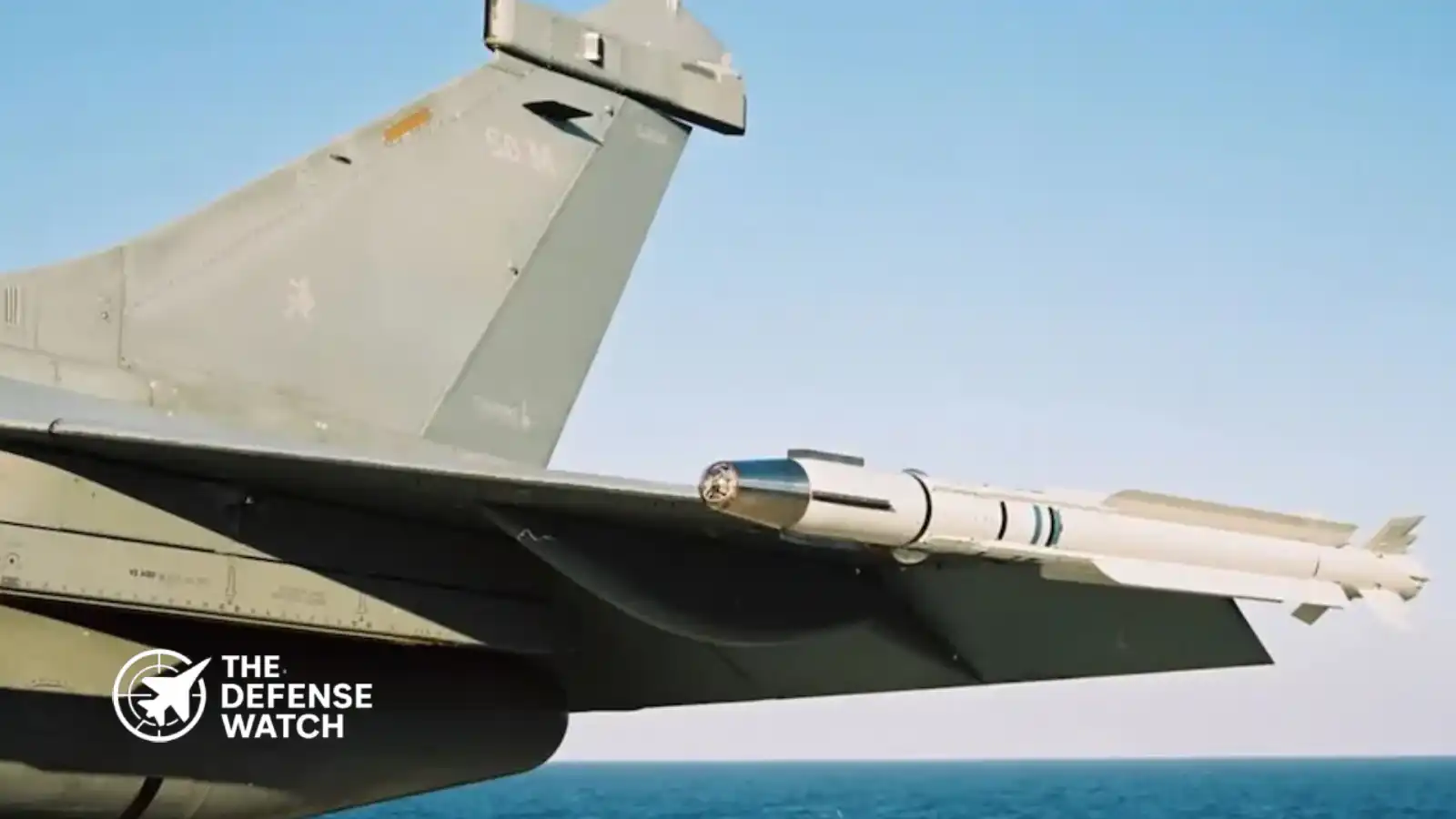
The MICA missile family is widely used on the Indian Air Force’s fleet of Dassault Mirage 2000 fighter aircraft and is also integrated with the Dassault Rafale platform operated by India.
Why The Agreement Matters
The new MICA missile support capability is strategically important because missile sustainment directly affects operational readiness and fleet availability. Air forces operating modern precision-guided munitions increasingly require local maintenance ecosystems to ensure rapid turnaround during peacetime operations and potential conflict scenarios.
By establishing domestic overhaul capability, the Indian Air Force could reduce dependency on foreign repair cycles, improve inventory management, and shorten maintenance timelines. The agreement also aligns with India’s long-running push for defense self-reliance under its indigenous manufacturing and sustainment initiatives.
While the announcement did not disclose the financial value of the agreement, the operational implications are significant. Sustainment infrastructure is often less visible than new procurement contracts, but it plays a critical role in maintaining combat effectiveness over the lifespan of advanced missile inventories.
The MICA missile itself remains a key component of India’s air combat capability. Developed by MBDA, the weapon is available in both infrared and radar-guided variants and is designed for beyond-visual-range and close-combat engagements. The missile has been exported to several countries and integrated onto multiple fighter aircraft platforms globally.
India’s Broader Air Power Modernization Effort
The MICA missile support agreement comes as India continues investing heavily in fighter aircraft modernization, weapons integration, and domestic defense industrial capacity.
The Indian Air Force is currently balancing several parallel modernization priorities, including Rafale fleet expansion, indigenous fighter development programs, upgraded air defense systems, and improvements in logistics infrastructure.
Local maintenance and overhaul agreements have become increasingly important for countries seeking to ensure operational continuity during geopolitical uncertainty and supply chain disruptions. Establishing domestic support capability for missile systems can help mitigate delays associated with overseas transportation, export approvals, and industrial bottlenecks.
India has pursued similar localization efforts across other defense sectors, including aircraft maintenance, naval systems support, armored vehicle production, and missile manufacturing partnerships. The latest MBDA agreement fits into this wider policy direction.
From MBDA’s perspective, the deal strengthens its long-term relationship with one of its largest international defense customers. India remains a major market for European aerospace and missile manufacturers, particularly in combat aviation and precision-guided weapons.
Operational Benefits For The Indian Air Force
The establishment of local MICA missile overhaul capability could provide several operational advantages for the Indian Air Force.
First, improved sustainment capacity may increase missile serviceability rates across frontline fighter squadrons. Faster inspection and refurbishment cycles can help ensure weapons remain available for training and operational deployments.
Second, local technical expertise development supports long-term force readiness. Building indigenous maintenance knowledge reduces reliance on external technical support and strengthens domestic defense engineering capabilities.
Third, in-country support infrastructure can provide greater flexibility during periods of heightened regional tension. Nations operating imported weapon systems often prioritize local sustainment capacity to avoid operational vulnerabilities tied to external supply chains.
The agreement also reflects a growing trend in global defense procurement where sustainment, technology transfer, and industrial participation are becoming as important as the original weapons purchase itself.
Strategic Implications In The Region
India’s continued investment in air-launched missile support infrastructure comes amid ongoing regional military modernization efforts across Asia.
Air combat capabilities, including beyond-visual-range missile systems, remain central to maintaining air superiority and deterrence. Sustainment readiness therefore becomes a key component of overall combat capability, particularly for high-tempo air operations.
Although the agreement is focused on maintenance and overhaul rather than new missile procurement, it demonstrates how support infrastructure is increasingly viewed as a strategic asset in modern military planning.
For India, improving local sustainment capacity supports both operational resilience and broader national defense industrial objectives.
