(adsbygoogle = window.adsbygoogle || []).push({});Executive Summary:
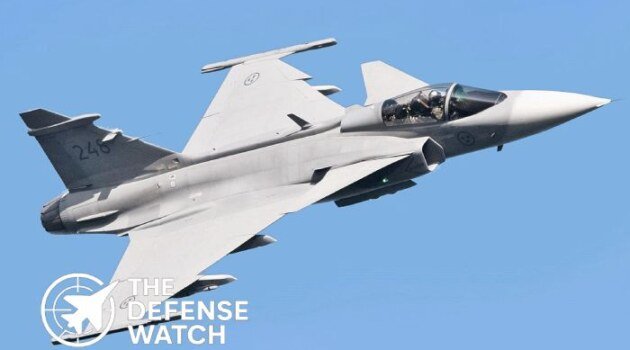
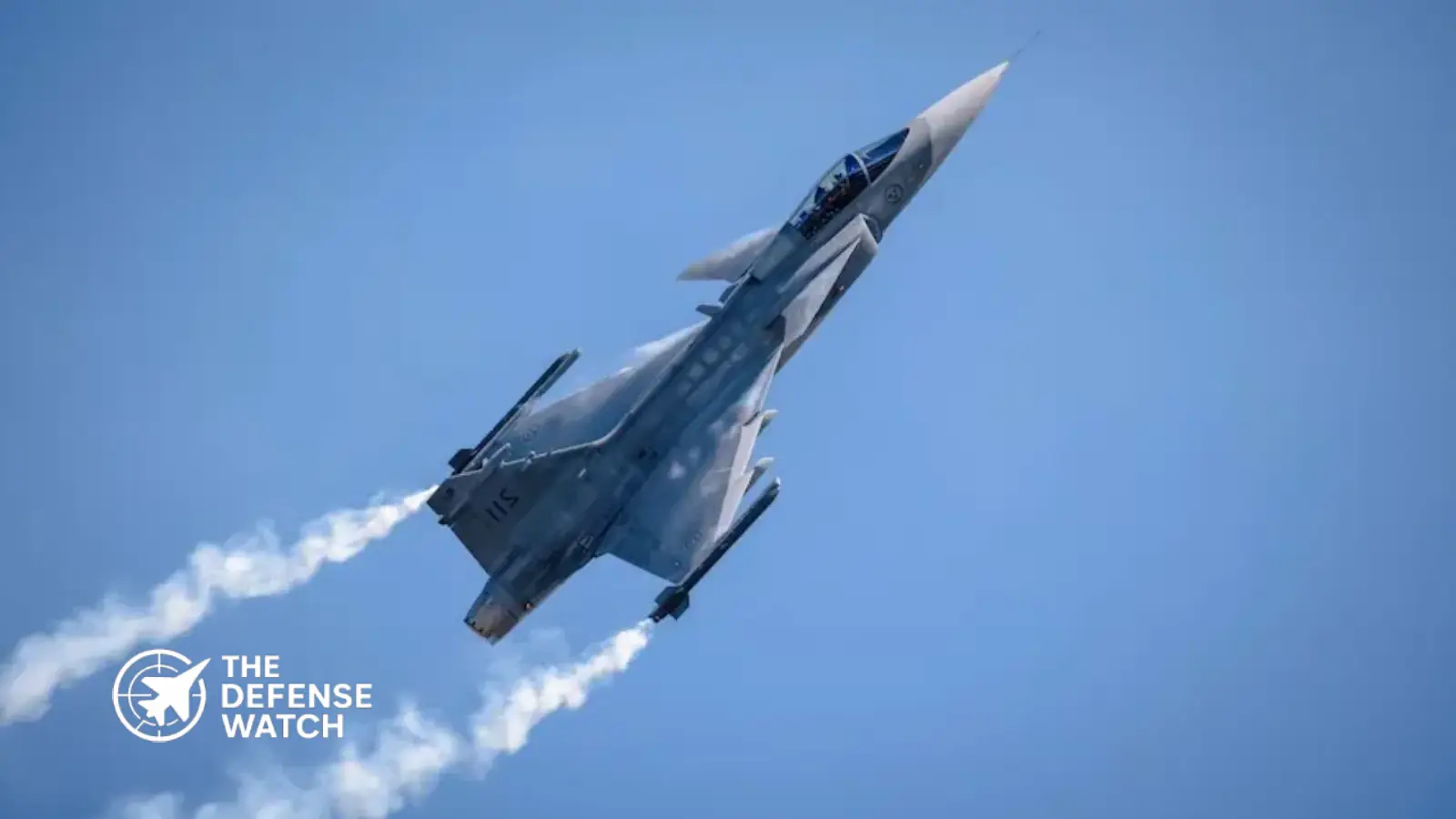
Sweden’s Saab Gripen fighter is approaching a defining moment as Ukraine moves forward with plans to acquire the aircraft for frontline operations against Russia. The agreement could make the Gripen a central element of Ukraine’s future air force while providing the Swedish-designed fighter its first large scale test in high intensity modern warfare.
Ukraine’s Gripen Fighter Plan Moves Forward
The Saab Gripen fighter jet is set to play a significantly larger role in Ukraine’s defense strategy following a major agreement between Kyiv and Stockholm.
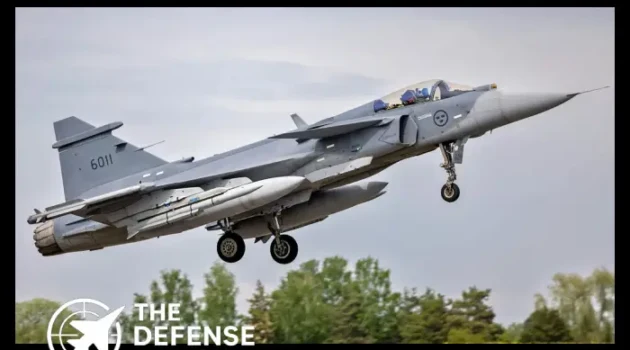
Ukraine has allocated €2.5 billion from a broader European Union support package to purchase 20 new Gripen E fighters while also receiving 16 older Gripen aircraft from Sweden. Ukrainian officials have described the aircraft as a future backbone of the country’s air force.
The agreement follows months of negotiations between Ukraine, Sweden, and Swedish aerospace manufacturer Saab. The broader framework could eventually allow Ukraine to acquire as many as 150 Gripen fighters over time.
For Ukraine, the deal represents more than a simple aircraft purchase. It is part of a long term effort to rebuild an air force that has been under constant pressure since Russia’s full scale invasion.
Why The Gripen Matters In Ukraine
Unlike many Western fighters designed around established airbases, the Gripen was developed during the Cold War to operate under conditions where fixed infrastructure could be targeted by Russian attacks.
This design philosophy aligns closely with Ukraine’s wartime operating environment.
The aircraft can take off and land from roads and improvised runways, allowing dispersal across multiple locations. Ukrainian defense officials told Reuters that the aircraft’s ability to operate from highways, temporary airstrips, and concealed locations matches current Ukrainian tactics.
Another key advantage is maintenance efficiency.
According to Ukrainian defense representatives, a small crew can refuel, rearm, and prepare a Gripen for another mission in less than 10 minutes. Operating costs are also reported to be significantly lower than those of fifth generation fighters such as the F-35 Lightning II.
The Gripen’s compatibility with advanced weapons systems, including the long range Meteor air to air missile, could also help Ukraine challenge Russian aircraft operating near the front line.
A Real World Test For Swedish Aerospace Technology
For Sweden and Saab, the Ukraine deployment carries major strategic significance.
Although the Gripen has participated in surveillance, air policing, and limited military operations, it has never faced the type of sustained, high intensity combat environment currently seen in Ukraine. Reuters reported that Swedish military experts view the conflict as the first true operational test against the type of Russian systems the aircraft was originally designed to counter.
(adsbygoogle = window.adsbygoogle || []).push({});That reality creates both opportunity and risk.
A successful performance could strengthen Saab’s position in future fighter competitions and export campaigns. Several countries are already evaluating fighter modernization options, and operational experience from Ukraine would provide valuable real world data.
At the same time, any shortcomings would be closely scrutinized by military planners worldwide.
Limitations Remain Despite The Aircraft’s Strengths
Defense analysts caution against expecting the Gripen to fundamentally change the balance of air power over Ukraine.
Experts interviewed by Reuters noted that Russia continues to maintain a substantial integrated air defense network. While the Gripen may improve Ukraine’s operational flexibility and survivability, it is unlikely to deliver uncontested air superiority.
The Gripen also lacks the stealth characteristics of fifth generation fighters and carries a lighter weapons payload than some competing aircraft. These factors could limit certain mission profiles in heavily defended areas.
Nevertheless, analysts generally view the aircraft as well suited for Ukraine’s operational realities, particularly in a conflict where survivability, dispersal, and rapid turnaround are critical factors.
Production Challenges Ahead
The deal also highlights growing demand for European defense manufacturing.
Reuters reported that Saab already has more than 100 Gripen E aircraft on order and is working to increase annual production capacity. The company currently manufactures roughly 15 aircraft per year and aims to expand output significantly as international interest grows.
- (adsbygoogle = window.adsbygoogle || []).push({});
Future cooperation with Ukraine could extend beyond aircraft deliveries to include maintenance, overhaul capabilities, spare parts support, and potentially local industrial participation.
Strategic Implications
The Gripen agreement reflects a broader trend across Europe as governments accelerate defense cooperation and military modernization programs in response to Russia’s continued aggression.
For Ukraine, the aircraft offers a practical platform tailored to dispersed wartime operations.
For Sweden, it provides an unprecedented opportunity to demonstrate the capabilities of its flagship fighter in one of the world’s most demanding combat environments.
The coming years may determine whether the Gripen becomes a niche European fighter or emerges as one of the most combat proven Western aircraft of the post Cold War era.
- (adsbygoogle = window.adsbygoogle || []).push({});