(adsbygoogle = window.adsbygoogle || []).push({});Executive Summary:
U.S. Air Force fighters, bombers, and support aircraft recently conducted large-scale operations in British airspace alongside Royal Air Force assets. The training highlights growing NATO emphasis on combat readiness, long-range strike integration, and allied interoperability amid increasing security challenges across Europe.
American Jets And Bombers Conduct Training Over Britain
American jets and bombers operating over Britain have demonstrated the growing integration between U.S. and UK air forces as NATO continues to emphasize readiness across the Euro-Atlantic region.
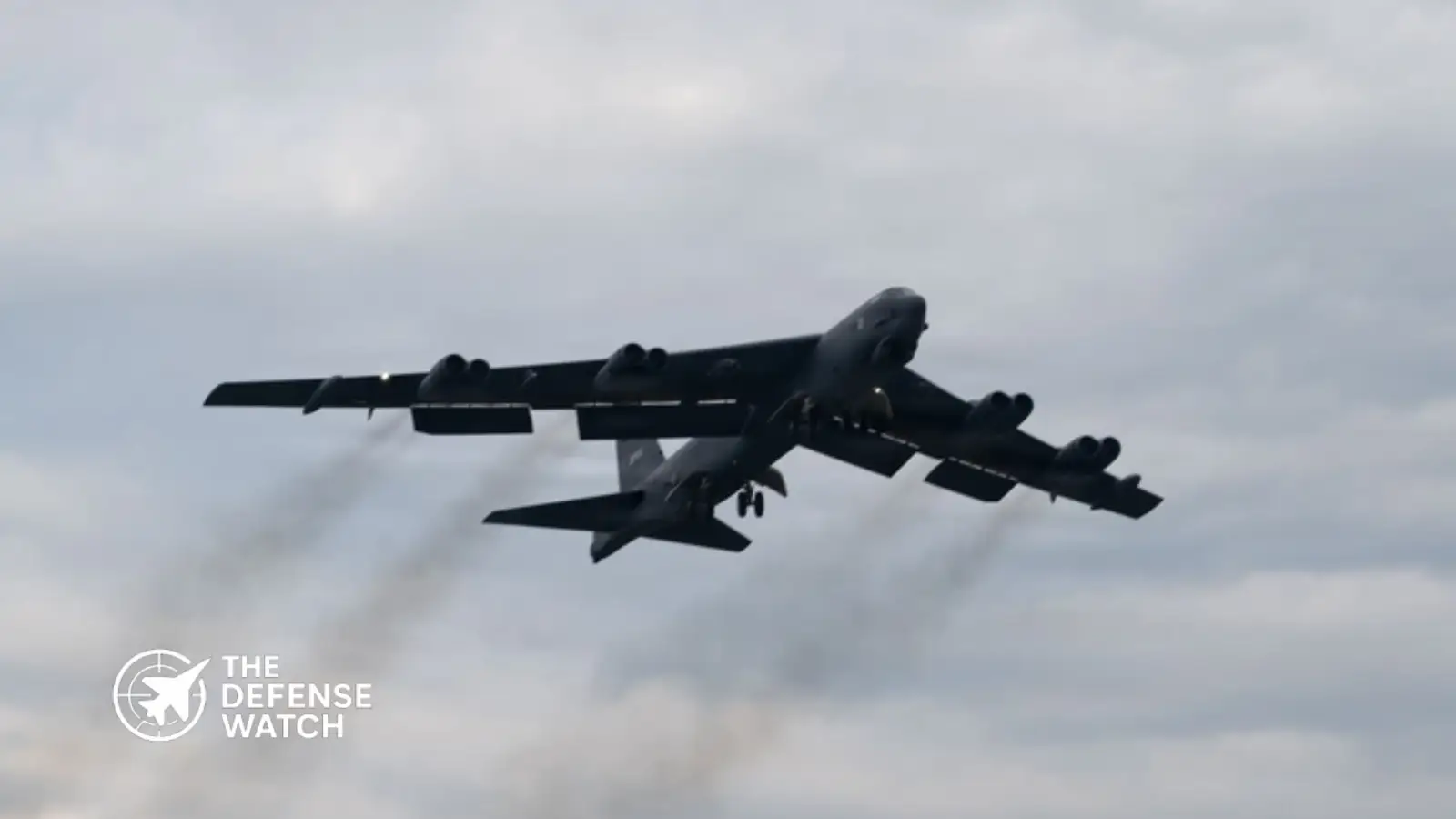
Multiple U.S. military aircraft, including strategic bombers, fighters, and aerial refueling platforms, participated in coordinated operations in British airspace. The activity involved complex air combat scenarios designed to sharpen operational coordination between allied forces.
The exercises took place against a backdrop of heightened NATO focus on deterrence, rapid response capabilities, and large-scale air operations. While such missions are routine elements of alliance training, their scale and visibility underscore the importance both nations place on maintaining a credible airpower posture.
Strategic Bomber Presence Remains Key
A notable aspect of the training was the participation of U.S. strategic bomber aircraft.
Long-range bombers remain among the most flexible tools available to U.S. military planners. They can rapidly deploy across continents, carry a wide range of conventional weapons, and integrate with allied air forces during multinational operations.
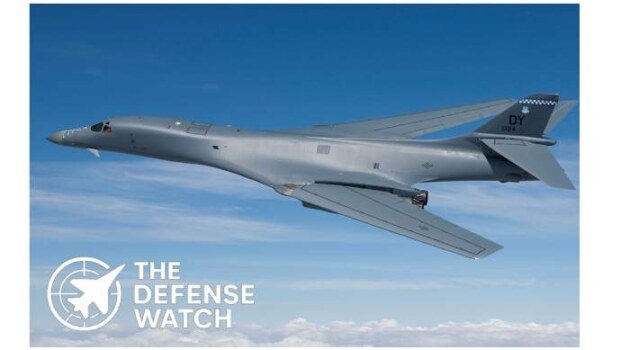
RAF Fairford continues to serve as an important hub for visiting U.S. bomber deployments in Europe. The base has supported multiple rotations involving American bomber aircraft in recent years and remains a critical location for transatlantic airpower operations. Earlier this year, U.S. B-1B Lancer bombers were deployed to Britain as part of broader regional security operations.
The ability to operate strategic bombers from British bases provides operational flexibility while reinforcing NATO’s collective defense posture.
Strengthening U.S.-UK Air Force Integration
The latest activity also highlights the increasingly integrated relationship between the U.S. Air Force and the Royal Air Force.
Modern air operations require seamless coordination among fighters, bombers, surveillance aircraft, electronic warfare platforms, and aerial refueling assets. Joint training allows crews to practice command-and-control procedures, communications, targeting processes, and mission planning under realistic conditions.
For NATO, interoperability is not simply a training objective. It is a core requirement for coalition combat operations. Aircraft from multiple nations must be able to operate together effectively during crises or conflicts.
The United Kingdom remains one of Washington’s closest military partners, and the two nations regularly conduct combined air operations across Europe, the Middle East, and other strategic regions.
Why The Training Matters
The appearance of American jets and bombers over Britain comes as European security planners continue to monitor evolving threats across the continent.
Recent statements from senior British military officials indicate a rise in Russian long-range military aviation activity near NATO’s northern approaches. The Royal Air Force routinely conducts interception and monitoring missions when foreign military aircraft approach areas of interest near UK airspace.
In parallel, NATO members have increased the frequency and complexity of joint exercises aimed at improving readiness and deterrence.
Training missions involving bombers are particularly valuable because they simulate the coordination required for long-range strike operations, air superiority missions, and integrated coalition warfare. These exercises also provide opportunities to validate logistics networks, refueling procedures, and command structures that would be critical during a major contingency.
Airpower As A Deterrence Tool
The strategic value of American jets and bombers extends beyond training alone.
Visible airpower deployments serve as a signal of allied capability and commitment. Strategic bombers can deploy rapidly, operate across vast distances, and integrate with regional forces without requiring permanent forward basing.
For NATO, this flexibility provides an important deterrent advantage. It allows the alliance to demonstrate readiness while maintaining the ability to scale military presence according to evolving security requirements.
The United Kingdom’s geographic position and established military infrastructure continue to make it a central platform for allied air operations across Europe and the North Atlantic.
Analysis: A Broader Trend In NATO Air Operations
Beyond the immediate exercise, the mission reflects a broader shift toward more integrated and distributed air operations among NATO members.
Modern conflicts increasingly require coordination across multiple domains, including air, space, cyber, and electronic warfare. Large-scale training events help allied forces test these capabilities before they are needed in real-world operations.
The presence of American jets and bombers over Britain also demonstrates how NATO is leveraging existing infrastructure and long-standing partnerships to improve readiness without establishing large new permanent force structures.
As European security challenges continue to evolve, such exercises are likely to remain a regular feature of alliance operations, providing both practical training value and strategic reassurance to NATO members.
Conclusion
The latest operations involving American jets and bombers over Britain highlight the enduring strength of U.S.-UK defense cooperation and NATO airpower integration.
While primarily a training event, the mission showcased capabilities that are central to alliance deterrence, including strategic bomber operations, multinational coordination, and rapid-response airpower. As NATO continues adapting to a changing security environment, exercises of this type remain essential for maintaining combat readiness and collective defense effectiveness.