(adsbygoogle = window.adsbygoogle || []).push({});Executive Summary:
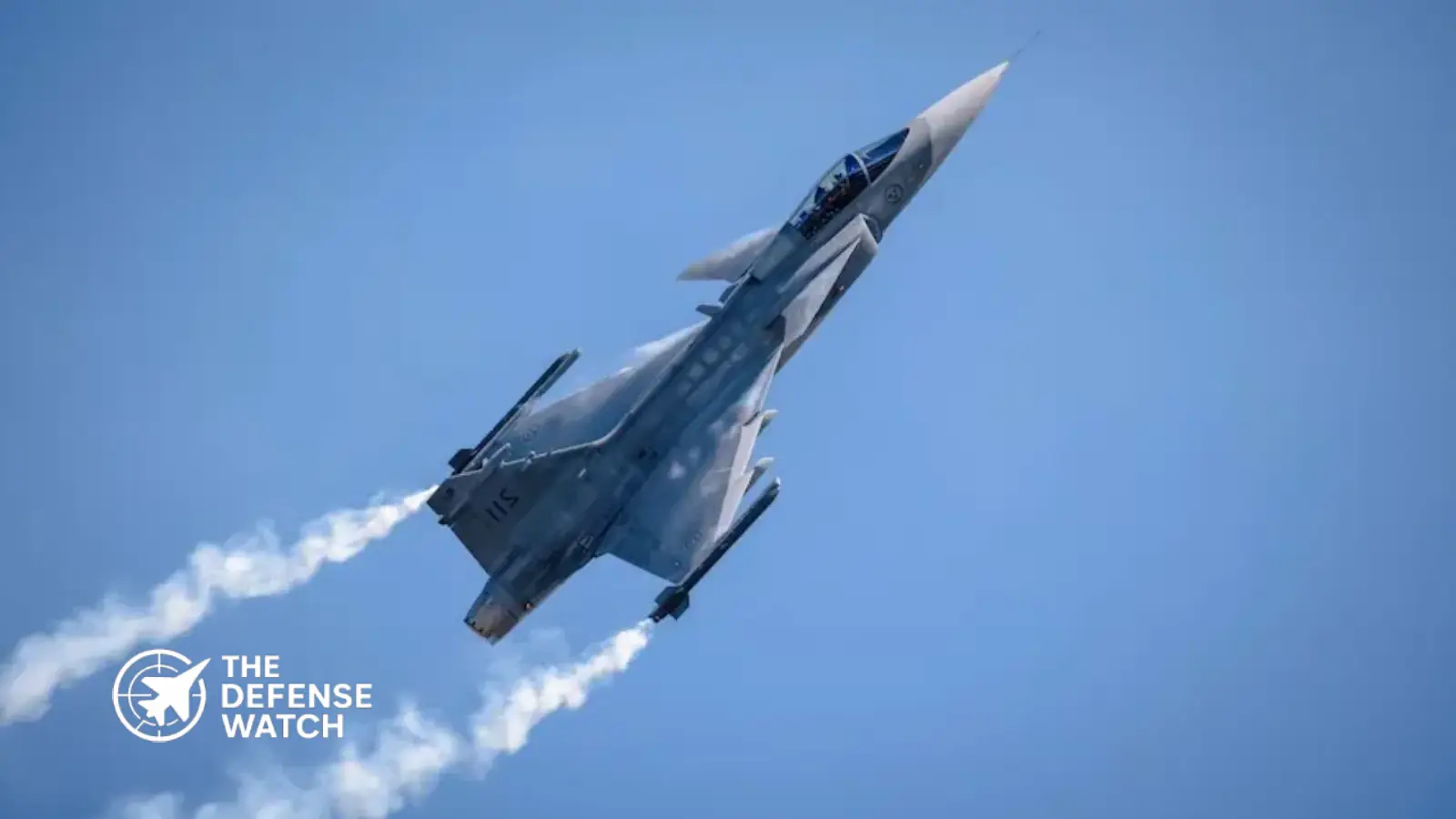
Sweden’s Saab Gripen fighter is approaching a defining moment as Ukraine moves forward with plans to acquire the aircraft for frontline operations against Russia. The agreement could make the Gripen a central element of Ukraine’s future air force while providing the Swedish-designed fighter its first large scale test in high intensity modern warfare.
Ukraine’s Gripen Fighter Plan Moves Forward
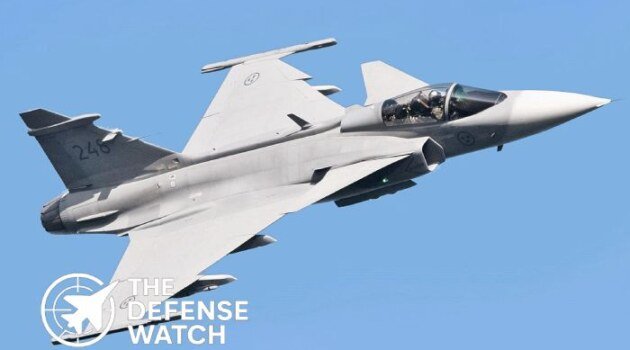
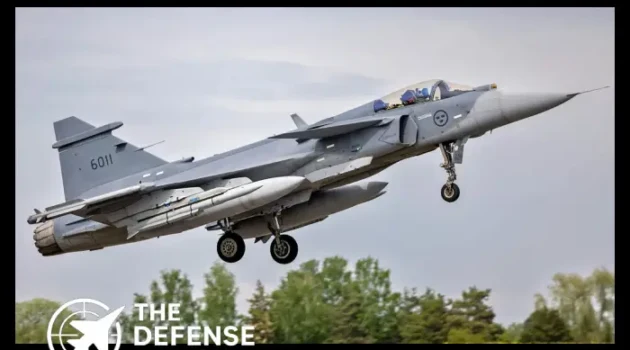
The Saab Gripen fighter jet is set to play a significantly larger role in Ukraine’s defense strategy following a major agreement between Kyiv and Stockholm.
Ukraine has allocated €2.5 billion from a broader European Union support package to purchase 20 new Gripen E fighters while also receiving 16 older Gripen aircraft from Sweden. Ukrainian officials have described the aircraft as a future backbone of the country’s air force.
The agreement follows months of negotiations between Ukraine, Sweden, and Swedish aerospace manufacturer Saab. The broader framework could eventually allow Ukraine to acquire as many as 150 Gripen fighters over time.
For Ukraine, the deal represents more than a simple aircraft purchase. It is part of a long term effort to rebuild an air force that has been under constant pressure since Russia’s full scale invasion.
(adsbygoogle = window.adsbygoogle || []).push({});Why The Gripen Matters In Ukraine
Unlike many Western fighters designed around established airbases, the Gripen was developed during the Cold War to operate under conditions where fixed infrastructure could be targeted by Russian attacks.
This design philosophy aligns closely with Ukraine’s wartime operating environment.
The aircraft can take off and land from roads and improvised runways, allowing dispersal across multiple locations. Ukrainian defense officials told Reuters that the aircraft’s ability to operate from highways, temporary airstrips, and concealed locations matches current Ukrainian tactics.
Another key advantage is maintenance efficiency.
According to Ukrainian defense representatives, a small crew can refuel, rearm, and prepare a Gripen for another mission in less than 10 minutes. Operating costs are also reported to be significantly lower than those of fifth generation fighters such as the F-35 Lightning II.
The Gripen’s compatibility with advanced weapons systems, including the long range Meteor air to air missile, could also help Ukraine challenge Russian aircraft operating near the front line.
A Real World Test For Swedish Aerospace Technology
For Sweden and Saab, the Ukraine deployment carries major strategic significance.
Although the Gripen has participated in surveillance, air policing, and limited military operations, it has never faced the type of sustained, high intensity combat environment currently seen in Ukraine. Reuters reported that Swedish military experts view the conflict as the first true operational test against the type of Russian systems the aircraft was originally designed to counter.
(adsbygoogle = window.adsbygoogle || []).push({});That reality creates both opportunity and risk.
A successful performance could strengthen Saab’s position in future fighter competitions and export campaigns. Several countries are already evaluating fighter modernization options, and operational experience from Ukraine would provide valuable real world data.
At the same time, any shortcomings would be closely scrutinized by military planners worldwide.
Limitations Remain Despite The Aircraft’s Strengths
Defense analysts caution against expecting the Gripen to fundamentally change the balance of air power over Ukraine.
Experts interviewed by Reuters noted that Russia continues to maintain a substantial integrated air defense network. While the Gripen may improve Ukraine’s operational flexibility and survivability, it is unlikely to deliver uncontested air superiority.
The Gripen also lacks the stealth characteristics of fifth generation fighters and carries a lighter weapons payload than some competing aircraft. These factors could limit certain mission profiles in heavily defended areas.
Nevertheless, analysts generally view the aircraft as well suited for Ukraine’s operational realities, particularly in a conflict where survivability, dispersal, and rapid turnaround are critical factors.
Production Challenges Ahead
The deal also highlights growing demand for European defense manufacturing.
Reuters reported that Saab already has more than 100 Gripen E aircraft on order and is working to increase annual production capacity. The company currently manufactures roughly 15 aircraft per year and aims to expand output significantly as international interest grows.
- (adsbygoogle = window.adsbygoogle || []).push({});
Future cooperation with Ukraine could extend beyond aircraft deliveries to include maintenance, overhaul capabilities, spare parts support, and potentially local industrial participation.
Strategic Implications
The Gripen agreement reflects a broader trend across Europe as governments accelerate defense cooperation and military modernization programs in response to Russia’s continued aggression.
For Ukraine, the aircraft offers a practical platform tailored to dispersed wartime operations.
For Sweden, it provides an unprecedented opportunity to demonstrate the capabilities of its flagship fighter in one of the world’s most demanding combat environments.
The coming years may determine whether the Gripen becomes a niche European fighter or emerges as one of the most combat proven Western aircraft of the post Cold War era.
- (adsbygoogle = window.adsbygoogle || []).push({});
International Fighter Jets Challenge American Air Dominance
While best non-American fighter jets continue gaining global recognition, the United States maintains its position as the world’s foremost military aerospace designer. However, international competitors have fielded combat aircraft demonstrating exceptional capabilities across multiple domains. Five platforms stand out as particularly impressive: Russia’s Sukhoi Su-57 Felon, China’s Chengdu J-20 Mighty Dragon, France’s Dassault Rafale, the multinational Eurofighter Typhoon, and Sweden’s Saab JAS 39 Gripen.
(adsbygoogle = window.adsbygoogle || []).push({});These aircraft represent the pinnacle of non-American military aviation engineering, each bringing unique strengths to their respective air forces. From stealth technology to combat-proven versatility, these fighters have earned their place among the world’s elite combat platforms.
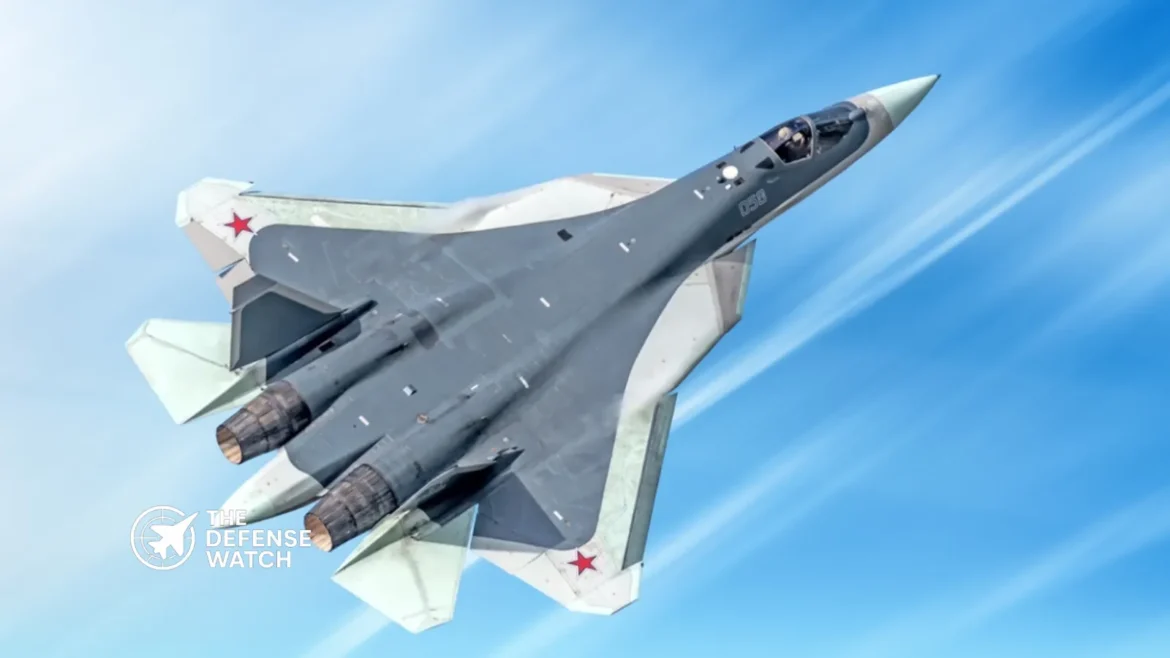
Russia’s Su-57 Felon: Fifth-Generation Stealth Fighter
The Sukhoi Su-57 Felon represents Russia’s first fifth-generation stealth fighter, designed for both air superiority and multirole missions. With a stealth-optimized airframe, supercruise capability, and thrust-vectoring engine nozzles, the Su-57 stands as arguably the most advanced non-American fighter currently operational.
Technical Specifications:
- Armament: Internal 30mm GSh-30-1 cannon
- Weapons Systems: R-77M long-range and R-37M extended-range air-to-air missiles
- Stealth Features: Internal weapons bay for reduced observability
- Advanced Capabilities: Hypersonic missile compatibility
The Su-57’s exceptional maneuverability stems from its thrust-vectoring nozzles and advanced aerodynamic design. According to defense analysts, the aircraft can deliver serious ordnance while maintaining low observability against modern radar systems.
- (adsbygoogle = window.adsbygoogle || []).push({});
However, production challenges have limited the Su-57’s operational deployment. Only a handful of aircraft have achieved operational readiness, with full-scale deployment still pending. Current production models utilize interim AL-41F1 engines, while the more advanced Izdeliye 30 engine remains under development.
Despite these constraints, the Su-57 continues supporting Russian operations, progressing from launching standoff cruise missiles to executing precision ground strikes. The platform demonstrates formidable capabilities in contested airspace environments.
China’s J-20 Mighty Dragon: Asian Stealth Power
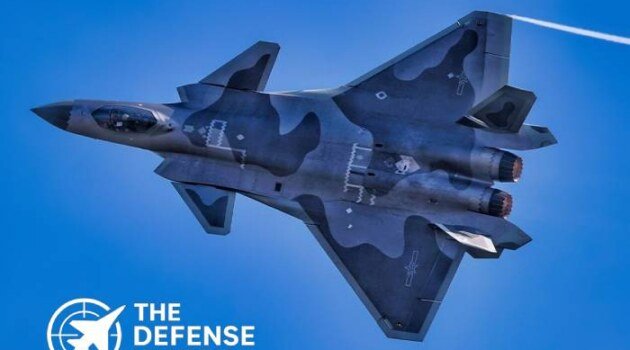
China’s Chengdu J-20 Mighty Dragon represents Beijing’s emergence as a peer competitor in advanced aerospace technology. Entering service in 2017, the J-20 has been produced in significant numbers, with estimates suggesting over 200 aircraft operational by early 2026.
Key Features:
- Role: Long-range patrol and high-value target hunter
- Design: Large airframe with significant fuel reserves
- Weapons: Internal weapons bays plus external hardpoints
- Engines: Latest variants feature domestically-produced WS-15 engines
The J-20 regularly patrols contested airspace over the East and South China Seas, signaling China’s growing airpower capabilities. While speculation suggests the aircraft may have incorporated technology from the F-22 Raptor program, the J-20 demonstrates capabilities inferior to American fifth-generation platforms in stealth performance.
(adsbygoogle = window.adsbygoogle || []).push({});Defense experts note the J-20’s mission focuses on hunting high-value targets including USAF tanker aircraft and airborne command and control platforms. China’s lack of airborne tankers influenced the design toward a very large plane with substantial internal fuel capacity.
France’s Dassault Rafale: Combat-Proven Omnirole Fighter
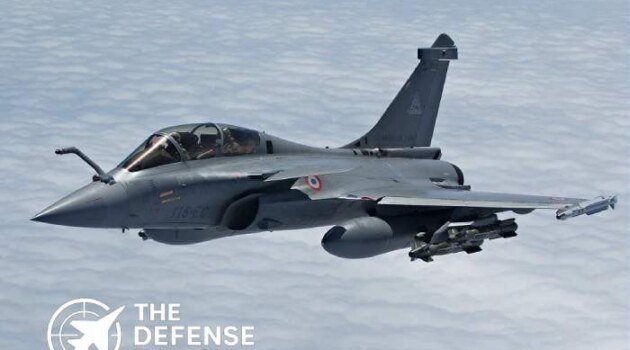
The Dassault Rafale has emerged as one of the most successful fourth-generation-plus fighters globally, combining multirole versatility with proven combat effectiveness. France’s flagship fighter delivered record numbers in 2025, with 26 aircraft delivered—exceeding the company’s target.
Combat Record:
- First Deployment: Afghanistan (2007)
- Combat Operations: Iraq, Libya, Mali, Syria
- Recent Action: India-Pakistan operations (2025)
- Operational Nations: France, India, Egypt, Qatar, Greece, Croatia, Indonesia, UAE, Serbia
Dassault Aviation reported 220 Rafales in backlog as of December 31, 2025, with 175 aircraft destined for export customers. The company plans to increase production to four aircraft per month to meet growing international demand.
Technical Capabilities:
- Radar System: RBE2 AA active electronically scanned array (200 km detection range)
- Engines: Twin Snecma M88 (supercruise capable)
- Speed: Mach 1.6 (Mach 2+ with afterburners)
- Electronic Warfare: Advanced SPECTRA self-protection suite
The Rafale’s omnirole capability allows it to perform multiple missions in a single sortie, from air superiority to ground attack, reconnaissance, and nuclear deterrence. This versatility has proven particularly attractive to nations seeking alternatives to American or Russian platforms.
(adsbygoogle = window.adsbygoogle || []).push({});India’s selection of the Rafale over the F-35 and Su-57 demonstrates the aircraft’s international appeal. The Indian Air Force operates Rafales from strategically positioned bases at Ambala and Hasimara, with a reported proposal for 114 additional aircraft under consideration.
The carrier-capable Rafale M variant remains the only non-American fighter cleared for operation on U.S. aircraft carriers, highlighting the platform’s exceptional engineering and interoperability.
Eurofighter Typhoon: European Air Defense Backbone
Developed through a joint defense program among the United Kingdom, Germany, Italy, and Spain, the Eurofighter Typhoon represents multinational European aerospace cooperation at its finest. The fourth-generation-plus aircraft demonstrates excellent aerodynamics and maneuverability, achieving a top speed of Mach 2 (1,480 mph).
Key Specifications:
- Armament: 27mm Mauser BK-27 revolver cannon
- Hardpoints: 13 total (8 underwing, 5 under-fuselage)
- Payload Capacity: 9,000 kg (19,800 lb)
- Advanced Features: Modular architecture for technology integration
The Typhoon’s modular design allows for easy integration of new technology, keeping the platform continuously relevant and adaptable. Recent upgrades include the Captor-E AESA radar, updated mission systems, and next-generation air-to-air missile integrations.
(adsbygoogle = window.adsbygoogle || []).push({});Defense analysts note the Typhoon excels in both air-to-air and ground-attack missions. With upgrades planned into the 2040s, the aircraft is expected to remain crucial to European defense for another generation, bridging capabilities until sixth-generation platforms like FCAS and GCAP become operational.
Sweden’s Saab JAS 39 Gripen: Cost-Effective Multirole Platform
Sweden’s Saab JAS 39E Gripen represents a cost-effective multirole fighter with advanced capabilities that punch above its weight class. The latest E variant features significant upgrades over previous generations, offering capabilities that compete with larger, more expensive platforms.
Technical Advancements:
- Engine: GE F414 with increased fuel capacity
- Radar: Raven ES-05 AESA radar
- Sensors: Skyward-G infrared search and track (IRST)
- Electronic Warfare: Advanced survivability systems
- Armament: 27mm Mauser BK-27 cannon (omitted on two-seat variants)
The Gripen’s design emphasizes cost-effectiveness, versatility, and ease of maintenance. Defense experts highlight the aircraft’s highly survivable profile in contested airspace, achieved through its all-new avionics suite and electronic warfare capabilities.
Weapons Integration:
- Air-to-air: AIM-9 Sidewinder missiles
- Air-to-ground: AGM-65 Maverick missiles
- Anti-ship: RBS-15 missiles
The Gripen’s affordability and performance have attracted international customers seeking to democratize access to advanced fighter capabilities. Nations in Africa and Southeast Asia view the platform as an attractive alternative to more expensive American or European options.
Global Fighter Market Dynamics
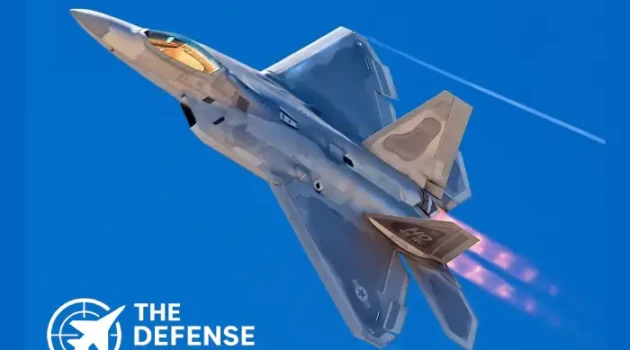
The dominance of non-American platforms reflects changing geopolitical dynamics and technological proliferation. While U.S. fighters like the F-35 and F-22 maintain technological edges in certain domains, international competitors have successfully carved out market niches through different value propositions.
Export Success Factors:
- Technology Transfer: France’s willingness to include technology sharing
- Strategic Autonomy: ITAR-free supply chains (particularly Rafale)
- Cost Considerations: More affordable alternatives to fifth-generation platforms
- Combat Proven: Operational track records in real-world conflicts
- Versatility: Multirole capabilities reducing need for specialized platforms
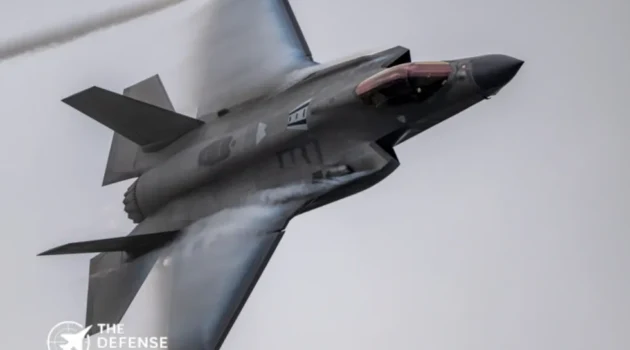
The F-35’s sensor fusion and network-centric warfare capabilities remain unmatched, with over 1,000 units delivered by mid-2025. However, platforms like the Rafale have successfully positioned themselves as capable alternatives for nations seeking proven performance without full fifth-generation investment.
Future Developments and Sixth-Generation Programs
The global fighter landscape continues evolving rapidly. The United States awarded Boeing the Next-Generation Air Dominance (NGAD) contract in 2025, designating the future jet as the F-47. This sixth-generation platform will introduce collaborative combat aircraft, allowing crewed fighters to quarterback up to five unmanned wingmen.
European nations are developing the Future Combat Air System (FCAS) and Global Combat Air Programme (GCAP), both targeting operational capability in the 2030s. The upcoming Rafale F5 variant, scheduled for around 2030, will integrate AI-assisted mission systems, enhanced stealth coatings, and expanded sensor fusion.
China continues advancing its aviation sector, with the mysterious J-36 featuring a unique stealth design configuration. Russia faces production and industrial challenges limiting Su-57 deployment, though the platform continues evolving with improved engines and weapons integration.
Strategic Implications
The proliferation of capable non-American fighter platforms signals a multipolar aerospace industry landscape. Nations increasingly have options beyond traditional U.S. or Soviet/Russian suppliers, enabling strategic diversification and reduced dependence on single sources.
For U.S. defense planners, this reality demands continued innovation and competitive pricing. The F-35 program’s falling unit costs (approximately $80-90 million for the F-35A variant as of 2025) reflect market pressures from capable international competitors.
(adsbygoogle = window.adsbygoogle || []).push({});Mid-tier powers benefit from expanded choices, with collaborative programs and technology transfer arrangements enabling indigenous aerospace industry development. South Korea’s KF-21, Turkey’s TF-X (later renamed Kaan), and India’s AMCA represent this trend toward domestic fifth-generation fighter development.
Conclusion
The best non-American fighter jets demonstrate that while U.S. aerospace manufacturers lead in certain technological domains, international competitors field formidable platforms across multiple capability areas. From Russia’s Su-57 Felon to Sweden’s cost-effective Gripen, these aircraft represent diverse approaches to modern air combat requirements.
France’s Rafale stands out for combat-proven versatility and export success, delivering 26 aircraft in 2025 and maintaining a backlog of 220 orders. The Eurofighter Typhoon continues serving as Europe’s air defense backbone with planned upgrades through the 2040s. China’s J-20 Mighty Dragon demonstrates Beijing’s rapid advancement in stealth technology, while Sweden’s Gripen offers an attractive cost-effective alternative.
(adsbygoogle = window.adsbygoogle || []).push({});As sixth-generation programs advance globally, the competition for air superiority will intensify. Nations investing in advanced aerospace capabilities position themselves for strategic advantage in an increasingly contested environment. The integration of artificial intelligence, directed energy weapons, and unmanned systems will further transform air combat in the coming decades.
For defense analysts and military planners, understanding these platforms’ capabilities and limitations remains essential for assessing global military balance and future conflict dynamics.

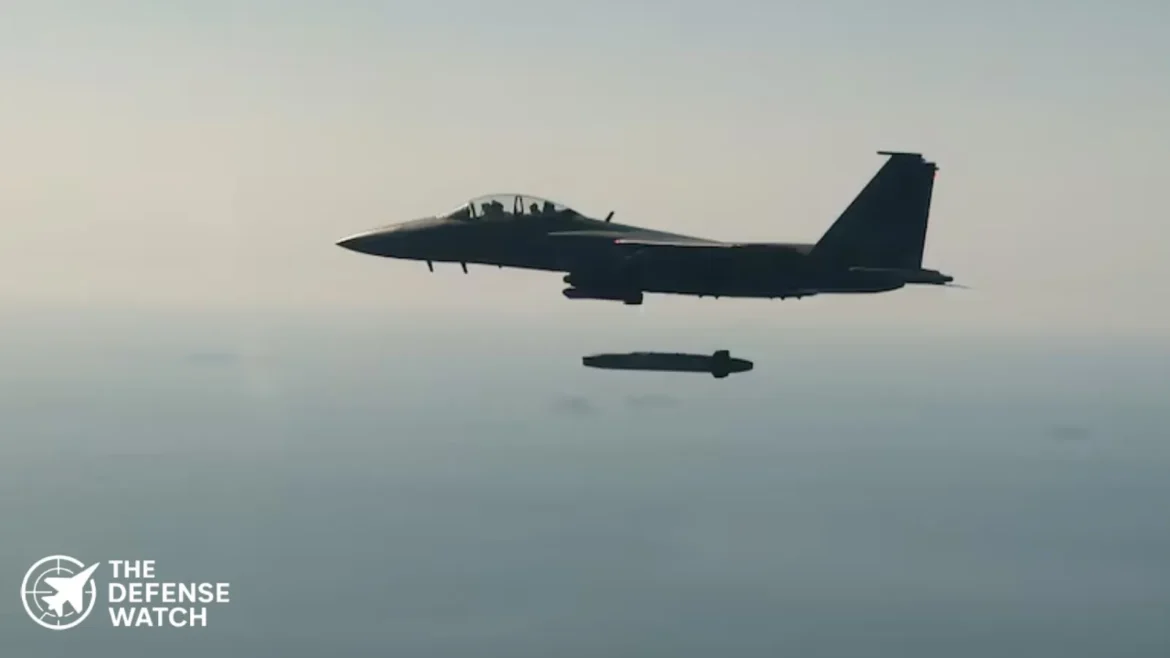
Sweden is accelerating the integration of the German-made Taurus KEPD-350 cruise missile onto its JAS39 Gripen fighter jets. Initially planned for 2028, the air force now expects operational capability much earlier. The Taurus missile carries a 481-kilogram warhead and can target hardened or deeply buried installations at ranges exceeding 500 kilometers.
How It Works
The Taurus missile is an air-launched, long-range cruise missile developed by Taurus Systems GmbH, a joint German-Swedish venture between MBDA Deutschland and Saab. Gripen E jets will carry the missile, supported by upgraded avionics that separate combat software from flight-safety systems. This allows rapid software and hardware upgrades to enhance mission capability without grounding the aircraft for long periods.
Why It Matters
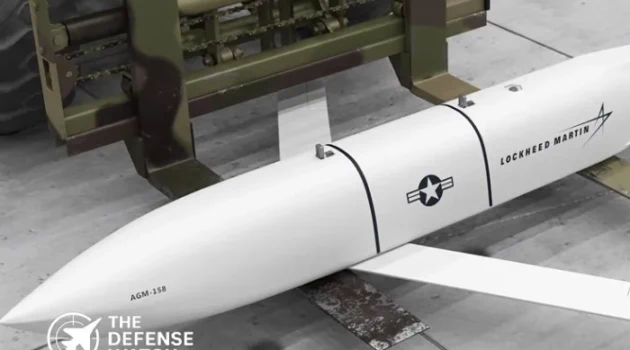
For Sweden, this is a major shift from defensive air operations to a credible deep-strike capability. Previously, the Swedish Air Force focused on territorial defense. Now, it can potentially strike strategic targets well behind enemy lines. Comparable capabilities exist in the U.S. with the AGM-158 JASSM or Germany’s Tornado IDS with Taurus, but this move gives Sweden autonomous long-range precision strike options without relying on allied platforms.
Strategic Context
The accelerated integration reflects broader European and global security competition. As Russia and other regional powers expand long-range strike capabilities, Sweden is ensuring its deterrence posture is credible. Early operational capability also allows Sweden to influence NATO exercises, doctrine, and interoperability with partners, while retaining national control over sensitive strike assets.
Outlook
The move signals that Sweden is prioritizing flexible, rapid modernization for its air force. The combination of the Gripen E and Taurus missile positions the country as a capable actor in European strategic defense, capable of contributing to regional stability and responding to emerging threats independently or alongside NATO allies.