Executive Summary:
A Turkish defense firm has signed a deal to export 100,000 kamikaze drones, marking one of the largest loitering munition agreements to date. The deal underscores Türkiye’s rapid rise as a global UAV supplier and signals increasing demand for low-cost precision strike systems.
Türkiye Expands Kamikaze Drone Exports With Massive Deal
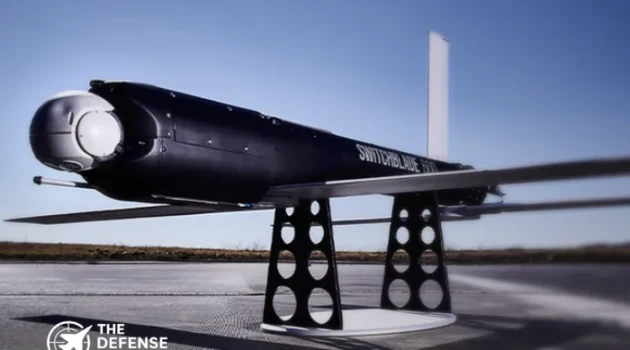
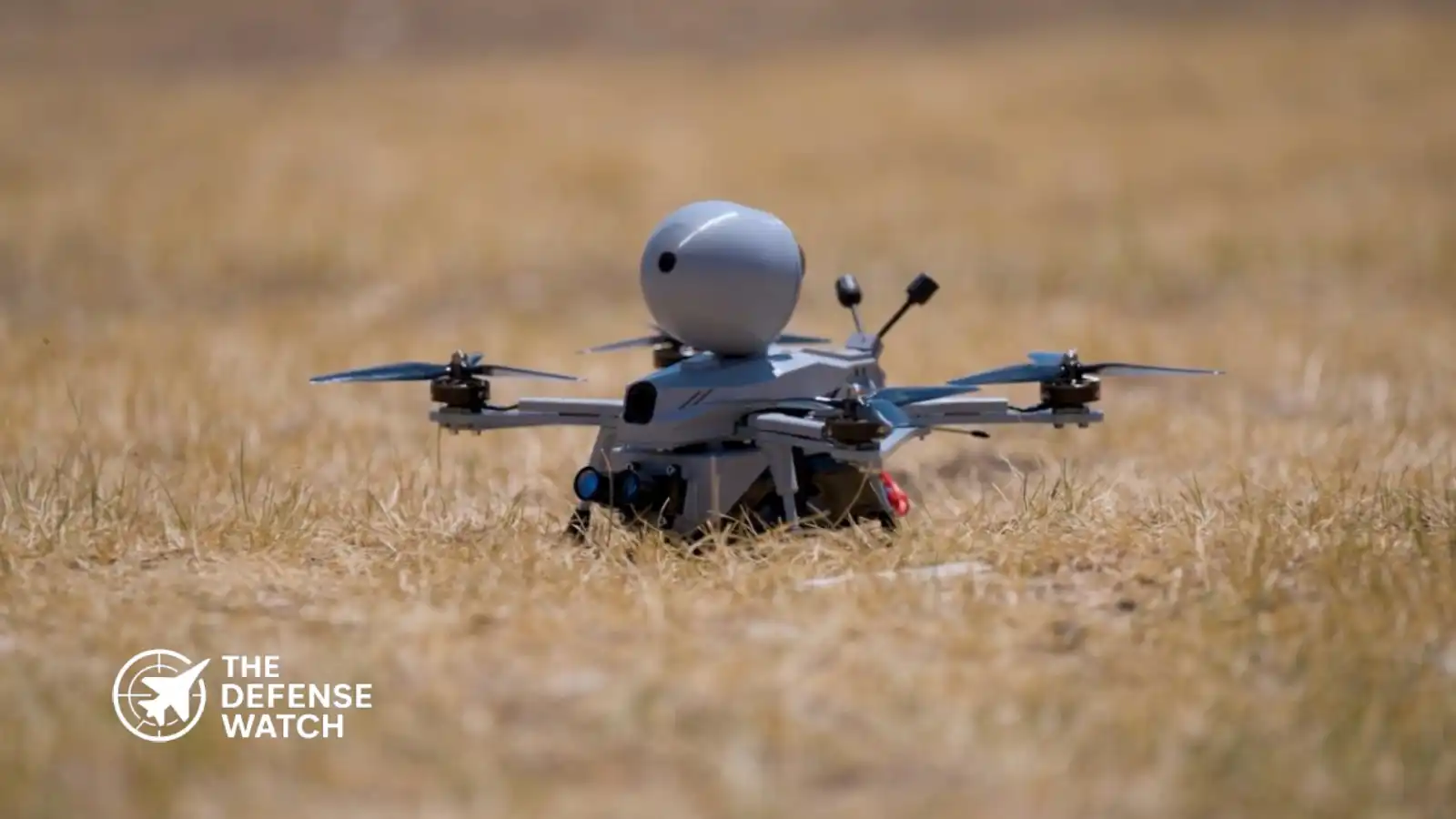
Türkiye kamikaze drone export efforts have taken a major leap forward after a domestic defense company secured a contract to deliver 100,000 loitering munitions. The scale of the agreement places it among the largest known drone export deals globally and reflects the accelerating demand for expendable precision strike systems.
The agreement highlights Türkiye’s evolving defense industrial base, which has rapidly shifted from import dependence to a net exporter of advanced unmanned systems over the past decade.
Scaling Production for High-Volume Warfare
The Türkiye kamikaze drone export deal stands out not only for its size, but for what it suggests about future warfare trends. Loitering munitions, often called kamikaze drones, combine surveillance and strike capabilities in a single platform. They are relatively low-cost, easy to deploy, and highly effective against armored vehicles, air defense systems, and troop concentrations.
Producing 100,000 units requires a level of industrial scaling that few countries have demonstrated. Turkish manufacturers have increasingly focused on modular designs, simplified supply chains, and domestic component production to support mass output.
This shift mirrors lessons observed in recent conflicts, where high attrition rates demand large stockpiles of expendable systems rather than limited numbers of high-end platforms.
Strategic Implications for Global Defense Markets
The Türkiye kamikaze drone export deal reinforces the country’s position as a key competitor in the global UAV market, alongside established players such as Israel Aerospace Industries and emerging suppliers from Asia.
Unlike more expensive Western systems, Turkish drones are often positioned as cost-effective alternatives, making them attractive to countries with constrained defense budgets. This pricing advantage, combined with combat-proven performance, has driven export success across regions including the Middle East, Africa, and Eastern Europe.
From a U.S. perspective, the deal highlights a growing competitive space in low-cost autonomous weapons. While American firms lead in high-end unmanned systems, Türkiye’s focus on scalable, affordable solutions aligns closely with current battlefield realities.
Operational Impact of Mass Loitering Munitions
The Türkiye kamikaze drone export initiative reflects a broader doctrinal shift toward distributed, drone-centric warfare. Large quantities of loitering munitions enable saturation attacks that can overwhelm traditional air defense systems.
Recent conflicts have shown that even advanced defenses struggle against coordinated drone swarms. The availability of tens of thousands of such systems could significantly alter the tactical balance in regional conflicts, particularly where air superiority is contested.
In practical terms, this means militaries are increasingly prioritizing:
- Rapid deployment capabilities
- Networked drone operations
- Integration with ISR (intelligence, surveillance, reconnaissance) systems
The scale of this deal suggests that recipient forces are preparing for sustained, high-intensity operations rather than limited engagements.
Türkiye’s Defense Industry Momentum
The Türkiye kamikaze drone export deal is part of a broader trend in the country’s defense sector, which has seen significant growth driven by government support and export-oriented policies.
Companies such as Baykar and STM have played key roles in developing unmanned platforms that are both technologically capable and commercially viable.
Türkiye’s emphasis on indigenous development has reduced reliance on foreign suppliers, allowing for greater flexibility in exports without the restrictions often associated with Western systems.
This autonomy has proven to be a decisive advantage in securing international contracts.
Market Demand Driven by Recent Conflicts
Demand for loitering munitions has surged following their extensive use in conflicts such as the Nagorno-Karabakh conflict and the ongoing war in Ukraine. These systems have demonstrated their effectiveness against both conventional and asymmetric targets.
The Türkiye kamikaze drone export deal reflects how militaries are adapting procurement strategies to prioritize:
- Cost-efficiency
- Rapid replenishment
- Tactical flexibility
In this context, large-scale procurement of kamikaze drones is not just a capability upgrade, but a necessity for modern warfare planning.
Analysis: A Shift Toward Industrialized Drone Warfare
At least 30 percent of the significance of this deal lies beyond the contract itself. The Türkiye kamikaze drone export agreement signals a transition toward industrialized drone warfare, where quantity plays a decisive role alongside quality.
Traditional defense procurement emphasized fewer, highly advanced systems. Today, the battlefield increasingly rewards volume, adaptability, and resilience. Loitering munitions fit this model perfectly.
For NATO and U.S. planners, the implication is clear. Future conflicts may involve adversaries equipped with large inventories of low-cost drones capable of sustained operations. Countermeasures will need to evolve accordingly, focusing on electronic warfare, directed energy weapons, and layered air defense systems.
Türkiye’s ability to produce and export such systems at scale positions it as a key player in shaping this new operational environment.