Executive Summary:
Baykar has signed an agreement to export its unmanned fighter jet to Indonesia, marking a significant step in Turkey’s defense export strategy. The deal highlights growing demand for advanced UAV capabilities and signals deeper Ankara–Jakarta defense cooperation. It also positions Turkey as a rising competitor in the global high-end drone market.
Baykar Unmanned Fighter Jet Deal Signals Strategic Expansion
The Baykar unmanned fighter jet deal with Indonesia underscores Turkey’s accelerating push into high-end UAV exports and reflects Jakarta’s effort to modernize its air combat capabilities.
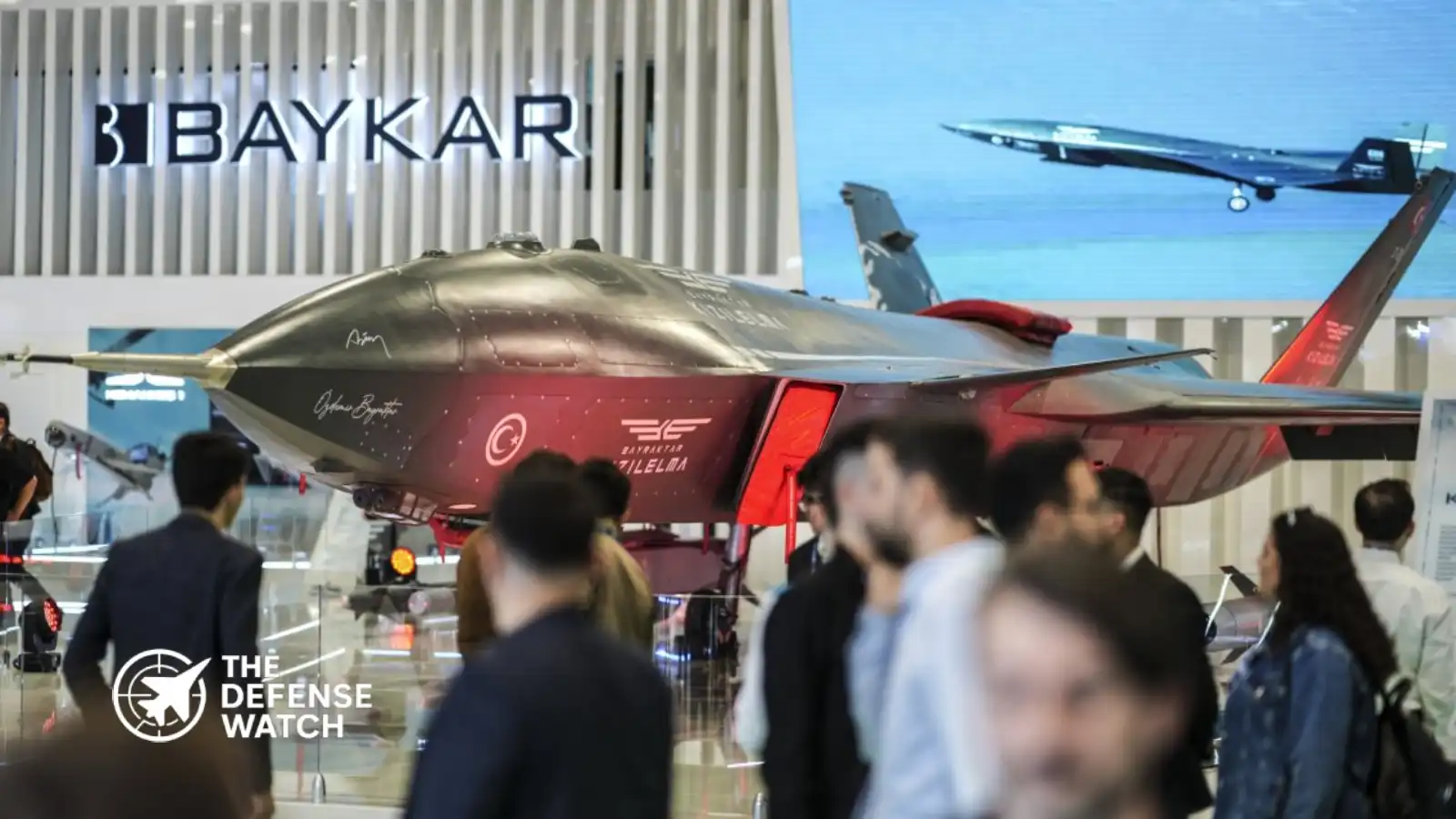
Baykar has reached an agreement with Indonesia for the sale of its next-generation unmanned combat aircraft, widely understood to be linked to the Kizilelma program. While financial details and delivery timelines remain undisclosed, the agreement represents one of the most advanced UAV export moves by Turkey to date.
The deal builds on a broader defense relationship between the two countries, which has expanded in recent years across naval platforms, armored vehicles, and aerospace collaboration.
Advancing The Kizilelma Unmanned Fighter Concept
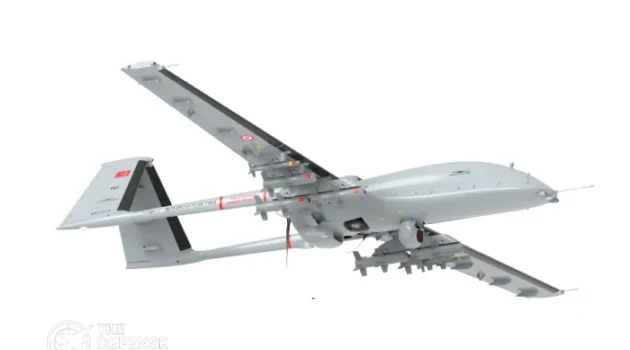
At the center of the agreement is Baykar’s Kizilelma, a jet-powered unmanned combat aircraft designed for air-to-air and air-to-ground missions. Unlike traditional UAVs such as the Bayraktar TB2, Kizilelma is intended to operate in contested environments, including alongside manned fighter aircraft.
The platform is expected to feature:
- High subsonic or near-supersonic speed
- Reduced radar cross-section characteristics
- Compatibility with short-runway or carrier operations
- Advanced autonomy and AI-assisted mission systems
From an operational standpoint, this moves Turkey beyond tactical drones into the emerging category of unmanned fighter aircraft, an area also being explored by the United States, China, and Russia.
Analysis:
This deal reflects a shift in UAV demand from surveillance and strike roles toward multi-role combat systems. Countries like Indonesia are not just buying drones for counterinsurgency, but for peer-level deterrence and airpower augmentation.Indonesia’s Modernization Drive And Strategic Needs
For Indonesia, the Baykar unmanned fighter jet deal aligns with its broader military modernization goals. The Indonesian Air Force has been working to upgrade its fleet amid rising regional competition and growing operational demands across its vast archipelago.
Jakarta faces several challenges:
- Monitoring and securing expansive maritime zones
- Responding to gray-zone activities in contested waters
- Enhancing deterrence without the high cost of large fighter fleets
Unmanned fighter aircraft offer a cost-effective complement to manned platforms, enabling persistent presence and reduced risk to pilots.
Analysis:
Indonesia’s interest in advanced UAVs reflects a pragmatic approach. Rather than relying solely on expensive fourth- or fifth-generation fighters, Jakarta is diversifying its airpower mix with unmanned systems that can scale more quickly and operate flexibly.Turkey’s Rising Position In The Global UAV Market
The agreement further strengthens Turkey’s position as a major exporter of unmanned systems. Over the past decade, Baykar has gained international recognition through platforms like the Bayraktar TB2, which has been exported to multiple countries and used in various conflicts.
With Kizilelma, Turkey is attempting to move up the value chain.
Key implications include:
- Entry into the high-end UAV segment
- Increased competition with U.S., Chinese, and Israeli systems
- Expansion of defense diplomacy in Asia
Analysis:
Turkey’s strategy combines affordability, operational credibility, and fewer export restrictions compared to Western suppliers. This creates a competitive edge, particularly among countries seeking advanced capabilities without political constraints.Broader Geopolitical And Industrial Impact
The Baykar unmanned fighter jet deal also carries geopolitical weight. It strengthens ties between Turkey and Indonesia, two influential regional players with growing defense industries.
Potential long-term outcomes include:
- Technology transfer and co-production opportunities
- Expanded defense-industrial collaboration
- Greater Turkish presence in Southeast Asian defense markets
For Ankara, the deal supports its ambition to become a global defense exporter and reduce reliance on foreign technology. For Jakarta, it offers access to emerging capabilities that could reshape its airpower doctrine.
Operational Implications For Future Air Combat
The introduction of unmanned fighter aircraft like Kizilelma could alter how air forces approach combat operations.
Key trends include:
- Human-machine teaming in air combat
- Increased use of autonomous strike platforms
- Lower-cost force multiplication
Analysis:
If successfully deployed, systems like Kizilelma may reduce the dominance of traditional fighter fleets by enabling distributed, resilient air operations. This could be particularly relevant in regions with complex geography, such as Southeast Asia.Conclusion
The Baykar unmanned fighter jet deal with Indonesia marks a notable in the evolution of global UAV markets. It highlights the growing demand for advanced unmanned combat systems and reinforces Turkey’s emergence as a key defense exporter.
As countries seek cost-effective ways to enhance airpower, deals like this are likely to become more common, reshaping both procurement strategies and the future of aerial warfare.