

Executive Summary:
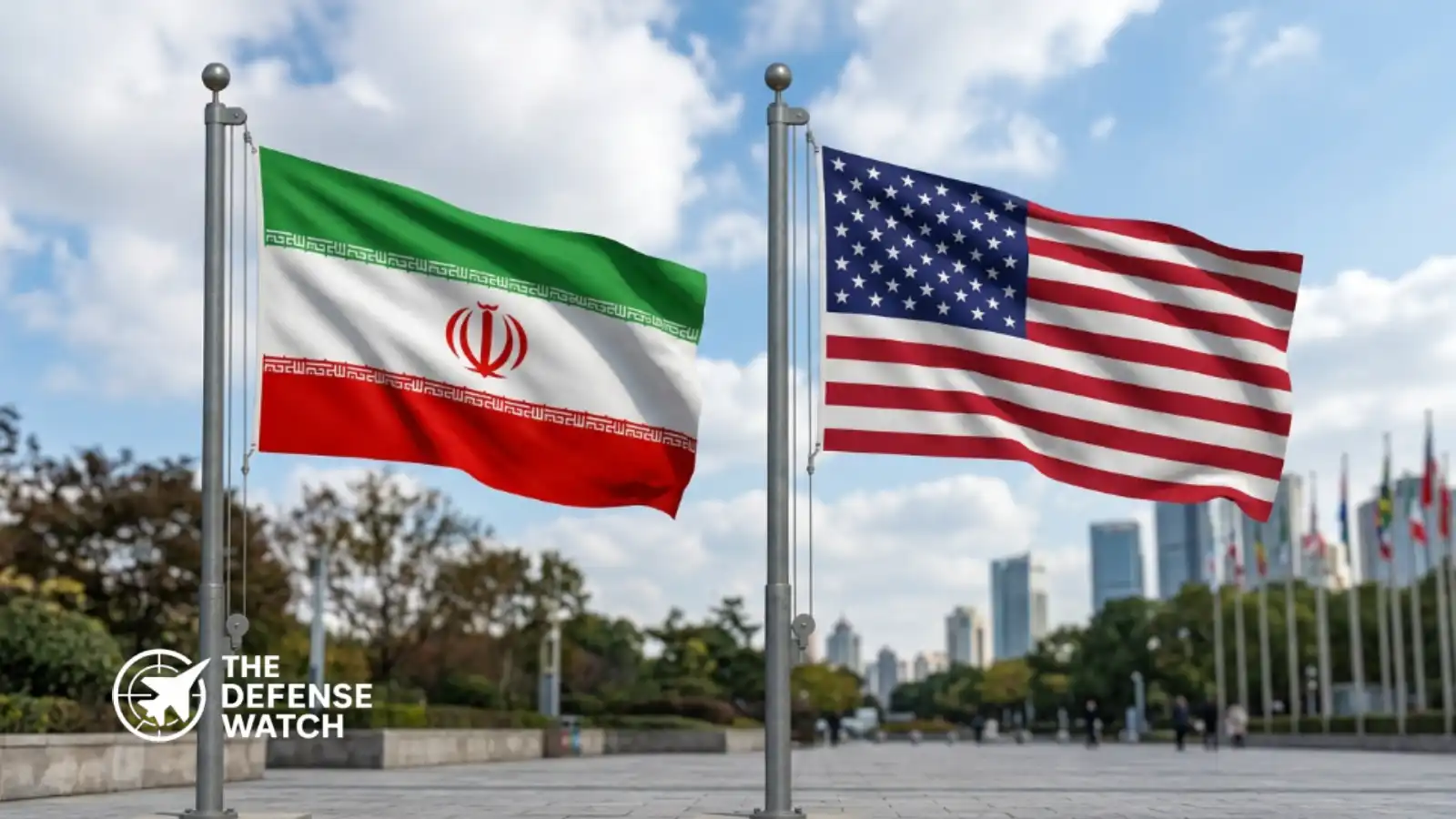
Iran says it is seeking a comprehensive agreement with the United States, signaling a potential shift in its negotiation posture. The move comes amid stalled nuclear talks and mounting geopolitical pressure. The development could reshape regional security dynamics if negotiations resume.
Iran Signals Shift Toward Comprehensive Agreement With US
Iran comprehensive agreement US discussions have re-emerged as Tehran indicated it is open to negotiating a broader deal with Washington, according to recent statements reported by Reuters. The development marks a notable shift in tone after months of stalled diplomacy surrounding Iran’s nuclear program.
Iranian officials emphasized their preference for a “comprehensive” framework rather than incremental or temporary arrangements. This approach suggests Tehran is seeking long-term guarantees tied to sanctions relief, nuclear limitations, and broader political assurances.
The statement comes as tensions remain elevated across the Middle East, with ongoing concerns over nuclear proliferation and regional proxy conflicts shaping the strategic environment.
Context: Stalled Nuclear Talks And Strategic Pressure
Efforts to revive the Joint Comprehensive Plan of Action (JCPOA) have remained largely frozen. Since the U.S. withdrawal from the agreement in 2018, both sides have struggled to reestablish a mutually acceptable framework.
Iran has steadily expanded its nuclear activities, including higher levels of uranium enrichment, which Western officials argue reduces the time needed to produce weapons-grade material. Tehran maintains its program is for peaceful purposes.
Iranian officials now appear to be signaling flexibility, but only within a broader agreement that addresses long-standing grievances, including sanctions and economic restrictions.
From a policy standpoint, this reflects a shift from tactical negotiations toward strategic bargaining. Tehran is likely seeking to avoid short-term deals that could collapse under changing political conditions in Washington.
Strategic Implications For Regional Security
The push for an Iran comprehensive agreement US framework carries significant implications for regional stability. A successful deal could reduce immediate nuclear tensions and lower the risk of escalation between Iran and U.S.-aligned states in the region.
However, the path forward remains complex. Key challenges include:
- Verification mechanisms for nuclear compliance
- Sequencing of sanctions relief
- Guarantees against future withdrawal by either party
For U.S. defense planners, the outcome of these talks directly affects force posture and deterrence strategies in the Middle East. A stable agreement could allow for recalibration of military deployments, while failure could reinforce the need for sustained presence.
Broader Geopolitical Dynamics
Iran’s renewed openness to a comprehensive agreement also reflects shifting global dynamics. Tehran has deepened ties with countries such as China and Russia, while navigating economic pressures caused by sanctions.
At the same time, Washington faces competing priorities, including tensions in the Indo-Pacific and continued support for Ukraine. This creates both urgency and constraint in addressing the Iran file.
From an analytical perspective, Iran’s position may be aimed at leveraging current geopolitical conditions to secure more favorable terms. By framing negotiations as comprehensive, Tehran increases the scope of discussions beyond the nuclear issue alone.
Defense And Security Considerations
While the Iran comprehensive agreement US discussion is primarily diplomatic, it carries clear defense implications:
- Reduced nuclear risk could ease missile defense pressures in the region
- A breakdown in talks could accelerate regional arms competition
- Gulf states and Israel will closely monitor any agreement for security assurances
The outcome will likely influence procurement decisions, alliance coordination, and military readiness across the Middle East theater.
Outlook: Cautious Optimism Amid Uncertainty
Despite the renewed rhetoric, significant gaps remain between the U.S. and Iran. Trust deficits, political constraints, and technical disagreements continue to complicate negotiations.
However, Iran’s willingness to discuss a comprehensive agreement introduces a potential opening. Whether this translates into concrete diplomatic progress will depend on sustained engagement and alignment of strategic interests.
For now, the Iran comprehensive agreement US proposal represents a cautious but notable shift in the broader landscape of nuclear diplomacy.
