Executive Summary:
Pakistan’s planned acquisition of China’s J-35AE stealth fighter marks a major shift in regional airpower dynamics. Analysts warn the platform could compress decision timelines in a crisis with India, increasing escalation risks.
The Pakistan J-35AE stealth fighter program is emerging as a pivotal development in South Asia’s evolving military balance, with potential implications for nuclear stability between Pakistan and India. As Islamabad moves toward acquiring China’s export-oriented fifth-generation fighter, defense analysts are raising concerns about how advanced stealth capabilities could alter crisis dynamics in a region already marked by high tensions.
Recent reporting highlights that the aircraft’s introduction may not only enhance Pakistan’s air combat capabilities but also increase the speed and ambiguity of military engagements, factors closely linked to escalation risks in nuclear-armed rivalries.
China’s J-35AE: A Fifth-Generation Export Platform
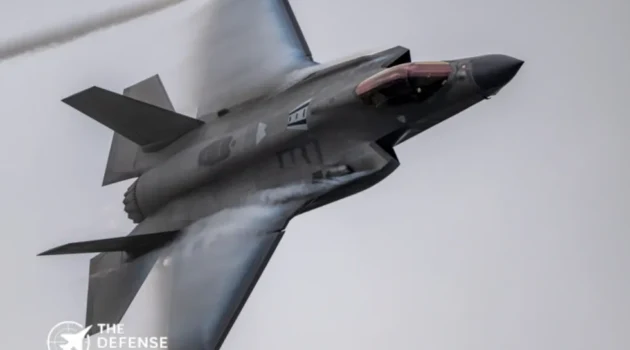
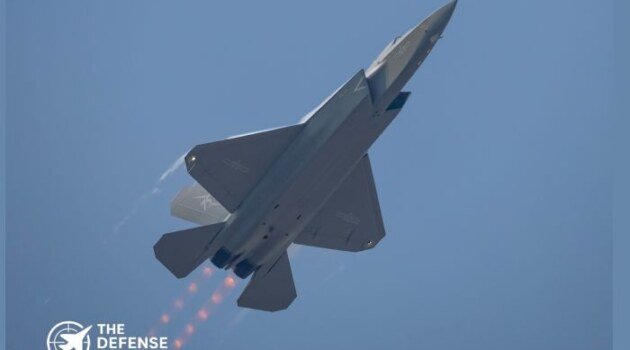
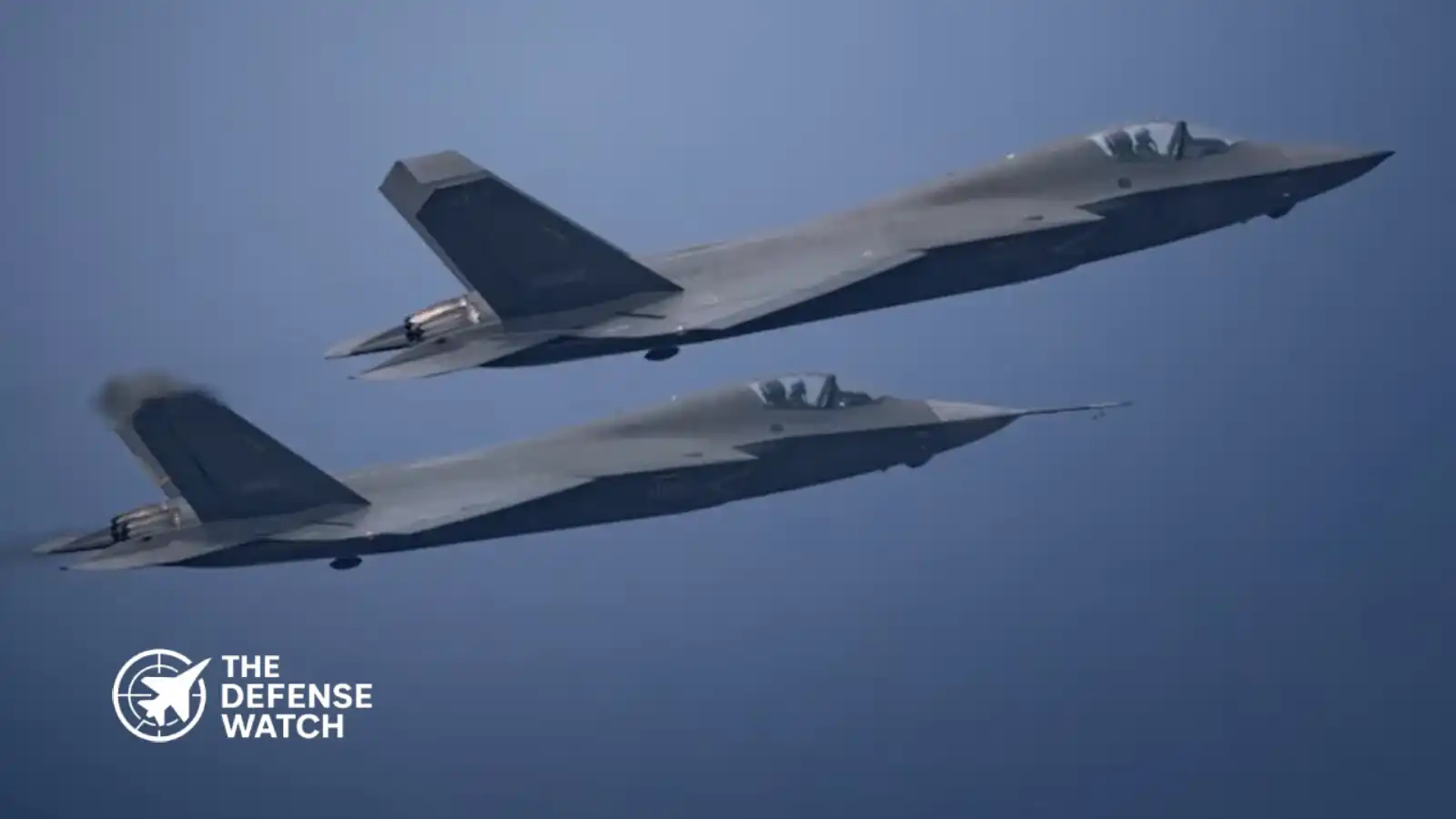
The J-35AE is widely understood to be the export variant of China’s FC-31 stealth fighter, developed for international customers seeking fifth-generation capabilities without access to Western platforms like the F-35.
Key features expected in the Pakistan J-35AE stealth fighter include:
- Low observable stealth design for reduced radar signature
- Advanced avionics and sensor fusion
- Beyond-visual-range (BVR) air-to-air combat capability
- Network-centric warfare integration
While official specifications remain limited, defense analysts assess that the aircraft is designed to compete with modern Western and Russian fighters in contested environments.
For Pakistan, the platform represents a potential leap beyond its current fleet, which includes F-16s and JF-17 variants.
Strategic Implications For South Asia
The introduction of the Pakistan J-35AE stealth fighter could significantly impact the regional balance of power, particularly in relation to India’s air force modernization efforts.
India is currently advancing multiple programs, including:
- Rafale multirole fighters
- Indigenous Advanced Medium Combat Aircraft (AMCA) development
- Upgrades to Su-30MKI fleet
The addition of a stealth fighter to Pakistan’s inventory may narrow qualitative gaps in certain operational scenarios, particularly in contested airspace where radar evasion is critical.
More importantly, stealth platforms can complicate early warning systems. Reduced detection times can lead to compressed decision-making windows during crises, increasing the likelihood of miscalculation.
Nuclear Escalation Risks And Crisis Stability
One of the most significant concerns tied to the Pakistan J-35AE stealth fighter is its potential impact on nuclear escalation dynamics.
South Asia operates under a fragile deterrence framework, where both India and Pakistan maintain nuclear arsenals and delivery systems. Stability often depends on:
- Clear signaling
- Predictable force postures
- Sufficient warning time
Stealth aircraft challenge these assumptions by introducing ambiguity. In a crisis, the inability to detect or track incoming aircraft could lead to worst-case scenario planning.
Analysts note several escalation risks:
- Misinterpretation of conventional strikes as nuclear delivery attempts
- Reduced confidence in air defense systems
- Pressure for rapid retaliation
These dynamics could shorten the decision cycle for political and military leaders, increasing the chance of escalation beyond conventional conflict.
Operational Advantages And Limitations
From an operational standpoint, the Pakistan J-35AE stealth fighter would offer clear advantages:
- Enhanced survivability in contested airspace
- Improved strike capability against high-value targets
- Greater flexibility in offensive and defensive missions
However, several limitations remain:
- Integration challenges with existing command and control systems
- Training and maintenance requirements for advanced stealth platforms
- Dependence on Chinese logistics and support infrastructure
Additionally, stealth effectiveness depends on tactics, electronic warfare support, and pilot proficiency, not just aircraft design.
China’s Expanding Defense Exports Strategy
The J-35AE also reflects China’s broader push to expand its presence in the global defense market. By offering a fifth-generation fighter for export, Beijing is positioning itself as an alternative to Western suppliers.
Pakistan is a key partner in this strategy, with longstanding cooperation in:
- Joint fighter development (JF-17 program)
- Air defense systems
- Military technology transfer
The Pakistan J-35AE stealth fighter deal would deepen this relationship and reinforce China’s role as Islamabad’s primary defense partner.
Regional And Global Reactions
While official responses remain limited, the development is likely to draw attention from:
- India, which may accelerate its own stealth fighter programs
- The United States, given its strategic interests in the Indo-Pacific
- Regional actors monitoring shifts in military balance
The introduction of stealth technology into South Asia’s already complex security environment underscores the need for confidence-building measures and crisis management mechanisms.
Analysis: A Shift In Airpower And Deterrence
At its core, the Pakistan J-35AE stealth fighter program represents more than a procurement decision. It signals a shift toward next-generation warfare capabilities in a region where technological parity has often influenced strategic stability.
The key issue is not just capability, but perception. In nuclear-armed rivalries, uncertainty can be as destabilizing as actual military imbalance.
If stealth platforms reduce transparency in military operations, they may weaken existing deterrence frameworks that rely on visibility and predictability.
This raises broader questions:
- Can existing confidence-building measures adapt to stealth-era warfare?
- Will both sides invest in counter-stealth technologies?
- How will crisis communication evolve under reduced situational awareness?
These factors will shape the long-term impact of the Pakistan J-35AE stealth fighter on regional security.
Conclusion
The planned introduction of the Pakistan J-35AE stealth fighter marks a significant milestone in South Asia’s military evolution. While the platform promises enhanced operational capability for Pakistan, it also introduces new complexities into an already sensitive strategic environment.
As both Pakistan and India continue to modernize their forces, the balance between deterrence and escalation will depend increasingly on how advanced technologies are integrated into doctrine, communication, and crisis management frameworks.