(adsbygoogle = window.adsbygoogle || []).push({});Executive Summary:
DARPA’s XRQ-73 SHEPARD hybrid electric uncrewed aircraft completed its first flight in April 2026 at Edwards Air Force Base, California. The prototype under DARPA’s Series Hybrid Electric Propulsion Aircraft Demonstration program is a key test of hybrid-electric propulsion for future UAS designs.
First Flight Marks Progress for XRQ-73 Hybrid Electric Uncrewed Aircraft
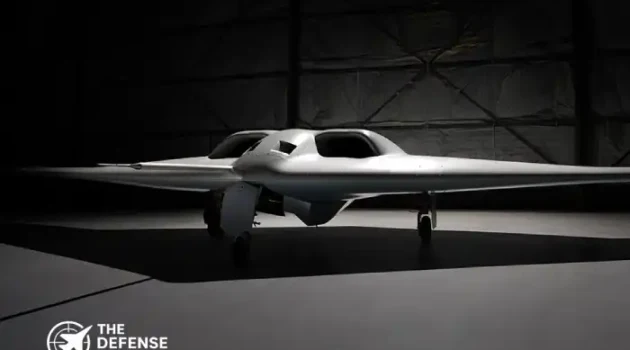
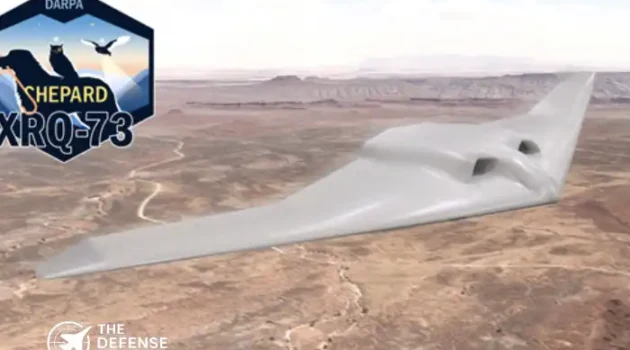
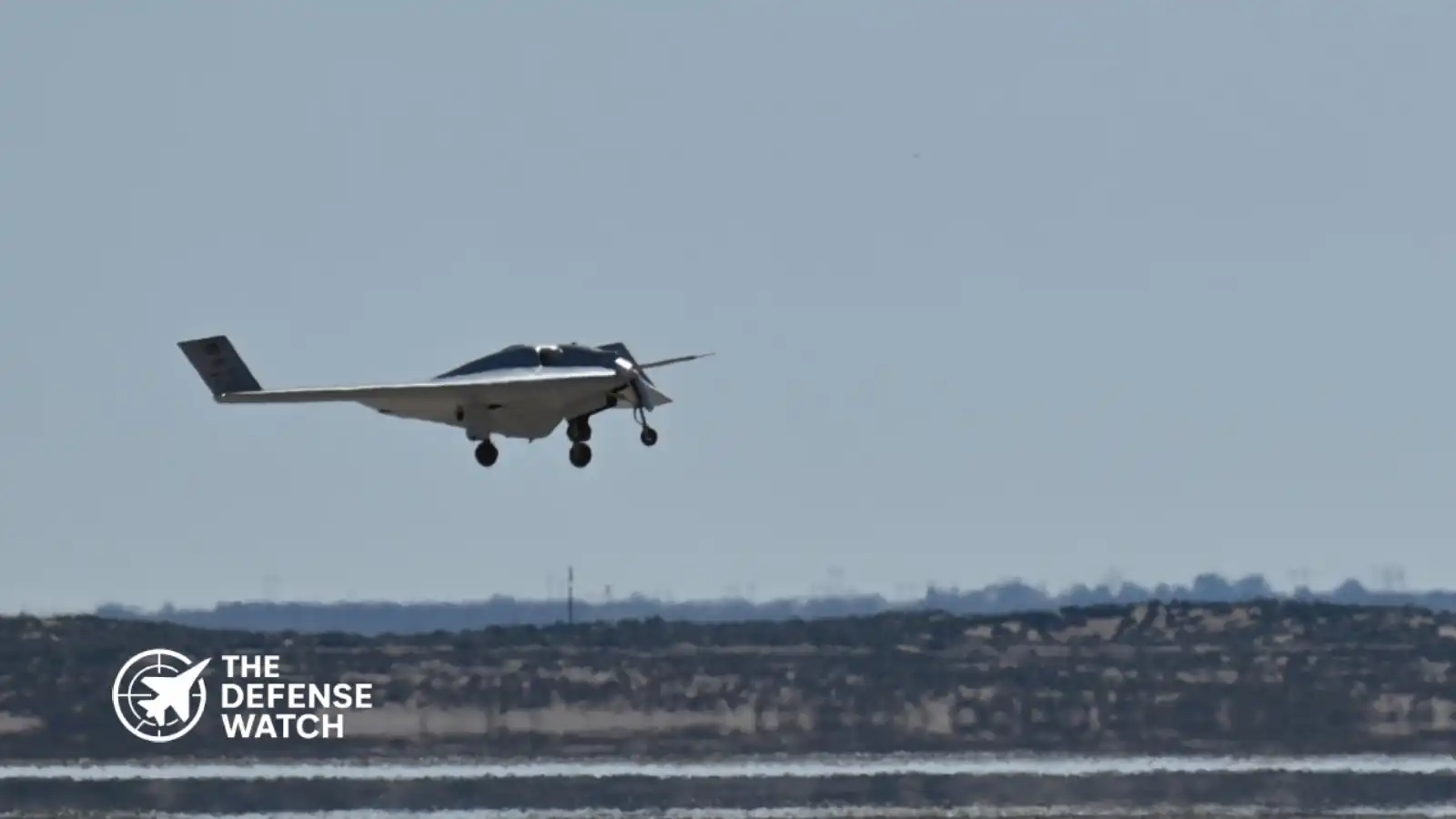
DARPA’s hybrid electric uncrewed aircraft, designated XRQ-73 under the Series Hybrid Electric Propulsion Aircraft Demonstration (SHEPARD) program, completed its first flight in April 2026 at Edwards Air Force Base, California. The flight was confirmed by program partners and announced publicly in early May 2026.
The XRQ-73 aircraft was developed by Northrop Grumman in collaboration with DARPA and with support from the Air Force Research Laboratory and Scaled Composites. The demonstrator uses a series hybrid electric propulsion system where a conventional engine generates electricity to power electric motors that drive the aircraft.
The SHEPARD program aims to assess the operational utility of hybrid-electric technologies for future military aircraft designs. The design blends efficient fuel use with reduced acoustic and thermal signatures, which could benefit long-endurance intelligence, surveillance and reconnaissance (ISR) missions and other applications.
Hybrid Electric Propulsion in a Group 3 UAS
The XRQ-73 SHEPARD is a Group 3 uncrewed aircraft system weighing roughly 1,250 pounds. The flying-wing configuration reflects earlier technology demonstrations such as the XRQ-72 Great Horned Owl, while pushing hybrid electric propulsion forward.
Hybrid electric propulsion uses a fuel-burning engine to generate electricity that drives electric motors. This setup can offer fuel savings, flexibility in mission pacing, and quieter operation compared with traditional propulsion. DARPA’s experiment tests how such systems perform in real flight conditions, data that could influence future military and research platforms.
The April test flight at Edwards occurred within a controlled flight envelope. Details on duration, range, or performance metrics were not disclosed at the time of the announcement. Continued flight testing and data analysis will shape follow-on evaluations.
Broader Research and Industry Context
Hybrid electric propulsion is drawing growing interest across military and civilian aviation sectors. DARPA’s SHEPARD program sits alongside other hybrid UAS projects, including those exploring multi-mode powerplants, quieter signatures, and improved endurance. Because hybrid systems can reduce fuel use and emissions while still tapping conventional power sources, researchers see potential for both defense and commercial applications.
SHEPARD builds on previous DARPA efforts, like the Great Horned Owl initiative, and reflects the Department of Defense’s focus on agile experimental programs that mature technologies fast. The platform’s performance in flight tests will help define whether hybrid-electric designs have practical value for sustained operational use or transition into broader defense acquisition.
What’s Next for XRQ-73 and SHEPARD
DARPA and industry partners will continue flight tests on the XRQ-73 prototype throughout 2026. These trials are expected to probe performance envelopes, endurance characteristics, and propulsion system behavior under varying conditions. The lessons learned could inform future designs for ISR or other uncrewed missions where endurance and low signatures matter.