Executive Summary:
The United States has approved the transfer of Bell 505 training helicopters to the Philippine Air Force to expand pilot training capacity. The move supports Manila’s ongoing military modernization and addresses growing demand for trained aircrew amid regional security pressures.
US Approves Bell 505 Helicopters For Philippine Air Force Training Expansion
The Bell 505 helicopters Philippines program marks a significant step in strengthening the Philippine Air Force’s pilot training pipeline, as Washington authorizes the transfer of light training helicopters produced by Bell Textron.
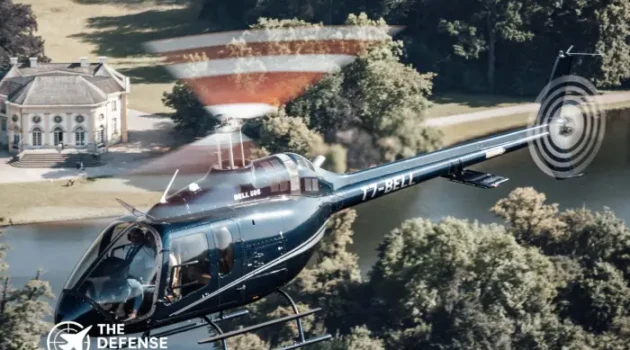
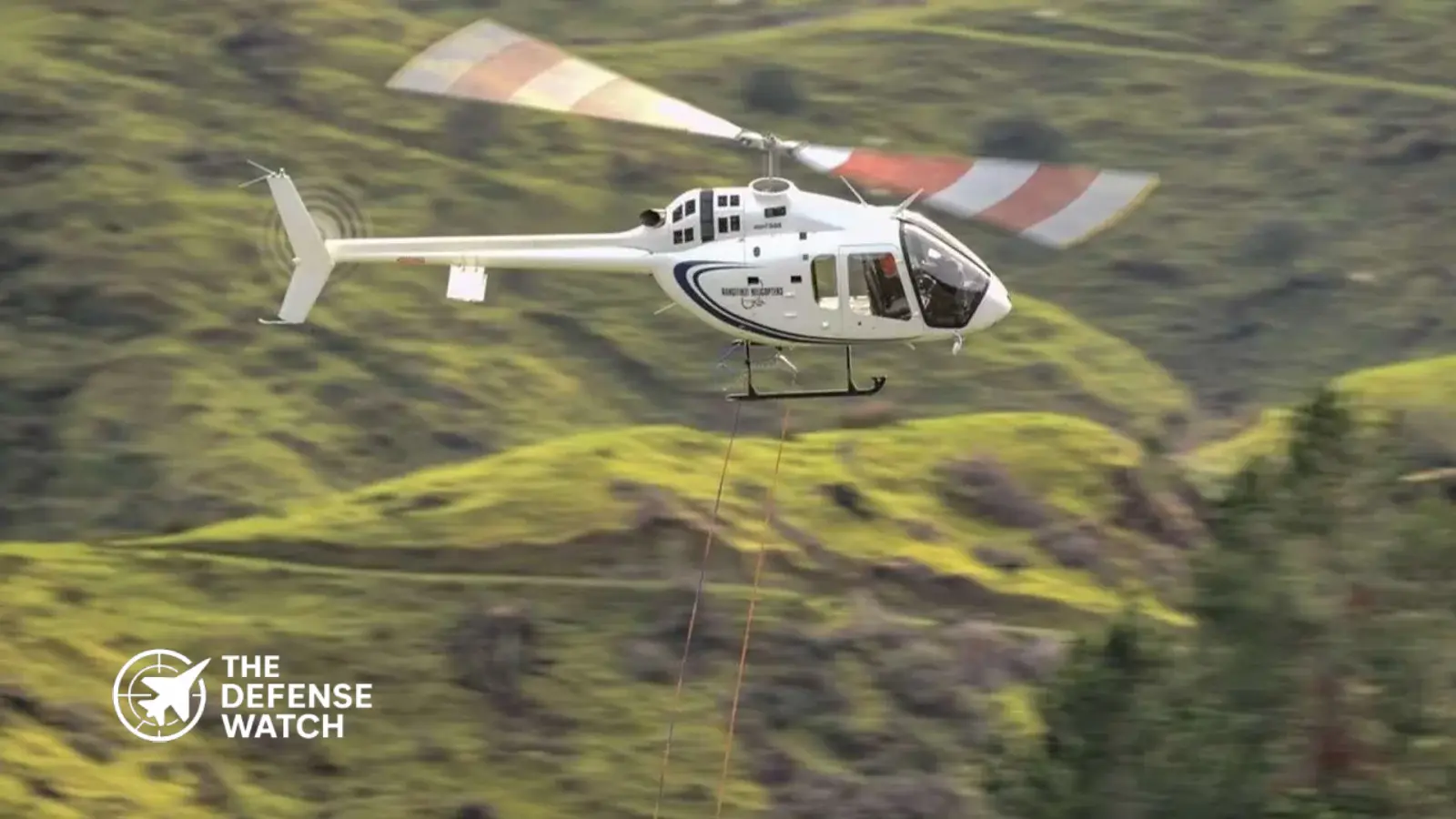
The approval supports Manila’s broader effort to modernize its air capabilities while addressing a persistent shortage of trained rotary-wing pilots. The Bell 505, a lightweight, single-engine helicopter, is widely used for basic and advanced flight training due to its modern avionics and cost efficiency.
Addressing A Critical Training Bottleneck
The Philippine Air Force training expansion comes at a time when the service is increasing its operational tempo across multiple mission sets, including maritime security, disaster response, and counterinsurgency.
Training capacity has emerged as a limiting factor. Even as the Philippines acquires new aircraft, pilot production has struggled to keep pace. The Bell 505 fleet is expected to ease this bottleneck by providing a reliable, modern training platform.
The aircraft features a fully digital glass cockpit and advanced flight controls, allowing trainee pilots to transition more easily to frontline platforms. Compared to legacy trainers, the Bell 505 reduces maintenance demands while improving training efficiency.
From an operational perspective, this investment reflects a shift from platform acquisition alone toward building sustainable human capital in aviation units.
Strategic Context: Modernization Amid Regional Pressure
The Bell 505 helicopters Philippines deal aligns with Manila’s ongoing military modernization program, which has gained urgency amid rising tensions in the South China Sea.
While the helicopters themselves are not combat assets, their impact is strategic. Increasing the number of qualified pilots directly enhances the Philippine Air Force’s ability to deploy and sustain operations across its archipelagic territory.
The United States has steadily expanded defense cooperation with the Philippines in recent years, including increased access to bases under the Enhanced Defense Cooperation Agreement (EDCA). This approval reinforces that partnership through practical capability development rather than high-profile weapons systems.
In this context, training platforms like the Bell 505 serve as force multipliers, enabling more effective use of existing and future aircraft.
Technical Overview Of The Bell 505 Platform
The Bell 505, also known as the Jet Ranger X, is designed for versatility and ease of operation. Key features include:
- Single-engine configuration optimized for training and light utility missions
- Garmin G1000H NXi avionics suite for advanced pilot instruction
- High visibility cockpit, improving situational awareness for trainees
- Low operating costs compared to larger training helicopters
These characteristics make the Bell 505 particularly suitable for nations seeking to scale pilot training without significantly increasing sustainment burdens.
For the Philippine Air Force, the platform bridges the gap between basic flight instruction and transition to more complex helicopters used in operational roles.
Operational Impact And Long-Term Benefits
The Philippine Air Force training expansion enabled by the Bell 505 is expected to deliver several long-term benefits:
First, it increases annual pilot output, reducing reliance on limited training slots and shortening qualification timelines.
Second, it standardizes training using modern avionics, aligning pilot skills with contemporary aircraft systems.
Third, it enhances readiness across multiple mission areas by ensuring a steady pipeline of qualified aircrew.
From a defense planning perspective, investments in training infrastructure often yield higher returns than additional platform acquisitions alone. Without trained personnel, new aircraft cannot be effectively utilized.
Analysis: Training As A Strategic Enabler
The approval of the Bell 505 helicopters Philippines program highlights a broader trend in U.S. security assistance: prioritizing capacity building over purely hardware-focused transfers.
Rather than supplying high-end combat systems, Washington is enabling partner nations to strengthen foundational capabilities. In the Philippine case, pilot training directly supports:
- Maritime domain awareness operations
- Rapid disaster response in a typhoon-prone region
- Distributed air operations across island chains
This approach also improves interoperability with U.S. forces, as pilots trained on modern systems can integrate more easily into joint exercises and missions.
At the same time, the relatively low-profile nature of training helicopter transfers reduces escalation risks in sensitive regions, offering a pragmatic balance between capability enhancement and geopolitical stability.
Conclusion
The Bell 505 helicopters Philippines approval underscores the importance of training infrastructure in modern military capability development. By expanding pilot training capacity, the Philippine Air Force is positioning itself to better utilize current and future aviation assets.
For the United States, the move reinforces a strategy focused on sustainable partner capacity rather than short-term capability boosts. As regional dynamics continue to evolve, investments in training platforms like the Bell 505 may prove as critical as frontline systems in shaping long-term defense readiness.