State Department Clears Major Patriot Missile Sale
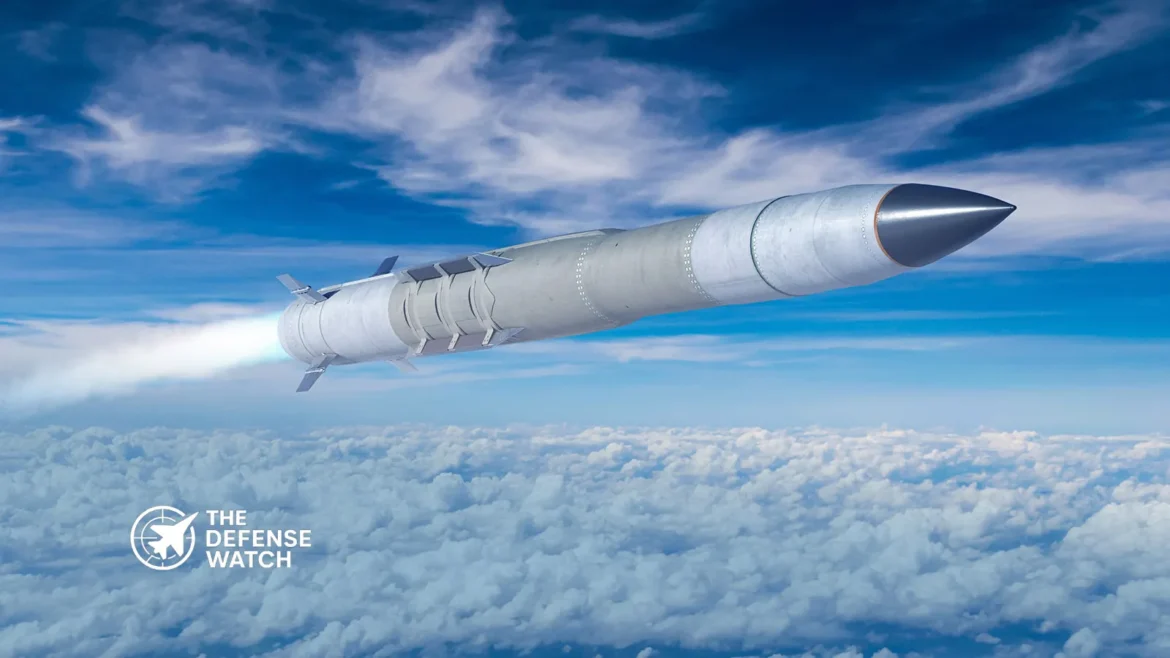
The U.S. State Department has approved a potential $9 billion Foreign Military Sale of 730 PAC-3 Missile Segment Enhancement (MSE) interceptors to Saudi Arabia, marking one of the largest air defense transactions in recent years. The Defense Security Cooperation Agency (DSCA) notified Congress of the proposed sale on January 31, according to official notifications.
The comprehensive package includes PAC-3 MSE missiles, associated equipment, technical support, training, logistics services, and classified software documentation. Saudi Arabia requested the advanced interceptors to modernize its integrated air and missile defense architecture against evolving threats in the Gulf region.
Strategic Rationale Behind the Sale
According to DSCA, the proposed sale directly supports U.S. foreign policy objectives by strengthening the defensive capabilities of a major non-NATO ally that contributes to regional stability. The agency stated that enhanced air defense systems will help Saudi Arabia address current and emerging threats while maintaining operational readiness.
The PAC-3 MSE represents the latest generation of the Patriot missile family, featuring hit-to-kill technology designed to intercept tactical ballistic missiles, cruise missiles, and advanced aircraft threats. The system provides significantly improved range and altitude capabilities compared to earlier Patriot variants.
U.S. officials emphasized that the sale will improve Saudi Arabia’s contribution to integrated air and missile defense operations within the U.S. Central Command area of responsibility. The enhanced capability is expected to protect both Saudi and allied forces operating in the region.
Technical Capabilities and Integration
The PAC-3 MSE employs kinetic energy to destroy incoming threats, eliminating the need for traditional explosive warheads. This hit-to-kill approach provides greater effectiveness against maneuvering targets and reduces collateral damage risks.
Lockheed Martin serves as the prime contractor for PAC-3 MSE production, with Boeing providing critical seeker components. Boeing recently expanded its Huntsville, Alabama facility to increase PAC-3 seeker production capacity by more than 30 percent to meet growing global demand.
The missiles will integrate with Saudi Arabia’s existing Patriot infrastructure, which has been upgraded over multiple decades through previous Foreign Military Sales programs. The Kingdom operates multiple Patriot fire units deployed at strategic locations throughout the country.
Regional Security Context
The approval comes as Gulf states face persistent threats from ballistic missiles, unmanned aerial systems, and cruise missiles. Saudi Arabia has intercepted numerous cross-border attacks in recent years, demonstrating the operational necessity of advanced air defense capabilities.
The DSCA notification stated that the sale will not alter the basic military balance in the region. Officials confirmed that Saudi Arabia possesses the technical capacity and trained personnel to absorb the new systems without difficulty.
Congressional notification marks the beginning of a 30-day review period during which lawmakers can raise objections to the proposed sale. The transaction will only proceed following Congressional approval and completion of final contract negotiations.
Production and Delivery Timeline
While specific delivery schedules were not disclosed in the DSCA notification, PAC-3 MSE production timelines typically extend over several years for large-quantity orders. Lockheed Martin has recently announced capacity expansion initiatives to accelerate interceptor production rates.
The company broke ground on a new production facility designed to increase output of both PAC-3 MSE and Terminal High Altitude Area Defense (THAAD) interceptors. These expansion efforts respond to increased demand from U.S. and allied forces worldwide.
Industry analysts note that the $9 billion package value includes not only the 730 interceptors but also extensive support infrastructure, training programs, spare parts, and multi-year logistics support. The total program cost reflects the comprehensive nature of major Foreign Military Sales.
Allied Air Defense Network
Saudi Arabia’s Patriot modernization aligns with broader regional air defense architecture developments. Multiple Gulf Cooperation Council nations operate Patriot systems, creating an interconnected defensive network across the Arabian Peninsula.
The enhanced capabilities will enable more effective coordination with U.S. forces stationed in the region and support combined air defense operations. Integration with command and control systems allows for rapid threat data sharing across the network.
U.S. Central Command maintains significant air defense assets in the Gulf region, including Patriot batteries, THAAD systems, and naval-based Aegis ballistic missile defense platforms. The Saudi acquisition complements these existing capabilities.
Congressional Review Process
The proposed sale now enters the mandatory Congressional review period, during which the Senate Foreign Relations Committee and House Foreign Affairs Committee will examine the transaction details. Lawmakers typically assess arms sales based on regional security implications, human rights considerations, and strategic alignment with U.S. interests.
Previous Patriot sales to Saudi Arabia have generally received bipartisan Congressional support, reflecting the strategic importance of Gulf security partnerships. However, individual members of Congress may raise specific concerns during the review period.
The State Department must address any Congressional inquiries before final contract implementation can proceed. Once approved, the Defense Security Cooperation Agency will work with Lockheed Martin to establish production schedules and delivery milestones.
Global Patriot Modernization Trend
The Saudi acquisition reflects a global trend toward air defense modernization as nations confront increasingly sophisticated missile threats. Multiple countries have requested PAC-3 MSE upgrades in recent years, including Poland, Romania, Sweden, and Taiwan.
U.S. Army forces are also transitioning their Patriot inventory to the MSE configuration, phasing out older PAC-2 and PAC-3 variants. The Army has emphasized the importance of maintaining common interceptor stocks with key allies to enable interoperability and simplified logistics.
International PAC-3 MSE sales provide important benefits to U.S. defense industrial base sustainment. Larger production runs reduce per-unit costs and help maintain critical manufacturing skills and capacity.


U.S. Army Certifies Artillery and M270 MLRS Units in Europe Ahead of Live-Fire Evaluations
The U.S. Army certified artillery and M270 MLRS units in Europe, completing structured evaluations before live-fire qualifications, according to Army images and unit releases.
In late January 2026, the 41st Field Artillery Brigade conducted Artillery Tables I through V across training areas in Europe. These structured drills move from basic individual and section-level tasks to full crew certification, checking procedures such as emplacement, orientation, communications, and ammunition handling.
The 1st Battalion, 77th Field Artillery Regiment (1-77 FA) led the crew evaluations, supported by brigade-level long-range fires systems including the M270 Multiple Launch Rocket System (MLRS).
Training Overview and Doctrine
Artillery Tables I to V are central to U.S. Army field artillery doctrine. They ensure crews understand fundamental gunnery skills and can perform consistently under evaluation conditions. Training emphasizes adherence to established procedures and accurate processing of fire missions through fire direction elements.
Although the 1-77 FA battalion focuses on tube artillery, its certification is nested within the broader long-range fires mission of the 41st Field Artillery Brigade. That brigade integrates rocket and missile systems with traditional cannon units to provide fires across multiple ranges.
M270 MLRS: System Overview
The M270 MLRS is a tracked, armored rocket artillery platform produced by Lockheed Martin Missiles and Fire Control, in service with the U.S. Army since the 1980s. It carries two pods of six 227 mm rockets or Army Tactical Missile System missiles, with a three-person crew operating from within the protected cab.
In the commonly fielded M270A1 configuration, an improved fire control system uses GPS integration to speed targeting data processing from headquarters, radars, or joint sensors. The launcher’s mechanical improvements cut aim and reload times, enhancing survivability against counter-battery fire.
Standard rockets reach targets beyond 32 kilometers, while ATACMS missiles can strike more than 300 kilometers away, depending on variant.
Brigade-Level Fires and Interoperability
At the brigade level, the 41st Field Artillery Brigade coordinates sensors, radars, and shooters across multiple formations and national boundaries. Integrating tube artillery with MLRS units supports deep fires and responsiveness to joint targeting.
The presence of M270 systems within NATO members’ forces supports shared technical and procedural baselines for combined fire missions and multinational exercises, improving coalition interoperability and reducing friction during operations.
Strategic Context
Publishing imagery of certification activity highlights visible readiness of U.S. artillery units in Europe. It underscores artillery fundamentals and the integration of advanced rocket systems at a time of sustained tension along NATO’s eastern flank.
By validating artillery fundamentals and MLRS integration, the 41st Field Artillery Brigade contributes to a security posture focused on preparedness, credibility, and the ability to deliver fires decisively across the depth of the battlefield.


Norway selects Hanwha K239 long range weapon system
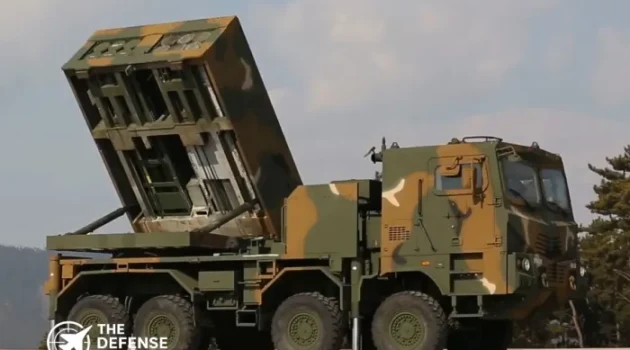
Norway has selected the Hanwha K239 long range weapon system as its future long range fires capability, choosing the South Korean solution over competing offers from European and US industry. The decision was confirmed through an official announcement by Norwegian defense authorities, marking one of the most significant artillery and missile acquisitions in Europe in recent years.
The contract is valued at roughly two billion dollars and covers sixteen launchers, three types of missiles with ranges up to five hundred kilometers, as well as full logistics, training, and support packages. According to the official statement, Hanwha was the only bidder that met all Norwegian requirements related to performance, delivery timelines, and overall cost.
The selection concludes a lengthy competition under Norway’s long range weapon system program, aimed at strengthening national deterrence and improving the ability to conduct deep precision strikes in support of NATO operations.
Only bidder to meet all requirements
Norwegian officials stated that Hanwha’s proposal was the sole offer that fully complied with operational and industrial criteria. These included missile range, accuracy, system maturity, delivery schedules, and life cycle costs.
SAAB and Boeing did not submit a bid by the March 2025 deadline. Norway also examined the option of acquiring HIMARS through Lockheed Martin via the US Foreign Military Sales process, but no final proposal was pursued. KNDS, offering a European alternative, was reportedly eliminated from the competition in June 2025.
The outcome reflects a growing emphasis among European militaries on systems that are already in service, available at scale, and supported by established production lines.
Delivery timeline and system scope
Under the current plan, Hanwha will deliver the K239 launchers to Norway by 2029, with missile deliveries scheduled to begin by 2031. The acquisition includes three different missile types, allowing the Norwegian Armed Forces to conduct a wide range of missions from conventional precision fires to longer range strike operations.
The K239 multiple rocket launch system is designed to fire various classes of guided and unguided munitions. This flexibility was a key factor in Norway’s evaluation, as the armed forces seek a system that can adapt to evolving threats and mission profiles over the coming decades.
Growing European user base
Norway’s decision adds to a rapidly expanding European footprint for the K239 system. Hanwha recently signed a contract with Estonia, and Poland has already fielded the system at scale. Estonia and Norway are expected to participate in joint training exchanges with Polish forces, focusing on system operation, tactics, and sustainment.
A rocket manufacturing facility operated by Hanwha WB Advanced Systems is scheduled to be built in Poland. Ammunition produced at this site will be supplied to multiple users of the K239 family, strengthening regional supply chains and reducing dependence on external sources during crises.
This industrial setup aligns with broader NATO goals to expand European defense production capacity and ensure sustained access to key munitions.
Global deployment and production scale
The K239 is currently in operational service in South Korea, Poland, the United Arab Emirates, and Saudi Arabia. Alongside the US made HIMARS, it is among the most widely produced modern rocket artillery systems in the world.
Hanwha is actively marketing the K239 to countries across Northern Europe, the Baltic region, Eastern Europe, the Middle East, and Asia. Potential and existing customers include Latvia, Lithuania, Finland, Sweden, Egypt, the Philippines, and Malaysia.
The system’s appeal lies in its modular design, compatibility with different missile types, and the ability to integrate into NATO command and control architectures.
Strategic implications for Norway and NATO
For Norway, the acquisition significantly enhances long range strike capability at a time of heightened security concerns in Northern Europe. The ability to hold targets at extended ranges supports deterrence, improves joint operations with allies, and complements air and maritime strike assets.
From a NATO perspective, the selection of a non US system underscores the alliance’s growing diversification of suppliers, while still maintaining interoperability. It also highlights South Korea’s rising role as a major global defense exporter, particularly in land based firepower and missile technologies.
Hanwha Group offers capabilities across tactical, operational, and strategic missile domains. The company is also promoting advanced air and missile defense systems, including high altitude interception solutions such as L SAM and L SAM II, though these were not part of the Norwegian competition.

Germany Strengthens Air Combat Capability with New Meteor Missile Procurement
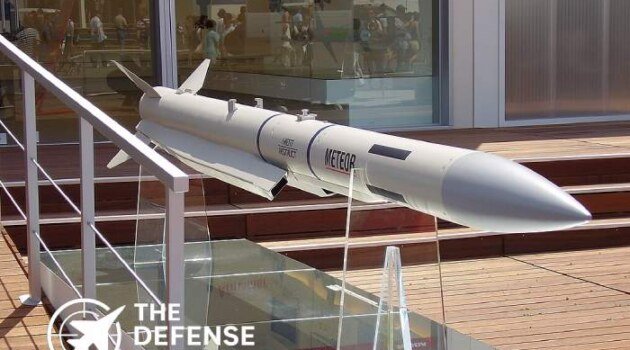
Germany has placed a new order with European defense manufacturer MBDA for additional Meteor missiles, expanding the country’s stockpile of beyond visual range air-to-air weapons for its Eurofighter Typhoon fleet. The procurement underscores ongoing European efforts to modernize air combat capabilities amid evolving security challenges.
MBDA announced the contract award through its official channels, though specific order quantities and financial details were not disclosed. The Meteor missile represents one of the most advanced air-to-air weapons currently operational, featuring a ramjet propulsion system that provides extended range and sustained high-speed performance throughout flight.
Advanced Ramjet Technology Distinguishes Meteor System
The Meteor beyond visual range missile entered service with multiple European air forces over the past decade, representing a collaborative development program among France, Germany, Italy, Spain, Sweden, and the United Kingdom. Unlike conventional rocket-powered air-to-air missiles, Meteor’s throttleable ducted rocket (ramjet) motor enables the weapon to maintain energy throughout its flight envelope.
This propulsion system provides tactical advantages in engagements against maneuvering targets at extended ranges. The missile reportedly achieves a no-escape zone several times larger than previous-generation weapons, meaning adversary aircraft have significantly reduced opportunities to evade once the weapon is launched within certain parameters.
Germany’s Eurofighter Typhoon fleet has been equipped with Meteor since integration was completed, providing the Luftwaffe with enhanced air superiority capabilities. The weapon measures approximately 3.7 meters in length with a diameter of 178 millimeters and weighs around 190 kilograms.
European Collaborative Defense Manufacturing Model
MBDA defense systems operates as a joint venture among Airbus, BAE Systems, and Leonardo, representing a European collaborative approach to complex weapons development. The company specializes in missile systems across air, land, and naval platforms, with operations in France, Germany, Italy, Spain, and the United Kingdom.
The Meteor program exemplifies multinational defense cooperation, with development costs and industrial workshare distributed among participating nations. Germany’s continued procurement supports domestic industry participation while maintaining interoperability with allied air forces operating the same weapon system.
France, the United Kingdom, Italy, Spain, and Sweden have all integrated Meteor onto their respective fighter aircraft, including Rafale, Eurofighter Typhoon, and Gripen platforms. This commonality simplifies logistics and training across NATO air forces while supporting coalition operations.
Context Within European Defense Spending Trends
The new Meteor missile Germany order arrives as European nations accelerate defense modernization following geopolitical shifts. Germany announced significant increases to defense spending, targeting NATO’s 2% GDP guideline with plans for comprehensive military modernization across all service branches.
Air force modernization forms a critical component of Germany’s defense strategy, with investments in F-35 Lightning II acquisitions, continued Eurofighter upgrades, and munitions stockpiling. The Luftwaffe operates approximately 138 Eurofighter Typhoons across multiple variants, representing the backbone of German air combat capability.
Beyond visual range air-to-air missiles constitute essential inventory for maintaining credible deterrence and air superiority. Modern air combat doctrine emphasizes engagement at extended ranges before entering close-range combat, making weapons like Meteor central to operational effectiveness.
Operational Capabilities and Integration
The Eurofighter Typhoon weapon systems portfolio includes multiple air-to-air and air-to-ground munitions, with Meteor serving as the primary beyond visual range solution. The aircraft’s sensor suite, including CAPTOR-E active electronically scanned array (AESA) radar on newer variants, provides target detection and tracking capabilities to fully exploit Meteor’s performance envelope.
Integration testing and qualification programs ensure compatibility between aircraft systems and weapons. Germany’s Eurofighters have undergone successive upgrade programs, enhancing avionics, defensive systems, and weapons compatibility to maintain technological relevance against evolving threats.
The Meteor’s active radar seeker provides terminal guidance, allowing the missile to prosecute targets independently after launch. This “fire and forget” capability enables launching aircraft to engage multiple targets or maneuver defensively without maintaining target illumination throughout missile flight.
Strategic Implications for European Air Defense
European air defense modernization extends beyond individual weapons procurement to encompass integrated air and missile defense architectures. Germany participates in NATO integrated air defense, contributing aircraft, sensors, and command and control capabilities to collective defense arrangements.
The continued investment in advanced air-to-air capabilities reflects assessments of potential adversary capabilities, including modern fighter aircraft and long-range air-defense systems. Maintaining technological overmatch in air combat requires sustained investment in sensors, platforms, and weapons throughout their operational lifecycles.
MBDA continues development work on future variants and capability enhancements for the Meteor system, ensuring the weapon remains effective against emerging threats. Collaborative European defense programs provide economies of scale while maintaining industrial capabilities across multiple nations.
Industry and Economic Considerations
Defense procurement decisions balance operational requirements with industrial and economic factors. The MBDA Meteor air-to-air missile program supports skilled manufacturing jobs and advanced technology development across participating European nations.
Germany’s defense industrial base includes significant aerospace and weapons manufacturing capabilities, with domestic companies participating in major international programs. Continued orders support production lines and supplier networks while maintaining workforce skills and technological expertise.
The ramjet propulsion technology employed in Meteor represents specialized manufacturing capability with potential applications beyond air-to-air weapons. Maintaining these industrial competencies provides strategic advantages for future development programs and technological independence.
Future Outlook for European Air Combat Capabilities
As sixth-generation fighter programs advance, weapons like Meteor will likely serve as bridge capabilities until next-generation systems achieve operational status. The Future Combat Air System (FCAS), a joint French-German-Spanish development program, includes plans for advanced weapons alongside new aircraft platforms.
Germany’s continued investment in current capabilities ensures operational readiness while future programs mature. The typical service life for modern air-to-air missiles spans multiple decades with periodic upgrades, meaning today’s procurement decisions influence capabilities well into the 2040s and beyond.
NATO air forces conducting combined operations benefit from common weapons inventories, simplifying logistics and interoperability during multinational exercises and potential contingencies. The widespread Meteor adoption across European air forces reinforces this standardization.

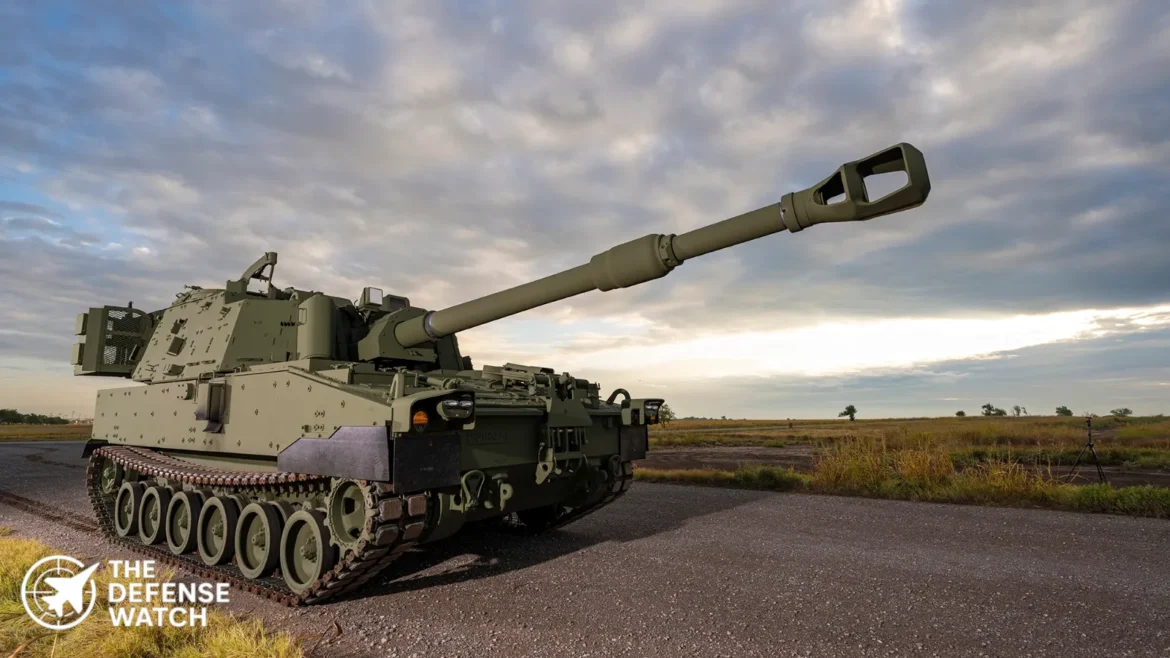
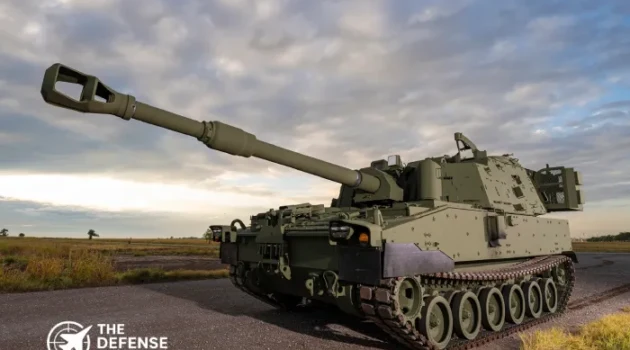
BAE Systems Paladin contract activity expanded this week after the company confirmed a 473 million award to continue production of the US Army’s M109A7 Paladin self propelled howitzer and M992A3 ammunition carrier. The deal reinforces the Army’s long term artillery modernization strategy and sustains domestic armored vehicle manufacturing.
The announcement was made by BAE Systems through its official corporate release and reflects ongoing Pentagon investment in conventional firepower and industrial base stability.
Contract Scope and Program Details
Under the new award, BAE Systems will manufacture additional M109A7 Paladin howitzers and M992A3 Carrier Ammunition Tracked vehicles. Both platforms are produced at BAE Systems facilities in the United States, supporting skilled labor and long term production capacity.
The M109A7 Paladin replaces earlier legacy Paladin variants and incorporates a modernized chassis derived from the Bradley fighting vehicle. This commonality improves reliability, sustainment, and parts availability while reducing lifecycle costs for the US Army.
According to BAE Systems, the contract builds on prior production lots and ensures continuity for the Paladin Integrated Management program. The Army has identified the system as a critical element of armored brigade combat teams, particularly for high intensity and large scale combat operations.
Role of the M109A7 Paladin
The BAE Systems Paladin contract centers on a system that remains the backbone of US Army cannon artillery. The M109A7 provides 155mm indirect fire support, capable of delivering precision and volume fires in support of maneuver forces.
Key upgrades over earlier variants include:
- A new powertrain and suspension system
- Improved electrical architecture
- Enhanced survivability and crew protection
- Compatibility with modern fire control and command networks
The accompanying M992A3 ammunition carrier ensures sustained firing operations by transporting projectiles, propellant charges, and fuzes under armor.
Industrial Base and Army Modernization
Senior defense officials have repeatedly emphasized the importance of maintaining hot production lines for critical ground combat systems. The BAE Systems Paladin contract supports this objective by keeping artillery manufacturing active while the Army evaluates future long range fires solutions.
The Paladin program also aligns with broader Army modernization priorities, including mobility parity with armored formations and increased system availability in contested environments.
BAE Systems has been the prime contractor for the Paladin family for decades, positioning the company as a central player in US artillery sustainment and upgrade efforts.
Strategic Context
While the Army continues to invest in emerging technologies such as extended range cannons and precision strike missiles, conventional tube artillery remains essential. Recent operational lessons have reinforced the value of reliable, protected, and mobile howitzers capable of sustained fire.
The continued funding reflected in the BAE Systems Paladin contract signals that cannon artillery will remain a core capability well into the next decade.
Industry and Government Statements
BAE Systems stated that the award highlights ongoing trust between the company and the US Army, as well as the importance of delivering proven systems on schedule. The Army has previously noted that the M109A7 improves readiness rates and reduces maintenance burdens compared to older Paladin variants.
No changes to production quantities or delivery schedules beyond previously planned increments were disclosed.
UK RCH 155 Artillery Program Update
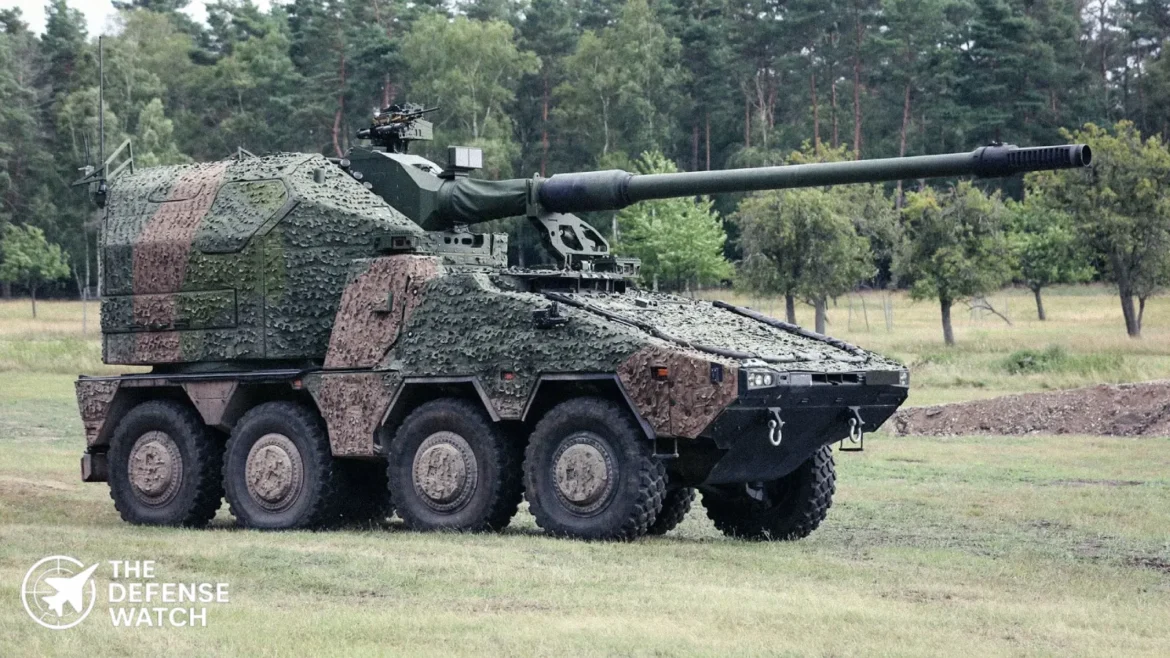
The UK RCH 155 artillery program will reach a major milestone in 2028, when the British Army is set to receive its first RCH 155 artillery demonstrator, according to official statements cited by UK Defence Journal. The delivery marks a key step in the Army’s effort to modernize its long range fires capability and transition to a highly mobile, wheeled artillery force.
The RCH 155 is based on Rheinmetall’s Remote Controlled Howitzer technology and is mounted on the Boxer 8×8 armored vehicle, already in UK service. British defense officials have described the demonstrator as a critical phase in proving the system before a broader fielding decision.
Program Background and Industrial Partners
The RCH 155 system is developed by Rheinmetall, with the UK variant tied closely to the British Army’s Boxer mechanized infantry vehicle program. Rheinmetall BAE Systems Land, the UK based joint venture, is expected to play a central role in any future production and integration work.
The demonstrator vehicle will allow the Ministry of Defence to validate system performance, crew concepts, integration with UK command and control networks, and sustainment requirements. Officials have emphasized that this stage is about reducing technical and operational risk before committing to a full fleet.
Capabilities and Operational Role
RCH 155 is a 155mm, 52 caliber artillery system designed for high mobility and rapid deployment. Unlike traditional tracked self propelled guns, the wheeled design offers faster road movement, lower maintenance demands, and easier strategic transport.
The system is designed to be operated by a small crew from inside the protected cab. Automated loading and firing functions are intended to reduce crew workload while maintaining a high rate of fire. Rheinmetall has previously stated that the platform supports shoot and scoot tactics, allowing units to fire and reposition quickly to avoid counter battery fire.
For the British Army, the RCH 155 artillery concept aligns with lessons drawn from recent conflicts, including the importance of mobility, survivability, and integration with digital fire control networks.
Timeline and Next Steps
According to the information reported by UK Defence Journal, the first RCH 155 artillery demonstrator is scheduled for delivery in 2028. This timeline reflects the complexity of adapting the system to UK requirements and integrating it with Boxer.
Following delivery, the demonstrator is expected to undergo extensive trials and evaluations. These activities will inform decisions on production numbers, configuration, and potential in service dates for operational units.
The Ministry of Defence has not yet confirmed when a full contract decision will be made, nor how many systems could eventually be acquired. However, officials have framed the demonstrator as a necessary step toward replacing or complementing existing artillery assets.
Strategic Context
The UK RCH 155 artillery effort sits within a broader push to modernize British Army fires under the Future Soldier program. As peer adversaries invest heavily in long range precision fires, UK planners have prioritized systems that can keep pace with mechanized forces and operate effectively across dispersed battlefields.
Wheeled artillery also supports NATO interoperability, as several European armies have moved toward similar platforms. Germany has already selected RCH 155 for its own forces, providing an additional reference point for UK evaluators.

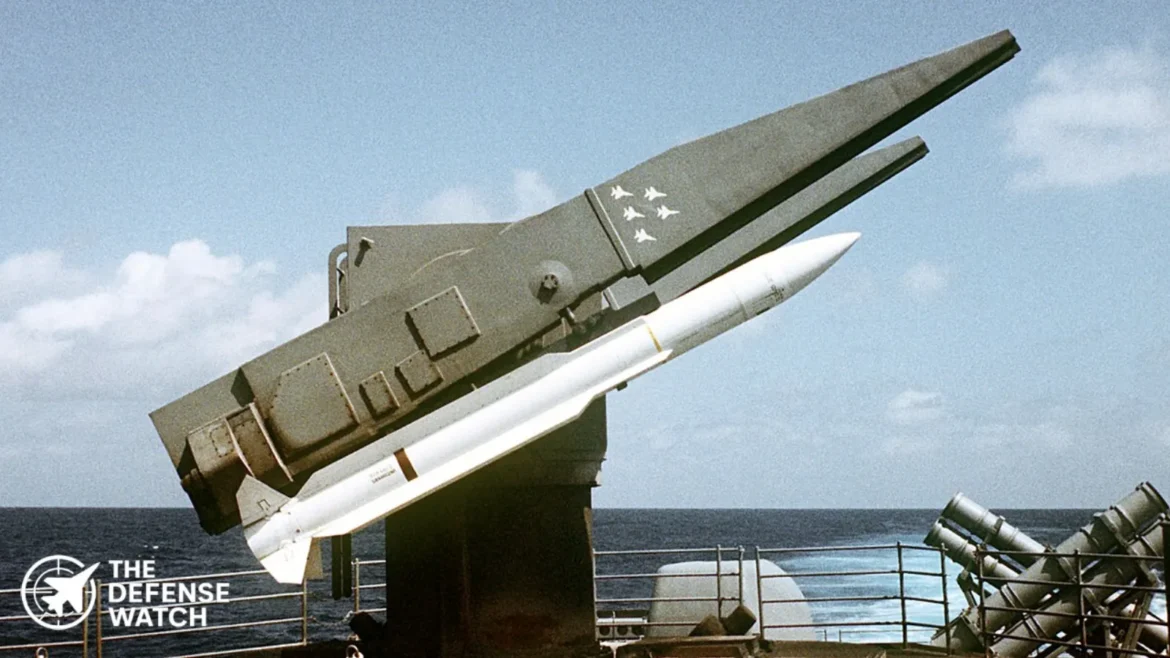
The U.S. Navy has awarded Raytheon a $58.99 million contract modification to provide engineering and technical support for Standard Missile-2 and Standard Missile-6 programs, reinforcing ongoing missile defense cooperation with key allied navies.
The award supports operational readiness and long-term sustainment of the widely deployed SM-2 and SM-6 missile families through the Foreign Military Sales process.
Contract Details and Scope
The cost-plus-fixed-fee modification was issued under an existing contract and exercises options covering continued engineering, logistics, and technical assistance for the SM-2 and SM-6 missile programs. Work will be carried out in Tucson, Arizona, and is scheduled for completion by March 2028.
Funding for the effort comes from a mix of U.S. Navy research, development, test, and evaluation accounts and Foreign Military Sales allocations. Fiscal 2026 Navy RDT and E funding accounts for half of the obligated amount, while the remaining funds are provided by participating partner nations.
The contract supports Foreign Military Sales requirements for Australia, Chile, Denmark, and South Korea. Each of these countries operates or plans to operate SM-2 or SM-6 missiles as part of their naval air defense and integrated air and missile defense architectures.
Importance of SM-2 and SM-6 Support
The SM-2 and SM-6 missiles remain central to U.S. and allied naval air defense. SM-2 variants are widely used for fleet area air defense, while SM-6 offers extended-range and multi-mission capability, including air defense and limited ballistic missile defense roles.
Engineering and technical support contracts such as this one ensure configuration control, software updates, system integration support, and sustainment planning. These services are essential for maintaining interoperability across allied fleets that operate U.S.-designed combat systems and missiles.
For Foreign Military Sales customers, U.S.-based technical support also helps align upgrades and modifications with U.S. Navy standards, reducing lifecycle risk and improving availability during deployments and exercises.
Allied Participation and Cost Sharing
Under the current award, South Korea accounts for 25 percent of the Foreign Military Sales funding, followed by Chile and Denmark at 10 percent each, and Australia at 5 percent. These allocations reflect each customer’s scope of participation and support requirements within the broader missile support framework.
The funding obligated at award will not expire at the end of the current fiscal year, allowing program managers to plan multi-year engineering activities without disruption.
Contracting Authority and Oversight
The contracting activity for the award is Naval Sea Systems Command, based in Washington, D.C. NAVSEA oversees development, acquisition, and sustainment of U.S. Navy surface and undersea systems, including missile programs used across the fleet.
Raytheon, a long-standing supplier of the Standard Missile family, continues to serve as a primary provider of missile engineering, modernization, and sustainment services for the U.S. Navy and partner nations.
Broader Context
The award reflects continued demand among U.S. allies for advanced naval air and missile defense capabilities amid rising regional security challenges. By extending engineering and technical support for SM-2 and SM-6 systems, the U.S. Navy and Raytheon aim to ensure long-term performance, reliability, and interoperability across allied naval forces.
Such contracts also reinforce the role of Foreign Military Sales as a tool for sustaining defense industrial ties and operational alignment between the United States and partner nations.

Lockheed Martin’s JAGM Quad Launcher vertical launch demonstration at China Lake, California completed its first successful 90 degree vertical launch and showed the Joint Air to Ground Missile can engage unmanned aerial systems (UAS) threats. The JAGM Quad Launcher test highlights the missile’s expanding role in flexible, multidomain defense operations.
China Lake Vertical Launch Test
Lockheed Martin on January 15, 2026 announced the successful first 90 degree vertical launch of a JAGM missile from its Quad Launcher, known as JQL, during a demonstration at China Lake in southern California. The event validated the JQL’s vertical launch capability and showed how the system can be mounted on different platforms, including test vehicles used in the demo.
The test included an engagement of an unmanned aerial threat, demonstrating JAGM’s ability to detect, track and neutralize UAS targets. That reflects wider interest in counter-UAS (C-UAS) solutions as armed forces face more frequent use of drones in contested environments. The missile’s advanced dual mode seeker supports these detection and tracking functions.
Why This Matters
This vertical launch mark confirms JAGM integrated with the Quad Launcher can operate across multiple mission sets. Lockheed Martin officials said this capability brings 360 degree defensive coverage for maritime vessels and other platforms, expanding beyond traditional angled launch roles.
The JAGM Quad Launcher concept seeks flexibility for use on sea, land or other platforms, letting operators tailor engagement options to mission needs. This flexibility is part of broader trends in missile launch systems that aim to support multidomain operations.
Expert Voices
Casey Walsh, programme management director for Lockheed Martin’s Multi Domain Missile Systems, said the successful vertical launch shows JAGM can be rapidly deployed from a multimissile launcher across a range of mission scenarios while delivering networked integration. Edward Dobeck, director of Lockheed Martin Launching Systems, emphasised the system’s reliability and relevance for current and future missions in multidomain spaces.
Context in Missile Development
The Joint Air to Ground Missile (AGM-179) was developed to replace legacy Hellfire variants with a multi-sensor seeker and broader compatibility across platforms. Earlier ground tests at Yuma Proving Ground validated Quad Launcher integration and data gathering for future vertical launch operations.
What Comes Next
Lockheed Martin is positioned to continue vertical launch tests and explore broader integration of the JAGM Quad Launcher with maritime or other defence systems. As missile and counter-drone needs grow within US and allied forces, such tests could inform future procurement and deployment decisions.
Lockheed Martin and GE Aerospace Advance Hypersonic Missile Propulsion
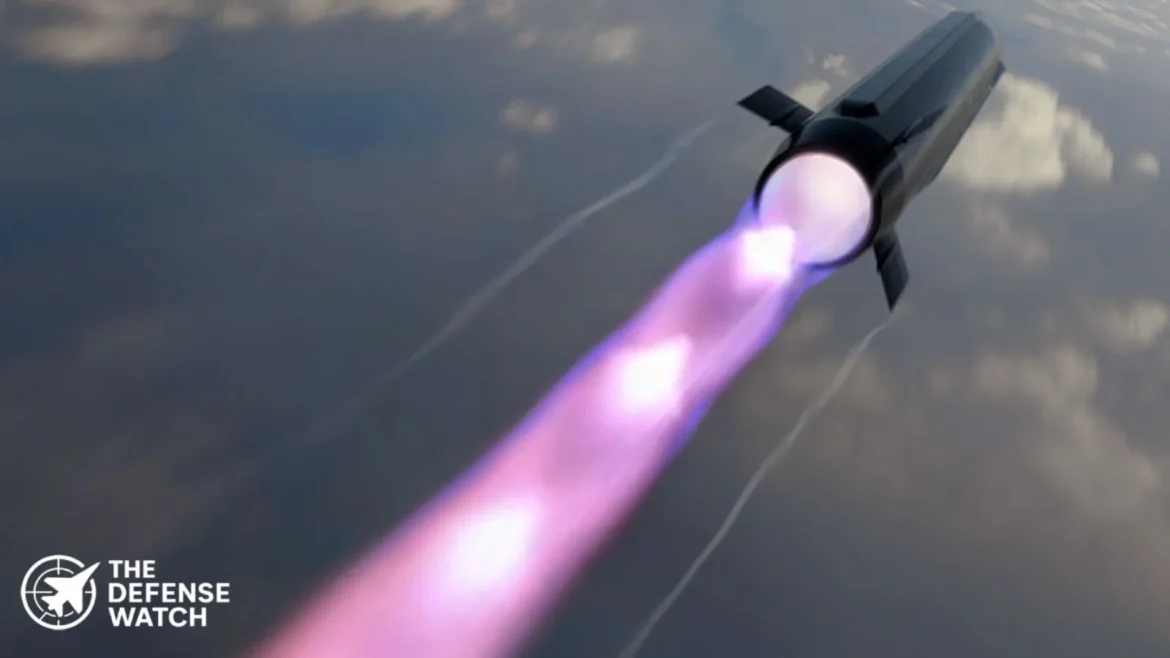
Lockheed Martin and GE Aerospace have successfully demonstrated a rotating detonation ramjet as part of ongoing work to mature propulsion technologies for future hypersonic missiles, the companies announced on Jan. 14. The test marks a step forward in U.S. efforts to develop faster, longer-range hypersonic weapons with improved efficiency and survivability.
According to Lockheed Martin, the demonstration validated key aspects of a rotating detonation-based air-breathing engine, a concept designed to deliver higher performance than conventional ramjets while reducing size and complexity. The work was conducted under a collaborative research effort between the two companies, drawing on GE Aerospace propulsion expertise and Lockheed Martin missile system integration experience.
What Is a Rotating Detonation Ramjet
A rotating detonation ramjet uses continuous detonation waves that travel in a circular path within the combustor, rather than relying on steady deflagration as in traditional ramjets. This approach can increase thermal efficiency and thrust while lowering fuel consumption, which are critical factors for hypersonic missiles operating at speeds above Mach 5.
Lockheed Martin said the test demonstrated stable detonation behavior under relevant conditions, confirming analytical models and previous subscale work. GE Aerospace highlighted that the results support the feasibility of integrating rotating detonation technology into future air-breathing hypersonic propulsion systems.
Implications for Hypersonic Missiles
The U.S. military continues to prioritize hypersonic weapons as part of its broader modernization strategy, viewing them as a means to penetrate advanced air and missile defenses. Air-breathing propulsion, including ramjets and scramjets, is seen as essential for sustained hypersonic flight over long distances.
By improving efficiency and thrust-to-weight performance, a rotating detonation ramjet could enable hypersonic missiles with greater range, higher speed margins, or more flexible flight profiles. Lockheed Martin noted that the technology could support multiple mission sets, including strike and time-sensitive targets, depending on future program requirements.
While the companies did not link the demonstration to a specific weapon program, the work aligns with ongoing Pentagon investment in hypersonic research and development across the Air Force, Army, and Navy.
Industry Roles and Collaboration
GE Aerospace brings decades of experience in high-speed propulsion, including work on ramjet and scramjet concepts for both military and space applications. Lockheed Martin, as a leading U.S. missile developer, has been heavily involved in hypersonic weapon programs and advanced strike systems.
In a statement, the companies emphasized that the demonstration reflects a broader trend toward closer collaboration between prime contractors and propulsion specialists to accelerate technology readiness. The test also supports digital engineering and rapid prototyping approaches increasingly adopted across the U.S. defense industrial base.
Next Steps in Development
Lockheed Martin and GE Aerospace indicated that additional testing is planned to further mature the rotating detonation ramjet, including expanded operating conditions and potential integration studies. Future work is expected to focus on scalability, manufacturability, and compatibility with missile system constraints.
Defense analysts note that while rotating detonation engines have shown promise in laboratory settings, transitioning them into operational hypersonic weapons will require sustained investment and rigorous testing. Key challenges include thermal management, structural durability, and reliable ignition and control at extreme speeds.
Broader Hypersonic Context
The United States faces growing competition in hypersonic weapons development from China and Russia, both of which have fielded or tested hypersonic systems in recent years. As a result, the Department of Defense has emphasized propulsion innovation as a critical enabler for maintaining technological advantage.
Demonstrations like the rotating detonation ramjet test underscore continued progress in foundational technologies that could shape the next generation of U.S. hypersonic missiles, even as operational deployment timelines remain program-dependent.

Oreshnik Missile Enters Combat Use
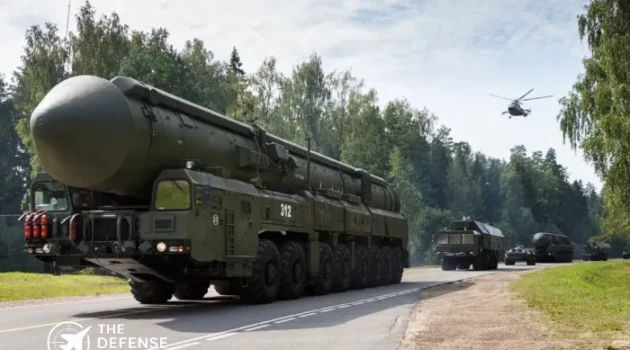
The Oreshnik missile has entered combat use after Russia confirmed it was fired at Ukraine, according to Reuters. The launch marks the first known operational use of the system and signals Moscow’s continued push to field new strike weapons amid the ongoing war.
Russian officials described the Oreshnik missile as a new development, while Western analysts and defense experts are still assessing its capabilities, role, and production status. Reuters cited multiple security sources and analysts who said details remain limited.
What Is the Oreshnik Missile
According to Reuters, Russia has provided few technical specifics about the Oreshnik missile. Available information suggests it is a new ballistic missile design, possibly intended to bridge the gap between short-range and intermediate-range systems.
Analysts told Reuters the missile may be part of Russia’s effort to demonstrate technological progress under wartime conditions. There is no independent confirmation of its full range, payload, or guidance system.
Why Russia Used the Oreshnik Missile
Reuters reported that the missile’s use appears aimed at signaling capability rather than battlefield necessity. The strike did not indicate a shift in Russia’s overall campaign but highlighted Moscow’s willingness to introduce new weapons during active combat.
Defense experts cited by Reuters noted that such launches can serve both military testing and political messaging purposes, especially as Russia faces pressure from Western sanctions and export controls.
How It Fits Into Russia’s Missile Arsenal
The Oreshnik missile joins a broad mix of Russian strike systems already used in Ukraine, including cruise missiles, short-range ballistic missiles, and drones. Analysts told Reuters that Russia continues to rely primarily on established systems, with new weapons playing a limited but symbolic role.
There is no evidence yet that the Oreshnik missile will be deployed at scale.