

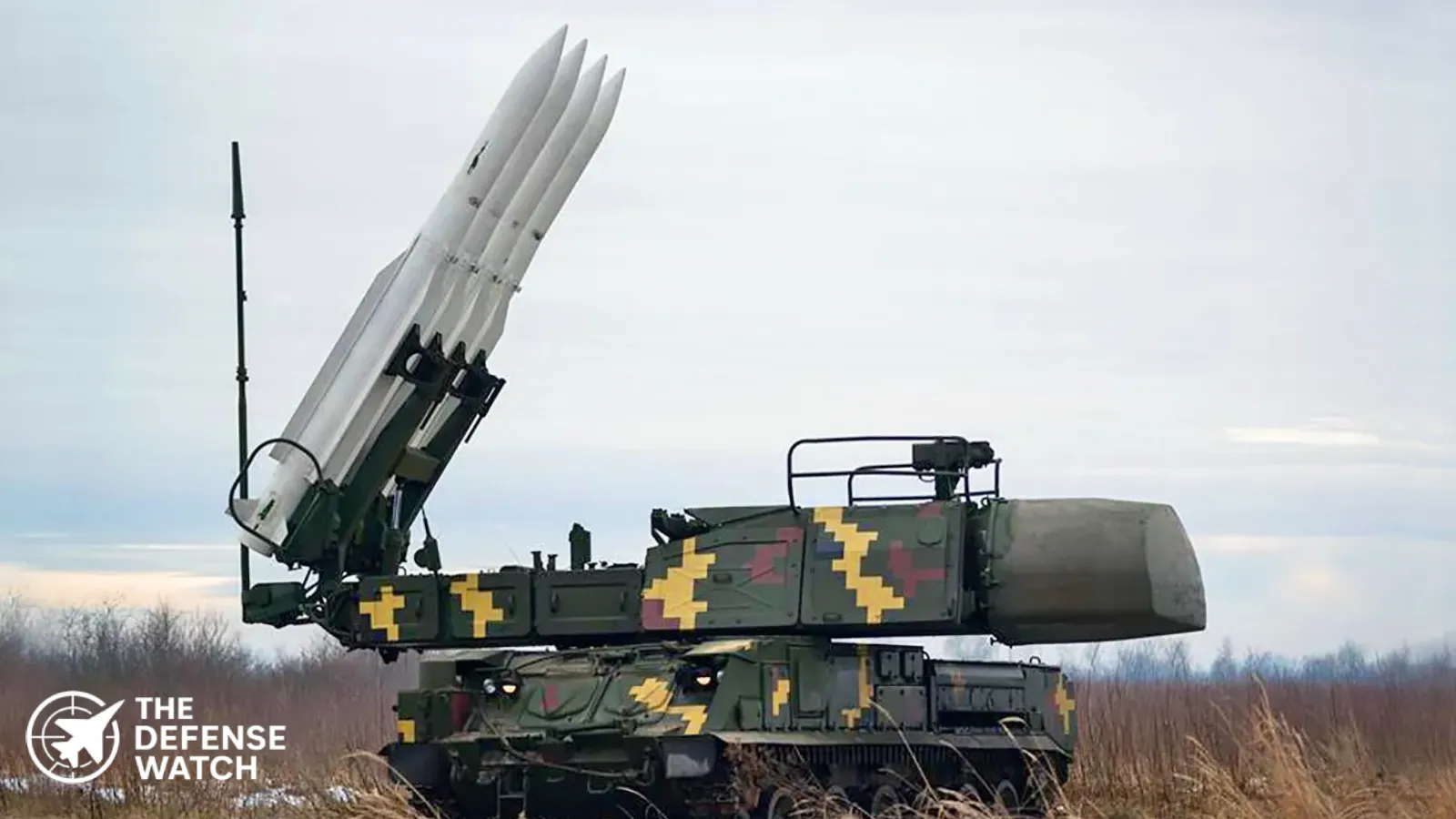
Ukraine to Receive More S-300 Interceptors With Norway’s Support
Ukraine is set to receive additional interceptors for its S-300 surface-to-air missile systems through a new support effort backed by Norway, as Kyiv continues to face sustained missile and drone attacks across multiple regions.
The development, first reported by defense-focused outlets citing Western officials, reflects ongoing efforts by Ukraine’s partners to keep legacy Soviet-era air defense systems operational despite dwindling missile stocks and limited global supply. The announcement comes amid renewed Russian long-range strike activity targeting Ukrainian energy infrastructure, air bases, and urban centers.
Norway’s involvement highlights a growing European role in sustaining Ukraine’s layered air defense network as the conflict enters another year with no signs of de-escalation.
Why S-300 Systems Remain Critical for Ukraine
The S-300 family of surface-to-air missile systems has formed the backbone of Ukraine’s long-range air defense since the start of Russia’s full-scale invasion in 2022. Designed during the Cold War, the system is capable of engaging aircraft, cruise missiles, and in some variants, limited ballistic missile threats.
Despite the introduction of Western-supplied systems such as NASAMS, IRIS-T SLM, and Patriot, Ukraine continues to rely heavily on S-300 batteries due to their wide coverage and integration into existing command-and-control networks.
However, the primary challenge has been interceptor availability. Most S-300 missiles are no longer produced at scale, and remaining stocks are scattered across former Warsaw Pact states or stored in aging depots.
Norway’s Role in Securing Interceptors
Norway has emerged as a key facilitator in efforts to locate, finance, and refurbish compatible S-300 interceptors for transfer to Ukraine. While Oslo does not operate the S-300 system itself, it has played a coordinating role by working with partner nations that still possess missiles or components suitable for refurbishment.
According to defense sources, Norway’s contribution includes funding, logistics coordination, and technical support aimed at restoring stored interceptors to operational condition before delivery. This approach mirrors earlier European initiatives that focused on sourcing legacy equipment from third-party countries rather than direct transfers from NATO inventories.
Norwegian officials have emphasized that strengthening Ukraine’s air defenses remains a top priority, particularly as Russia increases its use of mixed attack packages combining cruise missiles, ballistic missiles, and one-way attack drones.
Pressure on Ukraine’s Air Defense Stockpiles
Ukraine’s air defense forces have maintained high interception rates throughout the conflict, but at significant cost. Each large-scale Russian strike can involve dozens of targets, forcing defenders to expend valuable interceptors that are difficult to replace.
S-300 interceptors, in particular, have been used extensively to counter cruise missiles and aircraft operating near Ukrainian airspace. As stocks decline, Ukrainian commanders have had to make difficult decisions about which targets to prioritize, especially when facing simultaneous attacks across different regions.
The additional S-300 interceptors supported by Norway are expected to provide short- to medium-term relief, helping maintain coverage until more Western systems and missiles can be delivered in sufficient numbers.
Limits of Western Substitutes
While systems like Patriot offer superior performance against ballistic missiles, they are expensive and available only in limited quantities. NASAMS and IRIS-T provide strong medium-range coverage but cannot fully replace the wide-area defense offered by S-300 batteries.
Moreover, retraining personnel and integrating new systems into Ukraine’s air defense architecture takes time. Maintaining S-300 readiness allows Ukraine to preserve a layered defense structure, with Western systems filling specific high-value roles.
Defense analysts note that sustaining older systems is often faster and more cost-effective than relying solely on new deliveries, particularly in a high-intensity conflict.
Strategic Implications for European Security
Norway’s support underscores a broader shift among European states toward long-term sustainment strategies rather than one-time equipment transfers. As the war continues, attention is increasingly focused on ammunition, spare parts, and maintenance rather than headline-grabbing platform donations.
This approach also reflects concerns about NATO members’ own air defense readiness. By sourcing interceptors from outside alliance stockpiles, European governments aim to balance support for Ukraine with domestic defense requirements.
The effort may also set a precedent for future cooperation on legacy systems still in service across parts of Eastern Europe and beyond.
What Comes Next
Delivery timelines and quantities of the additional S-300 interceptors have not been publicly disclosed, citing operational security. Ukrainian officials have consistently avoided detailing air defense deployments to prevent adversary targeting.
What is clear is that demand for air defense missiles will remain high as Russia adapts its strike tactics and continues to test Ukrainian defenses. Further European-led initiatives to source and refurbish compatible interceptors are likely in the coming months.
For Ukraine, keeping its S-300 systems operational remains a matter of national survival, protecting cities, infrastructure, and military forces from sustained aerial attack.

7 comments
[…] Cabinet’s conceptual support now enables additional steps toward full procurement, including financing decisions and the negotiation of a final […]
[…] and Australia at 5 percent. These allocations reflect each customer’s scope of participation and support requirements within the broader missile support […]
[…] nations include Italy, Greece, Germany, Czechia, Spain, Lithuania, Bulgaria, and Türkiye, with additional support from France, Belgium, and the United Kingdom. The initial sealift from Italy delivered more than […]
[…] software upgrade will allow Hawk T1 mission support systems to receive real-time position data from other aircraft that broadcast ADS-B signals. That data improves […]
[…] 105th Border Guard Detachment confirmed the shootdown using a P1-SUN interceptor system, a portable air defense solution increasingly employed by Ukrainian forces to counter Shahed […]
[…] the region, particularly following Russia’s 2022 invasion of Ukraine, which fundamentally altered European security […]
[…] the new deal, the sustainment effort will expand its footprint in Adelaide with additional technical services and logistics roles. Some deactivated equipment will be returned to inventory, […]