

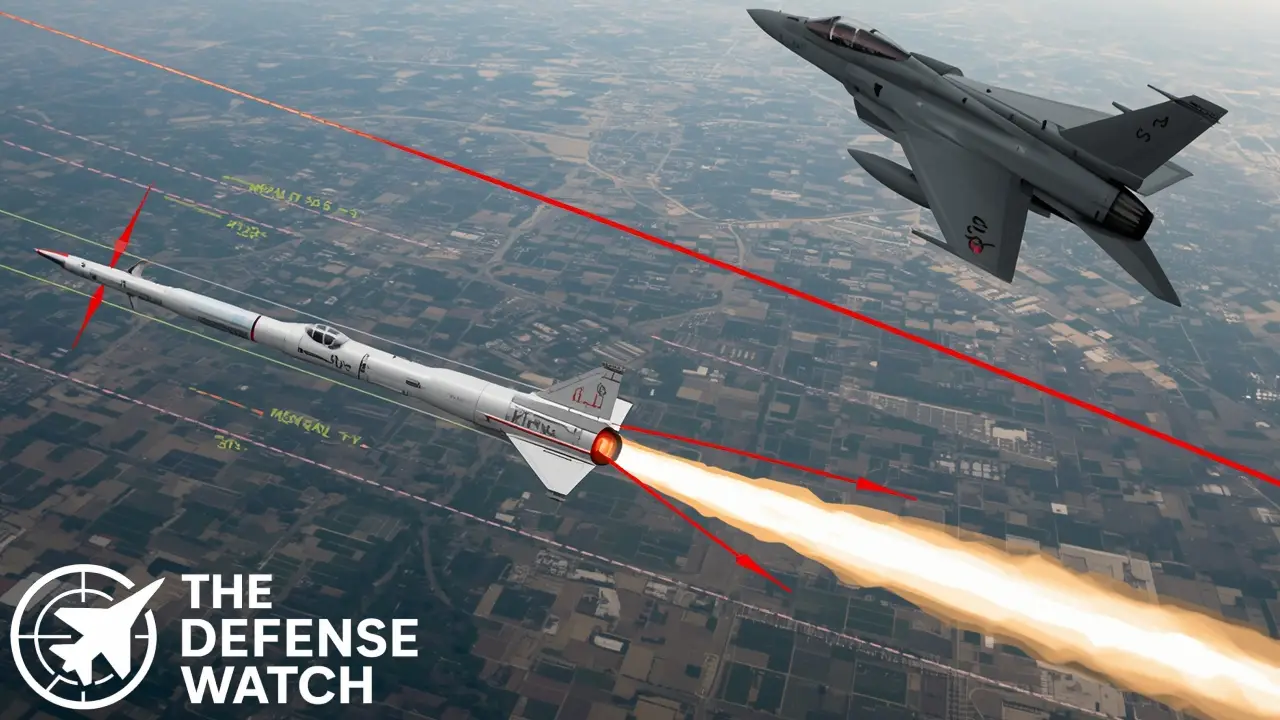
Russia’s Evolving Hypersonic Arsenal Reshapes Strategic Deterrence
Russia’s development of hypersonic missile technology represents one of the most significant advances in strategic weaponry since the Cold War era. The Russian hypersonic missile program encompasses multiple platforms, including hypersonic glide vehicles and air-launched systems capable of reaching hypersonic speed—defined as velocities exceeding Mach 5, or five times the speed of sound. These weapons are designed to evade existing missile defense systems through a combination of extreme velocity and unpredictable flight paths, fundamentally altering the calculus of nuclear deterrence and conventional strike capabilities.
Moscow’s hypersonic weapons portfolio includes the Avangard hypersonic glide vehicle, the Kinzhal air-launched ballistic missile, and the Zircon anti-ship cruise missile. Each system employs different technologies to achieve hypersonic speed, with the Avangard representing the most sophisticated application—a boost-glide system that rides atop an intercontinental ballistic missile before separating to glide toward its target at speeds reportedly exceeding Mach 20. Russian hypersonic missiles have transitioned from experimental prototypes to operational deployment, with President Vladimir Putin announcing their combat readiness and their reported use in the Ukraine conflict.
Understanding Hypersonic Glide Vehicle Technology
The hypersonic glide vehicle represents the cutting edge of Russia’s strategic weapons development. Unlike traditional ballistic missiles that follow predictable parabolic trajectories, a hypersonic glide vehicle separates from its booster rocket and maneuvers through the atmosphere at extreme velocities, making interception extraordinarily difficult with current defensive technologies.
The Avangard system exemplifies this technology. According to Russian defense sources, the weapon system travels at approximately Mach 27 during its glide phase and can perform evasive maneuvers while en route to its target. The vehicle is carried atop the UR-100UTTKh intercontinental ballistic missile (known in NATO designation as the SS-19 Stiletto) and can reportedly carry both conventional and nuclear warheads. Russian Strategic Missile Forces began combat duty rotations with Avangard-equipped units in December 2019, marking the world’s first operational deployment of a hypersonic glide vehicle.
Maneuverability as a Defense Penetration Strategy
The strategic advantage of hypersonic glide vehicles lies not solely in velocity but in their capacity to alter course during flight. Traditional missile defense systems like the U.S. Ground-based Midcourse Defense rely on intercepting warheads along predictable ballistic trajectories. Hypersonic glide vehicles exploit the gaps in this defensive architecture by maneuvering within the atmosphere, potentially shifting targets or evading interceptor missiles deployed in their projected path.
This maneuverability is achieved through aerodynamic control surfaces and, in some designs, through thrust vectoring or auxiliary propulsion systems. The plasma sheath that forms around objects traveling at hypersonic speed creates significant engineering challenges for guidance systems, requiring advanced materials and heat-resistant electronics. Russia claims to have solved these thermal management problems, though independent verification of these capabilities remains limited.
The Kinzhal: Air-Launched Hypersonic Strike System
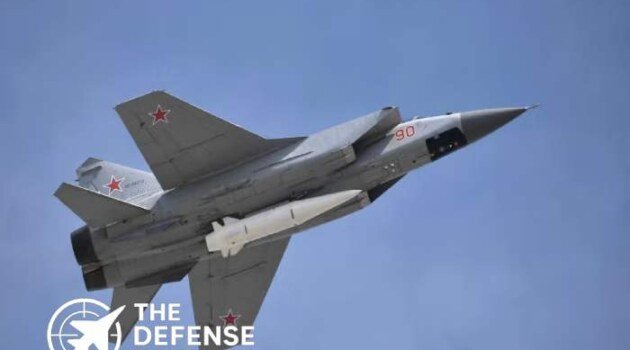
The Kh-47M2 Kinzhal, whose name translates to “dagger” in English, represents Russia’s air-launched hypersonic missile capability. Operationally deployed since 2018, the Kinzhal is launched from modified MiG-31K interceptor aircraft or Tu-22M3 long-range bombers, giving Russian forces a flexible platform for hypersonic strikes against high-value targets including aircraft carriers, command centers, and critical infrastructure.
The Kinzhal is technically an aero-ballistic missile—a modified version of the ground-launched Iskander-M short-range ballistic missile adapted for air launch. While Russian sources claim the weapon reaches speeds of Mach 10 and possesses a range exceeding 2,000 kilometers when air-launched, Western analysts assess that its kinematic performance, while impressive, may not match official Russian claims. The system’s hypersonic speed is achieved during its ballistic descent phase rather than through sustained powered flight.
Operational Employment in Ukraine
Russian forces have employed Kinzhal missiles operationally during the conflict in Ukraine, marking the first combat use of hypersonic weapons. Russian defense ministry statements claim successful strikes against ammunition depots, command posts, and underground facilities using Kinzhal missiles launched from MiG-31K aircraft. Ukrainian officials initially reported that their air defense systems could not intercept these weapons due to their speed and trajectory characteristics.
However, in May 2023, Ukrainian forces claimed to have successfully intercepted a Kinzhal missile using U.S.-supplied Patriot air defense systems—a claim that, if verified, would indicate that hypersonic missiles are not entirely invulnerable to advanced air defense networks. The Pentagon declined to confirm specific interception details but acknowledged that Patriot systems engaged aerial threats over Kyiv during the relevant timeframe. This development suggests that while hypersonic weapons present significant challenges to air defense, they are not categorically unstoppable with current-generation defensive systems.
Zircon: Naval Hypersonic Capability
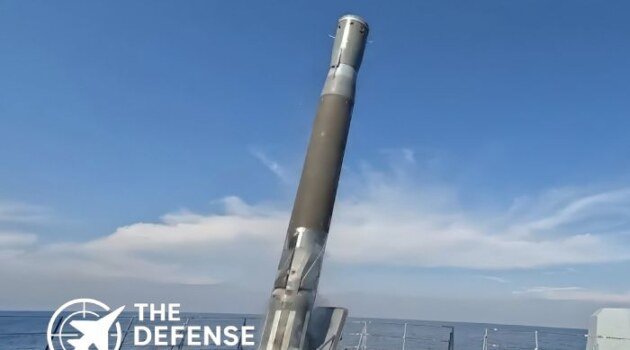
The 3M22 Zircon (also designated Tsirkon) extends Russia’s hypersonic capabilities to the naval domain. Designed as an anti-ship and land-attack cruise missile, Zircon is launched from vertical launch systems aboard Russian surface combatants and submarines, providing the Russian Navy with a standoff strike capability that can threaten carrier strike groups and coastal targets.
Russian sources describe Zircon as a scramjet-powered missile capable of sustained hypersonic flight at Mach 8-9 with a range of approximately 1,000 kilometers against naval targets. Unlike the Kinzhal, which achieves hypersonic speed through ballistic flight, Zircon reportedly employs a scramjet engine that enables powered flight throughout its trajectory at hypersonic speed. This propulsion method theoretically provides greater maneuverability and target flexibility compared to ballistic systems.
The Russian Navy conducted extensive testing of Zircon from various platforms including the Admiral Gorshkov frigate and Severodvinsk-class submarines. In October 2024, Russian defense officials announced that Zircon had entered serial production and operational deployment, with missiles supplied to both surface vessels and submarines of the Northern and Pacific Fleets.
Strategic Implications for Naval Warfare
Zircon represents a potential paradigm shift in naval engagement ranges and carrier vulnerability. U.S. carrier strike groups rely on layered air defense systems including the Aegis Combat System, E-2D Advanced Hawkeye airborne early warning aircraft, and fighter patrols to defend against incoming threats. The compressed engagement timelines created by hypersonic anti-ship missiles—potentially as brief as five minutes from launch detection to impact at maximum range—challenge the defensive reaction cycles of even the most advanced naval formations.
The U.S. Navy has acknowledged this challenge and is investing in hypersonic weapon defense capabilities, including modifications to the Aegis system and development of next-generation interceptors. However, the physical constraints of intercepting maneuvering targets at hypersonic speed create fundamental difficulties that cannot be fully resolved through incremental improvements to existing systems.
Hypersonic Nuclear Missiles and Strategic Stability
The integration of hypersonic delivery systems with Russia’s nuclear arsenal introduces new complexities to strategic stability calculations. While Russia has not officially confirmed which hypersonic systems are nuclear-capable, Western analysts assess that both Avangard and Kinzhal can carry nuclear warheads. The Avangard, as a strategic system carried by intercontinental ballistic missiles, is explicitly designed for potential nuclear missions.
The strategic concern surrounding hypersonic nuclear missiles centers on their implications for crisis stability and decision-making timelines. Traditional nuclear deterrence rests on assured second-strike capability—the confidence that a nation can absorb a first strike and still retain sufficient forces to deliver an unacceptable retaliatory blow. Hypersonic weapons that can evade missile defenses and strike with minimal warning time potentially undermine this stability by creating incentives for preemptive strikes during crises.
Arms Control Challenges
Hypersonic weapons exist in a regulatory gap within the existing arms control architecture. The New START treaty between the United States and Russia, extended in 2021 and set to expire in 2026, covers strategic nuclear delivery vehicles including intercontinental ballistic missiles, submarine-launched ballistic missiles, and heavy bombers. While the Avangard hypersonic glide vehicle is counted under New START as a warhead delivered by the UR-100UTTKh missile, other hypersonic systems may fall outside treaty limitations.
The Kinzhal, for example, presents classification challenges. If considered an air-launched ballistic missile with strategic range when launched from a heavy bomber, it could theoretically be subject to treaty provisions. However, Russian deployment of Kinzhal on MiG-31K interceptors—which are not heavy bombers under treaty definitions—potentially places these systems outside New START’s scope. This ambiguity, replicated across multiple emerging weapons technologies, complicates future arms control negotiations.
Comparative Assessment: Global Hypersonic Competition
Russia’s hypersonic weapons program exists within a broader context of great power competition in advanced strike technologies. The United States, China, and to a lesser extent other nations including India, France, and Australia are developing hypersonic capabilities, creating a multilateral arms race with significant strategic implications.
The United States has pursued hypersonic weapon development through multiple programs including the Army’s Long-Range Hypersonic Weapon, the Navy’s Conventional Prompt Strike system, and the Air Force’s AGM-183 Air-launched Rapid Response Weapon. Unlike Russia’s approach, which has emphasized rapid deployment of systems with potential developmental shortcuts, the U.S. program has prioritized technical maturity and extensive testing, resulting in a slower timeline to operational deployment.
China has made substantial progress in hypersonic technologies, with the DF-17 medium-range ballistic missile equipped with a hypersonic glide vehicle entering service with the People’s Liberation Army Rocket Force. In 2021, reports emerged of Chinese testing of a fractional orbital bombardment system combined with a hypersonic glide vehicle—a capability that, if operational, would represent a significant advancement in global strike reach and defense penetration.
Technical and Operational Realities
Despite the strategic attention given to hypersonic weapons, several technical and operational realities moderate their revolutionary impact. Hypersonic flight imposes severe constraints on sensor performance, guidance systems, and communications due to the plasma sheath that forms around vehicles at extreme velocities. This ionization layer can block radio frequencies, complicating target updates and terminal guidance.
Additionally, the extreme thermal and mechanical stresses of hypersonic flight limit the materials and designs available for these weapons, potentially constraining payload capacity and reducing the size of warheads compared to traditional delivery systems. The sophisticated ground infrastructure required for targeting, launch, and guidance of hypersonic systems creates dependencies that may be vulnerable to counterforce targeting or electronic warfare.
Strategic Analysis: Implications for Deterrence and Defense
Russia’s operational deployment of hypersonic missiles has already influenced U.S. and NATO defense planning. The Pentagon’s 2022 Missile Defense Review explicitly acknowledged the challenge posed by hypersonic threats and outlined investments in sensor networks, space-based tracking systems, and next-generation interceptors designed to address these weapons.
The most effective near-term response to hypersonic threats may lie not in intercepting the missiles themselves but in left-of-launch strategies—disrupting adversary intelligence, surveillance, and reconnaissance systems, electronic warfare against launch platforms, or kinetic strikes against hypersonic weapon infrastructure before launch. This shift toward offensive counter-force measures rather than purely defensive interception raises its own strategic stability concerns, potentially increasing crisis instability by creating incentives to strike first against adversary launch platforms.
From Russia’s perspective, hypersonic weapons serve multiple strategic purposes beyond their immediate military utility. They demonstrate technological prowess, complicate adversary defense planning, and provide leverage in strategic negotiations. The psychological and political impact of hypersonic weapons may exceed their actual military effectiveness, particularly given the limited numbers deployed and the high costs associated with these systems.
Future Trajectories
The trajectory of hypersonic weapon development will likely follow several parallel paths. First, incremental improvements in existing systems will enhance reliability, accuracy, and operational flexibility. Second, defensive technologies will gradually improve, potentially including directed energy weapons, electromagnetic railguns, or advanced kinetic interceptors specifically designed for hypersonic threats. Third, the integration of artificial intelligence into targeting and guidance systems may partially overcome the communication challenges imposed by hypersonic flight.
The strategic equilibrium will depend on the relative pace of offensive and defensive technological development, the economic sustainability of maintaining and expanding hypersonic arsenals, and the diplomatic success or failure of efforts to establish norms and limitations on these weapons. Given the substantial investments by major powers in hypersonic programs, these weapons will remain a central feature of strategic competition for the foreseeable future.
Conclusion: Navigating the Hypersonic Era
Russia’s development and deployment of hypersonic missiles including hypersonic glide vehicles marks a significant evolution in strategic weapons technology. While these systems present genuine challenges to existing missile defense architectures, their operational impact should be assessed within the broader context of nuclear deterrence, conventional military capabilities, and the ongoing adaptation of defensive systems.
The Russian hypersonic missile program has achieved operational milestones ahead of competing nations, providing Moscow with a temporary advantage in this domain. However, the sustainability of this lead remains uncertain given the substantial resources the United States and China are dedicating to their own hypersonic programs. The ultimate strategic significance of hypersonic weapons will depend not on their impressive technical specifications but on how they influence crisis behavior, defense planning, and the broader dynamics of great power competition in an increasingly multipolar international system.
FAQs
What makes a missile hypersonic, and why are they difficult to intercept?A missile is classified as hypersonic when it travels at speeds exceeding Mach 5 (five times the speed of sound, approximately 3,836 mph or 6,174 km/h). Hypersonic missiles are difficult to intercept because they combine extreme velocity with maneuverability—unlike traditional ballistic missiles that follow predictable arcs, hypersonic weapons can alter their flight paths, evading missile defense systems designed to intercept targets along predetermined trajectories.
What hypersonic missiles does Russia currently have operational?Russia has deployed three primary hypersonic systems: the Avangard hypersonic glide vehicle (operational since December 2019), which is mounted on intercontinental ballistic missiles; the Kinzhal air-launched missile (operational since 2018), carried by MiG-31K interceptors and Tu-22M3 bombers; and the Zircon naval cruise missile (entered serial production in 2024), launched from surface ships and submarines.
Can hypersonic missiles be intercepted by current defense systems?While extremely challenging, hypersonic missiles are not completely immune to interception. Ukrainian forces claimed to have successfully intercepted a Russian Kinzhal missile using U.S.-supplied Patriot systems in May 2023, suggesting that advanced air defense networks can engage some hypersonic threats under certain conditions. However, the compressed engagement timelines and maneuverability of hypersonic weapons make successful interception difficult and unreliable with current technology.
Are Russia’s hypersonic missiles nuclear-capable?Russia has not officially disclosed the complete nuclear configuration of its hypersonic arsenal, but Western intelligence assessments indicate that both the Avangard and Kinzhal systems are capable of carrying nuclear warheads. The Avangard, as a strategic weapon system, is explicitly designed with nuclear mission capability. The Zircon is primarily described as a conventional anti-ship missile, though its potential nuclear adaptation cannot be ruled out.
How does Russia’s hypersonic program compare to U.S. and Chinese efforts?Russia has achieved operational deployment of hypersonic weapons ahead of both the United States and China, gaining a temporary technological advantage. However, the U.S. has multiple hypersonic programs in advanced development emphasizing technical maturity over rapid deployment, while China has fielded the DF-17 hypersonic glide vehicle system and reportedly tested advanced orbital bombardment concepts. Each nation’s approach reflects different strategic priorities, technological philosophies, and resource allocation decisions in the ongoing hypersonic arms race.

7 comments
[…] ratio of 1.20. Russia’s fifth-generation entry carries 22,000 pounds of ordnance, including hypersonic Kinzhal missiles, and reaches Mach 2 with an RCS reduced to 0.1 square meters through composite […]
[…] open-mission systems architecture, facilitating rapid software updates for emerging threats like hypersonic glide vehicles. This adaptability ensures the F-15E remains a staple in the US military’s fastest fighter jets […]
[…] as part of this expanding UAV portfolio, and comes as China continues to field newer models with advanced sensor suites and strike capabilities. Its unveiling follows other high-profile Chinese drone developments, including heavy drone […]
[…] the presence of sophisticated Chinese systems in Cambodian hands, including multiple launch rocket systems capable of striking deep into Thai territory. Cambodia has at times denied these claims, calling reports misleading or […]
[…] comes amid ongoing diplomatic efforts in Paris and heightened tensions over peace negotiations. Russia’s use of advanced hypersonic systems near alliance borders may influence strategic calculations and military support discussions […]
[…] Integration with national mission computers and software allows the weapon to be employed using indigenous targeting data, mission planning tools, and command and control systems. This alignment supports Turkey’s push for platform independence and full sovereign control over strike capabilities. […]
[…] and ultimately demonstration of full mission capability. The goal is to field a European hypersonic strike capability by around 2029, aligned with broader NATO and UK timelines for advanced strike […]