Executive Summary:
Raytheon has secured a contract to provide SeaRAM missile defense systems for Australia’s future Improved Mogami-class frigates. The deal strengthens the Royal Australian Navy’s close-in defense capability as regional naval competition and missile threats continue to rise across the Indo-Pacific.
Raytheon SeaRAM Contract Strengthens Australia’s Future Frigate Fleet
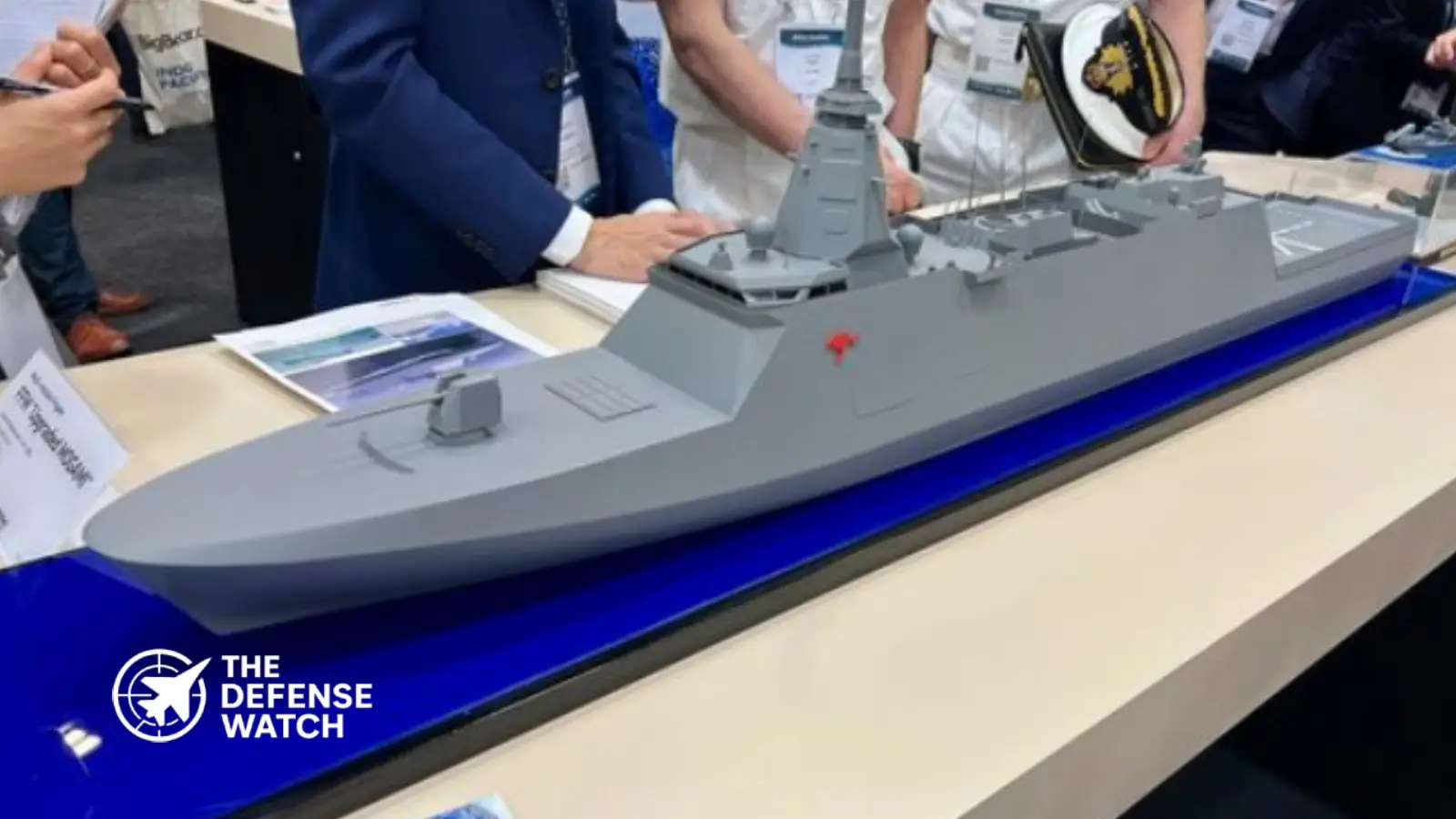
The Raytheon SeaRAM contract for Australia’s Improved Mogami frigates marks another major step in Canberra’s ongoing naval modernization strategy. The agreement will see the advanced close-in weapon system integrated onto Australia’s planned fleet of upgraded Mogami-class frigates, enhancing ship survivability against anti-ship missiles, drones, and other airborne threats.
The SeaRAM system will form part of the defensive suite for the vessels selected under Australia’s SEA 3000 General Purpose Frigate program.
The Improved Mogami-class design is based on the Japanese frigate developed by Mitsubishi Heavy Industries for the Japan Maritime Self-Defense Force. Australia selected the upgraded Japanese design in 2025 as part of efforts to rapidly expand and modernize the surface combatant fleet.
SeaRAM Expands Layered Naval Missile Defense
The RTX Corporation SeaRAM system combines the sensor and tracking architecture of the Phalanx Close-In Weapon System with the Rolling Airframe Missile interceptor. The system is designed to provide a final defensive layer against incoming anti-ship missiles and low-flying aerial threats.
SeaRAM has seen growing adoption among allied navies due to the increasing prevalence of precision-guided weapons, loitering munitions, and unmanned systems in modern naval warfare.
The system offers several operational advantages for Australia’s future frigates:
- Rapid autonomous threat detection and engagement
- Reduced crew workload through automated targeting
- Compatibility with modern combat management systems
- Capability against saturation missile attacks and drones
The Royal Australian Navy is seeking greater layered air defense capability as regional maritime threats become more complex. The Indo-Pacific theater has witnessed rapid expansion in long-range missile inventories, particularly among major regional powers.
Australia Accelerates Naval Modernization Efforts
Australia’s selection of the Improved Mogami frigate reflects a broader defense strategy focused on distributed lethality, fleet survivability, and rapid force expansion.
Canberra has placed increased emphasis on maritime security following growing geopolitical competition across the Indo-Pacific. The Royal Australian Navy is expected to operate the new frigates alongside Hobart-class destroyers and future nuclear-powered submarines under the AUKUS security partnership.
The Improved Mogami-class frigates are expected to feature:
- Advanced radar and sensor suites
- Anti-submarine warfare capabilities
- Vertical launch missile systems
- Reduced radar signature design features
- Enhanced interoperability with allied forces
The addition of SeaRAM strengthens close-range ship defense, particularly against high-speed anti-ship missiles that can evade longer-range interceptors.
Defense analysts note that recent naval conflicts and Red Sea maritime attacks have reinforced the importance of layered ship protection systems. The widespread use of drones and anti-ship cruise missiles has forced many navies to reassess close-in defensive capabilities.
Strategic Importance In The Indo-Pacific
The SeaRAM contract also highlights expanding defense cooperation between Australia, Japan, and the United States.
Australia’s decision to adopt a Japanese frigate design represents a significant strategic development in regional defense industrial collaboration. It also aligns with efforts by allied nations to improve interoperability amid growing security concerns in the Pacific.
For Raytheon, the agreement further expands SeaRAM’s international customer base. The system is already deployed aboard U.S. Navy vessels and multiple allied warships worldwide.
The deal underscores how missile defense systems are becoming central to modern naval procurement strategies. Surface combatants increasingly require integrated protection against diverse threats ranging from supersonic missiles to low-cost unmanned aerial systems.
As Australia continues to reshape its maritime force structure, the Improved Mogami frigates are expected to play a key role in regional patrol, escort, and deterrence missions.
Growing Demand For Naval Defensive Systems
The Raytheon SeaRAM contract reflects broader global demand for shipborne missile defense systems amid evolving naval warfare trends.
Modern warships face increasingly compressed engagement timelines due to faster missiles, networked targeting systems, and swarm drone attacks. Close-in defense systems such as SeaRAM are now viewed as essential rather than optional capabilities for frontline naval platforms.
Australia’s frigate modernization effort comes at a time when Indo-Pacific navies are investing heavily in survivability upgrades, electronic warfare systems, and integrated air defense architectures.
The Improved Mogami program is expected to contribute significantly to Australia’s future maritime deterrence posture while reinforcing trilateral defense cooperation among key regional allies.