(adsbygoogle = window.adsbygoogle || []).push({});Executive Summary: On May 11, 2026, Rafael Advanced Defense Systems chairman Yuval Steinitz publicly confirmed that Israel’s Iron Dome missile defense system achieved an interception rate of approximately 98–99% against rockets fired by Hamas and Hezbollah since the October 2023 Hamas attack. Speaking at a Jerusalem security conference, Steinitz also disclosed that Iran fired roughly 1,500 ballistic missiles at Israel across two separate escalations since 2024, with only “several dozens” reaching their targets. The disclosure offers the most authoritative public accounting of Iron Dome’s wartime performance to date — and carries direct implications for U.S. defense planning and allied air defense procurement.
Iron Dome’s Near-Perfect Record: Rafael Chairman Puts Numbers on the System’s Wartime Performance
In the fog of an ongoing multi-front conflict, hard performance data from active defense systems is rare. On May 11, 2026, that changed. Yuval Steinitz, chairman of state-owned Israeli defense company Rafael Advanced Defense Systems — the manufacturer of the Iron Dome missile defense system — publicly disclosed a near-complete battlefield accounting of the system’s performance since October 2023.
Speaking at a conference hosted by the Jerusalem Center for Security and Foreign Affairs, Steinitz confirmed that since the Hamas raid of October 7, 2023, Hamas in Gaza and Hezbollah in Lebanon have collectively launched approximately 40,000 rockets toward Israel — and that Iron Dome intercepted the vast majority of them at a success rate of “around 98%, even 99%.
“It’s not perfect, but almost,” Steinitz said, according to Reuters.
That single figure — 99% — is not marketing language. Coming from the chairman of the system’s state-owned manufacturer, it represents the most authoritative public benchmark released on Iron Dome’s sustained combat performance across a multi-year, multi-front war.
What the Numbers Actually Mean
To understand the operational weight of a 99% intercept rate, consider the scale: 40,000 rockets fired by Hamas and Hezbollah since October 2023. A 1% failure rate across that volume still means roughly 400 projectiles were not intercepted. That number, while significant in human terms, represents an extraordinary outcome for any missile defense system operating under sustained, high-tempo saturation conditions.

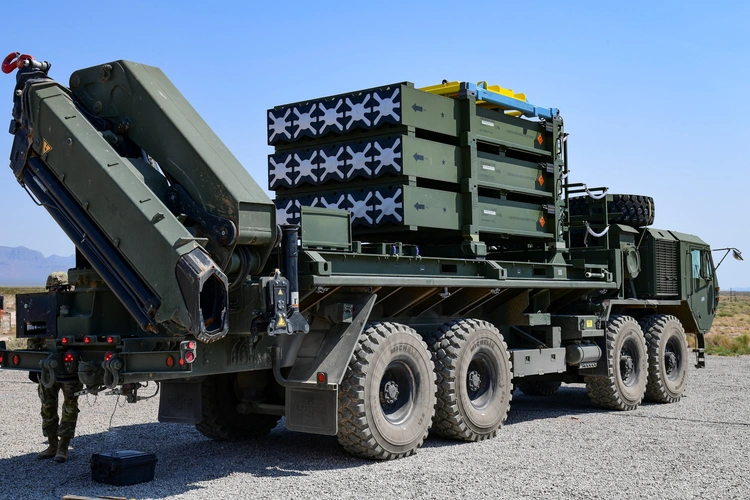
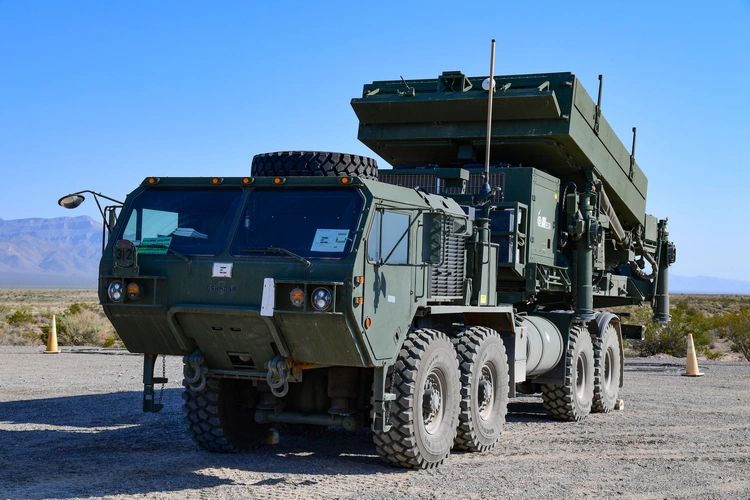
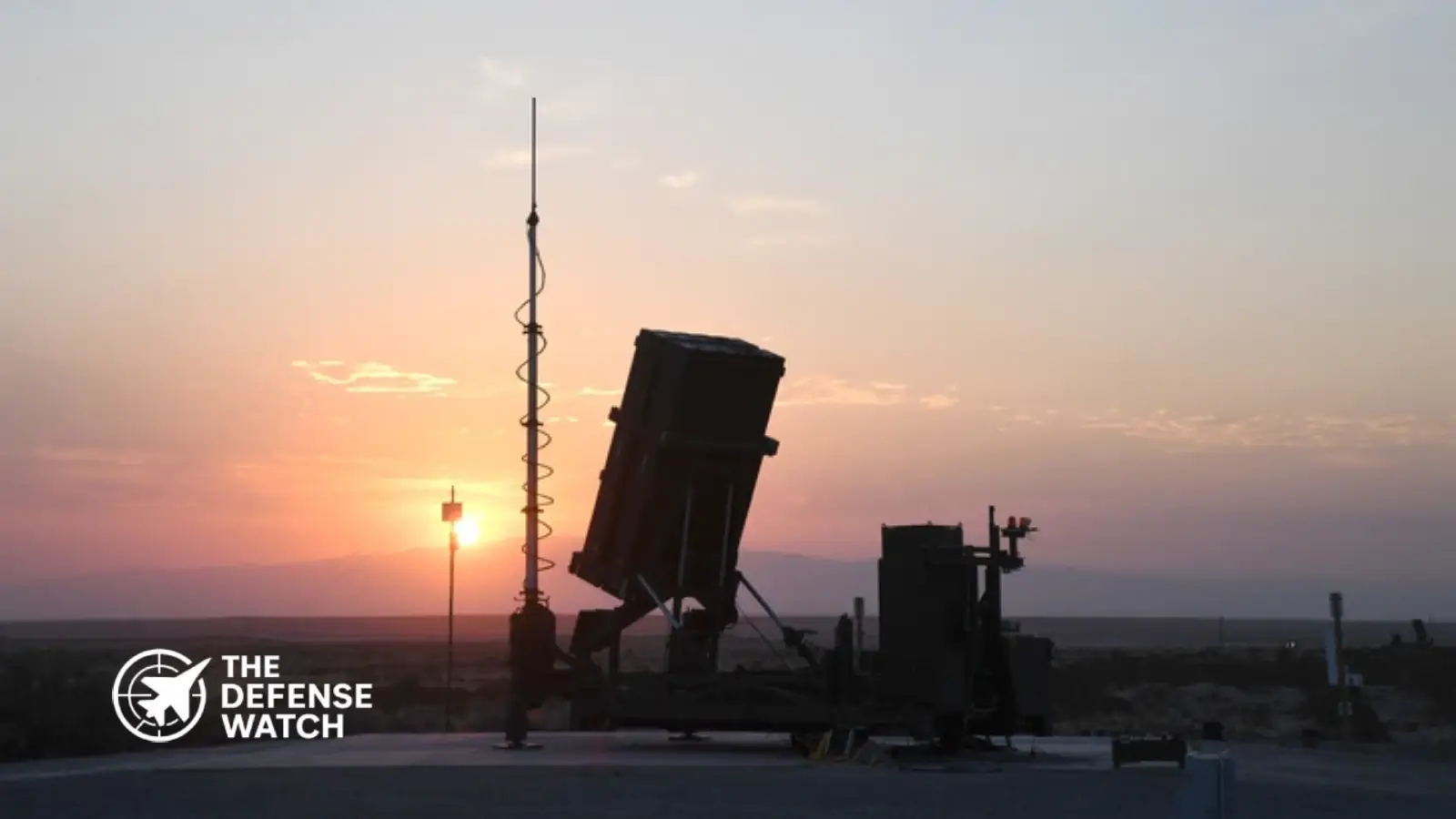
Iron Dome is optimized for short-range threats — including unguided rockets, artillery shells, mortars, drones, and low-flying aircraft — precisely the categories of weapons used most extensively by Hamas and Hezbollah. The system’s architecture is purpose-built for this threat environment, and the performance data now confirms it is delivering at or near its theoretical maximum.
(adsbygoogle = window.adsbygoogle || []).push({});Rafael also confirmed there is no shortage of Tamir interceptor missiles — the munitions Iron Dome fires — despite a sustained high operational tempo across multiple active fronts. That supply-chain assurance is itself strategically significant, dispelling earlier concerns about interceptor depletion during extended conflict cycles.
Iran’s Ballistic Missile Campaigns: A Different Challenge
The Iran threat picture tells a more complex story. Steinitz disclosed that Iran has fired approximately 1,500 ballistic missiles at Israel across two rounds of direct military confrontation since 2024, with only “several dozens” not intercepted.
This outcome, however, was not Iron Dome’s achievement alone. Arrow — Israel’s highest-tier air defense layer, developed in cooperation with the U.S. Missile Defense Agency over more than four decades — is specifically designed to intercept ballistic threats at exo-atmospheric and upper-atmospheric altitudes, defending Israel against long-range strategic threats. Israel’s Ministry of Defense has separately confirmed that Arrow proved its capabilities by successfully intercepting numerous ballistic missiles launched from both Iran and Yemen.
Iron Dome, alongside David’s Sling, Arrow 3, and the newly operational Iron Beam laser system, forms a tiered national air defense architecture. During Iran’s direct ballistic missile campaigns, longer-range threats were primarily handled by Arrow 3 and David’s Sling, while Iron Dome focused on the short-range rocket threat from Hezbollah and Iranian proxies. AJC
Israel’s Layered Defense: Architecture Built for Volume
The layered structure of Israeli air defense is not incidental — it is the product of decades of iterative development shaped by real combat experience.
Iron Dome was developed by Rafael Advanced Defense Systems and the Israeli Ministry of Defense, with significant U.S. funding, and operates as part of Israel’s layered air defense network alongside Iron Beam (laser air defense), David’s Sling (medium-range threats), and Arrow (long-range ballistic missile defense).
Rafael Advanced Defense Systems produces both Iron Dome and David’s Sling, while Israel Aerospace Industries serves as the main contractor for the Arrow system. Israel’s multi-layered defenses now also include a laser air defense system, also produced by Rafael, which was supplied to the Israel Defense Forces in December 2025.
(adsbygoogle = window.adsbygoogle || []).push({});This integration is the key insight often lost in single-system performance discussions. No single platform accounts for the 99% figure Steinitz cited in isolation — the full architecture, functioning as a coordinated network, is what produces near-total coverage.
The U.S. Stake: Funding, Technology, and Strategic Interest
American policymakers and defense planners have a direct and material stake in these performance figures. Iron Dome was developed by Rafael Advanced Defense Systems and Israel Aerospace Industries with significant funding and technology sharing from the United States. The financial relationship between Washington and the Iron Dome program spans more than a decade of Congressional appropriations.
Systems such as Iron Dome, David’s Sling, and Arrow are jointly developed by Israel and the United States, with American companies working alongside Israeli firms to produce the interceptors. Even though the systems are Israeli, they incorporate substantial U.S. technology.
(adsbygoogle = window.adsbygoogle || []).push({});The FY2026 National Defense Authorization Act authorizes procurement of the Iron Dome short-range rocket defense system, the David’s Sling Weapon System, and the Arrow 3 Upper Tier Interceptor Program, reflecting continued Congressional commitment to the joint defense architecture.
For U.S. defense planners assessing homeland missile defense requirements — particularly as adversaries like China, Russia, North Korea, and Iran expand their long-range strike inventories — the Israeli experience offers the most relevant real-world data available on layered air defense performance under sustained combat conditions.
Analytical Context: What the 99% Figure Doesn’t Capture
Steinitz’s disclosure, while significant, does not exist in an analytical vacuum. Defense analysts have noted that saturation attack tactics — in which adversaries fire large simultaneous salvos to overwhelm defense systems — remain a persistent vulnerability that high intercept rates alone do not address.
Additionally, the 99% figure applies specifically to Iron Dome’s performance against short-range, unguided rockets — the system’s designed threat category. Precision-guided munitions, hypersonic glide vehicles, and multi-warhead ballistic missiles present fundamentally different interception challenges that require higher-tier systems and present greater difficulty even for advanced radar and fire-control architectures.
There is also the issue of physical vulnerability. Hezbollah drones have physically destroyed Iron Dome launchers on the ground, exposing a dimension of the system’s survivability that intercept rate statistics do not capture. Protecting the launchers themselves — not just the interceptors — is an operational requirement that the 99% figure does not address.
Global Implications: The Export Conversation
Iron Dome’s confirmed battlefield record at scale will accelerate existing international interest in the platform. The system has attracted international attention from countries including the United Kingdom, Romania, Turkey, South Korea, Canada, and the United States.
For allied nations facing short-range rocket threats — from state proxies in the Middle East to North Korean artillery systems in East Asia — the real-world performance data now available from Israel’s sustained multi-front conflict provides a procurement-grade evidence base that no test program could replicate.
Bottom Line
The Iron Dome missile defense system has now logged more sustained, high-tempo combat data against real adversaries than any comparable platform in history. Rafael chairman Yuval Steinitz’s May 11 disclosure puts the intercept rate at 98–99% against roughly 40,000 rockets, and confirms that interceptor supply constraints did not materialize despite years of active engagement.
For U.S. defense stakeholders — from Capitol Hill appropriators to Pacific Command planners — these are not merely Israeli numbers. They are the most current, credible benchmark available for what a layered, well-resourced air defense architecture can realistically achieve in sustained combat. The conversation about what that means for American missile defense investment has only begun.