- Home
- Defense Systems
- Compare
- J-20 vs F-22: Stealth Fighter Showdown Explained
J-20 vs F-22: Stealth Fighter Showdown Explained
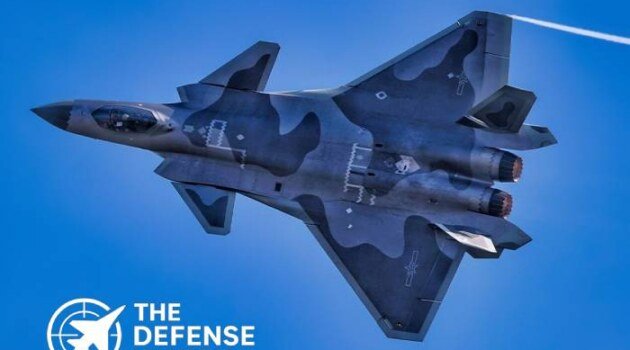
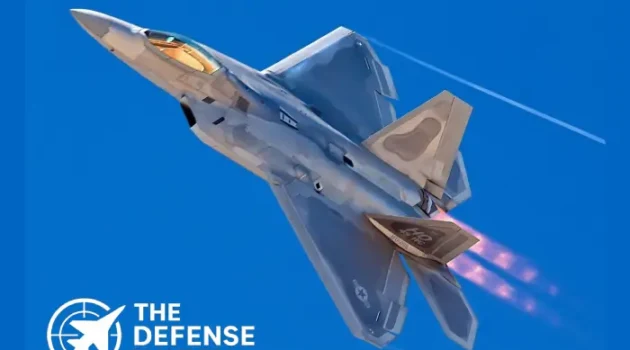
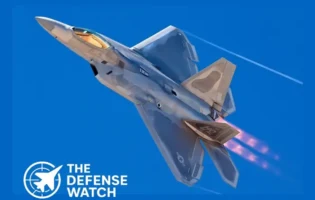
The J-20 vs F-22 comparison remains one of the most debated topics in modern airpower. China’s Chengdu J-20 represents Beijing’s push toward fifth-generation stealth aviation, while America’s F-22 Raptor remains the benchmark for air-superiority fighters. This short analysis highlights key differences in engine performance, radar cross-section, avionics, maneuverability, long-range engagement capabilities, and battlefield roles. With both jets shaping U.S.–China military strategy, understanding their strengths and weaknesses is essential for defense analysts, aviation enthusiasts, and policymakers. Explore how these two stealth giants stack up in real-world scenarios and future combat environments.
General Information
|
Name
|
Chengdu J-20 Mighty Dragon
F-22 Raptor |
|
Manufacturer
|
Chengdu Aerospace Corporation (CAC)
Lockheed Martin, Boeing Defense |
|
Country of Origin
|
China
United States |
|
Type / Role
|
Stealth Air Superiority / Multirole Fighter
Air Superiority Stealth Fighter |
|
Generation
|
5th Generation
Fifth Generation |
|
Status
|
In Active Service
In active service |
|
First Flight
|
January 11, 2011
September 7, 1997 |
|
Introduction / In Service Since
|
March 2017
December 15, 2005 |
|
Number Built
|
200+ (estimated as of 2025)
187 operational units |
|
Operators
|
People’s Liberation Army Air Force (PLAAF)
United States Air Force |
Dimensions & Structure
|
Length
|
20.4 m (67 ft)
62 ft (18.9 m) |
|
Wingspan
|
13.5 m (44 ft)
44.5 ft (13.6 m) |
|
Height
|
4.45 m (14.6 ft)
16.7 ft (5.1 m) |
|
Wing Area
|
~78 m²
840 sq ft (78 m²) |
|
Empty Weight
|
19,000 kg
43,340 lb (19,700 kg) |
|
Maximum Takeoff Weight (MTOW)
|
37,000 kg
83,500 lb (38,000 kg) |
|
Internal Weapons Bay
|
2 main + 2 side bays
3 total (1 centerline, 2 side) |
|
External Hardpoints
|
4 (optional)
4 (non-stealth configuration) |
Performance
|
Maximum Speed
|
Mach 2.0+
Mach 2.25 (2,414 km/h) |
|
Range
|
2,000 km
1,840 miles (2,960 km) |
|
Combat Radius
|
1,100 km
530 miles (850 km) |
|
Service Ceiling
|
66,000 ft (20,000 m)
65,000 ft (19,800 m) |
|
Rate of Climb
|
60,000 ft/min
62,000 ft/min (315 m/s) |
|
Thrust-to-Weight Ratio
|
~1.1
1.26 |
|
G Limits
|
+9 G
+9 G |
Powerplant
|
Engine Type
|
WS-15 (or AL-31FM2 on earlier units)
Pratt & Whitney F119-PW-100 turbofan |
|
No. of Engines
|
2
2 |
|
Thrust (each)
|
30,000 lbf (WS-15, projected)
35,000 lbf (156 kN) |
|
Thrust Vectoring
|
Yes (newer variants)
Yes (2D pitch vectoring) |
|
Fuel Capacity
|
~25,000 lb (internal)
18,000 lb (8,200 kg) internal |
Armament
|
Gun
|
None (internal space optimized for stealth)
1× M61A2 Vulcan 20mm cannon |
|
Missiles (Air-to-Air)
|
PL-10, PL-15, PL-21 (future)
AIM-120 AMRAAM, AIM-9 Sidewinder |
|
Missiles (Air-to-Ground)
|
KD-series guided missiles
JDAM, SDB |
|
Bombs
|
Precision-guided bombs (optional)
GBU-32 JDAM, GBU-39 SDB |
|
Hardpoints
|
4 external (non-stealth use)
4 external (optional) |
|
Payload Capacity
|
~11,000 kg
18,000 lb (8,200 kg) |
Avionics & Systems
|
Radar
|
Type 1475 AESA radar
AN/APG-77 AESA radar |
|
Radar Range
|
~200+ km
125+ miles (200+ km) |
|
Electronic Warfare (EW) System
|
Integrated ECM suite
AN/ALR-94 suite |
|
Targeting System
|
Electro-Optical Targeting System (EOTS)
Integrated multi-sensor fusion |
|
Helmet Display
|
Yes
Standard HUD (no HMD in baseline) |
|
Navigation
|
Inertial + Satellite-assisted
GPS/INS |
|
Autopilot / AI Assistance
|
Semi-autonomous flight control
Digital fly-by-wire |
|
Communication
|
Encrypted data links, satellite comms
Intra-flight data link, secure comms |
Stealth & Technology
|
Radar Cross Section (RCS)
|
Estimated 0.025–0.1 m²
~0.0001 m² |
|
Stealth Features
|
Shaping, RAM coating, internal bays
Radar-absorbent materials, internal weapons |
|
Infrared Signature Reduction
|
Engine shrouds, thermal coating
Engine exhaust shielding |
|
Sensor Fusion
|
Yes
Yes |
|
Networking Capabilities
|
Integrated with PLAAF command networks
Limited Link-16, proprietary data link |
Variants
|
Special Export Versions
|
Experimental electronic warfare variant
None (export restricted) |
Operational History
|
Major Conflicts / Deployments
|
None confirmed
Syria (2014–present) |
|
Notable Operators
|
PLAAF
USAF (Air Combat Command, PACAF) |
|
Combat Proven?
|
Not yet combat-tested
Yes |
|
Mission Types
|
Air superiority, long-range interception, precision strike
Air superiority, interception, precision strike |
Cost & Program
|
Unit Cost
|
~$100–120 million (estimated)
~$150 million (flyaway) |
|
Development Cost
|
Classified
~$67 billion (program total) |
|
Program Name
|
Mighty Dragon Program
Advanced Tactical Fighter (ATF) |
|
Funding Countries
|
China
United States only |
Additional Information
|
Upgrades Planned
|
WS-15 engine, new avionics, EW enhancements
Avionics, radar, networking, sensors |
|
Future Replacement
|
None (core 5th-gen fleet)
NGAD (Next Generation Air Dominance) |
|
Export Restrictions
|
Not for export
U.S. Congress export ban |
|
Notable Achievements
|
First operational stealth fighter in Asia
First operational 5th-gen fighter |
|
Competitors
|
F-22 Raptor, F-35 Lightning II, Su-57 Felon
F-35 Lightning II, Su-57, J-20 |
Disclaimer Note
The information provided on TheDefenseWatch.com is for general informational purposes only. While we strive to ensure the accuracy, completeness, and timeliness of our content regarding defense and aerospace products, technologies, and specifications, we cannot guarantee that all information is 100% accurate or up-to-date due to the evolving nature of military technology and classified data.TheDefenseWatch.com does not warrant the reliability, suitability, or availability of the information for any specific purpose. Users are advised to consult official sources, such as manufacturers, government publications, or defense agencies, for precise and verified data before making decisions based on our content.We are not affiliated with any defense manufacturers, governments, or military organizations mentioned. Opinions, reviews, and ratings reflect expert analysis but are subjective and should not be considered endorsements. TheDefenseWatch.com is not responsible for any errors, omissions, or consequences arising from the use of this website’s content.External links are provided for convenience and do not imply endorsement. TheDefenseWatch.com reserves the right to update or modify content without prior notice. By using this website, you agree to our Privacy & Cookies Policy.













 J-10C vs JF-17 Thunder: Which Fighter Is More Capable?
View Comparison →






 F-47A Fighter Jet