Executive Summary:
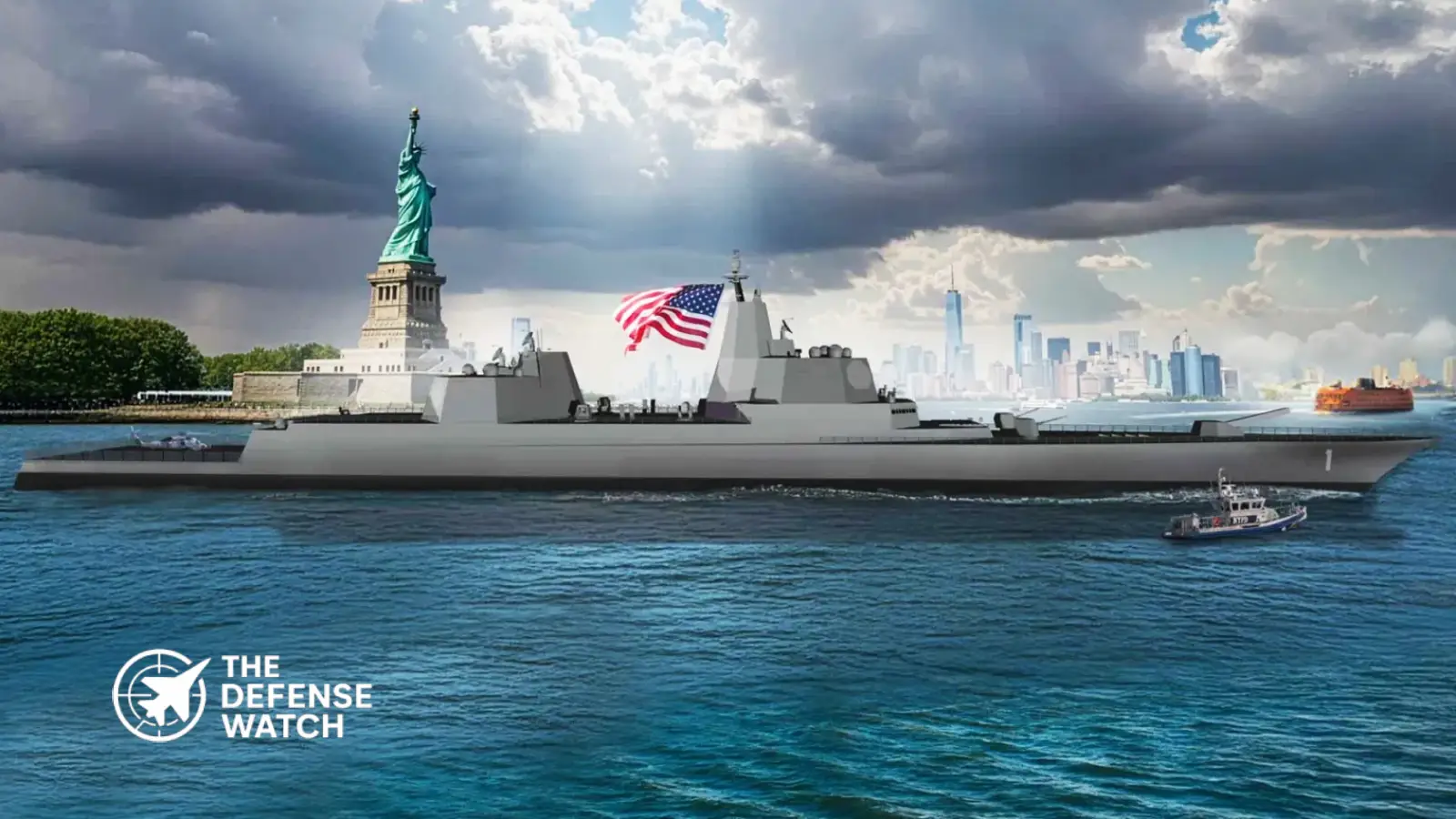
The U.S. Navy has confirmed that the future Trump-class battleships will use nuclear propulsion under its latest 30-year shipbuilding plan. The move is intended to support greater endurance, higher speed, and advanced weapons systems as Washington pushes to expand high-end naval combat capabilities.
Trump-Class Battleships To Use Nuclear Propulsion
The U.S. Navy’s future Trump-class battleships will be powered by nuclear reactors, marking a major shift in the service’s next-generation surface warfare strategy. The confirmation appeared in the Navy’s newly released 30-year shipbuilding plan.
The Trump-class program, also referred to as BBG(X), is designed as a large surface combatant focused on long-range offensive fires, command-and-control operations, and survivability in high-threat environments. Navy planning documents state the vessels are not intended to replace the existing Arleigh Burke-class destroyers.
According to the Navy, nuclear propulsion would provide the future warships with greater operational endurance, sustained high-speed deployment capability, and enough onboard power generation to support emerging systems such as directed-energy weapons and electromagnetic railguns.
Why Nuclear Power Matters For The Program
The decision is significant because the U.S. Navy has not operated nuclear-powered surface combatants outside aircraft carriers since retiring its nuclear cruisers in the 1990s.
The planned Trump-class battleships are expected to displace between 30,000 and 40,000 tons, making them substantially larger than current destroyers and among the biggest surface combatants envisioned in decades. Earlier Navy statements described the ships as capable of carrying hypersonic missiles, sea-launched nuclear cruise missiles, laser weapons, and advanced command-and-control systems.
From an operational standpoint, nuclear propulsion aligns with the Navy’s broader push toward power-intensive combat systems. Future directed-energy defenses, high-capacity radar arrays, and railgun technologies are all expected to require far greater electrical generation than conventional propulsion systems can easily provide.
The Navy’s shipbuilding blueprint specifically states the battleship is intended to deliver “high-volume, long-range offensive fires” while acting as a survivable command platform for fleet operations.
Program Cost And Industrial Challenges
Despite the ambitious vision, the Trump-class battleship program faces major industrial and budgetary hurdles.
Reports indicate the first three ships could cost more than $43 billion combined, with individual vessels potentially exceeding the cost of many existing surface combatants.
The Navy is currently working with major shipbuilders including Huntington Ingalls Industries and General Dynamics Bath Iron Works on preliminary design efforts.
Analysts have also pointed to limitations within America’s nuclear shipbuilding infrastructure. At present, only a small number of U.S. shipyards possess the facilities and workforce needed to construct and maintain nuclear-powered warships. Expanding production capacity for a new class of nuclear surface combatants would likely require significant investment across the industrial base.
Another challenge is timing. The Navy has already indicated that construction of the first Trump-class ships is unlikely to begin before the early 2030s.
Strategic Context Behind The Battleship Plan
The Trump-class battleship initiative emerged as part of the broader “Golden Fleet” naval expansion strategy announced in late 2025. The concept reflects growing Pentagon concern over the pace of Chinese naval modernization and the need for more survivable long-range strike platforms in contested maritime regions.
While the program has generated debate inside defense circles, the Navy appears determined to frame the battleship as part of a future high-low fleet mix rather than a revival of traditional battleship doctrine.
Supporters argue that larger, heavily armed surface combatants could improve distributed strike capability and fleet command resilience during high-end conflict. Critics, however, question whether such expensive ships would remain survivable in an era increasingly shaped by drones, hypersonic weapons, and long-range anti-ship missiles.
The Navy’s latest shipbuilding plan nevertheless indicates that the service views the platform as central to future maritime deterrence and long-range combat operations.
Broader Implications For US Naval Strategy
The confirmation of nuclear propulsion signals that the Trump-class battleship program is evolving from a political concept into a more technically defined naval modernization effort.
If fully funded, the ships would represent the first new U.S. battleship-type vessels since World War II and one of the most ambitious surface combatant programs attempted in recent decades.
The program also highlights a broader shift within U.S. naval strategy toward larger, more power-intensive platforms capable of integrating next-generation weapons systems for operations across the Indo-Pacific and other contested theaters.