NATO expands Baltic defense as the German-Netherlands Corps takes a command role in Estonia and Latvia amid regional security tensions.
Executive Summary:
NATO has assigned the German-Netherlands Corps a command role overseeing alliance land forces in Estonia and Latvia. The move strengthens NATO’s eastern flank posture as European allies continue adapting military structures in response to Russia’s long-term security challenge in the Baltic region.
NATO Baltic Defense Expands With New Command Role
NATO Baltic defense efforts entered a new phase after Germany confirmed that the German-Netherlands Corps has formally assumed a command role for alliance forces operating in Estonia and Latvia.
According to Germany’s defense ministry, the multinational corps will coordinate NATO land component operations in the two Baltic states, reinforcing alliance readiness and command integration along NATO’s northeastern frontier.
The development comes as NATO continues restructuring its regional defense plans following Russia’s invasion of Ukraine and the alliance’s broader shift from deterrence by presence to deterrence by forward defense.
Germany stated that the headquarters role is designed to improve operational coordination, force deployment speed, and multinational interoperability in the Baltic theater.
Reuters first reported the announcement on May 28, citing statements from German officials regarding the command transition.
Why The Baltic Region Matters To NATO
Estonia and Latvia occupy a strategically sensitive position on NATO’s eastern flank, bordering Russia and located near the heavily militarized Kaliningrad region.
Since 2022, NATO has significantly expanded troop deployments, air policing missions, logistics infrastructure, and command structures across Eastern Europe. The Baltic states have repeatedly urged allies to increase permanent force presence and improve rapid reinforcement capabilities.
The German-Netherlands Corps, headquartered in Münster, Germany, is one of NATO’s High Readiness Forces headquarters. The corps has experience leading multinational operations and coordinating large-scale land formations under alliance command structures.
By assigning the corps operational responsibilities in Estonia and Latvia, NATO aims to streamline battlefield coordination during both peacetime exercises and potential crisis scenarios.
Defense analysts view the move as part of NATO’s broader effort to establish region-specific command frameworks capable of responding faster to high-intensity conflict.
Germany Expands Its Leadership Role In NATO
Germany has steadily increased its military leadership responsibilities within NATO over the past several years.
Berlin currently leads NATO’s multinational battlegroup in Lithuania and has pledged additional investments in regional defense infrastructure, armored formations, and logistics support capabilities.
The expanded Baltic command role reflects Germany’s effort to position itself as a central military coordinator within Europe’s collective defense structure.
The Netherlands also remains deeply integrated into NATO multinational operations, particularly through combined land force structures with Germany.
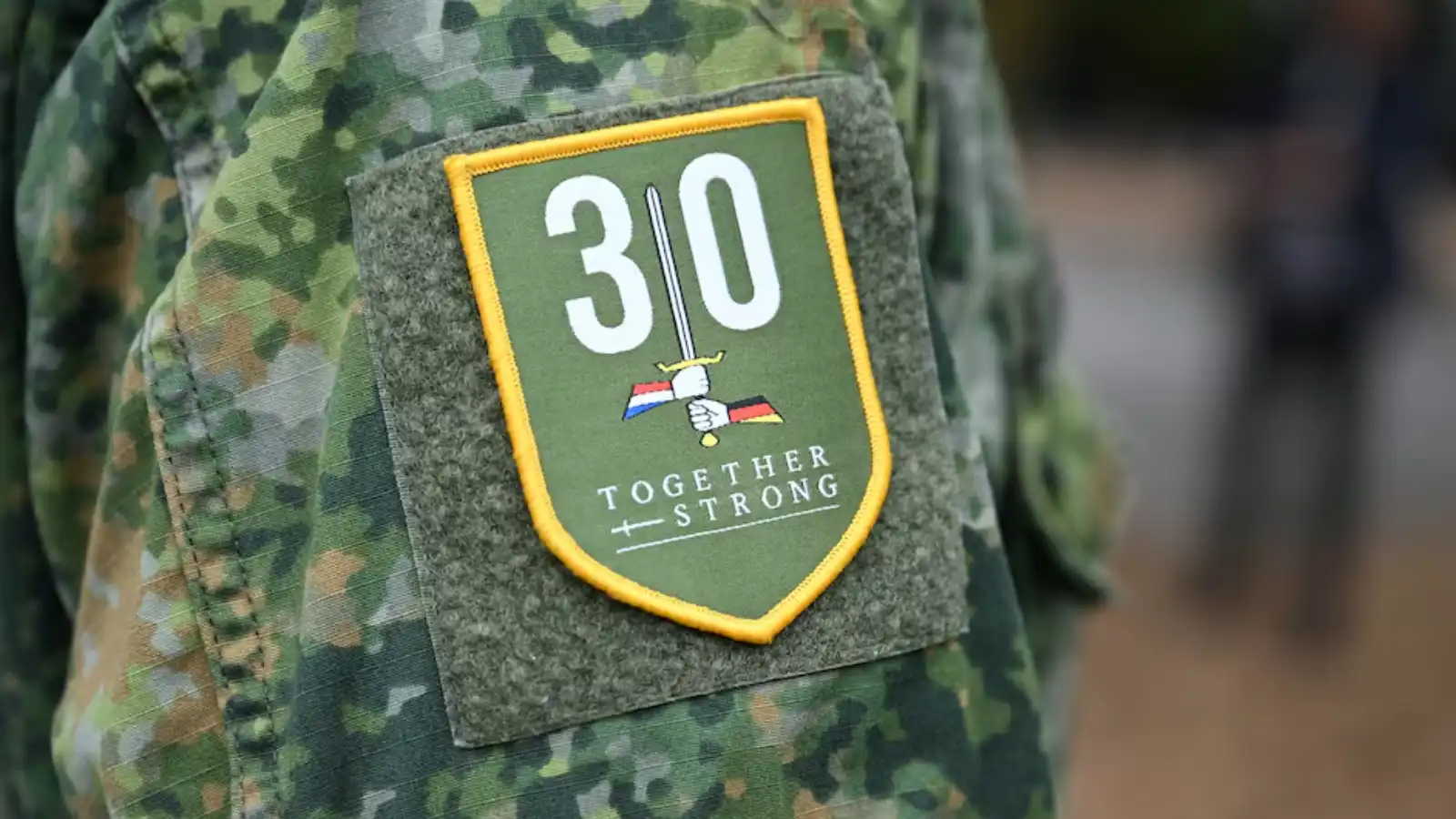
The German-Netherlands Corps itself represents one of Europe’s longest-standing multinational military headquarters, integrating personnel, planning, and operational functions from both countries.
The new assignment demonstrates NATO’s preference for multinational command structures that reduce duplication while improving interoperability between allied forces.
NATO Shifts Toward Forward Defense
Before 2022, NATO’s eastern deployments largely focused on tripwire deterrence, using relatively small battlegroups to signal alliance commitment.
That approach has evolved significantly.
NATO now emphasizes forward defense concepts designed to hold territory immediately in the event of conflict rather than relying solely on reinforcement after an attack begins.
This requires larger command networks, prepositioned equipment, integrated logistics systems, and more robust regional planning.
The Baltic region has become one of the alliance’s most heavily monitored operational theaters due to its proximity to Russian military assets and strategic maritime routes in the Baltic Sea.
Recent NATO exercises in Northern and Eastern Europe have increasingly focused on rapid mobilization, air defense coordination, and cross-border reinforcement operations.
The addition of the German-Netherlands Corps to Baltic command responsibilities supports these evolving operational requirements.
Operational Impact On NATO’s Eastern Flank
The operational significance of the move lies less in troop numbers and more in command integration.
Modern military operations depend heavily on synchronized communications, intelligence sharing, logistics coordination, and rapid decision-making across multinational formations.
Assigning a dedicated corps headquarters to oversee Baltic land operations helps NATO reduce fragmentation between national contingents stationed across the region.
Military planners have increasingly emphasized that command readiness can be as important as force size during the early stages of a conflict.
The corps headquarters structure also allows NATO to scale operations more efficiently during exercises or emergencies.
This approach aligns with alliance efforts to create more flexible regional defense architectures capable of responding to multiple simultaneous threats.
Strategic Message To Moscow
Although NATO officials consistently describe alliance deployments as defensive, the expanded command role sends a broader strategic signal regarding allied unity and preparedness.
Russia has repeatedly criticized NATO force expansion near its borders, while alliance members argue the deployments are necessary to deter aggression and reassure eastern allies.
The Baltic states remain among NATO’s strongest advocates for enhanced regional defense planning due to geographic exposure and historical concerns over Russian military activity.
By placing a multinational corps in a formal command position, NATO demonstrates long-term commitment to maintaining operational readiness in the region.
The decision also highlights the growing importance of European-led defense coordination inside the alliance framework.