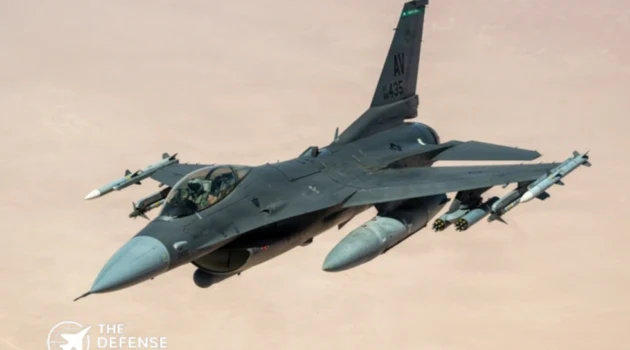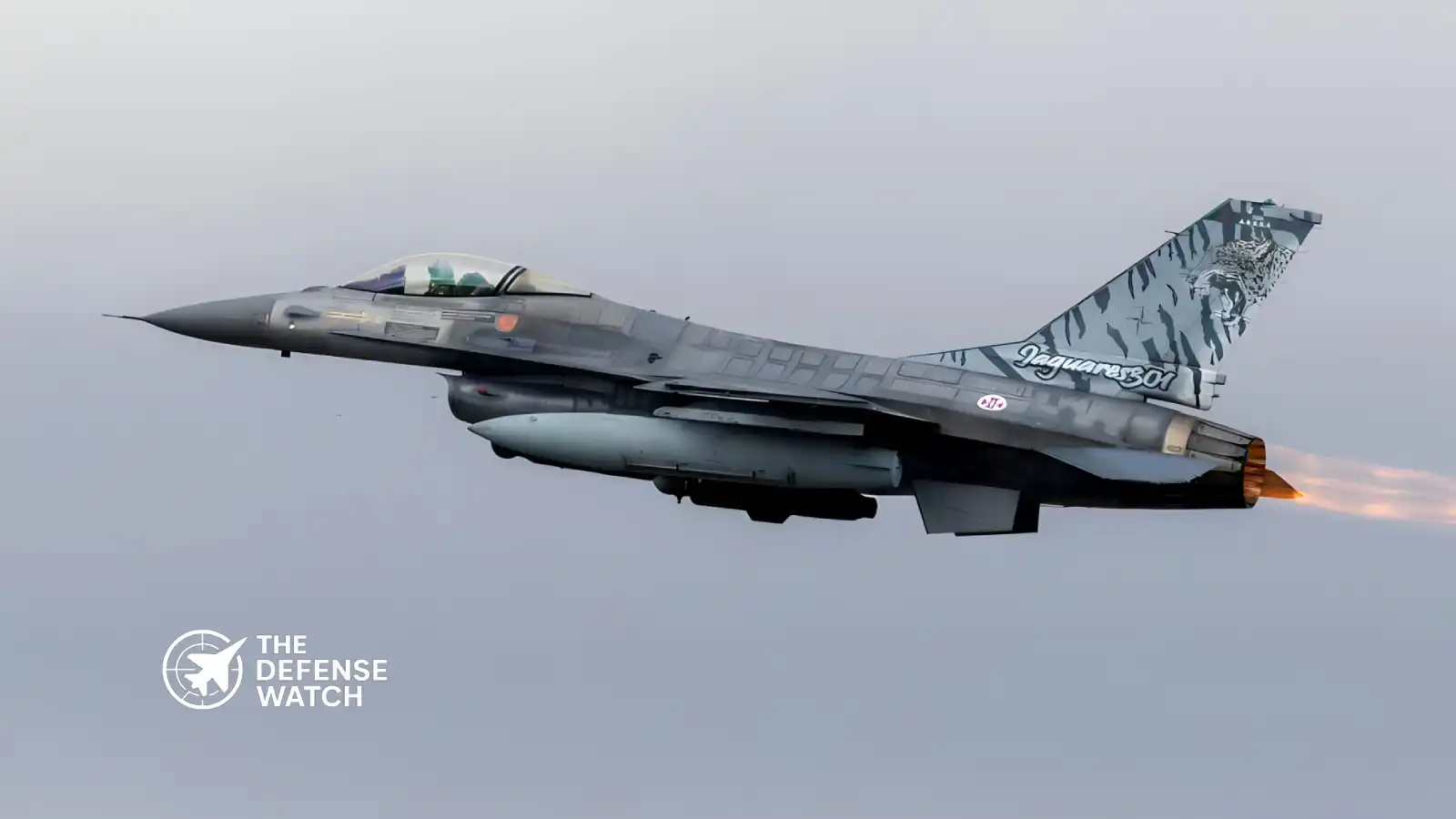
Portuguese F-16 Baltic Mission Expands NATO Air Defense Coverage
The Portuguese F-16 Baltic mission has officially begun, with Portugal deploying fighter aircraft to take over NATO’s Baltic Air Policing role, ensuring continuous protection of allied airspace along the alliance’s northeastern flank.
Portugal’s contribution reflects NATO’s ongoing rotational model, where member states provide air policing capabilities to Estonia, Latvia, and Lithuania, countries without their own fighter fleets.
- Portuguese Air Force F-16s assume NATO Baltic Air Policing duties.
- Deployment includes fighter aircraft, personnel, and support infrastructure.
- Mission reinforces NATO’s deterrence posture against Russian air activity.
- Rotation-based deployment ensures continuous airspace security over Baltic states.
- Highlights growing operational burden-sharing among NATO allies.
The Big Picture
NATO’s Baltic Air Policing mission remains a cornerstone of alliance deterrence in Eastern Europe. Since its launch in 2004, the mission has expanded in both scale and urgency, particularly after Russia’s actions in Ukraine and increased military activity near NATO borders.
The alliance relies on rotational deployments to maintain a persistent presence in the Baltic region. This approach distributes operational responsibilities across member states while signaling collective defense commitments under Article 5.
Portugal’s latest deployment underscores how smaller NATO members continue to play a meaningful role in high-priority missions traditionally dominated by larger air forces.
What’s Happening
Portugal has deployed a detachment of F-16 fighter jets, along with pilots, ground crews, and support personnel, to assume responsibility for Baltic Air Policing.
The aircraft are tasked with:
- Monitoring Baltic airspace
- Conducting quick reaction alert (QRA) missions
- Intercepting unidentified or non-compliant aircraft
The deployment follows a scheduled rotation, replacing another NATO contingent. These rotations typically last several months and operate from forward bases in the Baltic region.
The mission operates under NATO command and integrates seamlessly with allied air defense networks, including radar and command-and-control systems.
Why It Matters
The Portuguese F-16 Baltic mission directly contributes to NATO’s ability to maintain uninterrupted air sovereignty over vulnerable member states.
The Baltic region lacks indigenous fighter aircraft, making external support essential. Without these deployments, NATO would face a significant surveillance and interception gap along a sensitive frontier.
Portugal’s participation demonstrates several key trends:
- Increased operational tempo for NATO air forces
- Broader participation from smaller allies
- Sustained emphasis on air policing as a deterrence tool
F-16 platforms remain highly relevant in this role due to their reliability, interoperability, and proven air-to-air capabilities.
Strategic Implications
Portugal’s deployment strengthens NATO’s layered deterrence posture in Northern and Eastern Europe.
The mission provides:
- Immediate response capability against airspace violations
- Visible military presence near Russia’s western border
- Integration with broader NATO air and missile defense architecture
Persistent air policing also reduces escalation risks. By intercepting and identifying aircraft early, NATO minimizes ambiguity and avoids miscalculation.
This deployment reinforces alliance cohesion. It shows that collective defense responsibilities are shared, not concentrated among a few major powers.
Competitor View
Russia closely monitors NATO air policing operations in the Baltic region. Moscow has historically criticized these deployments, framing them as provocative.
However, NATO maintains that the mission is defensive and transparent. Aircraft involved in Baltic Air Policing operate under strict rules of engagement and do not conduct offensive operations.
From a strategic standpoint, Russia likely views Portugal’s participation as part of a broader pattern of NATO normalization of forward presence. The consistent rotation of allied aircraft signals long-term commitment rather than temporary surge activity.
What To Watch Next
Future rotations will continue to test NATO’s ability to sustain high readiness across multiple theaters.
Key developments to monitor include:
- Integration of newer platforms such as fifth-generation fighters
- Expansion of air policing into enhanced air defense roles
- Increased coordination with ground-based air defense systems
NATO may also adapt the mission as regional threats evolve, potentially incorporating more advanced surveillance and electronic warfare capabilities.
Capability Gap
The Portuguese F-16 Baltic mission addresses a critical gap in sovereign air defense for the Baltic states.
Without this mission:
- Estonia, Latvia, and Lithuania would lack interception capability
- NATO response times would increase significantly
- Airspace monitoring would rely heavily on distant assets
However, limitations remain. F-16s provide strong air policing capability but are not a substitute for a fully layered air defense system that includes long-range missile defense and integrated sensors.
The mission ensures immediate coverage but does not eliminate the region’s reliance on allied support.
The Bottom Line
Portugal’s F-16 deployment reinforces NATO’s ability to maintain continuous, credible air defense in the Baltic region while strengthening alliance burden-sharing and deterrence.
Get real time update about this post category directly on your device, subscribe now.