
Executive Summary:
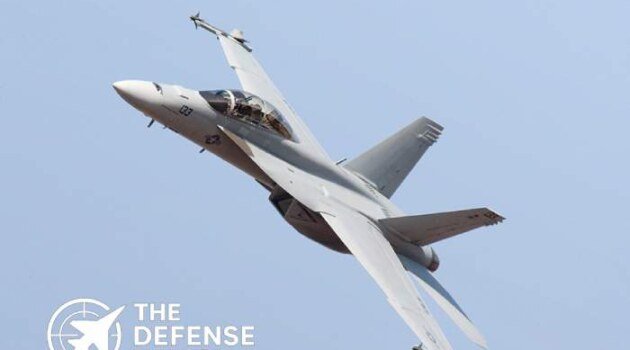
The U.S. Navy has successfully integrated the Tactical Combat Training System Increment II (TCTS II) into Air Wing Fallon training, marking the first operational use of the system aboard F/A-18E/F Super Hornets from Carrier Air Wing 11. The capability expands live, virtual and constructive training, allowing naval aviators to rehearse complex combat scenarios against realistic threat environments while accelerating tactical analysis and mission readiness.
U.S. Navy Integrates TCTS II Into Air Wing Fallon Training
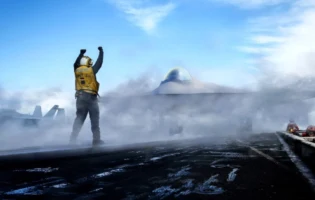
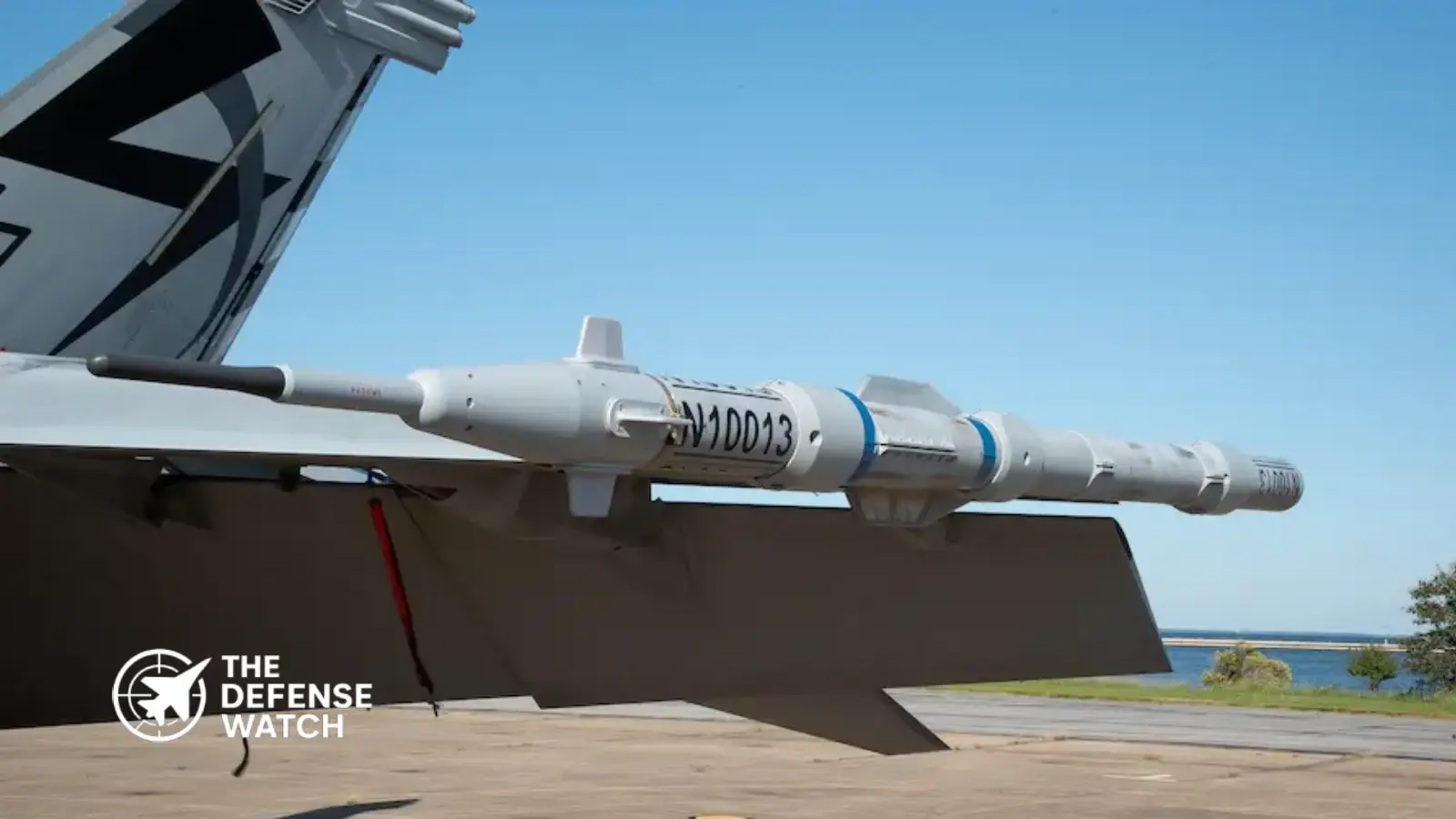
The U.S. Navy has reached a significant milestone in naval aviation training after F/A-18E/F Super Hornets assigned to Carrier Air Wing 11 conducted Air Wing Fallon sorties using the Tactical Combat Training System Increment II (TCTS II). The event, which took place during training activities at Naval Air Station Fallon, represents the first operational use of the system within the Navy’s premier carrier air wing certification program.
- U.S. Navy Integrates TCTS II Into Air Wing Fallon Training
- What TCTS II Brings To Carrier Air Wing Operations
- Air Wing Fallon Remains Central To Navy Combat Preparation
- Accelerating The Navy’s Warfighting Learning Cycle
- Supporting Joint And Multi-Domain Operations
- Strategic Analysis: Why The Capability Matters
- Continued Modernization Of Naval Aviation Training
According to Naval Air Systems Command (NAVAIR), TCTS II was developed by the Naval Aviation Training Systems and Ranges Program Office (PMA-205) to create a more advanced Live, Virtual and Constructive (LVC) training environment. The system combines live aircraft with virtual participants and computer-generated threats, enabling crews to train in highly contested scenarios that would otherwise be difficult or costly to replicate.
Air Wing Fallon serves as the Navy’s final major training phase before carrier air wings deploy worldwide. The program focuses on refining tactics, improving interoperability and preparing strike groups for high-end combat operations.
What TCTS II Brings To Carrier Air Wing Operations
TCTS II is designed to replace older air combat training instrumentation systems while introducing enhanced security, networking and threat simulation capabilities.
Key features include:
Capability Operational Benefit Encrypted datalink architecture Protects sensitive tactical information during training Live, Virtual and Constructive integration Connects real aircraft with simulated forces and threats High-fidelity data collection Enables rapid mission debriefing and tactical analysis Multiple Independent Levels of Security architecture Supports joint and coalition training environments Open systems design Allows rapid updates as threats evolve NAVAIR officials stated that the system enables crews to rehearse distributed operations across larger battlespaces while maintaining secure communications and realistic threat representation.
Capt. Jonathan Schiffelbein, PMA-205 program manager, said the capability allows the Navy to blend live operations with simulated scenarios, increasing both realism and readiness for future deployments.
Air Wing Fallon Remains Central To Navy Combat Preparation
The introduction of TCTS II reinforces the strategic importance of Air Wing Fallon as the Navy prepares for increasingly complex operations in the Indo-Pacific, Middle East and other contested regions.
Located at the Fallon Range Training Complex in Nevada, Air Wing Fallon functions as the Navy’s primary advanced tactical training venue. Carrier air wings complete demanding scenarios involving strike warfare, air defense, electronic warfare and maritime operations before deployment.
The Navy has steadily expanded the use of LVC training over the past decade because modern combat environments involve threats that are difficult to replicate using only live aircraft. Advanced surface-to-air missile systems, integrated air defense networks, electronic warfare attacks and large-scale multi-domain operations require synthetic environments capable of generating realistic threat density.
TCTS II addresses this challenge by allowing instructors to inject virtual aircraft, missile launches and electronic threats into training scenarios while pilots remain in live aircraft.
Accelerating The Navy’s Warfighting Learning Cycle
One of the most important aspects of TCTS II is its ability to capture and process large volumes of training data in near real time.
According to PMA-205 officials, the system significantly shortens the timeline between mission execution, debriefing and tactical adjustment. Aircrews can review high-fidelity engagement data immediately after a sortie and apply lessons learned to subsequent missions.
This capability is becoming increasingly important as modern combat operations generate enormous amounts of sensor and targeting information. Military planners increasingly view data exploitation and rapid decision-making as critical advantages in future conflicts.
Dan Carrigg, deputy program manager for the PMA-205 Live Training Environment, stated that TCTS II helps tighten the feedback loop between mission execution and tactical refinement.
From an operational perspective, this means carrier air wings can complete more effective training cycles during a limited pre-deployment period while improving crew proficiency across multiple mission sets.
Supporting Joint And Multi-Domain Operations
The broader significance of TCTS II extends beyond Navy aviation.
Collins Aerospace, one of the primary industry partners supporting the program, has emphasized that the system’s architecture supports training across multiple security levels and among different military services. This allows aircrews, ships, simulators and command centers to participate in the same synthetic battlespace.
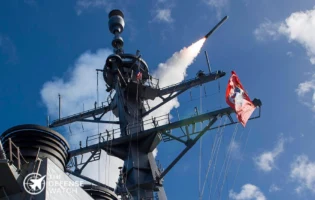
The Navy has already demonstrated this concept through Open Air Battle Shaping events and earlier LVC demonstrations involving operational aircraft, destroyers, simulators and command-and-control networks.
As the U.S. military advances Joint All-Domain Command and Control initiatives, systems such as TCTS II provide a practical mechanism for rehearsing complex operations that integrate naval, air, cyber and space capabilities.
The ability to connect live aircraft with synthetic forces also reduces the logistical burden associated with large-scale exercises while expanding the scope of scenarios available to commanders and planners.
Strategic Analysis: Why The Capability Matters
The introduction of TCTS II comes as the Pentagon places greater emphasis on preparing forces for peer-level competition.
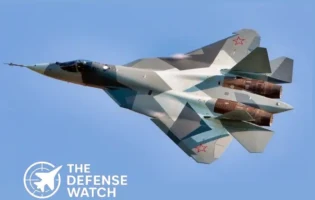
Potential adversaries continue to field advanced integrated air defense systems, long-range missiles, electronic warfare capabilities and sophisticated sensor networks. Replicating these threats during training is essential if carrier air wings are to remain effective in contested environments.
Traditional air combat training systems often struggled to reproduce modern battlespace complexity at scale. TCTS II addresses that gap by creating a networked environment where real and synthetic participants interact simultaneously.
This approach provides several strategic advantages:
- Increased realism without requiring additional aircraft
- More frequent exposure to advanced threat scenarios
- Improved interoperability among joint and coalition forces
- Reduced training costs compared with large live-force exercises
- Faster adaptation to emerging adversary capabilities
The capability is particularly relevant in the Indo-Pacific, where future operations may involve widely dispersed naval forces operating across vast distances while facing dense missile and sensor threats.
By enabling carrier air wings to train against representative threat environments before deployment, the Navy is seeking to improve survivability, decision-making and combat effectiveness during high-end conflict scenarios.
Continued Modernization Of Naval Aviation Training
The successful integration of TCTS II into Air Wing Fallon reflects a broader effort by the Navy to modernize combat training infrastructure across the fleet.
The system has already transitioned into production and continues to expand across naval aviation units. Industry partners and Navy officials have indicated that the architecture also supports future growth, allowing the system to adapt as operational requirements evolve.
As carrier air wings prepare for deployments in increasingly contested regions, Navy leaders view realistic and data-driven training as a critical component of maintaining combat readiness.
The Air Wing Fallon milestone demonstrates that the Navy is moving beyond traditional range training and toward a more integrated synthetic battlespace capable of supporting the demands of future warfare.