(adsbygoogle = window.adsbygoogle || []).push({});Executive Summary: Ukraine and Denmark held discussions focused on drone procurement, development of local production capacity, and expanded cooperation in anti ballistic and air defence systems. The talks reflect a broader effort to strengthen battlefield resilience and accelerate joint defence industrial activity amid continued conflict conditions in Ukraine.
Ukraine and Denmark have expanded discussions on drone procurement, localised production, and anti ballistic defence cooperation as both countries seek to strengthen operational capabilities and industrial resilience. The talks highlight growing European support for Ukraine’s defence sector and its push to integrate more closely with allied defence manufacturing networks while the conflict with Russia continues to shape long term military planning.
Strategic Focus on Drone Procurement and Industrial Scaling
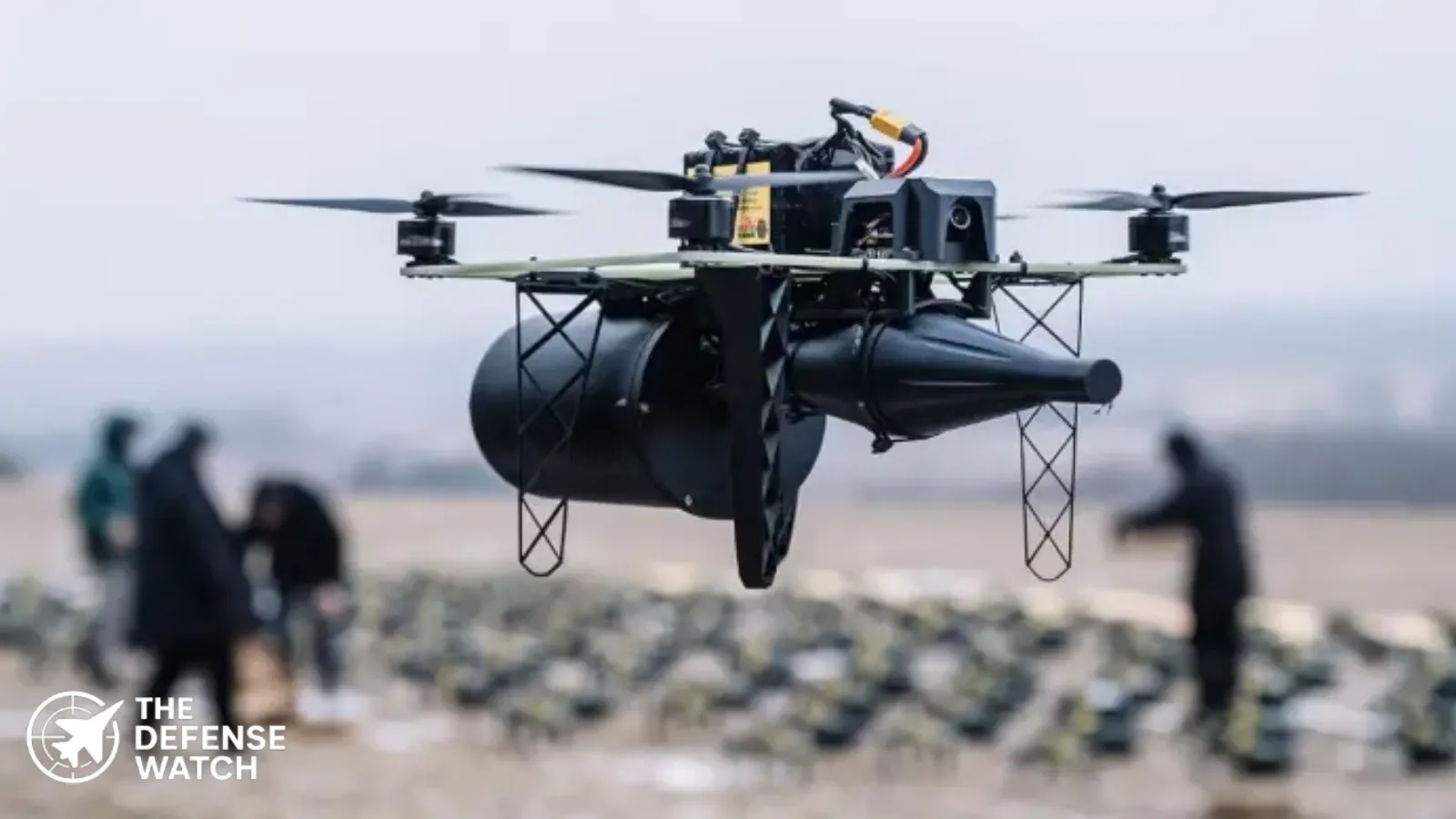
The latest discussions between Kyiv and Copenhagen underline a shared interest in accelerating drone procurement and expanding production capacity closer to the point of use. Ukraine has increasingly relied on unmanned systems for reconnaissance, targeting, and strike missions, making drones a central component of its force structure adaptation.
Denmark has emerged as one of several European partners supporting Ukraine’s shift toward distributed and scalable defence production models. This includes interest in establishing production lines outside traditional manufacturing hubs, with a focus on rapid output and battlefield adaptability.
(adsbygoogle = window.adsbygoogle || []).push({});From a strategic standpoint, this approach reduces supply chain delays and improves sustainment under combat conditions. It also reflects a broader European trend toward integrating commercial manufacturing practices into defence procurement frameworks.
Localised Production and Supply Chain Resilience
Denmark’s participation signals continued Western interest in reinforcing Ukraine’s domestic defence industrial base. This includes potential cooperation in component sourcing, assembly processes, and technology transfer arrangements designed to increase output flexibility.
Local production also addresses a persistent challenge in modern warfare, supply chain vulnerability. By reducing dependence on long logistics routes, Ukraine aims to maintain steady availability of drones for both frontline and strategic operations.
Anti Ballistic and Air Defence Cooperation
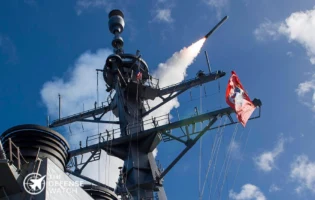
Beyond unmanned systems, the discussions included expanded cooperation in anti ballistic and integrated air defence capabilities. Ukraine has consistently faced sustained missile and drone attacks targeting infrastructure, logistics hubs, and military installations.
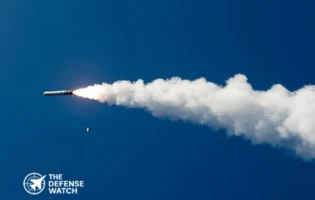
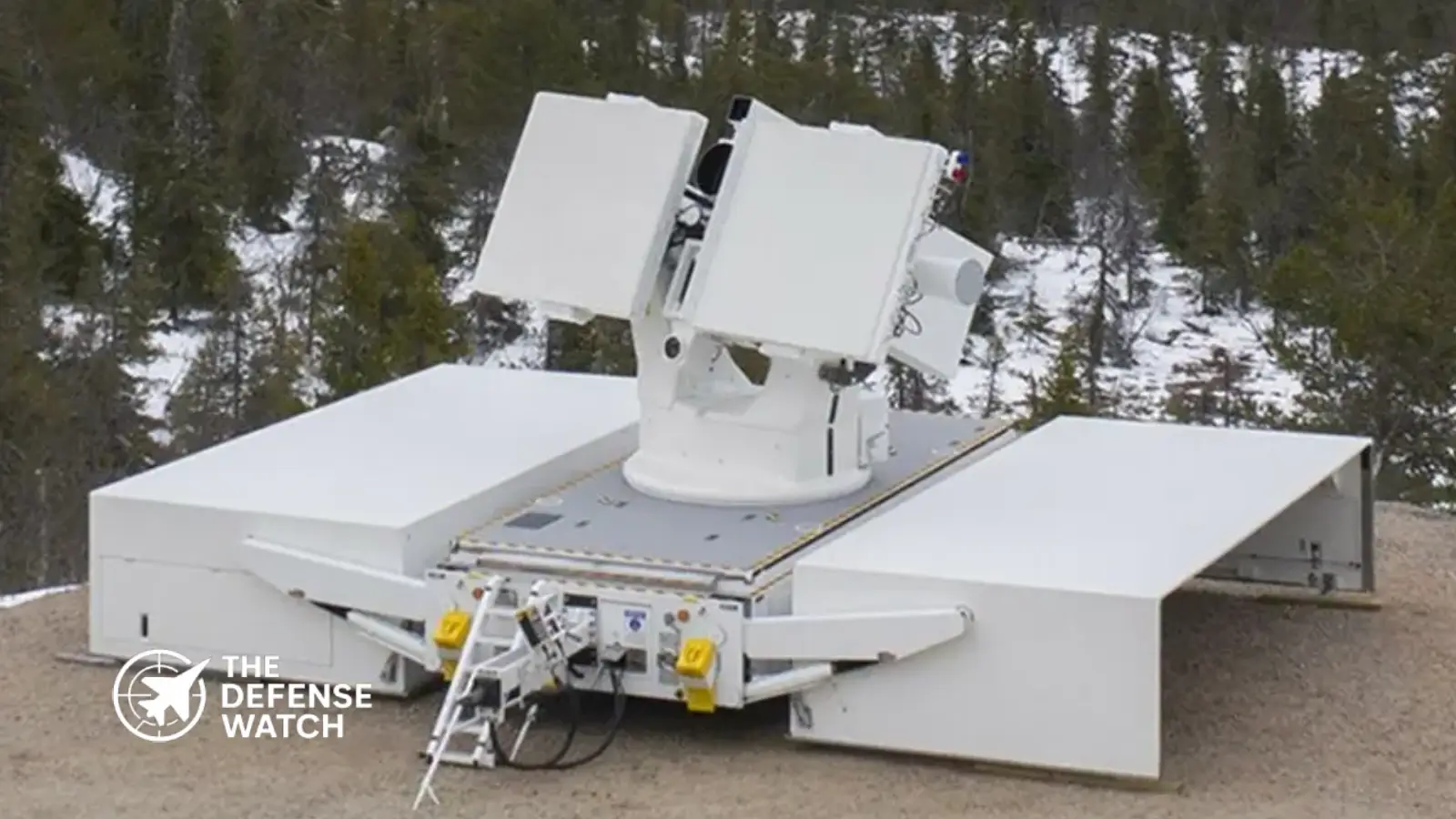
(adsbygoogle = window.adsbygoogle || []).push({});Efforts to strengthen air defence networks remain a priority, particularly systems capable of intercepting ballistic and cruise missile threats. While details of specific systems were not disclosed, cooperation is expected to focus on layered defence integration, sensor networking, and interoperability with existing Western supplied platforms.
Denmark’s involvement aligns with broader NATO efforts to enhance eastern flank air defence readiness and improve collective response to high intensity missile threats.
Operational and Strategic Implications
The Ukraine Denmark dialogue reflects a broader shift in European defence policy toward rapid industrial mobilisation and distributed production models. Several implications stand out.
First, drone warfare is now central to modern battlefield dynamics. Ukraine’s operational experience continues to shape how allied nations evaluate unmanned systems for reconnaissance and strike roles.
Second, decentralised production reduces vulnerability to targeted strikes and supply disruptions. This model is increasingly viewed as essential for sustained high intensity conflict environments.
Third, anti ballistic defence integration remains a critical capability gap across Europe. Ukraine’s battlefield requirements are accelerating development and procurement cycles for layered missile defence systems.
(adsbygoogle = window.adsbygoogle || []).push({});From a strategic perspective, these developments suggest a long term alignment between Ukraine and NATO members in defence industrial planning, even without formal membership expansion in the near term.
Broader Geopolitical Context
The talks occur amid continued conflict pressure and evolving European security priorities. Ukraine is seeking to maintain operational tempo while scaling domestic production capacity. European partners, including Denmark, are increasingly engaged in supporting both immediate battlefield needs and long term reconstruction of defence industrial capability.
This cooperation also reflects growing recognition that unmanned systems and missile defence will remain central to European security architecture. The integration of production, procurement, and operational deployment is becoming a defining feature of modern allied defence cooperation.