Executive Summary:
A Russian military aircraft reportedly approached dangerously close to a British Royal Air Force surveillance aircraft during a NATO-linked operation near European airspace. The incident underscores growing tensions between NATO and Russia as aerial encounters around alliance borders continue to increase.
Russian Jet RAF Incident Raises Air Safety Concerns
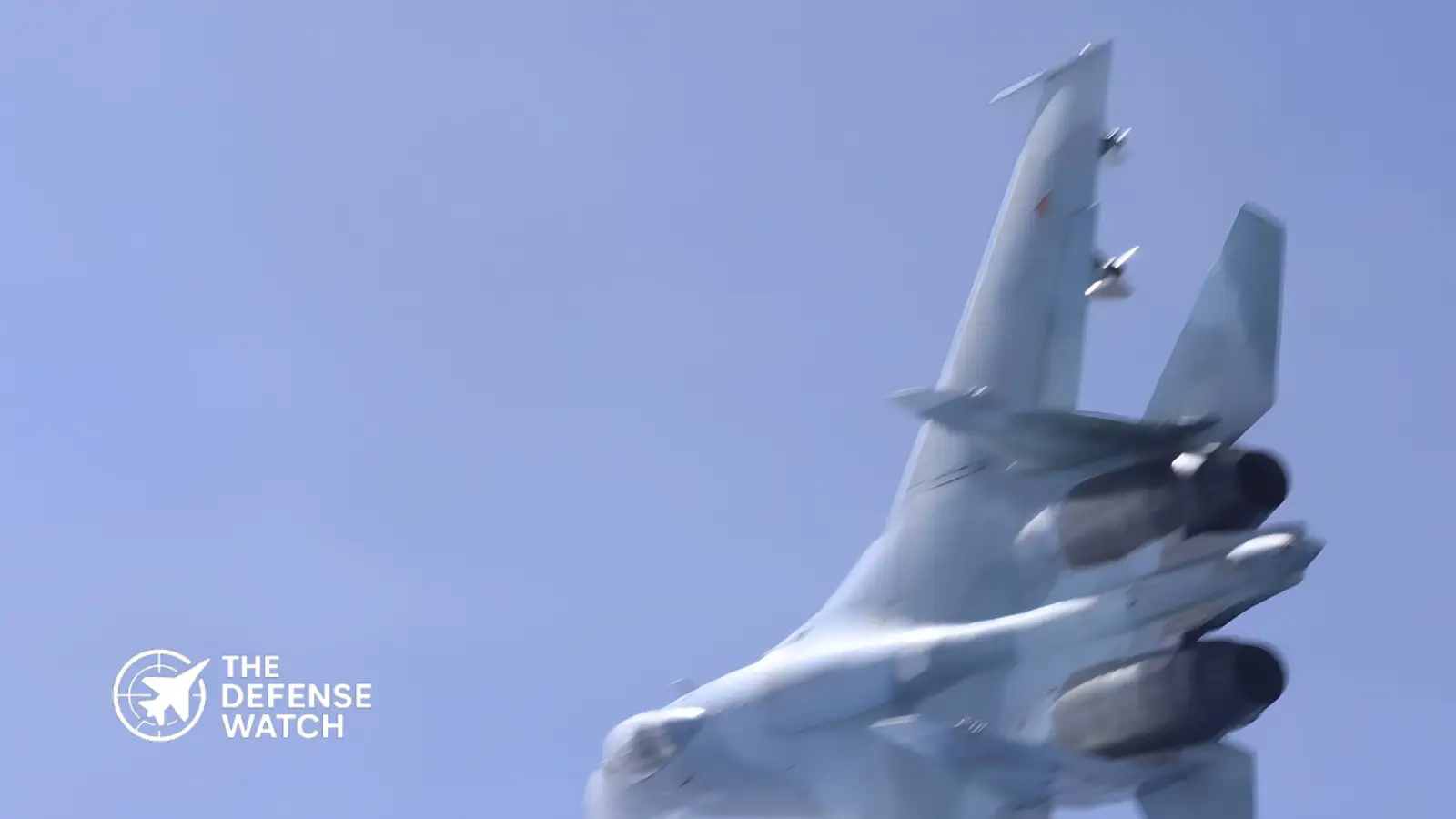
A Russian jet flying dangerously close to a British military aircraft has renewed scrutiny over increasingly aggressive aerial interactions near NATO airspace.
The incident involved a Royal Air Force aircraft operating during a routine mission when a Russian military jet conducted what officials described as an unsafe close pass. The encounter reportedly occurred in international airspace during ongoing NATO surveillance and security operations.
British defense officials have not publicly detailed the exact separation distance between the aircraft, but the event adds to a growing list of confrontations involving Russian military aviation near alliance patrol routes.
NATO Air Missions Face Increasing Pressure
The Russian jet RAF incident reflects a broader operational pattern seen across Europe over the past several years. NATO member states, particularly those bordering Russia or operating in the Baltic and North Atlantic regions, have reported a steady increase in intercepts and close air encounters.
The RAF regularly deploys aircraft for intelligence gathering, maritime patrol, and air policing missions under NATO frameworks. These operations are designed to monitor military activity, reassure allies, and maintain freedom of navigation and air access in contested regions.
Military analysts note that close intercepts create elevated operational risks even when aircraft remain in international airspace. Fast jet maneuvers conducted at short distances can reduce pilot reaction time and increase the possibility of miscalculation.
The incident also comes amid heightened military activity following Russia’s continued strategic pressure against NATO member states and partner nations.
RAF Surveillance Operations Remain Critical
British military aircraft operating near NATO’s eastern flank play a major role in alliance intelligence collection and early warning operations. RAF surveillance and reconnaissance platforms routinely track submarine movements, monitor radar emissions, and support regional situational awareness.
While Russian aircraft frequently shadow NATO missions, defense officials across Europe have repeatedly criticized unsafe intercept behavior. Similar encounters involving U.S., British, Norwegian, and French aircraft have been documented in recent years.
The latest Russian jet RAF incident demonstrates how aerial competition between NATO and Russia has become increasingly normalized. Even routine patrol missions now carry elevated strategic sensitivity.
From an operational perspective, these encounters also test NATO command coordination, pilot discipline, and escalation management procedures. Aircrews are trained to maintain mission continuity while avoiding unnecessary escalation, but repeated aggressive maneuvering increases pressure on flight operations.
Strategic Messaging Through Military Aviation
Defense experts often view these interactions as deliberate signaling operations rather than isolated events. Russian military aviation activity near NATO patrol areas allows Moscow to demonstrate readiness, monitor alliance responses, and reinforce its regional military presence.
At the same time, NATO missions serve their own deterrence role by maintaining persistent visibility in contested operating zones.
The continued frequency of close intercepts highlights the importance of established military communication procedures and professional flight conduct between rival powers. Without clear operational discipline, even a brief aerial encounter could rapidly escalate into a broader diplomatic or military crisis.
For NATO air forces, maintaining consistent patrol operations despite increased Russian activity remains central to alliance deterrence strategy.
Growing Pattern Across Europe
The Russian jet RAF incident follows multiple similar encounters reported across the Baltic Sea, North Sea, and Arctic approaches. NATO aircraft have repeatedly scrambled to identify or shadow Russian bombers, fighters, and reconnaissance aircraft operating near alliance airspace.
Although most interactions remain short of direct confrontation, defense officials increasingly warn that unsafe maneuvers heighten the risk of accidental escalation.
The RAF and other NATO air arms continue to adapt through expanded readiness, multinational exercises, and enhanced airborne surveillance coverage.
As strategic competition intensifies, military aviation remains one of the most visible and immediate points of contact between Russia and NATO forces.
Analysis
What makes the latest Russian jet RAF incident significant is not simply the proximity of the aircraft, but the operational environment in which it occurred.
European airspace surrounding NATO’s eastern and northern approaches has become increasingly crowded with reconnaissance, surveillance, and deterrence missions. Unlike Cold War era standoffs that often involved clearly separated operational zones, today’s missions frequently overlap in compressed geographic areas with rapid response timelines.
This increases the strategic value of tactical air encounters. Each intercept now serves multiple purposes simultaneously: intelligence collection, political messaging, readiness testing, and deterrence signaling.
For the RAF, maintaining routine patrol patterns despite repeated Russian interceptions is strategically important. Altering routes or reducing operations could be interpreted as operational hesitation. Conversely, Russia benefits from demonstrating that it can rapidly challenge NATO air activity near contested regions.
The incident also highlights the growing importance of airborne ISR platforms, intelligence, surveillance, and reconnaissance, in modern deterrence operations. Surveillance aircraft are often slower and less maneuverable than fighter jets, making unsafe close passes especially concerning from an aviation safety perspective.
In practical terms, the encounter reinforces why NATO continues investing heavily in air policing missions, integrated command networks, and rapid reaction aviation capabilities across Europe.