(adsbygoogle = window.adsbygoogle || []).push({});Executive Summary:
Japan and Indonesia have launched formal discussions on the possible transfer of retired Asagiri-class destroyers to the Indonesian Navy. The talks highlight Tokyo’s evolving defense export policy and Jakarta’s effort to strengthen anti-submarine and maritime security capabilities across one of the world’s largest archipelagic regions.
The potential Asagiri-class destroyer transfer has emerged as a significant development in Japan and Indonesia’s growing defense relationship, with both countries beginning formal negotiations on the future of several retired Japanese warships.
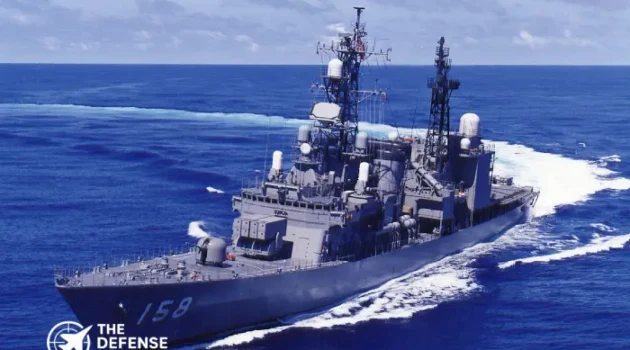
Japanese Defense Minister Shinjiro Koizumi and Indonesian Defense Minister Sjafrie Sjamsoeddin agreed during a meeting in Tokyo on June 5 to begin working-level discussions covering training, maintenance, sustainment, and operational integration associated with a possible transfer of Japan Maritime Self-Defense Force (JMSDF) Asagiri-class destroyers. According to Japan’s Ministry of Defense, the discussions will take place within a bilateral working group established following recent reforms to Japan’s defense export framework.
The move follows Tokyo’s decision to relax long-standing restrictions on defense exports, enabling the transfer of more capable military platforms to strategic partners. The discussions represent one of the clearest examples yet of Japan’s expanding role as a regional defense supplier.
What Indonesia Could Receive
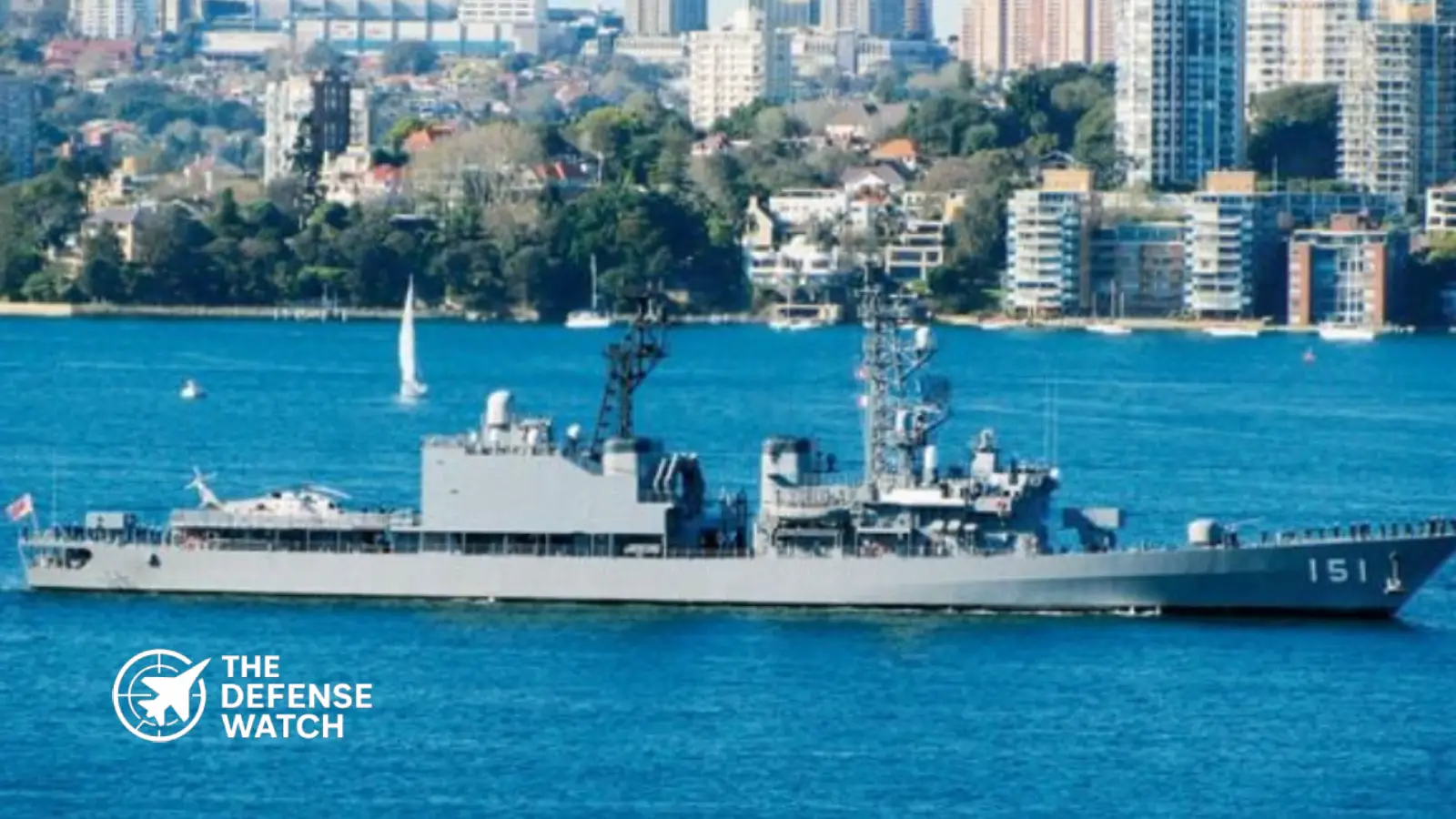
The Asagiri-class consists of eight general-purpose destroyers that entered service between 1988 and 1991. Designed primarily for anti-submarine warfare (ASW), the ships served as a core element of Japan’s escort fleet for more than three decades.
Each vessel displaces approximately 4,900 tons at full load and is powered by a combined gas-and-gas turbine propulsion system capable of speeds around 30 knots. The ships carry anti-ship missiles, anti-submarine rockets, lightweight torpedoes, hull-mounted and towed-array sonar systems, and a flight deck supporting a single SH-60 helicopter.
While the vessels are no longer considered front-line destroyers by modern standards, they still offer substantial capabilities in maritime surveillance, escort missions, anti-submarine operations, and sea lane security.
Why the Transfer Matters
For Indonesia, the proposed transfer aligns with a broader effort to strengthen maritime capabilities across a vast area of responsibility spanning key waterways such as the Strait of Malacca, Sunda Strait, Lombok Strait, Natuna Sea, and other strategic maritime corridors.
Indonesia’s naval modernization strategy has increasingly focused on expanding surface combatant, submarine, and maritime surveillance capabilities. The country is simultaneously pursuing acquisitions from multiple international suppliers, including Italy, the United Kingdom, Türkiye, and France.
The addition of Asagiri-class destroyers could provide a near-term enhancement to Indonesia’s anti-submarine warfare capacity, an area receiving greater attention as submarine activity continues to grow across the Indo-Pacific region.
From Japan’s perspective, the initiative supports a wider strategy of strengthening defense cooperation with regional partners while creating long-term relationships centered on training, maintenance support, logistics, and interoperability. Similar defense cooperation efforts have recently involved countries such as Australia, the Philippines, and New Zealand.
(adsbygoogle = window.adsbygoogle || []).push({});Operational Challenges Remain
Despite their capabilities, the destroyers present several practical challenges.
Each vessel requires a crew of roughly 220 personnel, creating significant manpower demands. The ships are also between 35 and 38 years old, meaning future operators would need to address issues related to maintenance, modernization, spare parts availability, and long-term sustainment.
The gas-turbine propulsion system, while capable of delivering high speeds, generally requires specialized maintenance expertise and can be more resource-intensive than diesel-powered alternatives. Indonesian planners will likely evaluate whether the operational benefits outweigh lifecycle costs and logistical burdens.
As a result, current discussions are focused not only on transferring hulls but also on the broader support ecosystem necessary to keep the vessels operational throughout their remaining service life.
Strategic Implications for Southeast Asia
The talks underscore a broader transformation in regional defense cooperation. Japan’s evolving export policy is enabling closer military partnerships with like-minded nations seeking to enhance maritime security amid increasing strategic competition across the Indo-Pacific.
For Indonesia, acquiring retired but capable Japanese destroyers could provide an interim solution while larger modernization programs continue to mature. For Japan, the initiative offers an opportunity to expand defense influence through practical cooperation rather than solely through equipment sales.
No final transfer agreement has been announced, and both governments have emphasized that discussions remain focused on feasibility, training requirements, maintenance support, and operational integration. However, the launch of formal negotiations marks a notable step in the growing defense partnership between Tokyo and Jakarta and could become one of the most significant naval cooperation initiatives in Southeast Asia this year.