Executive Summary:
The Eurofighter Typhoon’s unit cost isn’t one number — it’s a moving target that ranges from a £73.1 million bare flyaway figure to a €187 million all-in Tranche 5 package, depending on what’s bundled into the deal. This breakdown separates the accounting tricks from the real program economics, and explains why the RAF still trusts a jet first sketched on paper as “EF 2000” back in the 1980s.
Ask three different governments what a Eurofighter Typhoon costs and you’ll get three different answers, all technically true. The UK’s own 2011 House of Commons defence committee pegged the bare airframe at £73.1 million. Germany’s October 2025 order for 20 Tranche 5 jets worked out to roughly €187 million each once simulators and support kit were folded in. Neither number is wrong — they’re just measuring completely different things.
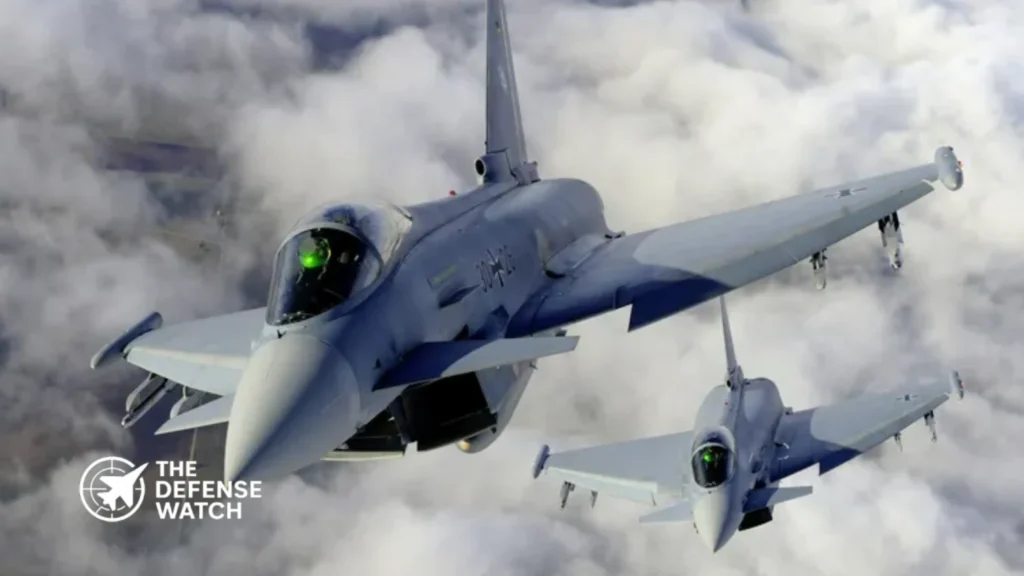
That pricing chaos is the whole story. The Typhoon was born as a four-nation consortium jet, the “EF 2000,” designed to spread cost and workshare across Britain, Germany, Italy, and Spain. Three decades later, that same structure is exactly why nobody can agree on what one aircraft is worth.
The Technical Analysis: Why The Typhoon’s Price Tag Keeps Moving
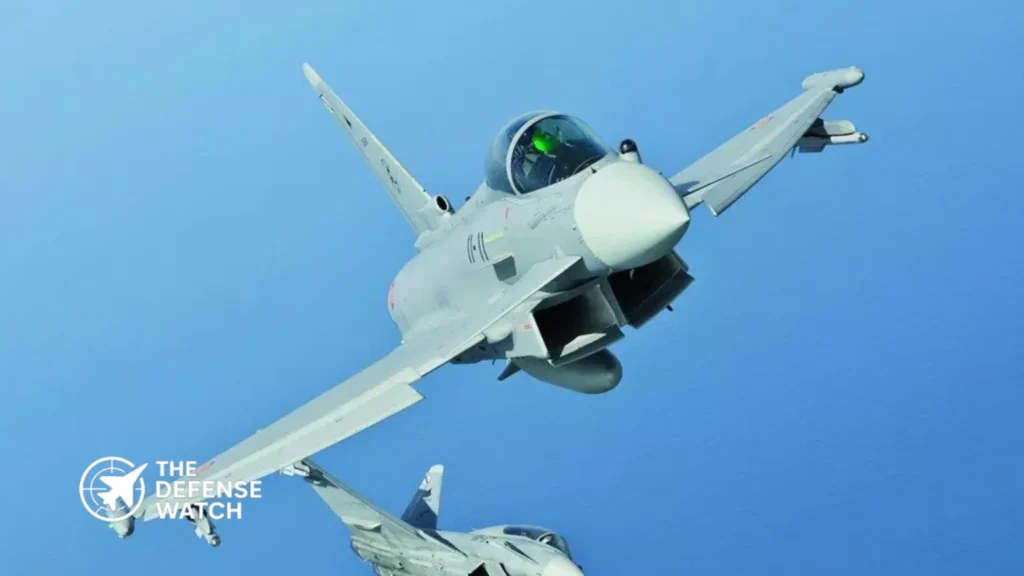
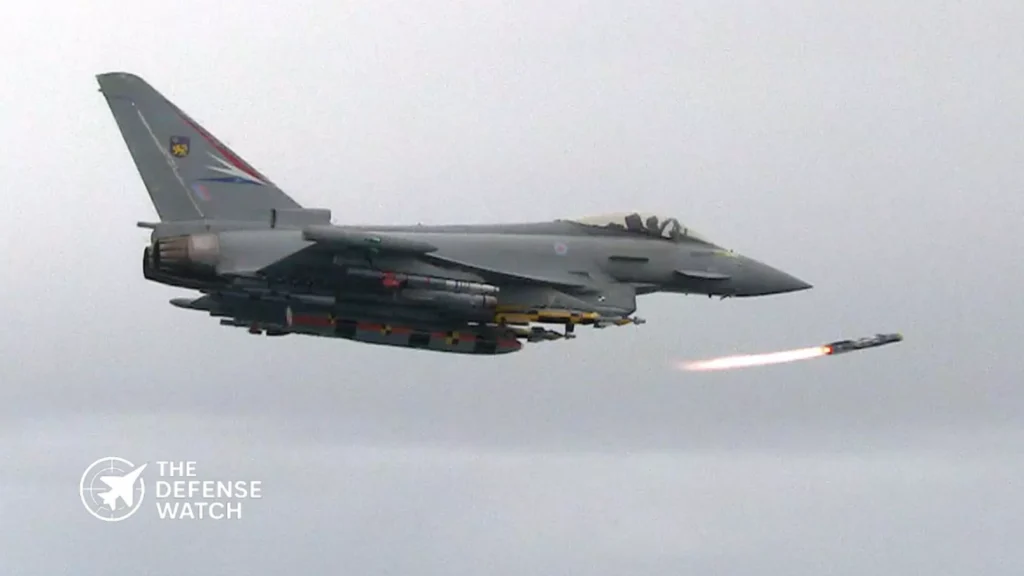
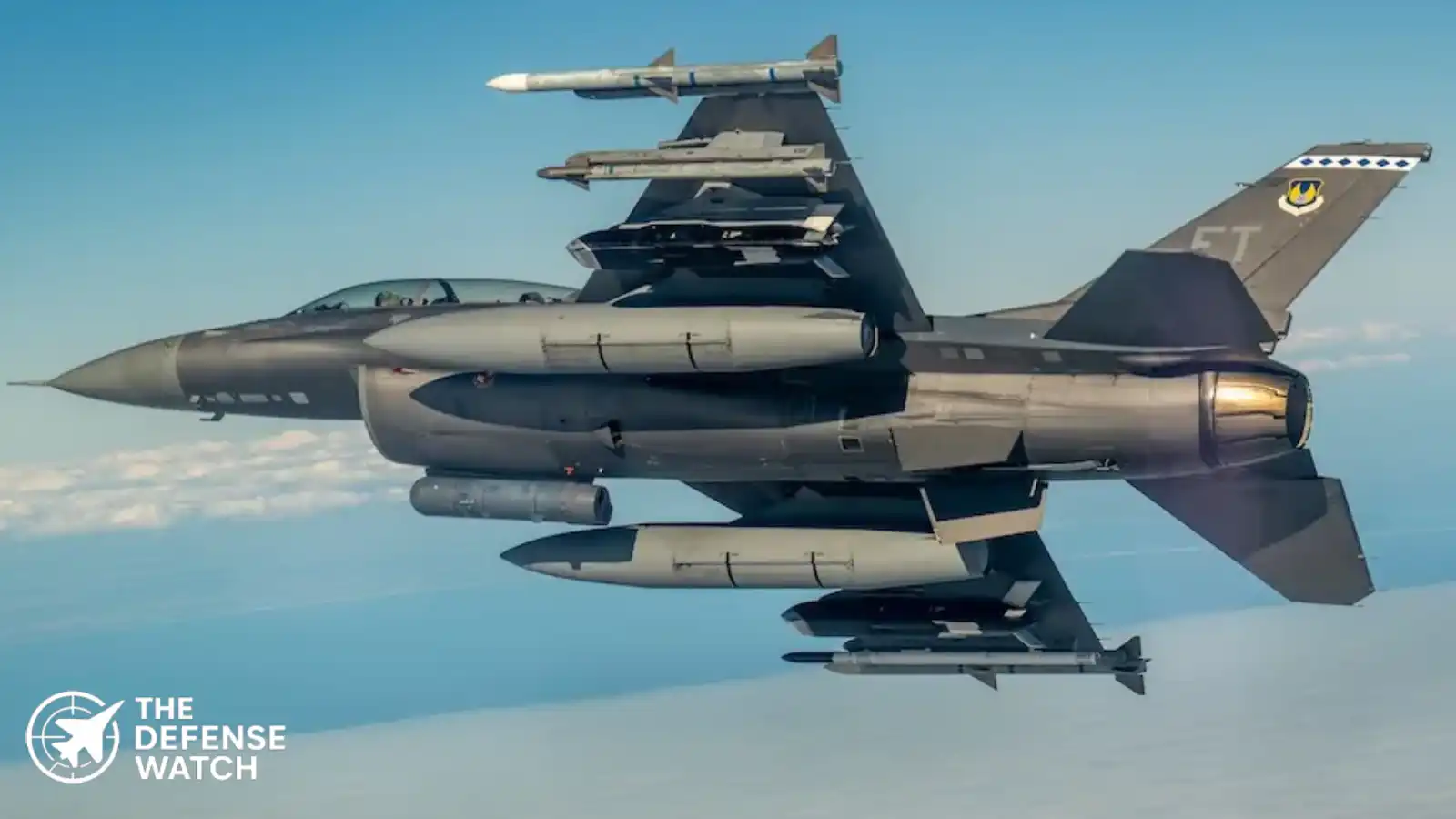
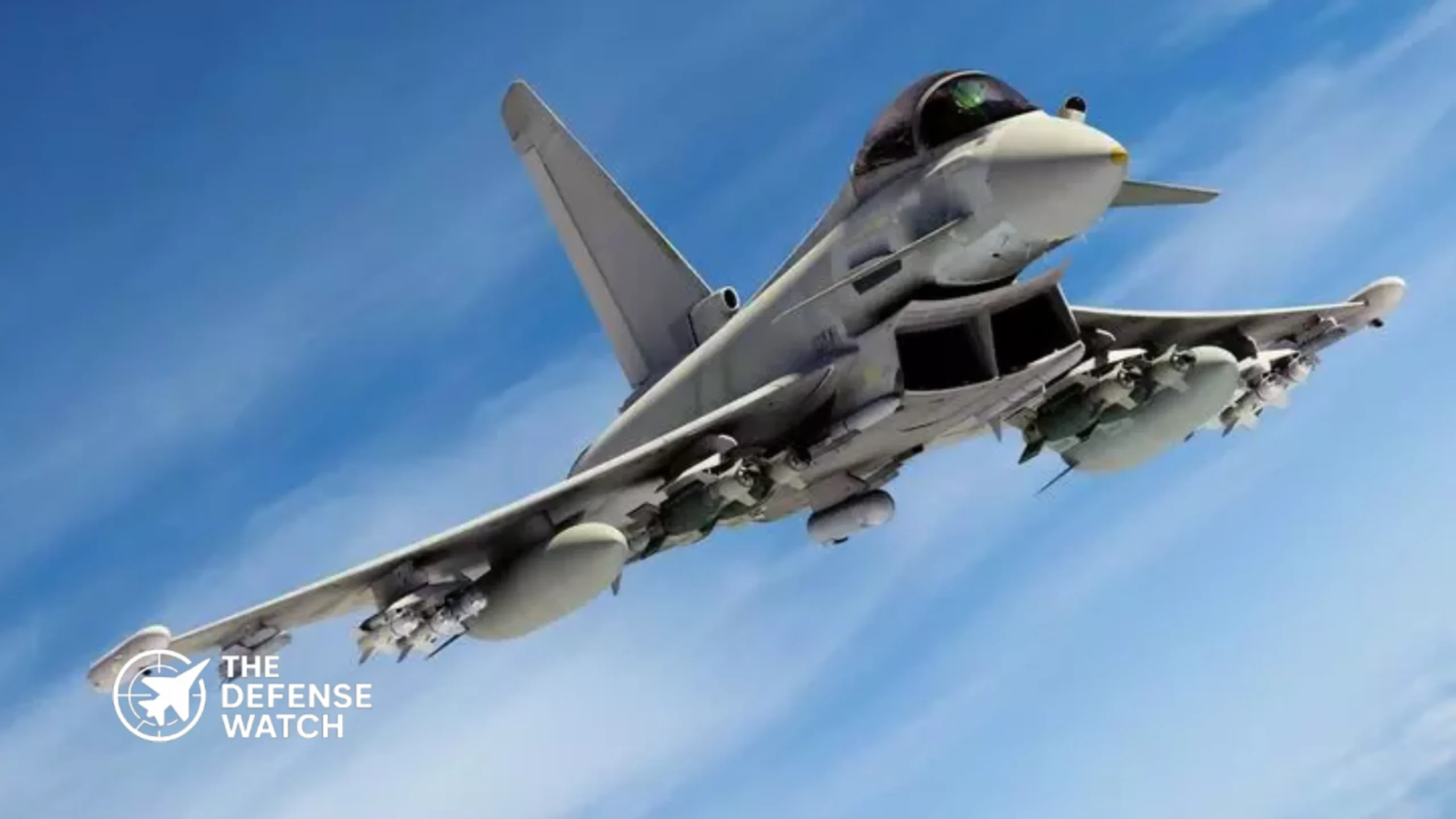
Start with the airframe everyone actually flies. The RAF’s Tranche 3 Typhoon FGR4 carries the Captor-M mechanically scanned radar in most of the fleet, with the newer AESA-based Captor-E rolling into later tranches and retrofits.
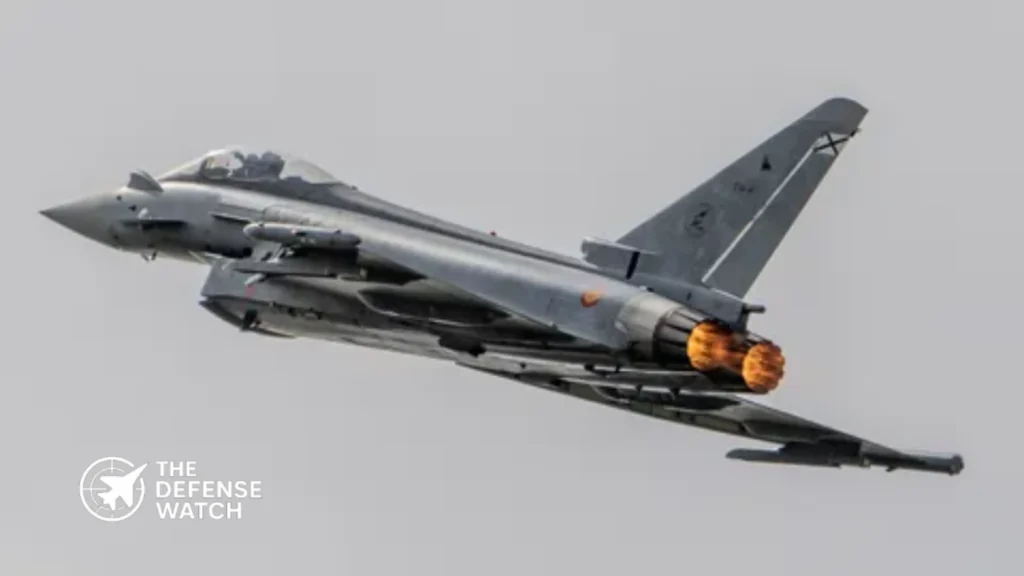
Two Eurojet EJ200 turbofans push the jet to Mach 2.35, with supercruise capability that lets it sustain supersonic speeds without afterburner. That matters tactically — it shrinks the infrared signature during a intercept run and extends time-on-station compared to jets that need burner to go supersonic.

The pricing split comes down to what accountants call “recurring flyaway cost” versus “total program cost.” Flyaway cost covers just the airframe, engines, and standard avionics rolling off the line. Total program cost folds in decades of sunk R&D, weapons integration, simulators, and infrastructure — which is why the same jet can be quoted at $117 million or $300 million depending on which invoice you’re reading.
Export contracts make the picture messier still. Qatar’s 2017 order for 24 Typhoons came in at roughly $6.7 billion, or about $280 million per jet — but that figure bundled weapons packages, pilot training, and a support infrastructure buildout from zero. Turkey’s more recent deal covered 20 Typhoons in an agreement valued at up to £8 billion, framed by UK officials as securing thousands of British jobs.
Data Block: Eurofighter Typhoon Cost & Spec Comparison
Metric RAF Tranche 3 (UK) Tranche 5 (Germany, 2025) Export Configuration (Qatar/Turkey) Reported unit cost ~£73.1M–£126M ($117M–$202M) ~€140M–€187M all-in $200M–$300M (with weapons/support) Radar Captor-M (mechanical) Captor-E AESA (GaN) Mix, contract-dependent Max speed Mach 2.35 Mach 2.35 Mach 2.35 Engines 2x Eurojet EJ200 2x Eurojet EJ200 2x Eurojet EJ200 Est. flight-hour cost $60,000–$65,000 Comparable, program-dependent Higher (fleet-scale, no economies) Program origin EF 2000 consortium, 1980s Same consortium architecture License/offset-driven Figures reflect publicly reported program data through late 2025 and early 2026; export pricing varies by offset and support package.
The Insight: What Esports Drafting Strategy Teaches Us About Consortium Fighters
Competitive Call of Duty and Counter-Strike teams live or die by role specialization — an entry fragger, a support player, an anchor holding a chokepoint. No single player is optimized to do everything; the roster wins by combining specialists into one coordinated unit.
The Eurofighter consortium was built on the same logic, just with nations instead of players. The UK leans on Typhoon for air-to-air and rapid intercept, Germany pushes electronic warfare integration, Italy and Spain contribute manufacturing depth and Mediterranean basing flexibility. No partner nation “solos” the program.
The trade-off mirrors a drafted roster with four captains instead of one. Juste retour — dividing manufacturing work by financial contribution rather than by who’s actually best at building a given part — is the aerospace equivalent of picking a lineup by seniority instead of skill. It produces a capable jet, but never the cheapest one.
The Typhoon’s order books are fuller now than they were five years ago — but every one of those orders comes wrapped in an industrial partnership, not just a price tag.” This is the trade nations keep making: paying a premium for technology transfer and sovereign workshare, not just for an airframe.
Conclusion: The Price You Pay Depends On What You’re Actually Buying
The Eurofighter Typhoon isn’t overpriced or underpriced — it’s mispriced by anyone comparing headline numbers without asking what’s actually in the box. A bare RAF flyaway figure and a fully-loaded export contract describe the same airframe but two entirely different transactions.
That distinction matters more now than ever, as the Typhoon’s Captor-E radar upgrade and continued export wins in the Gulf and Southeast Asia keep the EF 2000 lineage flying well into the 2030s. The jet that started as a four-nation compromise is still winning contracts precisely because it never stopped being one.
FAQ
What is the unit cost of a Eurofighter Typhoon?Reported figures range from roughly $117 million (UK flyaway cost, 2011 report) to $300 million for fully-equipped export configurations bundling weapons, training, and support infrastructure.
Why is it called “EF 2000”?EF 2000 was the Eurofighter’s original consortium designation during development in the 1980s and 1990s, before “Typhoon” became the aircraft’s operational name.
Does the RAF still fly the Typhoon?Yes. The Typhoon FGR4 remains a frontline RAF fast-jet, working alongside the F-35B and expected to remain in service into the 2030s pending Tranche upgrades.