Executive Summary:
Defense companies across the United States, Europe, and Asia are accelerating development of autonomous uncrewed fighter jets as military demand for AI enabled combat aircraft grows. The push reflects a broader shift toward collaborative air combat, where autonomous aircraft operate alongside crewed fighters to increase combat capacity, reduce operational risk, and lower procurement costs.
Autonomous Uncrewed Fighter Jets Become A Strategic Priority For Global Air Forces
The race to develop autonomous uncrewed fighter jets has entered a new phase as defense manufacturers compete to deliver operational systems capable of flying alongside traditional fighter aircraft. According to Reuters, major aerospace companies are expanding investment in autonomous combat aviation as governments prioritize artificial intelligence, advanced autonomy, and affordable force expansion for future conflicts.
- Autonomous Uncrewed Fighter Jets Become A Strategic Priority For Global Air Forces
- Why Militaries Are Investing In Autonomous Combat Aircraft
- Collaborative Combat Aircraft Are Reshaping Air Power
- Industry Competition Intensifies
- Technical Challenges Remain Significant
- Strategic Implications For Future Air Warfare
- Outlook
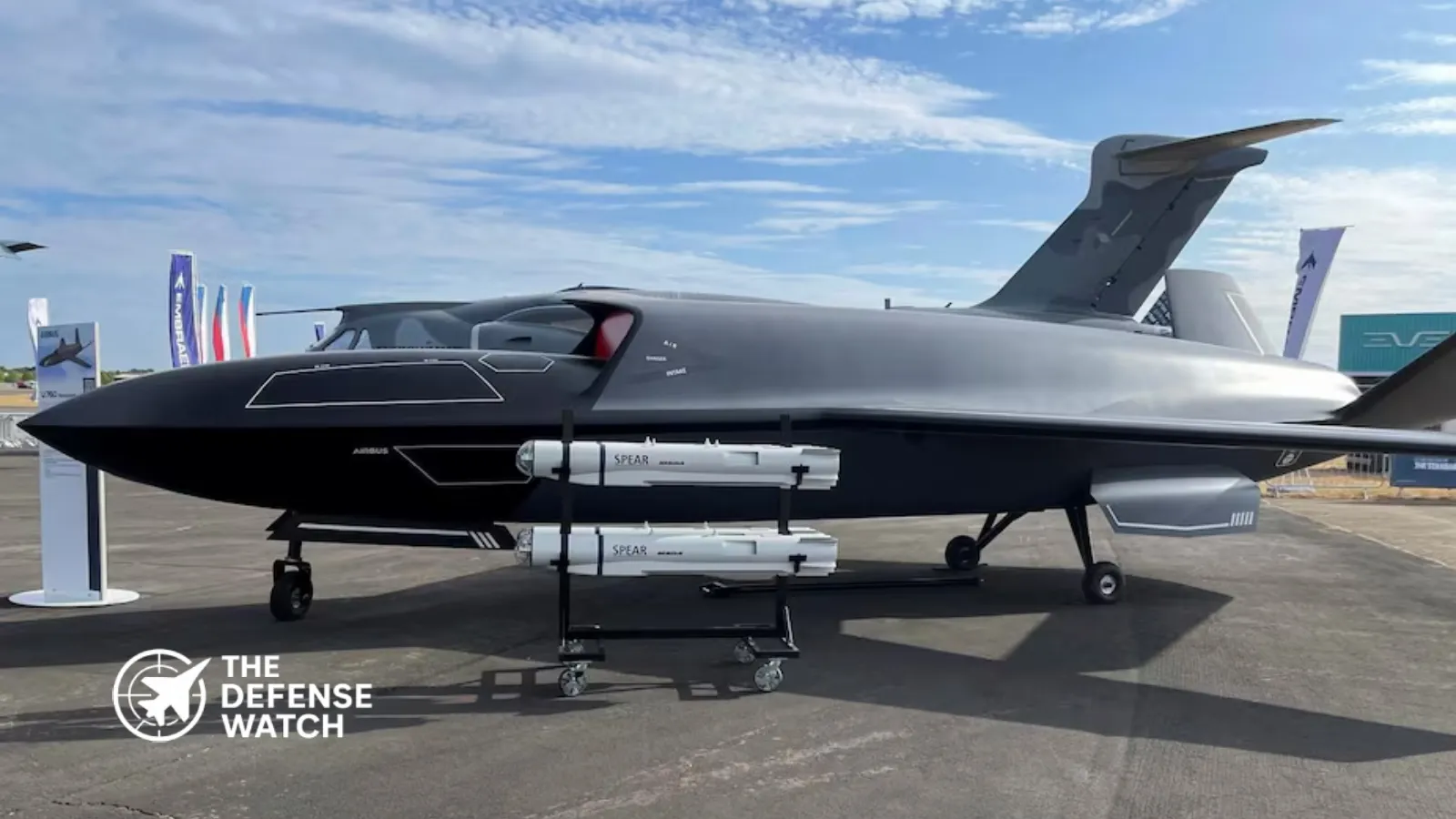
Military planners increasingly view autonomous aircraft as force multipliers rather than replacements for human pilots. Programs under development in the United States, Europe, Australia, and Asia are designed to perform missions ranging from electronic warfare and intelligence gathering to strike operations and air superiority support.
The growing interest comes as defense budgets increasingly emphasize AI enabled systems that can improve operational effectiveness while reducing exposure of pilots in highly contested environments.
Why Militaries Are Investing In Autonomous Combat Aircraft
Several strategic factors are driving the rapid expansion of autonomous combat aviation.
Modern air warfare requires greater aircraft availability, faster decision making, and the ability to overwhelm sophisticated air defense networks. Autonomous systems offer a way to increase combat mass without matching the cost of traditional fighter fleets.
Defense officials also see autonomous aircraft as valuable for missions considered too dangerous for crewed platforms, including:
- Suppression of enemy air defenses
- Electronic attack operations
- Long range intelligence, surveillance, and reconnaissance
- Decoy and deception missions
- Precision strike support
Unlike conventional unmanned aerial vehicles used primarily for surveillance, these new autonomous aircraft are expected to operate with significantly greater independence while maintaining coordination with human commanders.
Collaborative Combat Aircraft Are Reshaping Air Power
The United States remains one of the leading nations pursuing autonomous combat aviation through the U.S. Air Force’s Collaborative Combat Aircraft (CCA) initiative.
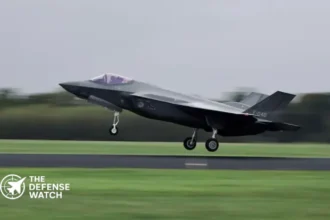
Rather than replacing advanced fighters such as the F 35 Lightning II or future Next Generation Air Dominance (NGAD) aircraft, CCA platforms are intended to fly as intelligent teammates.
Potential mission sets include:
| Capability | Operational Benefit |
|---|---|
| Air to air support | Expands combat mass during engagements |
| Electronic warfare | Disrupts enemy radar and communications |
| Intelligence collection | Extends battlefield awareness |
| Precision strike | Delivers additional weapons capacity |
| Decoy operations | Forces adversaries to expend defensive missiles |
This distributed approach allows commanders greater tactical flexibility while preserving high value crewed aircraft for critical missions.
Industry Competition Intensifies
Reuters reports that multiple aerospace manufacturers are racing to demonstrate increasingly capable autonomous aircraft as governments seek affordable combat aviation solutions.
The competitive environment extends well beyond the United States.
Defense companies across Europe are integrating artificial intelligence into future combat aircraft programs, while Australia continues developing loyal wingman concepts originally pioneered through Boeing Australia’s MQ 28 Ghost Bat program.
These efforts reflect a broader transformation in military aviation, where software, autonomy, secure communications, and mission networking are becoming as important as traditional aerodynamic performance.
Technical Challenges Remain Significant
Although progress has accelerated, fully autonomous combat aviation still faces several technical and operational hurdles.
Key development priorities include:
- Reliable AI decision support under combat conditions
- Secure communications in electronically contested environments
- Human oversight of autonomous weapons employment
- Cybersecurity against electronic intrusion
- Interoperability with existing command and control systems
Military organizations continue to emphasize that autonomous aircraft will operate within established command structures and under human authorization for the use of lethal force, consistent with national policies.
Strategic Implications For Future Air Warfare
The emergence of autonomous fighter aircraft represents one of the most significant changes in military aviation since the introduction of stealth technology.
For the United States and its allies, autonomous aircraft provide an opportunity to expand combat capacity without relying exclusively on increasingly expensive crewed fighters. Modern fifth generation aircraft require substantial investment in procurement, maintenance, and pilot training. Autonomous systems can complement these fleets by assuming higher risk missions while preserving crewed assets for complex operations.
Another important advantage is scalability. Air forces facing growing regional security challenges can potentially field larger operational formations by combining crewed fighters with multiple autonomous aircraft. This distributed force structure complicates adversary targeting and improves operational resilience.
From a technological perspective, the competitive advantage may increasingly depend less on aircraft performance alone and more on the effectiveness of artificial intelligence, secure networking, sensor fusion, and mission autonomy. Future procurement decisions are therefore likely to evaluate software capability alongside traditional aerospace engineering.
The accelerating pace of development also reflects broader geopolitical competition, with leading defense manufacturers seeking to establish technological leadership before autonomous combat aircraft become a standard element of modern air forces.
Outlook
Autonomous uncrewed fighter jets are transitioning from experimental concepts to operational defense programs. While significant testing, certification, and policy work remain, governments are clearly investing in collaborative combat aircraft as a core element of future air power.
As AI technologies mature and autonomous systems demonstrate greater reliability, these aircraft are expected to complement existing fighter fleets rather than replace them, providing additional flexibility across contested operational environments.
For defense manufacturers, success will depend not only on aircraft performance but also on delivering secure autonomy, resilient communications, and seamless integration with next generation command networks.