Executive Summary:
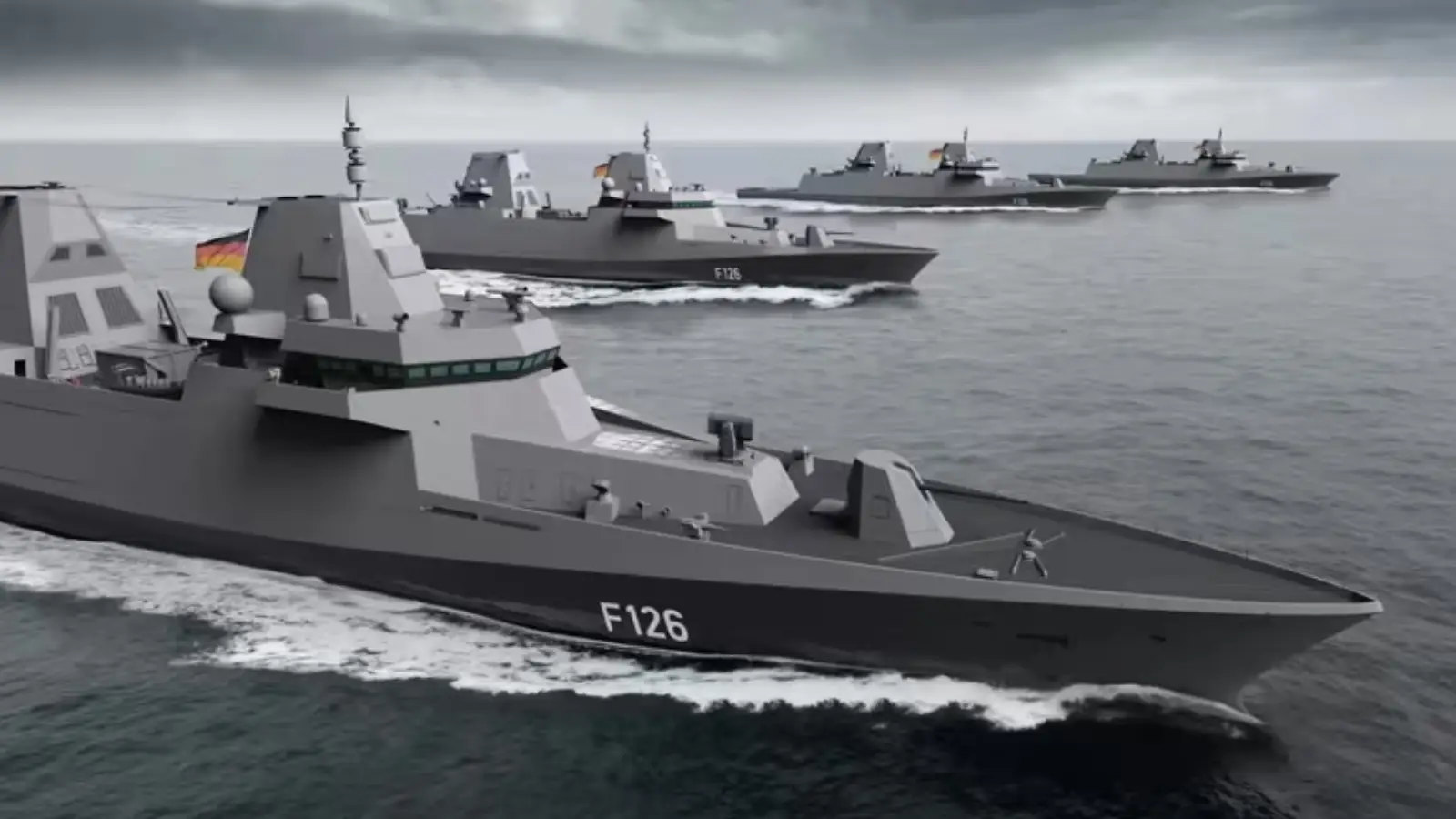
Germany is reportedly preparing to abandon its delayed F126 frigate program, one of the largest naval procurement projects in its postwar history. The move would replace six large multirole frigates with eight smaller MEKO A200 vessels, reflecting growing concerns over costs, schedules, and defense readiness.
Germany Moves To Scrap F126 Frigate Program
Germany’s F126 frigate program could be heading toward cancellation after reports emerged that senior officials intend to abandon the troubled naval project in favor of a new procurement approach.
German Defense Minister Boris Pistorius and other senior officials have informed industry representatives and lawmakers that Berlin plans to halt the construction of six F126 frigates. Instead, Germany would reportedly purchase eight smaller MEKO A200 frigates from
The decision has not yet been officially confirmed by Germany’s Defense Ministry, but it represents a potentially significant shift in the country’s naval modernization plans.
A Program Plagued By Delays
The F126 frigate program was intended to deliver some of the largest and most capable surface combatants ever commissioned by the German Navy.
The project originated as the MKS 180 program and was awarded to Dutch shipbuilder Damen Naval. However, the effort has faced repeated schedule delays, software integration challenges, cost growth, and disputes between contractors and procurement authorities.
Recent reports indicated that the first F126 delivery could slip to 2032, several years later than originally planned. Costs have also increased substantially, with estimates for the six ships rising to approximately €14 billion if a proposed takeover by Rheinmetall proceeded.
Germany had already invested roughly €2 billion in the program before the latest reports emerged.
Impact On Rheinmetall
The reported cancellation would be a setback for Rheinmetall’s ambitions in naval shipbuilding.
Earlier this year, Rheinmetall acquired Naval Vessels Lürssen (NVL) and positioned itself to take over leadership of the F126 project from Damen. Company executives had expected negotiations with Berlin to result in a major contract worth approximately €12 billion.
If Germany abandons the program entirely, that opportunity could disappear, potentially affecting Rheinmetall’s efforts to expand beyond its traditional land systems business into major naval programs.
Why Germany May Be Choosing The MEKO A200
The reported alternative centers on the acquisition of eight MEKO A200 frigates from TKMS.
While significantly smaller than the approximately 10,000 ton F126 design, the MEKO A200 is viewed as a mature and lower risk platform that could be delivered more quickly. Reuters previously reported that Germany had already approved funding measures linked to a potential MEKO procurement, with the first ship targeted for delivery before the end of 2029.
For German defense planners, speed may be becoming more important than size.
The security environment in Europe has changed dramatically since Russia’s full scale invasion of Ukraine. NATO members are under pressure to expand military readiness rapidly, and lengthy procurement timelines are facing increased scrutiny.
Analysis: What This Means For Germany’s Navy
The reported F126 cancellation highlights a broader challenge facing European defense modernization.
Germany is increasing defense spending at an unprecedented rate, yet major procurement programs continue to encounter delays, rising costs, and industrial complexity. The F126 project has become a case study in how ambitious requirements, multinational industrial arrangements, and evolving technical demands can undermine schedules and budgets.
From an operational perspective, shifting to the MEKO A200 would likely provide the German Navy with additional hulls sooner, improving fleet availability during a period of heightened regional security concerns. However, Germany could also lose some of the advanced capabilities and growth potential originally envisioned for the larger F126 design.
The decision therefore appears to reflect a broader procurement trend emerging across Europe: prioritizing near term readiness and faster delivery over highly customized, long duration development programs.
Looking Ahead
No final government announcement has been made, and Reuters noted that it could not independently verify every aspect of the Financial Times report. Nevertheless, if confirmed, the cancellation of the F126 frigate program would mark one of the most significant defense procurement reversals in Germany in recent years.
The outcome will be closely watched across Europe, where governments are attempting to balance military modernization, industrial policy, and urgent operational requirements in an increasingly challenging security environment.