Executive Summary:
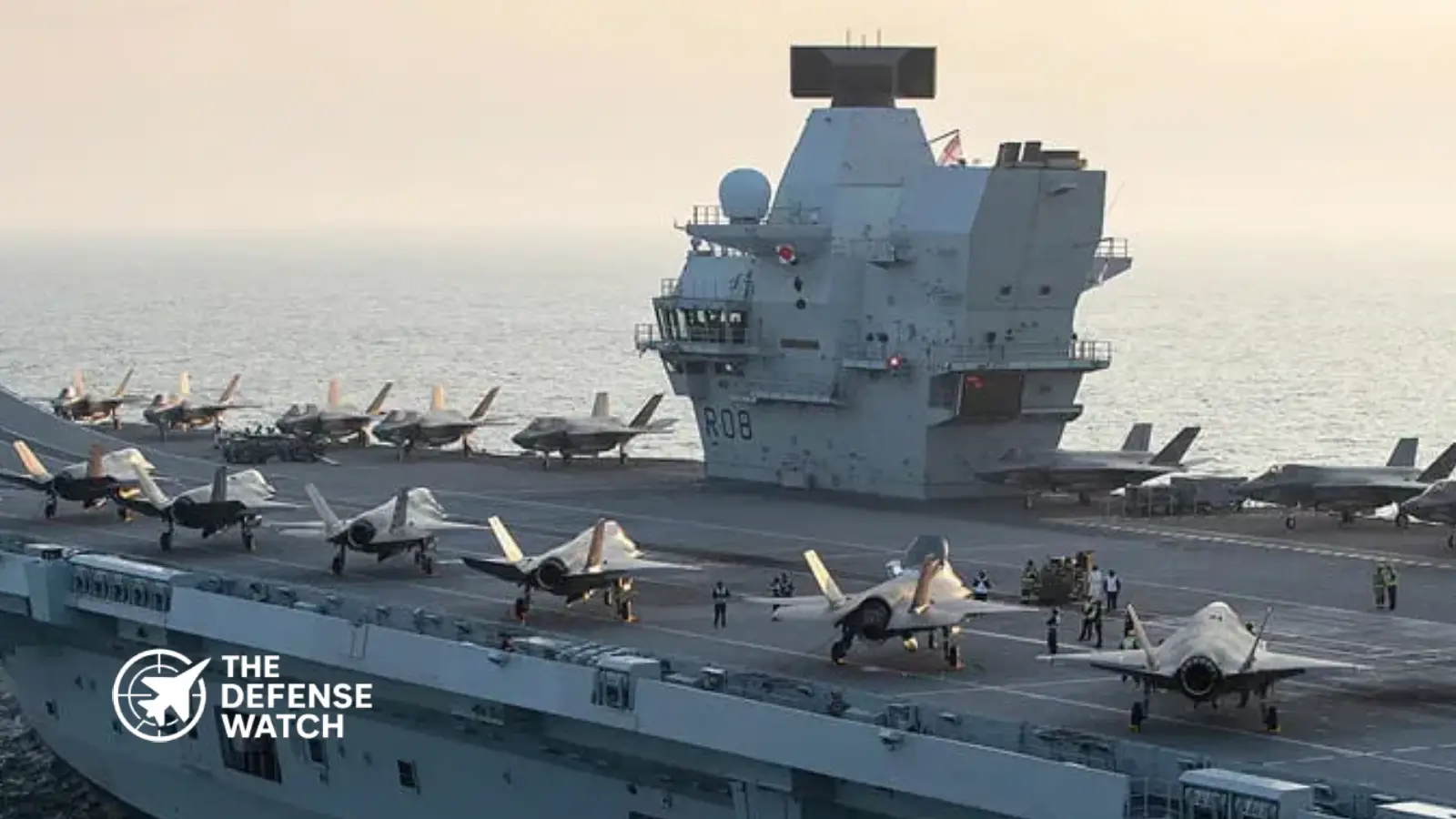
The United Kingdom Carrier Strike Group, led by HMS Prince of Wales, is operating under NATO command as part of the alliance’s Arctic Sentry mission. The deployment enhances NATO’s maritime presence in the Arctic while improving allied readiness in a region of growing strategic importance.
UK Carrier Strike Group Strengthens NATO Presence In The Arctic
The UK Carrier Strike Group has entered a new phase of operations after being placed under NATO operational command as part of Arctic Sentry, the alliance’s enhanced vigilance activity focused on the Arctic and High North. The move underscores NATO’s increasing emphasis on northern defense as military competition intensifies across the region.
Led by HMS Prince of Wales, the Royal Navy’s flagship aircraft carrier, the task group is supporting NATO’s Joint Force Command Norfolk during a series of operations designed to improve allied coordination, surveillance, deterrence, and maritime security throughout the Arctic.
The deployment represents one of the United Kingdom’s most significant naval contributions to NATO’s northern posture in recent years.
Carrier Strike Group Brings Fifth Generation Airpower
At the center of the deployment is HMS Prince of Wales, carrying Britain’s carrier-based fifth generation combat capability through F-35B Lightning II fighters from 809 Naval Air Squadron and Royal Air Force 617 Squadron.
The strike group also includes escorts, support vessels, helicopters, and maritime surveillance assets capable of conducting air defense, anti-submarine warfare, strike missions, and intelligence gathering in one of the world’s most demanding operating environments.
Operating under NATO command allows allied naval and air forces to coordinate through a unified operational structure, improving interoperability across multiple national fleets.
What Arctic Sentry Means For NATO
Arctic Sentry was launched by NATO in February 2026 as a multi-domain operational framework that combines allied exercises, maritime patrols, air operations, and land activities under a single command structure led by Joint Force Command Norfolk.
Rather than creating a single exercise, Arctic Sentry synchronizes existing allied activities across the Arctic and High North into a coordinated operational approach.
According to NATO, the initiative responds to increasing military activity by Russia in the Arctic, while also addressing China’s growing strategic interest in the region. The alliance says the effort improves situational awareness, operational planning, and collective defense across NATO’s northern flank.
Why The Arctic Matters
The Arctic has become increasingly important for global security.
Melting sea ice is gradually opening new shipping routes while exposing natural resources and expanding access to previously inaccessible waters. At the same time, the region contains critical sea lines of communication linking North America and Europe.
Russia has continued modernizing military infrastructure across its Arctic territories, including airfields, naval facilities, and surveillance capabilities, while NATO has responded by increasing exercises and strengthening cooperation among Arctic allies.
For NATO, maintaining freedom of navigation and protecting reinforcement routes through the North Atlantic remain central strategic objectives.
Analysis: A Shift Toward Persistent Northern Operations
While the deployment itself does not represent a permanent increase in NATO forces, it reflects a broader transition toward sustained allied operations in northern waters.
Placing the UK Carrier Strike Group under NATO command demonstrates the alliance’s growing preference for integrated multinational operations rather than nationally directed deployments operating alongside one another.
From an operational perspective, carrier strike groups provide flexible airpower, command and control, anti-submarine capabilities, and long-range surveillance without relying on fixed regional bases. These attributes are particularly valuable in the Arctic, where infrastructure is limited and weather conditions complicate military operations.
The deployment also highlights Britain’s continued role as one of NATO’s primary maritime powers. By contributing its largest naval formation to alliance command, London reinforces its commitment to collective defense while improving interoperability with U.S., Norwegian, Canadian, Danish, Dutch, and other allied forces operating across the High North.
For NATO, Arctic Sentry is as much about improving command integration as it is about demonstrating presence. Coordinated operations enable faster decision making, more effective intelligence sharing, and greater readiness should security conditions deteriorate.
Looking Ahead
The UK Carrier Strike Group is expected to continue participating in additional Arctic Sentry activities alongside allied naval and air forces throughout the coming weeks.
NATO has indicated that Arctic Sentry will continue evolving as a long-term framework for coordinating operations across the Arctic and High North, complementing other regional initiatives designed to strengthen deterrence and collective defense.
As geopolitical competition in the Arctic continues to increase, deployments such as this are likely to become a more regular feature of NATO’s operational posture.
Executive Summary:
Britain plans to acquire a new generation of Norwegian-designed mine hunting motherships to support autonomous mine countermeasure and undersea warfare operations. The move strengthens Royal Navy modernization efforts while deepening UK-Norway defense cooperation and enhancing NATO’s ability to protect critical maritime infrastructure in the North Atlantic.
Britain’s mine hunting motherships program is entering a new phase as the UK Ministry of Defence moves toward acquiring Norwegian-designed offshore support vessels capable of deploying autonomous mine countermeasure and undersea warfare systems. The initiative reflects the Royal Navy’s broader transition away from traditional crewed minehunters toward unmanned maritime operations designed for increasingly contested environments.
The planned acquisition follows expanding defense cooperation between the United Kingdom and Norway under the Lunna House Agreement, which aims to strengthen joint maritime security, Arctic operations, and protection of critical undersea infrastructure across NATO’s northern flank.
A New Generation Of Mine Hunting Platforms
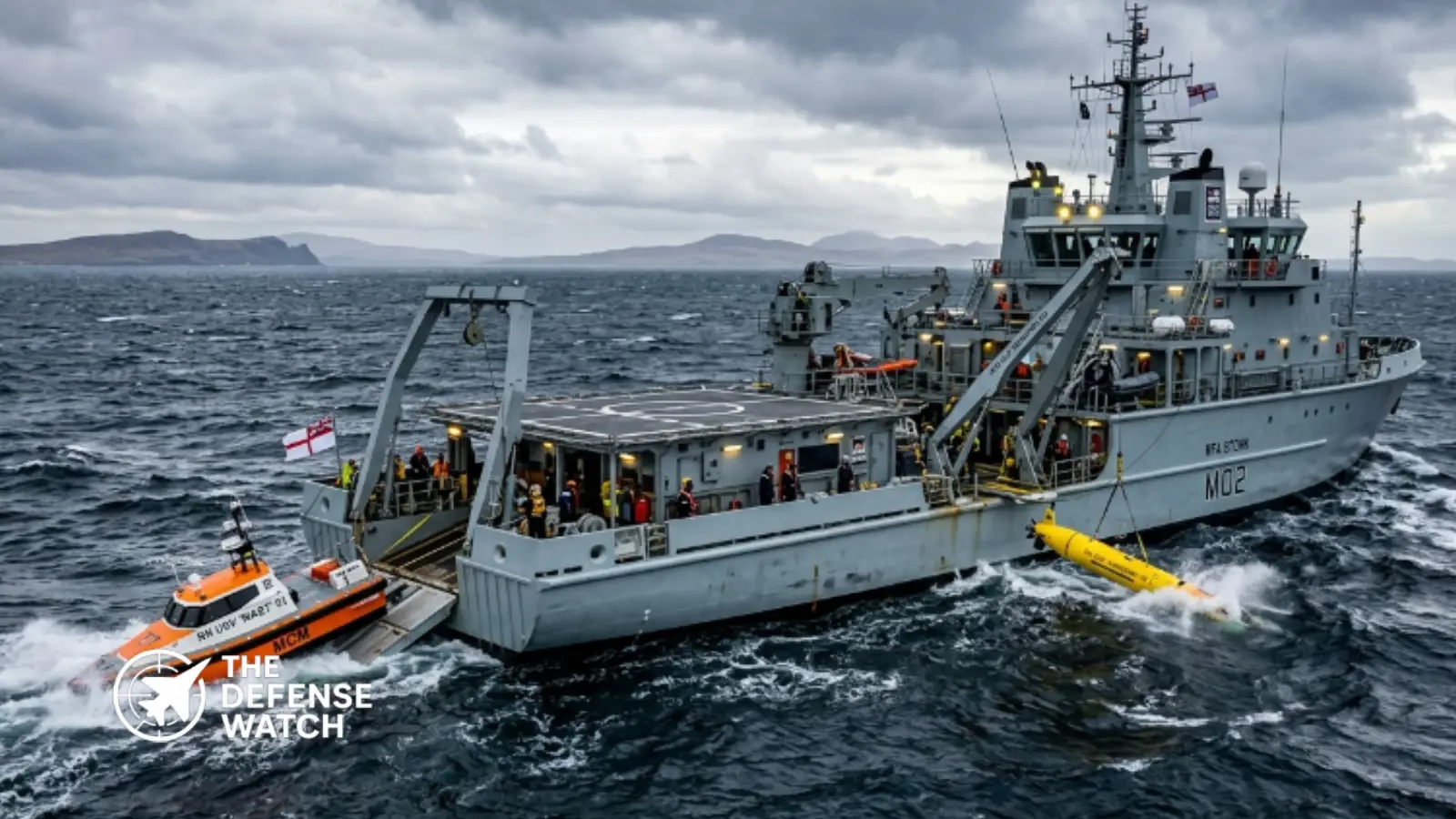
Unlike conventional mine countermeasure vessels, the new ships are designed to operate as offshore support vessels, or motherships, carrying and deploying a variety of autonomous systems rather than conducting mine clearance directly.
These platforms are expected to support:
- Uncrewed surface vessels (USVs)
- Autonomous underwater vehicles (AUVs)
- Remotely operated mine disposal systems
- Undersea surveillance equipment
- Modular mission payloads for future naval operations
This concept allows sailors to remain farther from minefields while autonomous systems perform detection, classification, identification, and neutralization tasks.
The approach reflects an industry-wide shift toward distributed maritime operations that reduce operational risk while improving endurance and flexibility.
Norwegian Design Provides A Ready Starting Point
The UK Ministry of Defence has previously examined the Kongsberg C2 Vanguard design as the basis for its future Mine Hunting Capability Offshore Support Vessel program.
Earlier feasibility work evaluated whether the commercial offshore vessel design could be adapted into purpose-built military platforms offering improved survivability, larger mission bays, and dedicated launch and recovery facilities for autonomous systems.
Recent developments indicate Britain now intends to join Norway’s broader standardized vessel program rather than pursue an entirely independent design effort, potentially reducing development risk while increasing interoperability between allied navies.
Why These Motherships Matter
The Royal Navy has already begun replacing legacy mine countermeasure vessels with autonomous technologies.
Current transition efforts include RFA Stirling Castle, which serves as an operational mothership supporting remotely operated mine hunting equipment. The new Norwegian-designed vessels would represent purpose-built successors with greater endurance, survivability, and capacity for sustained expeditionary operations.
Original Analysis
The decision highlights an important change in naval procurement philosophy.
Rather than investing in highly specialized minehunters that perform a single mission, Britain is moving toward modular support ships capable of evolving alongside rapidly advancing autonomous technologies.
This approach offers several long-term advantages:
- Faster integration of new autonomous systems.
- Lower lifecycle modernization costs.
- Greater flexibility for multiple naval missions.
- Improved interoperability with NATO partners.
- Reduced operational risk for sailors.
As unmanned maritime technologies continue advancing, the value increasingly lies in adaptable host platforms rather than fixed mission-specific ships.
Protecting Critical Undersea Infrastructure
The North Atlantic has become an increasingly important operational theater following heightened concerns about the security of subsea communications cables, offshore energy infrastructure, and maritime trade routes.
British and Norwegian officials have emphasized that autonomous systems can improve persistent monitoring of seabed infrastructure while supporting mine countermeasure missions and broader undersea surveillance.
The Lunna House Agreement also expands cooperation in:
- Arctic military training
- North Atlantic patrols
- Naval strike missile integration
- Torpedo collaboration
- Joint operational planning
- Autonomous maritime technologies
Together, these initiatives strengthen NATO’s maritime posture across Europe’s northern approaches.
Strategic Importance Beyond Mine Warfare
Although mine countermeasures remain the primary mission, these offshore support vessels are likely to become multi-role assets.
Modern naval operations increasingly rely on autonomous vehicles for:
- Seabed mapping
- Intelligence collection
- Infrastructure inspection
- Environmental monitoring
- Anti-submarine support
- Maritime security operations
A modular mothership architecture allows future payloads to be integrated without redesigning the entire vessel, extending operational relevance over decades.
Original Analysis
The growing emphasis on autonomous motherships reflects a broader evolution across NATO navies.
Rather than replacing crewed warships, autonomous support vessels complement existing fleets by handling dangerous and repetitive tasks. This enables high-value combatants such as frigates and destroyers to concentrate on air defense, anti-submarine warfare, and power projection while specialized support ships manage unmanned operations.
The UK’s participation in Norway’s program also demonstrates an increasing willingness among European allies to pursue shared naval procurement where operational requirements overlap. Such collaboration can shorten development timelines, improve logistics compatibility, and reduce acquisition costs without sacrificing national capabilities.
Looking Ahead
The acquisition remains part of Britain’s wider Mine Hunting Capability modernization program, which seeks to replace traditional minehunters with autonomous systems operating from dedicated offshore support vessels.
As autonomous maritime technologies mature, these new motherships are expected to become central elements of Royal Navy mine countermeasure operations while supporting NATO efforts to safeguard critical undersea infrastructure and maintain freedom of navigation throughout the North Atlantic.
The program illustrates how future naval power will increasingly depend not only on frontline combatants but also on flexible support vessels capable of deploying growing families of unmanned maritime systems.
Executive Summary:
Germany is reportedly preparing to abandon its delayed F126 frigate program, one of the largest naval procurement projects in its postwar history. The move would replace six large multirole frigates with eight smaller MEKO A200 vessels, reflecting growing concerns over costs, schedules, and defense readiness.
Germany Moves To Scrap F126 Frigate Program
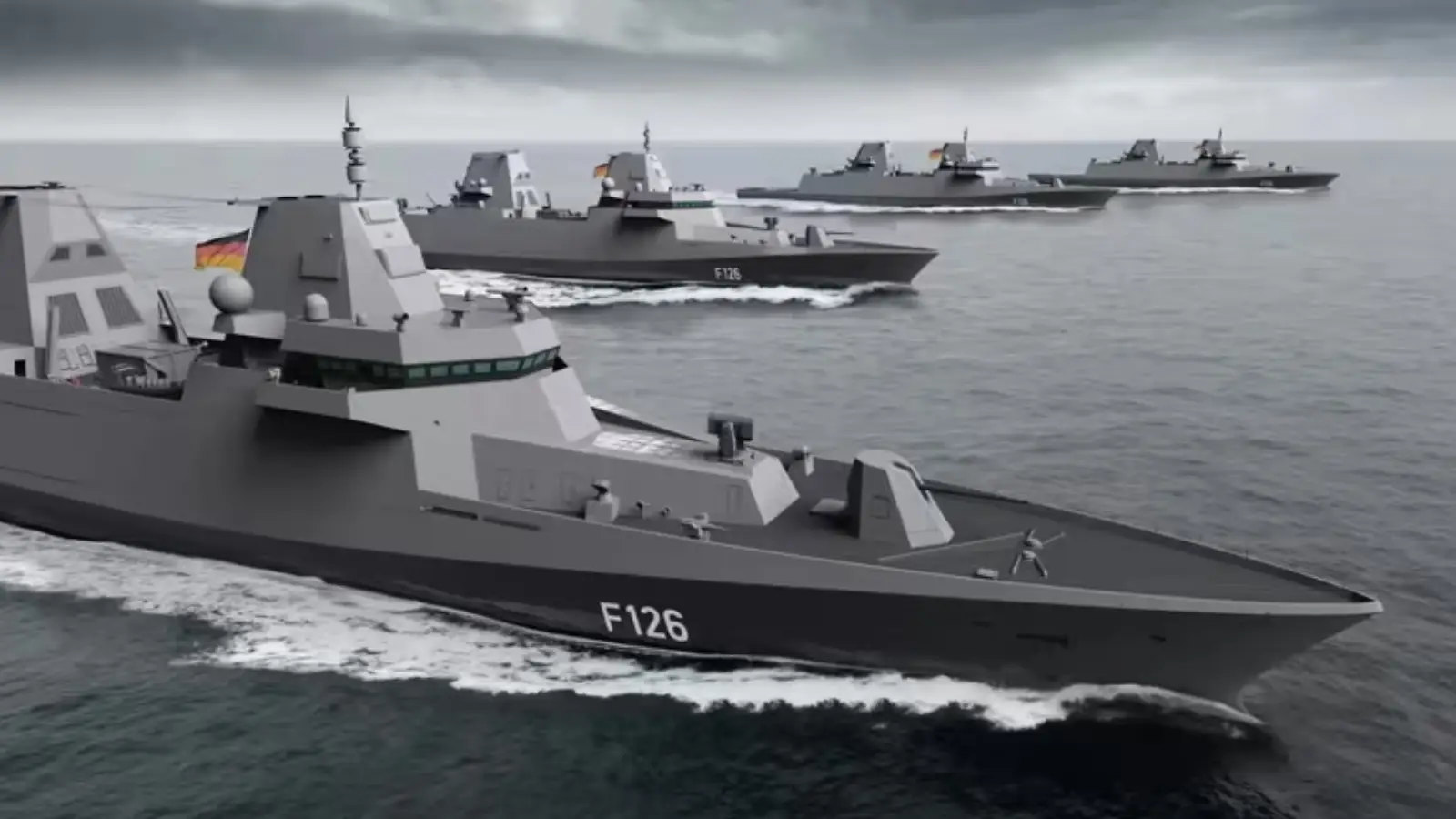
Germany’s F126 frigate program could be heading toward cancellation after reports emerged that senior officials intend to abandon the troubled naval project in favor of a new procurement approach.
German Defense Minister Boris Pistorius and other senior officials have informed industry representatives and lawmakers that Berlin plans to halt the construction of six F126 frigates. Instead, Germany would reportedly purchase eight smaller MEKO A200 frigates from
The decision has not yet been officially confirmed by Germany’s Defense Ministry, but it represents a potentially significant shift in the country’s naval modernization plans.
A Program Plagued By Delays
The F126 frigate program was intended to deliver some of the largest and most capable surface combatants ever commissioned by the German Navy.
The project originated as the MKS 180 program and was awarded to Dutch shipbuilder Damen Naval. However, the effort has faced repeated schedule delays, software integration challenges, cost growth, and disputes between contractors and procurement authorities.
Recent reports indicated that the first F126 delivery could slip to 2032, several years later than originally planned. Costs have also increased substantially, with estimates for the six ships rising to approximately €14 billion if a proposed takeover by Rheinmetall proceeded.
Germany had already invested roughly €2 billion in the program before the latest reports emerged.
Impact On Rheinmetall
The reported cancellation would be a setback for Rheinmetall’s ambitions in naval shipbuilding.
Earlier this year, Rheinmetall acquired Naval Vessels Lürssen (NVL) and positioned itself to take over leadership of the F126 project from Damen. Company executives had expected negotiations with Berlin to result in a major contract worth approximately €12 billion.
If Germany abandons the program entirely, that opportunity could disappear, potentially affecting Rheinmetall’s efforts to expand beyond its traditional land systems business into major naval programs.
Why Germany May Be Choosing The MEKO A200
The reported alternative centers on the acquisition of eight MEKO A200 frigates from TKMS.
While significantly smaller than the approximately 10,000 ton F126 design, the MEKO A200 is viewed as a mature and lower risk platform that could be delivered more quickly. Reuters previously reported that Germany had already approved funding measures linked to a potential MEKO procurement, with the first ship targeted for delivery before the end of 2029.
For German defense planners, speed may be becoming more important than size.
The security environment in Europe has changed dramatically since Russia’s full scale invasion of Ukraine. NATO members are under pressure to expand military readiness rapidly, and lengthy procurement timelines are facing increased scrutiny.
Analysis: What This Means For Germany’s Navy
The reported F126 cancellation highlights a broader challenge facing European defense modernization.
Germany is increasing defense spending at an unprecedented rate, yet major procurement programs continue to encounter delays, rising costs, and industrial complexity. The F126 project has become a case study in how ambitious requirements, multinational industrial arrangements, and evolving technical demands can undermine schedules and budgets.
From an operational perspective, shifting to the MEKO A200 would likely provide the German Navy with additional hulls sooner, improving fleet availability during a period of heightened regional security concerns. However, Germany could also lose some of the advanced capabilities and growth potential originally envisioned for the larger F126 design.
The decision therefore appears to reflect a broader procurement trend emerging across Europe: prioritizing near term readiness and faster delivery over highly customized, long duration development programs.
Looking Ahead
No final government announcement has been made, and Reuters noted that it could not independently verify every aspect of the Financial Times report. Nevertheless, if confirmed, the cancellation of the F126 frigate program would mark one of the most significant defense procurement reversals in Germany in recent years.
The outcome will be closely watched across Europe, where governments are attempting to balance military modernization, industrial policy, and urgent operational requirements in an increasingly challenging security environment.
Executive Summary:
The Netherlands has redirected an air defense frigate toward the Strait of Hormuz as the Dutch government considers joining a potential international maritime security mission. The move reflects growing European efforts to prepare for possible coalition operations aimed at protecting commercial shipping through one of the world’s most strategically important waterways.
Netherlands Air Defense Frigate Repositioned Toward Strait Of Hormuz
The Netherlands air defense frigate deployment marks the latest European effort to prepare for potential maritime security operations in and around the Strait of Hormuz.
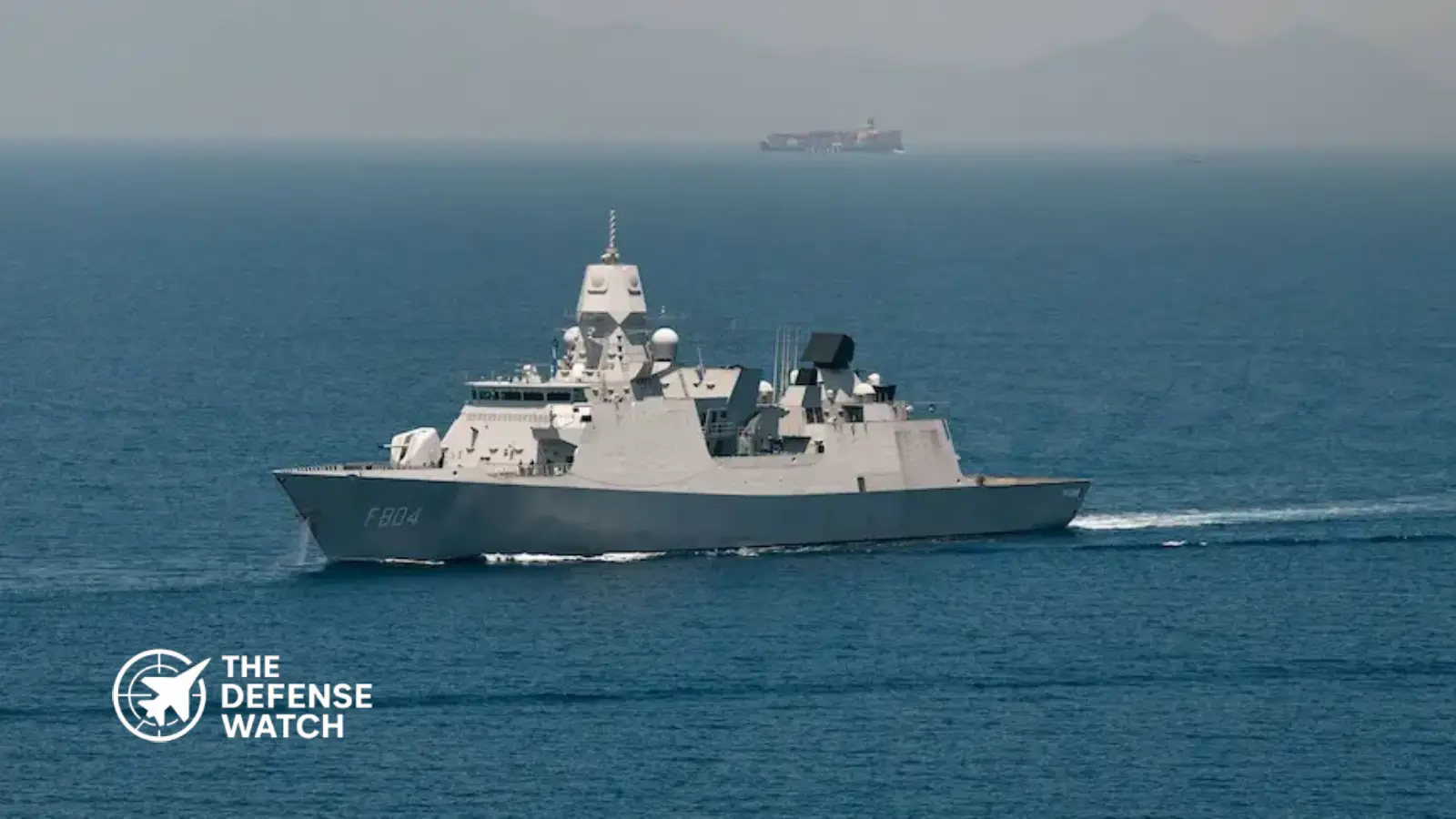
Dutch Defense Minister Dilan Yeşilgöz informed parliament that the Royal Netherlands Navy has redirected one of its air defense frigates from the Indo-Pacific region toward the Middle East. The vessel’s new course would enable the Netherlands to participate in a possible international mission should coalition plans move forward. The frigate is expected to require several weeks to reach the region.
The decision does not represent a formal deployment order for combat operations. Instead, it places the warship in a position where it can rapidly support a future multinational maritime security initiative if approved by the Dutch government and partner nations.
Growing Focus On Maritime Security
The Strait of Hormuz remains one of the world’s most important maritime chokepoints, connecting the Persian Gulf to international shipping lanes. Any disruption in the area can have immediate consequences for global energy markets and commercial trade.
European governments have intensified discussions on maritime security following recent tensions in the region. France and the United Kingdom have been leading efforts to explore a multinational naval mission designed to help safeguard commercial shipping and reassure the maritime industry.
Shipping and insurance organizations have also called for enhanced security measures, including mine-clearing capabilities and naval protection, to reduce risks for commercial vessels operating in the area.
Dutch Preparations Have Been Underway For Months
The redirection of the Dutch frigate follows several earlier steps taken by the Netherlands to prepare for potential operations related to the Strait of Hormuz.
In May, the Dutch government announced plans to position a minesweeper within NATO operations in the Mediterranean, allowing for rapid deployment if an international mission was approved. Dutch officials also explored options involving mine countermeasure teams, explosive ordnance disposal specialists, and additional naval personnel.
Government statements have consistently emphasized that no final decision on participation has been made. Instead, Dutch authorities have focused on maintaining readiness while assessing operational requirements and political conditions.
European Coalition Discussions Continue
The Netherlands is not acting alone. Several European nations have examined ways to contribute to a future coalition effort intended to maintain freedom of navigation and secure commercial shipping routes.
France and Britain have reportedly advocated for a multinational maritime security framework involving warships, minehunters, surveillance assets, and support vessels. However, any mission remains dependent on diplomatic developments and regional acceptance.
Germany has already dispatched naval assets toward the Red Sea, including a minesweeper and support ship, to prepare for a potential contribution to maritime security efforts. Berlin has also indicated that any future participation would depend on political approval and regional conditions.
Why The Frigate Matters
The Dutch decision to redirect an air defense frigate carries operational significance beyond symbolic support.
Modern air defense frigates provide advanced radar coverage, missile defense capabilities, command-and-control functions, and protection against aircraft, drones, and missile threats. Such vessels are particularly valuable in coalition maritime operations where commercial shipping may require protection from evolving regional threats.
By repositioning the frigate now, Dutch planners preserve flexibility while avoiding the delays associated with deploying naval forces from Europe at short notice. The move demonstrates a broader trend among European navies toward pre-positioning assets in anticipation of potential security requirements.
From a strategic perspective, the deployment highlights how maritime security has become a central element of European defense planning. Rather than waiting for a formal coalition request, governments are increasingly positioning naval assets in advance to ensure rapid response capability if conditions require action.
Strategic Implications For NATO And European Security
Although discussions surrounding maritime security in the Strait of Hormuz involve several NATO member states, alliance officials have stressed that NATO itself has not developed a formal mission plan for the region. Any future NATO-led operation would require political approval from all member nations.
The Netherlands’ decision therefore reflects national and coalition-level contingency planning rather than a NATO operation.
For European governments, securing maritime trade routes remains a strategic priority. The Strait of Hormuz continues to play a critical role in global energy transportation and international commerce, making stability in the region a matter of economic as well as security interest.
Conclusion
The Netherlands air defense frigate’s redirection toward the Strait of Hormuz represents a significant preparatory step as European allies evaluate options for a potential maritime security mission. While no final deployment decision has been announced, the move positions Dutch naval forces to respond quickly if coalition plans advance.
As France, the United Kingdom, Germany, and other partners continue consultations, the Netherlands’ latest action underscores the growing importance of maritime security planning around one of the world’s most strategically sensitive waterways.
Executive Summary:
The UK Ministry of Defence has provided updated details on a Russian warning shots incident involving the frigate Admiral Grigorovich and a British-flagged yacht in the English Channel. Both London and Moscow describe the event as a maritime safety issue, but the episode highlights growing sensitivity surrounding Russian naval activity near UK waters.
UK Investigates Russian Warning Shots Incident In English Channel
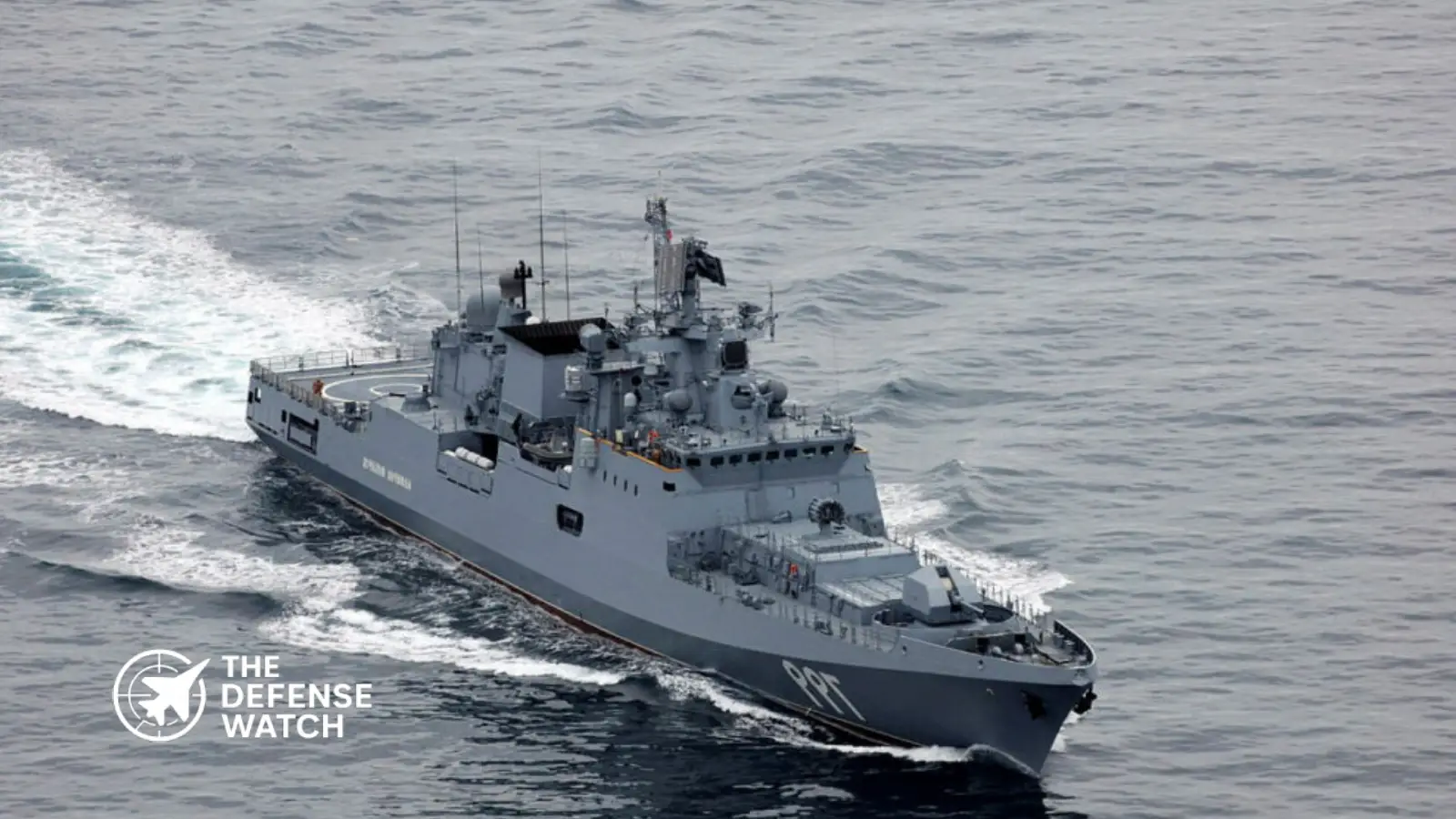
The Russian warning shots incident involving the Russian Navy frigate Admiral Grigorovich has drawn significant attention after British and Russian authorities released additional information about what occurred in the English Channel.
According to the UK Ministry of Defence, the incident took place approximately 20 nautical miles south of the Isle of Wight, outside British territorial waters. No injuries or damage were reported, and officials have characterized the event as an isolated maritime safety incident rather than a military confrontation.
The vessel involved was the Russian frigate Admiral Grigorovich, a warship that has frequently operated in waters around Europe and is routinely monitored by the Royal Navy during transits through the English Channel.
What Happened Between The Russian Frigate And The Yacht?
British media reports initially stated that a UK-registered yacht reported warning shots being fired nearby by a Russian warship. Subsequent statements from both governments indicated the yacht had drifted close to the Russian vessel in poor visibility conditions.
Russian officials said repeated radio calls were made to the yacht before warning measures were escalated. According to Moscow, the yacht was approaching on a potentially hazardous course, prompting the frigate’s crew to fire warning shots into its path after other attempts to establish contact failed.
British authorities confirmed that warning shots were fired for collision avoidance purposes and reported that the yacht was later assisted by Royal Navy personnel. The vessel continued its voyage without damage.
Reports indicate the yacht was operating in dense fog, which may have contributed to the crew’s lack of awareness regarding the warship’s proximity.
Royal Navy Monitoring Russian Naval Activity
The Royal Navy was already tracking Admiral Grigorovich during its transit through the Channel. British patrol vessels were reportedly monitoring the frigate at the time of the incident and later checked on the yacht’s crew.
The event underscores the routine but increasingly visible nature of encounters between NATO maritime forces and Russian naval units operating in European waters.
Earlier this year, the UK publicly disclosed efforts to track Russian submarine activity near critical infrastructure and around British waters. Officials have emphasized the importance of maintaining continuous maritime domain awareness as Russian naval operations remain active across the North Atlantic and surrounding regions.
Why The Incident Matters
While no military escalation occurred, the Russian warning shots incident highlights the risks associated with naval operations in congested sea lanes such as the English Channel.
From a maritime security perspective, the event demonstrates how civilian vessels can unintentionally enter dangerous situations when operating near heavily armed warships. International maritime procedures typically require escalating warnings before any use of warning fire, particularly in collision avoidance scenarios.
The timing of the incident has also attracted attention because it occurred shortly after British authorities intercepted the sanctioned Russian-linked tanker Smyrtos as part of efforts to disrupt Russia’s so-called shadow fleet. However, UK officials have stated there is no evidence directly linking the two events.
Analysis: A Reminder Of Growing Maritime Friction
Although the encounter appears to have been a navigational safety incident rather than an act of aggression, it reflects the broader strategic environment in European waters.
Russian naval deployments through the English Channel have become increasingly scrutinized since the start of the war in Ukraine. At the same time, NATO members have expanded maritime surveillance operations to monitor military vessels, protect critical undersea infrastructure, and enforce sanctions-related measures.
The significance of this incident lies less in the warning shots themselves and more in what they reveal about the crowded operational environment in which civilian traffic, NATO naval forces, and Russian warships increasingly interact.
As military activity intensifies around Europe’s maritime approaches, even routine encounters carry elevated political and strategic sensitivity. The absence of injuries or escalation in this case prevented a more serious diplomatic dispute, but the event serves as a reminder of the importance of communication, navigation discipline, and maritime deconfliction procedures.
Conclusion
The Russian warning shots incident involving Admiral Grigorovich and a British-flagged yacht ended without casualties, damage, or military escalation. Nevertheless, the encounter has drawn attention across Europe due to the current security climate and the growing frequency of Russian naval activity near NATO waters.
British authorities continue to review the circumstances surrounding the incident, while both governments maintain that the warning shots were linked to collision avoidance rather than hostile action.
Executive Summary:
Saronic and Castelion have announced plans to integrate the Blackbeard hypersonic weapon with the Marauder medium unmanned surface vessel for a live maritime demonstration in 2027. The effort could provide the U.S. military with a new distributed strike option that combines autonomous naval platforms with long range hypersonic capabilities.
Saronic And Castelion Plan 2027 Blackbeard Hypersonic Demonstration
The Blackbeard hypersonic missile is set to become part of a new maritime capability following a partnership between U.S. defense technology firms Saronic and Castelion.
The companies announced plans to integrate Castelion’s Blackbeard hypersonic vehicle with Saronic’s Marauder Medium Unmanned Surface Vessel (MUSV), with a maritime launch demonstration targeted for 2027. According to both companies, the effort represents the first planned integration of a hypersonic weapon with an autonomous surface vessel.
The announcement comes as the U.S. Department of Defense continues pursuing distributed maritime operations and seeks additional long range strike options capable of operating across contested environments.
What Is The Marauder Unmanned Surface Vessel?
Saronic unveiled its first Marauder MUSV earlier this year. The autonomous vessel is designed for long endurance missions and can operate either independently or under remote human supervision. The platform has a reported range of up to 5,400 nautical miles, speeds exceeding 25 knots, and the ability to carry payloads of up to 150 metric tons.
Its modular architecture allows the vessel to support multiple mission sets, including intelligence gathering, logistics, surveillance, maritime security operations, and future weapons integration.
By pairing Marauder with the Blackbeard hypersonic missile, Saronic and Castelion aim to transform the vessel from a support platform into a potential strike asset capable of operating far from traditional naval formations.
Blackbeard’s Growing Role In U.S. Hypersonic Programs
The Blackbeard weapon has become one of the most closely watched hypersonic development programs in the United States.
In February 2026, the U.S. Navy awarded Castelion a nearly $50 million contract to advance Blackbeard toward an early operational capability, with work scheduled through November 2027.
Two months later, the Navy awarded an additional $105 million contract to support integration of Blackbeard onto the F/A-18E/F Super Hornet fleet and continue testing and certification efforts ahead of a planned early operational capability in 2027.
Castelion describes Blackbeard as a lower cost, scalable hypersonic strike weapon designed from the outset for mass production. The company has also invested heavily in manufacturing infrastructure, including its Project Ranger production facility in New Mexico.
Why The Maritime Launch Matters
The significance of the Saronic and Castelion partnership extends beyond the technology demonstration itself.
For decades, most hypersonic weapons programs have focused on land based launchers, strategic bombers, fighter aircraft, or large naval combatants. Integrating a hypersonic capability onto an autonomous surface vessel introduces a different operational model.
A network of unmanned vessels carrying strike weapons could complicate adversary targeting efforts while reducing reliance on a limited number of high value crewed platforms. The concept aligns with broader Pentagon initiatives emphasizing distributed lethality, operational resilience, and the use of autonomous systems across the Indo-Pacific and other contested theaters.
The approach could also expand launch options available to commanders during maritime operations, particularly in scenarios where traditional surface combatants may face heightened risk from anti ship missile threats.
Strategic Implications For U.S. Naval Modernization
The planned demonstration highlights two major trends shaping U.S. defense modernization.
First, autonomous vessels are rapidly evolving from surveillance and logistics platforms into potential combat systems capable of carrying significant payloads.
Second, hypersonic weapons are moving beyond experimental programs and toward operational deployment across multiple military services. Recent Navy investments in the Blackbeard hypersonic missile indicate growing confidence in the program’s maturity and affordability.
If the 2027 demonstration succeeds, it could provide valuable data on how autonomous maritime platforms can support future long range strike missions. It may also influence how the Navy and other services structure future distributed force architectures.
While the capability remains in the testing phase, the combination of autonomous vessels and hypersonic weapons reflects a broader shift toward more flexible, survivable, and scalable strike networks.
Looking Ahead
Saronic and Castelion are expected to continue integration work over the next year before conducting the planned 2027 maritime launch demonstration. The effort will be closely watched by defense planners as the United States seeks to expand its portfolio of distributed maritime strike capabilities.
For now, the project represents another step in the convergence of autonomous naval systems and next generation hypersonic weapons, two technologies increasingly viewed as central to future military operations.
Executive Summary:
Japan and Indonesia have launched formal discussions on the possible transfer of retired Asagiri-class destroyers to the Indonesian Navy. The talks highlight Tokyo’s evolving defense export policy and Jakarta’s effort to strengthen anti-submarine and maritime security capabilities across one of the world’s largest archipelagic regions.
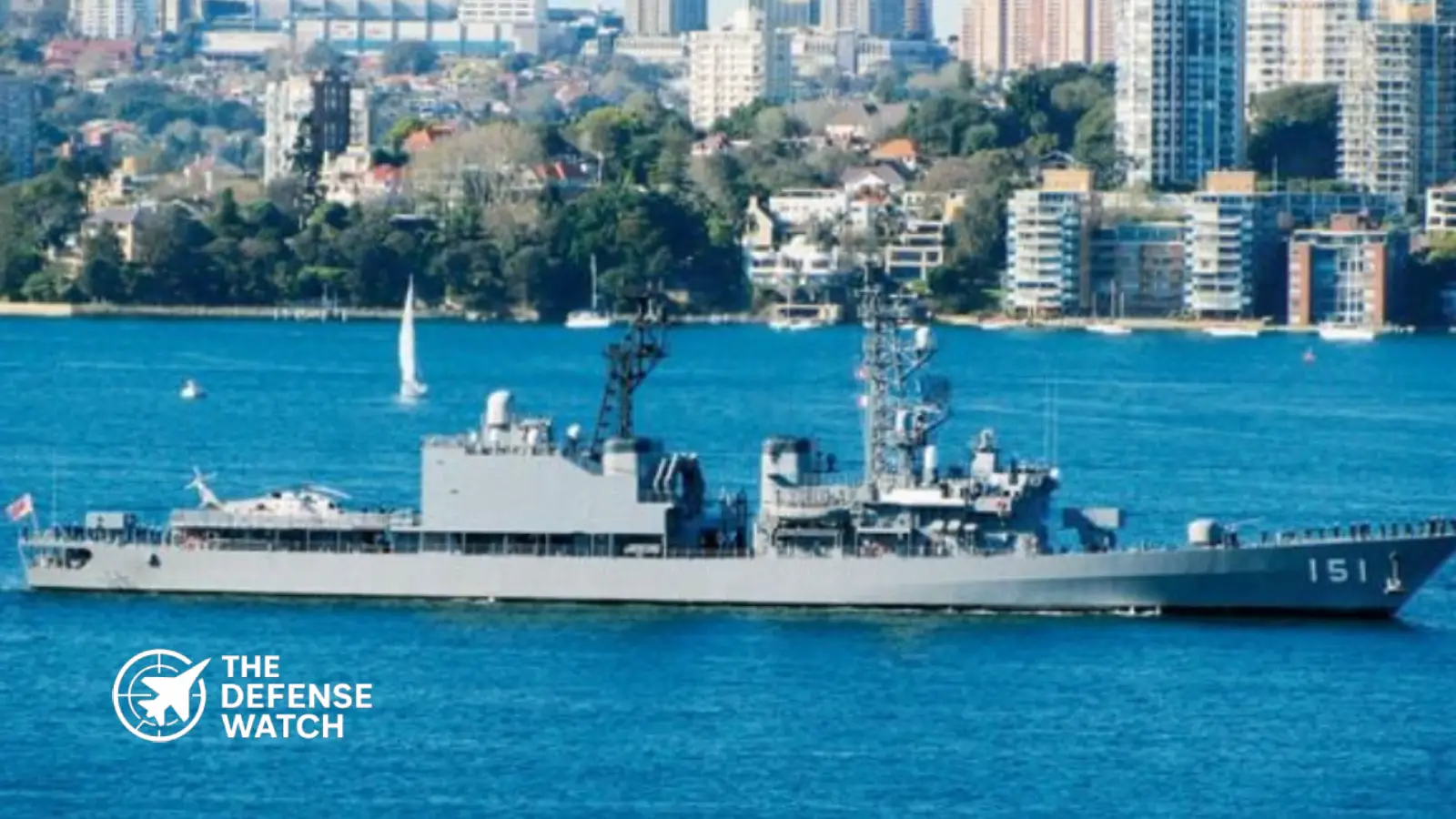
The potential Asagiri-class destroyer transfer has emerged as a significant development in Japan and Indonesia’s growing defense relationship, with both countries beginning formal negotiations on the future of several retired Japanese warships.
Japanese Defense Minister Shinjiro Koizumi and Indonesian Defense Minister Sjafrie Sjamsoeddin agreed during a meeting in Tokyo on June 5 to begin working-level discussions covering training, maintenance, sustainment, and operational integration associated with a possible transfer of Japan Maritime Self-Defense Force (JMSDF) Asagiri-class destroyers. According to Japan’s Ministry of Defense, the discussions will take place within a bilateral working group established following recent reforms to Japan’s defense export framework.
The move follows Tokyo’s decision to relax long-standing restrictions on defense exports, enabling the transfer of more capable military platforms to strategic partners. The discussions represent one of the clearest examples yet of Japan’s expanding role as a regional defense supplier.
What Indonesia Could Receive
The Asagiri-class consists of eight general-purpose destroyers that entered service between 1988 and 1991. Designed primarily for anti-submarine warfare (ASW), the ships served as a core element of Japan’s escort fleet for more than three decades.
Each vessel displaces approximately 4,900 tons at full load and is powered by a combined gas-and-gas turbine propulsion system capable of speeds around 30 knots. The ships carry anti-ship missiles, anti-submarine rockets, lightweight torpedoes, hull-mounted and towed-array sonar systems, and a flight deck supporting a single SH-60 helicopter.
While the vessels are no longer considered front-line destroyers by modern standards, they still offer substantial capabilities in maritime surveillance, escort missions, anti-submarine operations, and sea lane security.
Why the Transfer Matters
For Indonesia, the proposed transfer aligns with a broader effort to strengthen maritime capabilities across a vast area of responsibility spanning key waterways such as the Strait of Malacca, Sunda Strait, Lombok Strait, Natuna Sea, and other strategic maritime corridors.
Indonesia’s naval modernization strategy has increasingly focused on expanding surface combatant, submarine, and maritime surveillance capabilities. The country is simultaneously pursuing acquisitions from multiple international suppliers, including Italy, the United Kingdom, Türkiye, and France.
The addition of Asagiri-class destroyers could provide a near-term enhancement to Indonesia’s anti-submarine warfare capacity, an area receiving greater attention as submarine activity continues to grow across the Indo-Pacific region.
From Japan’s perspective, the initiative supports a wider strategy of strengthening defense cooperation with regional partners while creating long-term relationships centered on training, maintenance support, logistics, and interoperability. Similar defense cooperation efforts have recently involved countries such as Australia, the Philippines, and New Zealand.
Operational Challenges Remain
Despite their capabilities, the destroyers present several practical challenges.
Each vessel requires a crew of roughly 220 personnel, creating significant manpower demands. The ships are also between 35 and 38 years old, meaning future operators would need to address issues related to maintenance, modernization, spare parts availability, and long-term sustainment.
The gas-turbine propulsion system, while capable of delivering high speeds, generally requires specialized maintenance expertise and can be more resource-intensive than diesel-powered alternatives. Indonesian planners will likely evaluate whether the operational benefits outweigh lifecycle costs and logistical burdens.
As a result, current discussions are focused not only on transferring hulls but also on the broader support ecosystem necessary to keep the vessels operational throughout their remaining service life.
Strategic Implications for Southeast Asia
The talks underscore a broader transformation in regional defense cooperation. Japan’s evolving export policy is enabling closer military partnerships with like-minded nations seeking to enhance maritime security amid increasing strategic competition across the Indo-Pacific.
For Indonesia, acquiring retired but capable Japanese destroyers could provide an interim solution while larger modernization programs continue to mature. For Japan, the initiative offers an opportunity to expand defense influence through practical cooperation rather than solely through equipment sales.
No final transfer agreement has been announced, and both governments have emphasized that discussions remain focused on feasibility, training requirements, maintenance support, and operational integration. However, the launch of formal negotiations marks a notable step in the growing defense partnership between Tokyo and Jakarta and could become one of the most significant naval cooperation initiatives in Southeast Asia this year.
Executive Summary:
Leonardo’s Seaspray 7500E V2 radar has been selected to support Australia’s airborne maritime surveillance and border security missions. The radar will be integrated into aircraft operated by Metrea under the Australian Government’s Aerial Surveillance Service program, enhancing intelligence, surveillance, and reconnaissance coverage across vast maritime areas.
Leonardo Seaspray Radar Selected For Australian Surveillance Missions
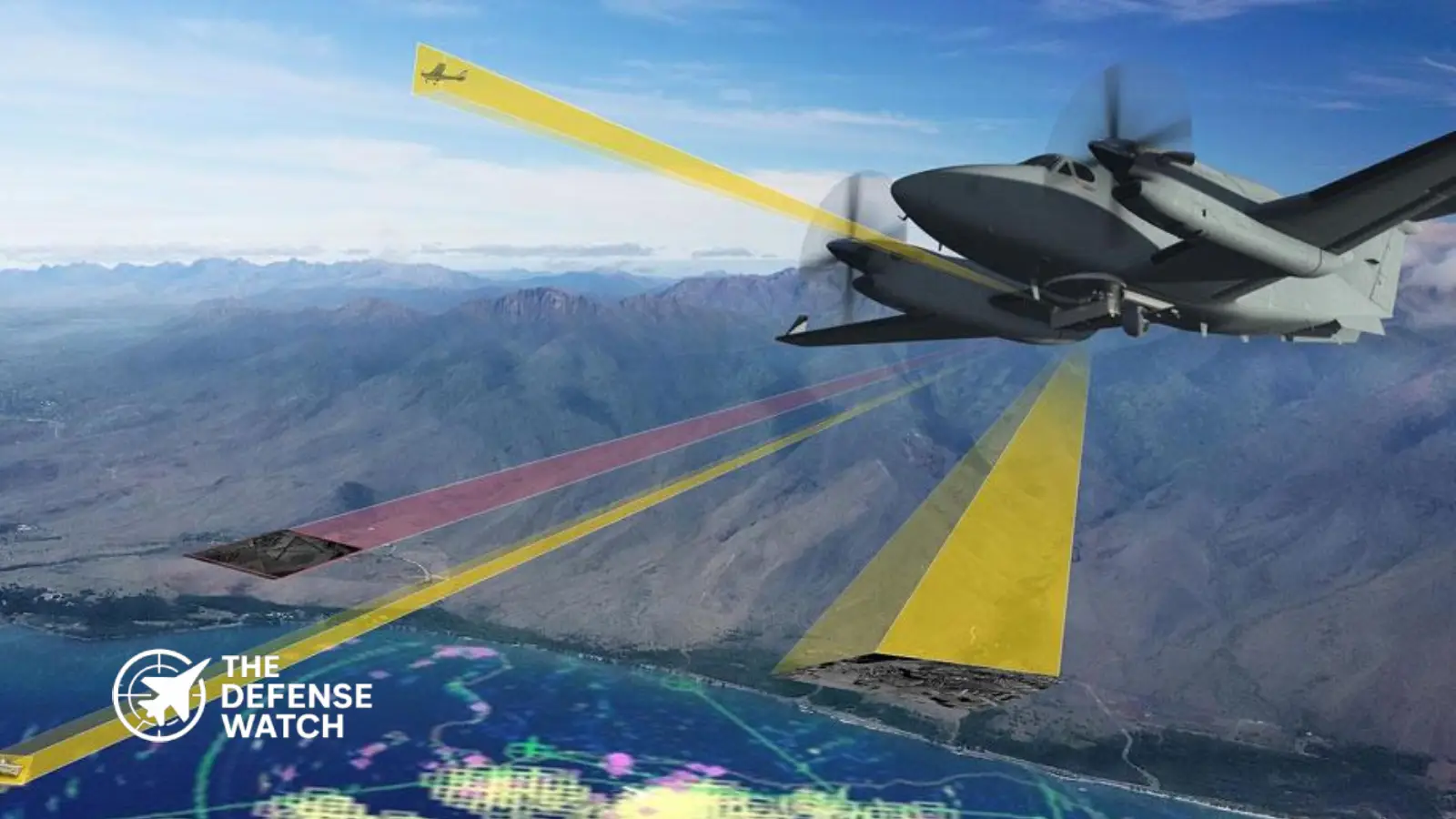
The Leonardo Seaspray radar has been chosen to provide airborne intelligence, surveillance, and reconnaissance (ISR) capabilities for Australia’s Department of Home Affairs and the Australian Border Force, marking another significant international deployment for the advanced AESA radar family.
According to Leonardo, the radar was selected by Metrea, a defense and security services provider that will deliver surveillance operations to the Australian Government under the country’s Aerial Surveillance Service program. Metrea is expected to operate a fleet of 11 fully crewed aircraft performing both short and long-range surveillance missions across Australia’s extensive maritime approaches.
The variant selected for the program is the Seaspray 7500E V2, one of Leonardo’s latest maritime surveillance radar systems.
Advanced AESA Radar For Maritime Domain Awareness
The Leonardo Seaspray radar belongs to a family of Active Electronically Scanned Array (AESA) radars designed for air, maritime, and land surveillance missions. Unlike mechanically scanned radars, AESA systems electronically steer radar beams, allowing rapid switching between multiple operating modes without moving antenna components.
This architecture provides several operational advantages:
- Long-range maritime search
- Simultaneous tracking of multiple targets
- Synthetic Aperture Radar (SAR) imaging
- Ground mapping capabilities
- Moving target detection
- High-speed mode switching during complex missions
Leonardo states that the radar can detect contacts at ranges extending hundreds of nautical miles while generating detailed imagery and tracking data for operators.
Small Target Detection Supports Border Security Missions
One of the most notable capabilities of the Seaspray 7500E V2 is its Small Target Mode, designed to detect low-signature objects in challenging maritime environments.
According to Leonardo, the system can identify small boats, individuals in the water, and other difficult-to-detect targets at significant ranges, even in rough sea conditions. This capability is particularly relevant for Australia’s maritime security requirements, which include border protection, search and rescue operations, fisheries monitoring, and monitoring of remote ocean regions.
Given Australia’s responsibility for one of the world’s largest maritime surveillance zones, the ability to detect small vessels over vast distances remains a critical operational requirement.
Why The Selection Matters
The selection highlights a growing trend among government agencies and security operators toward advanced airborne surveillance systems capable of covering large maritime areas without requiring dedicated military aircraft fleets.
Rather than purchasing and operating its own ISR aircraft, Australia is increasingly leveraging contractor-operated surveillance services. Under this model, companies such as Metrea provide aircraft, crews, and mission systems while delivering surveillance data directly to government agencies.
This approach can provide operational flexibility while accelerating the introduction of new sensor technologies.
For Leonardo, the award further strengthens its position in the global maritime surveillance market. The Seaspray radar family has already been integrated onto fixed-wing aircraft, helicopters, and uncrewed platforms. The radar has also been selected for integration on platforms such as the MQ-9B SeaGuardian, demonstrating its adaptability across multiple mission sets.
Leonardo’s Longstanding Presence In Australia
Leonardo maintains a significant presence in Australia across both defense and civil aviation sectors. The company has supplied aircraft, helicopters, surveillance technologies, and support services to Australian operators for decades. Its AW139 helicopter fleet is widely used throughout the country for search and rescue, law enforcement, offshore operations, and government missions.
The latest Seaspray radar selection further expands that footprint while reinforcing Australia’s investment in advanced maritime domain awareness capabilities.
Strategic Outlook
The Leonardo Seaspray radar award reflects the increasing importance of persistent airborne surveillance as governments seek greater visibility over maritime approaches, critical infrastructure, and border regions.
As maritime security challenges continue to evolve across the Indo-Pacific, sensors capable of detecting small targets, generating high-resolution imagery, and operating across multiple mission profiles are becoming essential tools for national security agencies.
For Australia, the addition of the Seaspray 7500E V2 provides another layer of surveillance capability aimed at improving situational awareness across one of the world’s largest and most strategically important maritime regions.
Executive Summary:
Tycho.AI has been awarded an 18-month, $2 million Tactical Funding Increase (TACFI) contract by the U.S. Air Force Research Laboratory (AFRL) to accelerate development of its Voyager autonomy stack under the TRIDENT program. The effort focuses on delivering robust multi-domain navigation and long-range ISR capabilities for overland and over-the-water operations in GPS-Denied, Degraded, Intermittent, and Limited (GPS-DDIL) environments.
This award, credited directly to AFRL contracting activity, builds directly on the company’s prior AFWERX SBIR Phase II work and SOFWERX efforts, targeting the critical “Valley of Death” transition from prototype to operational integration for tactical edge systems.
Deep Technical & Strategic Context Analysis
TACFI is a targeted AFWERX/AFRL mechanism designed to bridge SBIR/STTR Phase II prototypes to Phase III scaling and operational adoption. Unlike broader acquisition pathways, TACFI provides rapid, modest funding (typically $375K–$2M over up to 24 months) with matching requirements to de-risk and accelerate tactical capabilities that address immediate operational needs, minimizing bureaucratic delays common in traditional DoD procurement.
The strategic imperative is acute. Modern peer adversaries, particularly in the Indo-Pacific and European theaters, have invested heavily in electronic warfare (EW) systems capable of widespread GPS jamming and spoofing. Over featureless maritime domains—where visual landmarks are scarce and celestial or magnetic alternatives offer limited precision—traditional inertial navigation systems suffer from unbounded drift. Small unmanned aircraft systems (sUAS) operating at low altitude and high speed become especially vulnerable, risking mission failure or loss in extended ISR, targeting, or attritable strike roles.
Tycho.AI’s Voyager stack addresses this through a low-SWaP (size, weight, and power) hardware-software solution that fuses AI-driven visual-inertial odometry (VIO), sensor fusion with monocular/stereo cameras and IMUs, satellite/map matching, and real-time perception. Engineered with a Modular Open Systems Approach (MOSA), it enables precise localization (<1% drift in many scenarios), autonomous waypoint navigation, multi-agent coordination, and edge decision-making without persistent communications or external aids. Integration with FANTOM middleware further eases insertion into existing USAF architectures.
As of 2026, this capability aligns with broader Department of the Air Force priorities for contested logistics, Joint All-Domain Command and Control (JADC2), and attritable autonomous systems. Maritime autonomy in GPS-DDIL conditions is particularly vital for supporting distributed operations around Taiwan, the South China Sea, or NATO’s eastern flank, where carrier strike groups and expeditionary forces require resilient ISR and resupply under heavy EW pressure.
Contract Breakdown & Details
- Contract Vehicle & Value: 18-month Tactical Funding Increase (TACFI) valued at $2 million from AFRL.
- Program Name: TRIDENT (Tracking & Resilient Inertial-Derived Estimation for Naval Targets).
- Primary Objectives: Mature Voyager for rotary- and fixed-wing platforms; conduct test flights and experimentation across environmental conditions; validate autonomous waypoint traversal, multi-agent coordination, mission-level autonomy, and resilient perception in overland and maritime domains.
- Technical Scope: Vision-based navigation maturation, integration with FANTOM middleware, long-range ISR solutions in GPS-DDIL environments.
- Builds On: Prior $1M AFWERX SBIR Phase II (2024) for high-precision low-SWaP autonomy and SOFWERX A2E FANTOM integration.
Executive Summary:
Germany and Norway have expanded their bid for Canada’s future submarine fleet by offering a major economic and industrial package tied to the Type 212CD submarine program. The proposal includes up to $86 billion in projected economic benefits, new defense manufacturing facilities, and long term industrial investments aimed at strengthening Canada’s naval and Arctic capabilities.
Germany Expands Type 212CD Offer For Canada’s Submarine Program
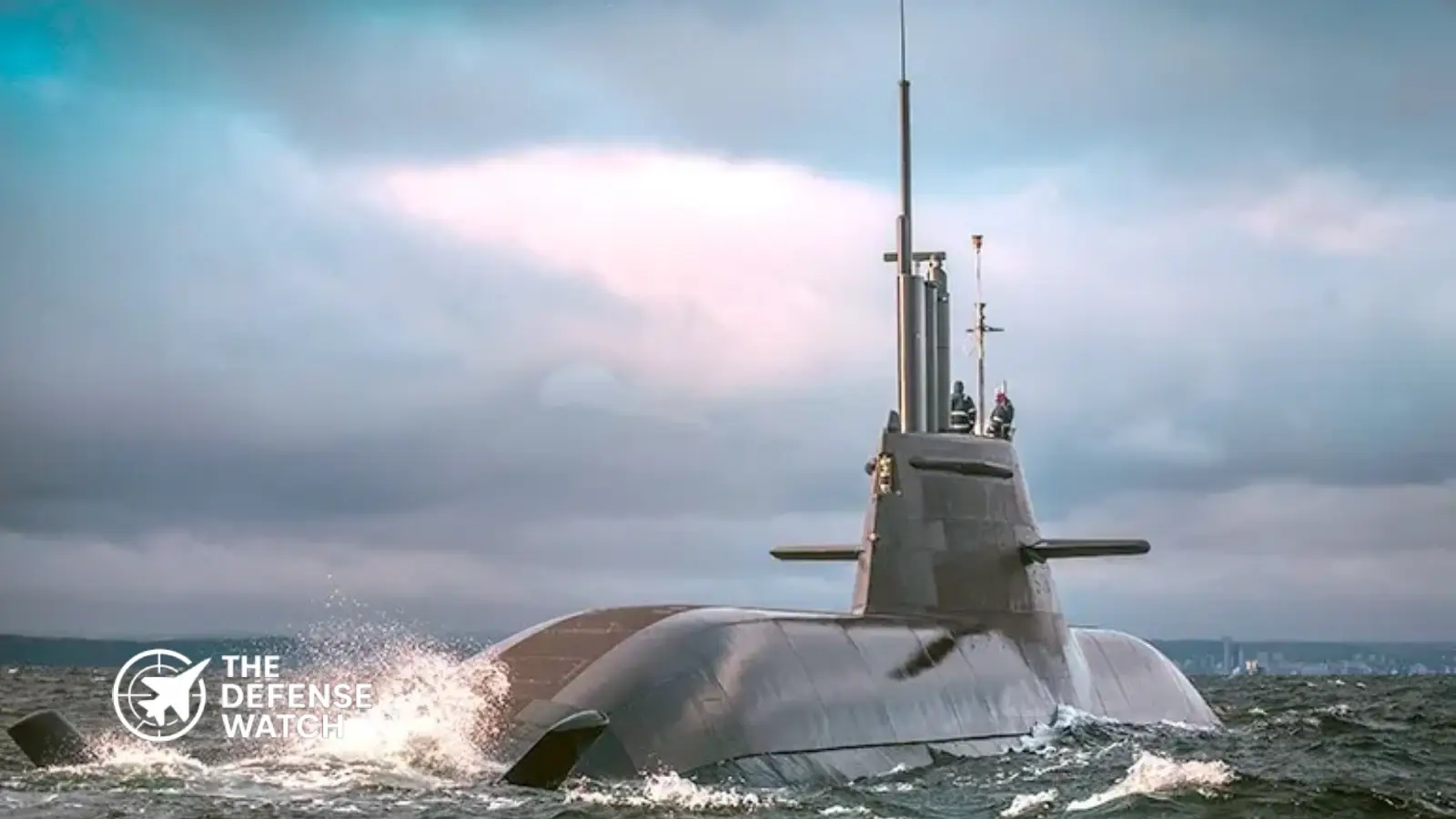
Canada’s submarine program has entered a critical phase as Germany and Norway intensify efforts to secure Ottawa’s future fleet requirement with the Type 212CD submarine.
The proposal, led by German shipbuilder TKMS and backed by both European governments, combines military procurement with a large industrial investment package designed to strengthen Canada’s economy, defense sector, and long term maritime capabilities.
According to information reported by CBC News and referenced during the CANSEC defense exhibition in Ottawa, the German-led proposal could contribute as much as C$86 billion to Canada’s gross domestic product while supporting tens of thousands of jobs across multiple sectors.
The offer comes as Canada evaluates competing proposals under the Canadian Patrol Submarine Project (CPSP), a program expected to replace the Royal Canadian Navy’s aging Victoria-class submarines with up to 12 new conventionally powered boats.
Industrial Benefits Become Central To Competition
While submarine performance remains a key factor, industrial participation has become one of the most important elements of the competition.
Canada is expected to build the future fleet overseas, increasing pressure on bidders to provide substantial domestic economic returns. Germany’s proposal addresses this requirement through a broad package of defense and civilian investments.
The plan reportedly includes:
- Two submarine maintenance facilities located on Canada’s Atlantic and Pacific coasts
- Domestic manufacturing capabilities for heavy torpedoes and anti-torpedo systems
- Production facilities for submarine propulsion components and batteries
- Partnerships with Indigenous development organizations
- Potential hypersonic missile testing and manufacturing infrastructure
- Investments in critical minerals and transportation projects
German officials have also proposed investments in Manitoba’s Port of Churchill and carbon capture initiatives in Alberta, extending the economic package beyond traditional defense procurement.
According to figures presented during the bid process, the project could generate roughly 50,000 jobs annually over the first five years and more than 650,000 job-years throughout the program’s lifecycle.
Type 212CD Targets Arctic And NATO Operations
The Type 212CD is being jointly developed by Germany and Norway as a next-generation conventional submarine optimized for operations in northern waters and the North Atlantic. The platform features air independent propulsion, low acoustic signatures, and a design intended for extended underwater endurance.
For Canada, the submarine’s Arctic suitability has become a major selling point.
The Royal Canadian Navy faces growing pressure to maintain undersea presence across the Arctic, Atlantic, and Pacific regions as strategic competition intensifies in the High North. A future fleet capable of operating in harsh northern environments is increasingly viewed as essential for sovereignty patrols, intelligence gathering, and alliance commitments.
Germany and Norway have framed their proposal as more than a procurement deal, presenting it as an opportunity for Canada to join an existing multinational submarine community with shared training, sustainment, and future modernization pathways.
Strategic Implications Reach Beyond Procurement
The submarine decision carries geopolitical significance beyond naval modernization.
Defense analysts have noted that selecting the German-Norwegian proposal would deepen Canada’s defense integration with European NATO partners at a time when Arctic security and transatlantic cooperation are gaining renewed attention.
German Defense Minister Boris Pistorius has personally promoted the bid, describing it as a long term strategic partnership linking Canadian, German, and Norwegian industrial and defense interests. His direct involvement highlights the importance Berlin places on securing one of the largest submarine competitions currently underway among NATO nations.
At the same time, South Korea’s Hanwha Ocean remains a strong competitor with its KSS-III submarine proposal. The Korean design benefits from an active production line and has been marketed as a lower risk delivery option. Recent demonstrations and naval engagements involving the KSS-III have reinforced Seoul’s effort to showcase operational maturity.
Delivery Timeline Remains A Key Decision Factor
One of the most pressing concerns for Ottawa is avoiding a capability gap as the Victoria-class fleet approaches retirement.
To address this issue, Germany and Norway have proposed reallocating submarine production slots from their own national orders, allowing Canada to receive four Type 212CD submarines by 2036. The move directly responds to concerns about schedule risk and seeks to match delivery timelines offered by competing bidders.
The Canadian government has indicated that a final decision on the submarine competition could be made by the end of June, making the coming weeks critical for both bidders.
Analysis
The German offer reflects a broader trend in modern defense procurement, where industrial participation, technology transfer, and strategic partnerships increasingly influence contract decisions as much as military performance.
Rather than marketing the Type 212CD solely as a submarine, Berlin and TKMS are presenting the platform as part of a wider economic and geopolitical framework. This approach aligns with Canada’s growing emphasis on domestic industrial benefits and long term strategic resilience.
Whether Ottawa prioritizes NATO integration through the German-Norwegian partnership or favors South Korea’s established production capabilities may ultimately determine the future direction of Canada’s undersea warfare strategy for decades to come.