Executive Summary:
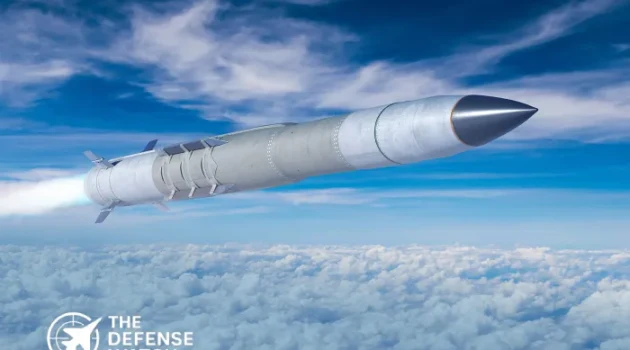
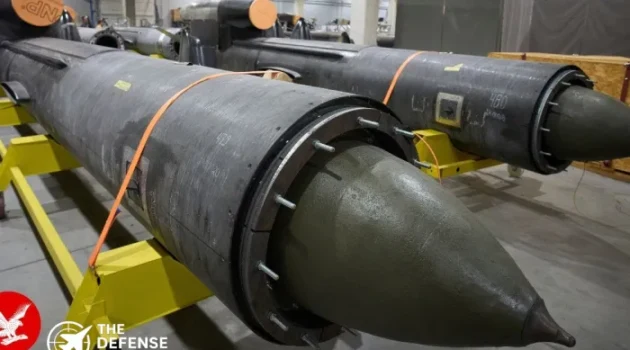
Ukraine has set an ambitious goal of producing a prototype of its jointly developed European anti ballistic missile defense system, codenamed Freyja, by mid 2027. The multinational effort seeks to combine Ukrainian interceptor technology with European radar, sensor, and command systems to create a more sustainable regional missile defense capability.
Ukraine Targets Mid 2027 Prototype For Freyja Missile Defense System
Ukraine’s Freyja missile defense system program has entered a new phase as Kyiv pushes to complete a working prototype by the middle of 2027, according to senior Ukrainian officials overseeing the initiative. The announcement reflects a broader European effort to strengthen defenses against increasingly sophisticated ballistic missile attacks while reducing reliance on limited inventories of existing Western interceptor systems.
Davyd Aloian, Deputy Secretary of Ukraine’s National Security and Defence Council, said an international steering committee will soon begin estimating research and development costs for the project. The committee follows the official launch of the anti ballistic coalition at a summit in Paris attended by leaders from 10 European nations and major defense companies.
Freyja Is Designed As A Collaborative European Missile Shield
Unlike traditional defense procurement programs led by a single nation, Freyja is being developed as a multinational architecture.
According to Ukrainian officials:
- Ukraine will provide the launcher and interceptor missile.
- European partners will contribute radar technologies, sensors, guidance systems, and command networks.
- The architecture is intended to remain open, allowing participating countries to integrate nationally developed components.
Companies participating in the initiative include:
Organization Expected Contribution Fire Point (Ukraine) Launcher and interceptor development HENSOLDT (Germany) Radar cooperation Leonardo Sensor and defense technologies Thales Air defense systems expertise Saab Radar and surveillance capabilities Eurosam Missile defense integration expertise Why Ukraine Wants A New Missile Defense System
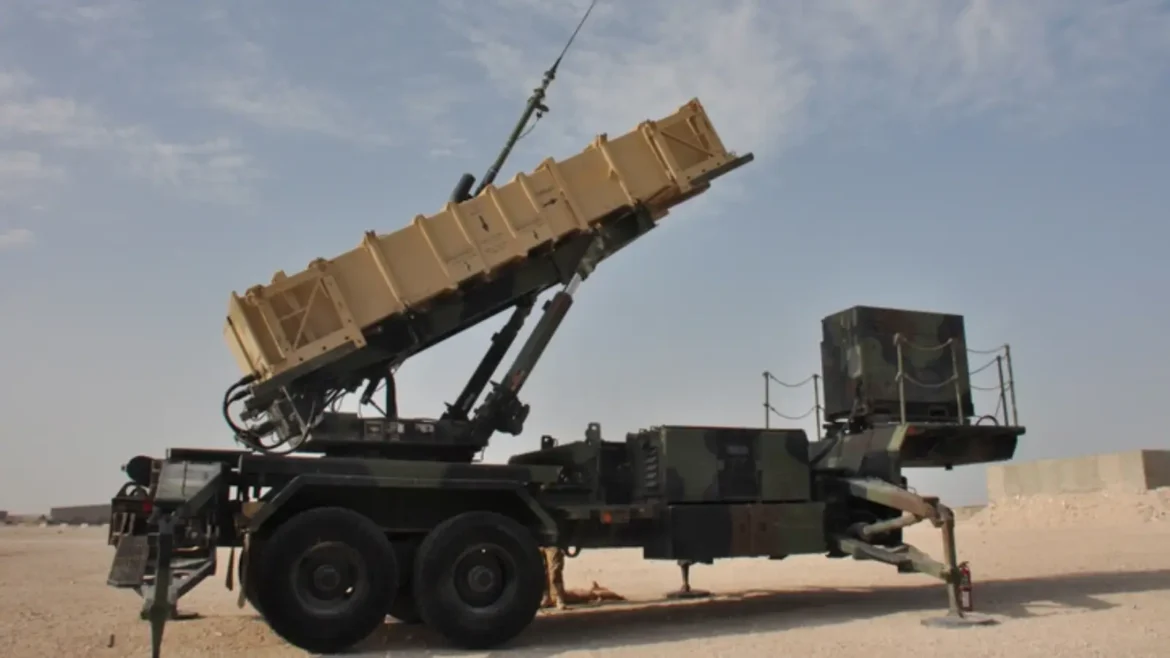
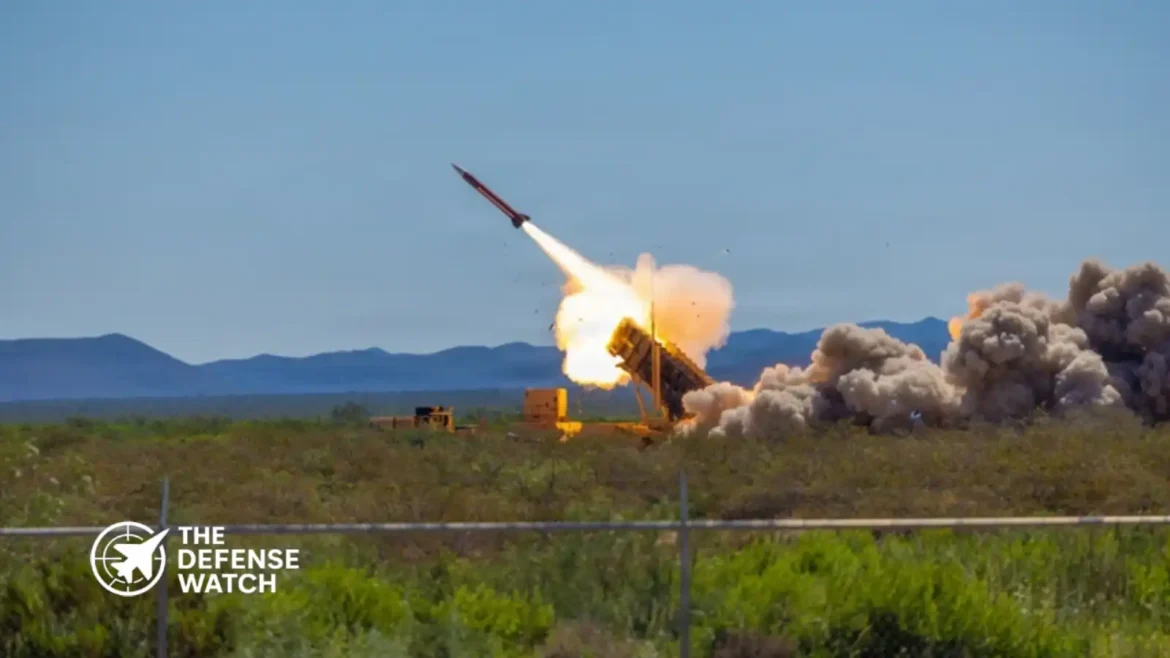
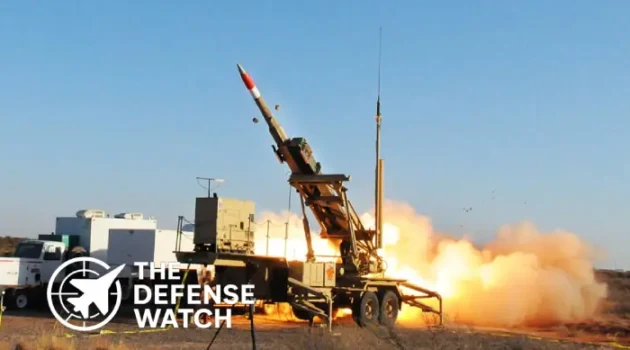
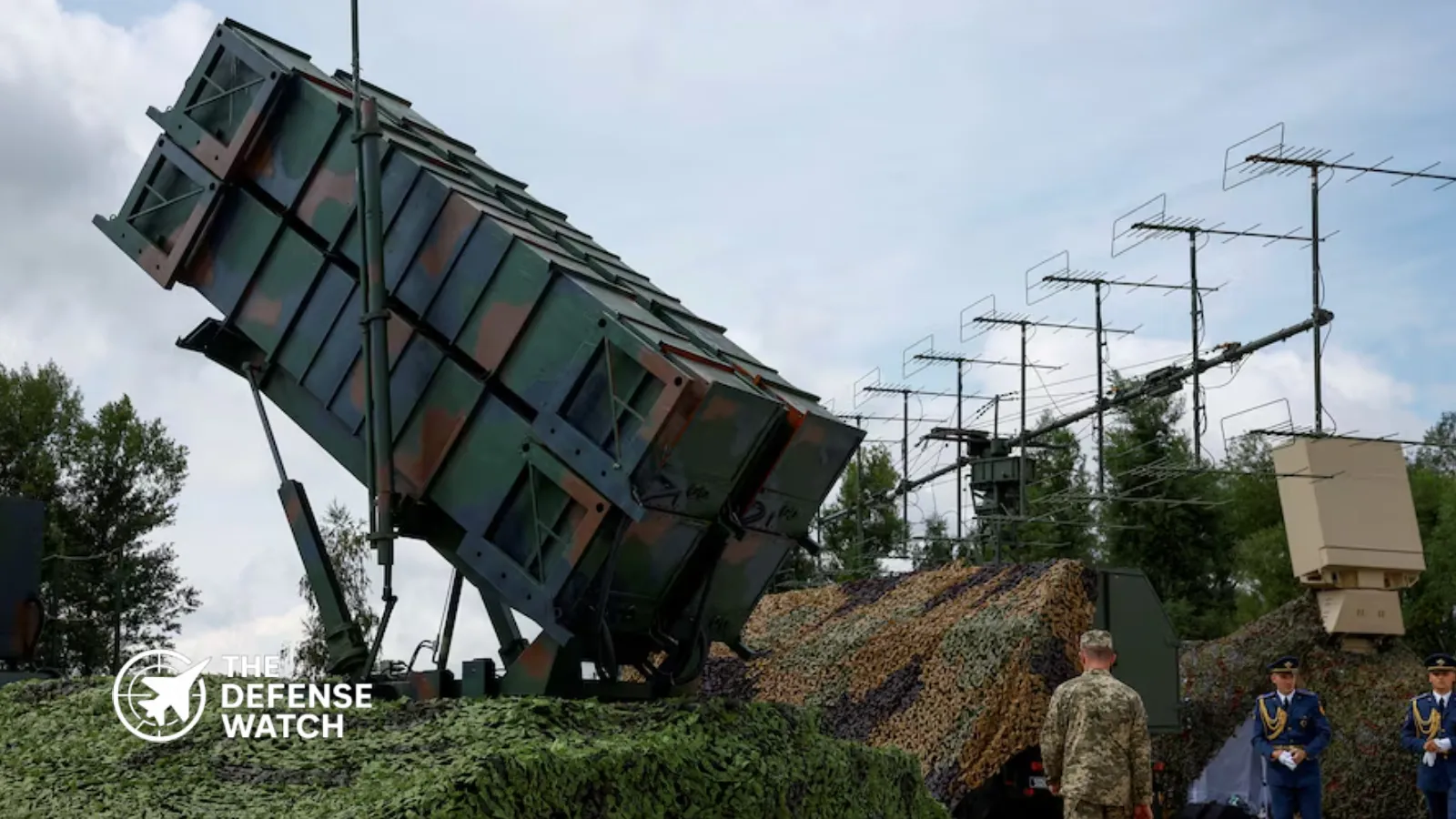
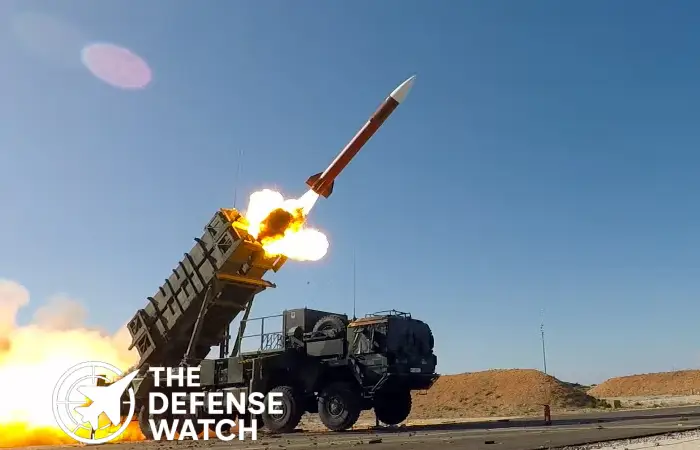
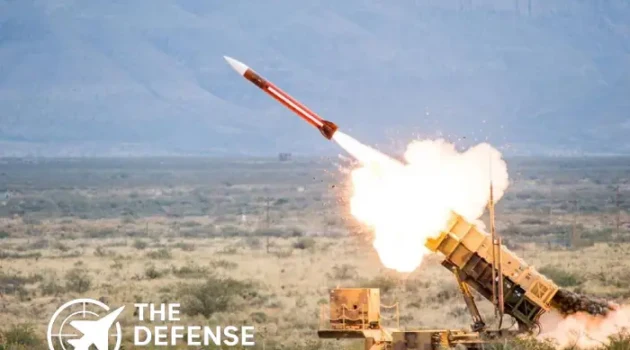
Ukraine currently depends heavily on the U.S. made Patriot air defense system to intercept Russian ballistic missiles.
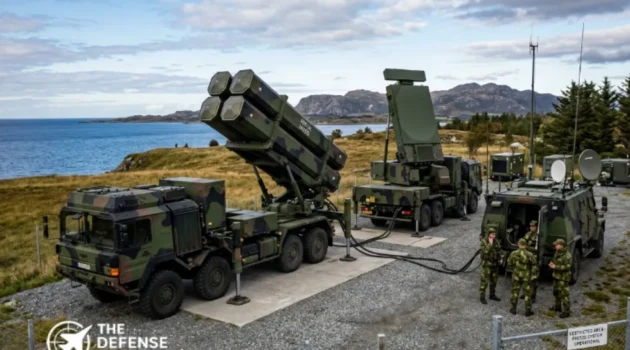
While other European systems such as SAMP/T and IRIS T have demonstrated strong performance against aircraft, cruise missiles, and drones, Patriot remains the only system with an established operational record against the most demanding ballistic missile threats currently facing Ukraine.
Developing Freyja is intended to:
- Expand European missile defense capacity.
- Reduce dependence on limited Patriot interceptor stocks.
- Increase industrial production within Europe.
- Create a scalable architecture that participating nations can customize.
Open Architecture Could Become Freyja’s Biggest Advantage
One of the program’s most significant design features is its open architecture approach.
Instead of requiring every participating nation to purchase identical equipment, Freyja is expected to allow countries to integrate domestically produced:
- Early warning radars
- Fire control sensors
- Battle management software
- Communications systems
- Command and control networks
This approach could reduce procurement costs while allowing European defense industries to contribute specialized technologies rather than replacing existing national capabilities.
Industrial Cooperation Reflects Europe’s Broader Defense Strategy
The Freyja initiative also reflects a broader trend toward multinational European defense production.
Rather than relying solely on emergency weapons transfers, participating governments are increasingly pursuing collaborative development programs that distribute manufacturing across multiple countries.
Ukraine is reportedly considering establishing a dedicated funding mechanism to streamline financial contributions from partner nations while accelerating research and production.
Analysis: Why Freyja Matters Beyond Ukraine
Beyond its immediate role in protecting Ukrainian airspace, Freyja represents a notable shift in European missile defense planning.
For years, European integrated air and missile defense has depended heavily on U.S. supplied capabilities, particularly Patriot interceptors. Growing operational demand, expanding missile inventories among potential adversaries, and pressure on interceptor production have highlighted the need for additional capacity.
A collaborative system that combines Ukrainian operational experience with European industrial expertise could diversify missile defense options across NATO’s eastern flank. It may also encourage greater interoperability among participating nations through common command standards while preserving flexibility for national equipment choices.
However, significant technical challenges remain before Freyja reaches operational service. Integrating interceptors, advanced tracking radars, guidance systems, and battle management software into a reliable anti ballistic architecture requires extensive testing under realistic conditions. Producing sufficient interceptor inventories at sustainable costs will also be essential if the system is to complement, rather than simply duplicate, existing missile defense capabilities.
The program’s success will therefore depend not only on engineering milestones but also on sustained political commitment, industrial coordination, and long term funding from participating European governments.
Development Timeline
Milestone Status Anti ballistic coalition launched July 2026 International steering committee Expected to convene shortly Minimum viable product target First half of 2027 Prototype objective Mid 2027 Long term operational development To be determined after testing Outlook
If development remains on schedule, Freyja could become one of Europe’s most significant collaborative missile defense initiatives in decades. Although still in its early development phase, the project reflects growing momentum toward expanding indigenous European missile defense capabilities while incorporating Ukraine’s wartime operational experience into future air and missile defense architecture.
Executive Summary:
Ukraine is seeking U.S. approval to locally manufacture Patriot PAC-3 MSE interceptor missiles as Russian ballistic missile attacks continue to place heavy pressure on existing air defense inventories. President Volodymyr Zelenskyy confirmed that Kyiv is pursuing production licenses from Washington while simultaneously exploring the development of a domestic anti-ballistic missile capability. The request highlights a broader challenge facing the United States and its allies: demand for advanced missile defense interceptors is growing faster than current production capacity.
Ukraine Pushes For Patriot PAC-3 MSE Production Capability
Ukraine has formally intensified efforts to obtain a production license for the Patriot PAC-3 Missile Segment Enhancement (MSE), one of the most advanced operational missile defense interceptors in the Western arsenal.
Speaking during a joint appearance with Swedish Prime Minister Ulf Kristersson, Ukrainian President Volodymyr Zelenskyy stated that Kyiv wants its defense industry to receive authorization to manufacture PAC-3 missiles domestically. According to Zelenskyy, Patriot remains the only combat-proven Western system currently capable of reliably countering ballistic missile attacks targeting Ukrainian cities and infrastructure.

Zelenskyy said discussions on the issue began during the Biden administration and would continue with the Trump administration, emphasizing Ukraine’s long-term goal of securing both missile supplies and sovereign production capability.
The request comes as Russia continues to employ a mix of ballistic missiles, cruise missiles, drones, and high-speed strike systems against Ukrainian targets, creating sustained demand for high-end interceptors.
Why PAC-3 MSE Matters To Ukraine’s Air Defense Network
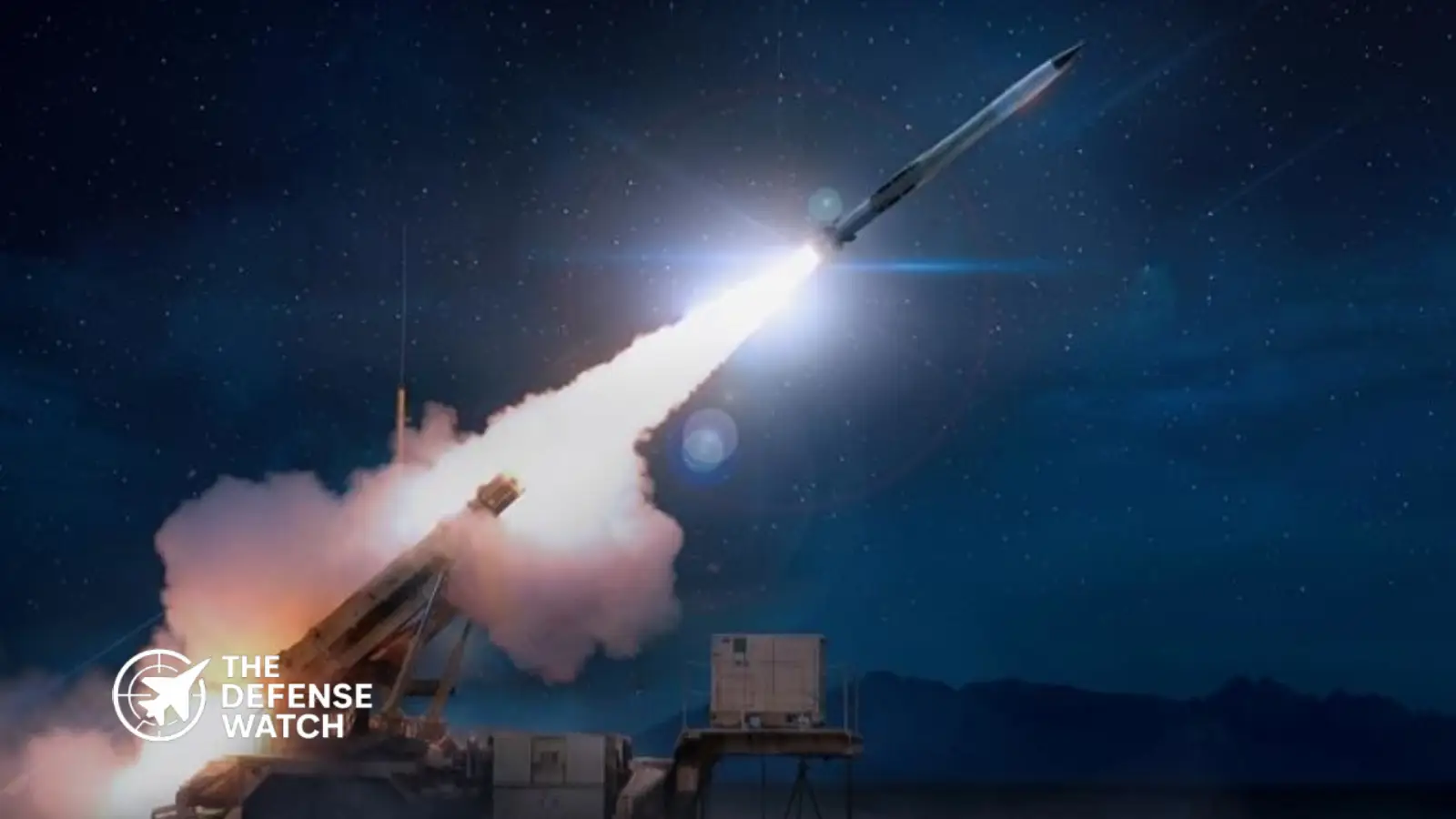
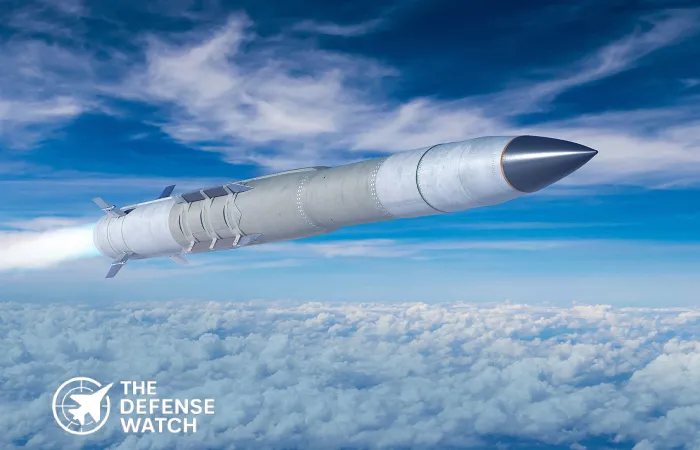
The PAC-3 MSE interceptor is the most advanced missile currently fielded within the Patriot family for ballistic missile defense missions.
Unlike traditional surface-to-air missiles that rely primarily on blast fragmentation warheads, PAC-3 MSE uses a hit-to-kill approach, destroying incoming targets through direct kinetic impact. The missile is specifically designed to engage tactical ballistic missiles, cruise missiles, and advanced aerial threats.
Key PAC-3 MSE Characteristics
Capability Details Primary Mission Ballistic missile defense Intercept Method Hit-to-kill kinetic impact Compatible System MIM-104 Patriot Target Set Ballistic missiles, cruise missiles, aircraft Major Manufacturer Lockheed Martin Current Production Expansion Planned growth from roughly 600 to 2,000 missiles annually Sources: U.S. Army, Lockheed Martin, Pentagon announcements.
Ukraine has repeatedly credited Patriot batteries with intercepting Russian ballistic missile attacks, including engagements against Iskander-class systems and other high-speed threats. Germany has also transferred additional PAC-3 interceptors to support Ukraine’s air defense operations.
The Industrial Challenge Behind Patriot Missile Demand
Ukraine’s request arrives at a time when the United States is already undertaking a major expansion of Patriot interceptor production.
In January 2026, the Pentagon and Lockheed Martin announced a framework agreement intended to increase PAC-3 MSE production from approximately 600 missiles annually to roughly 2,000 per year over a seven-year period. The initiative represents one of the most significant missile production expansions undertaken by the U.S. defense industrial base since the start of the Ukraine war.

The effort gained additional momentum in April when the U.S. Army awarded Lockheed Martin a $4.76 billion contract action to accelerate production and strengthen supply chain capacity for the interceptor. According to Army officials, expanded output is intended to support both U.S. military requirements and allied demand.
Notably, roughly 94 percent of the initial funding associated with that production effort came through Foreign Military Sales channels, demonstrating that international demand has become a major driver of Patriot manufacturing growth.
Strategic Implications Of A Ukrainian Production License
A licensed production arrangement would represent a major shift in how advanced U.S. missile defense technology is shared with partner nations.
For Ukraine, local manufacturing could provide several advantages:
- Reduced dependence on foreign deliveries.
- Faster replenishment of interceptor stocks.
- Greater resilience during prolonged conflict.
- Expansion of Ukraine’s domestic defense industrial base.
- Potential integration into future European missile defense supply chains.
However, obtaining a PAC-3 production license would involve significant technical, industrial, and political hurdles.
PAC-3 MSE contains sensitive guidance technologies, propulsion systems, seekers, and software components that fall under strict U.S. export controls. Any production arrangement would likely require extensive government oversight, technology security measures, and congressional support.
Even if approved, establishing a complete production ecosystem could take years. Manufacturing advanced missile interceptors requires highly specialized facilities, secure supply chains, precision electronics production, rocket motor manufacturing capacity, and rigorous testing infrastructure.
Growing Allied Interest In Local Patriot Production
Ukraine is not the only country seeking deeper involvement in Patriot missile manufacturing.
Several NATO allies are pursuing expanded industrial participation in Patriot-related production as demand for missile defense systems grows across Europe. Reports in recent weeks indicate Poland has received preliminary approval to explore domestic Patriot missile manufacturing opportunities, while Germany has also expanded its involvement in Patriot-related industrial programs.
This reflects a broader trend within NATO toward regionalizing portions of missile production to reduce bottlenecks and increase resilience during major conflicts.
The shift is particularly significant because interceptor availability has increasingly become the limiting factor in missile defense operations. Modern Patriot batteries can only remain effective if sufficient reload inventories are available to sustain combat operations during prolonged missile attacks.
What This Means For U.S. And Allied Missile Defense Strategy
The significance of Ukraine’s request extends beyond the battlefield.
For Washington, the proposal underscores a growing reality across multiple theaters, including Eastern Europe, the Middle East, and the Indo-Pacific. Missile defense demand is rising faster than traditional production models were designed to support.
The Pentagon’s ongoing expansion of PAC-3 MSE manufacturing capacity reflects this challenge. U.S. planners are attempting to balance domestic requirements, allied procurement programs, and wartime support commitments simultaneously.
Ukraine’s push for licensed production therefore highlights a larger strategic question facing Western defense planners: whether future missile defense architectures will rely primarily on centralized U.S. production or evolve toward a distributed allied manufacturing model.
As missile threats continue to proliferate globally, industrial capacity may become just as important as launcher numbers or radar performance. The ability to rapidly produce and replenish interceptors is increasingly emerging as a central element of modern air and missile defense strategy.
Executive Summary:
Russia launched 216 drones across Ukraine overnight after a temporary U.S.-brokered ceasefire expired, according to Ukrainian officials. The attacks targeted residential areas, energy infrastructure, and public facilities, underscoring the continued role of mass drone warfare in the conflict and the fragile state of diplomatic efforts.
Russia Drone Attacks Ukraine Intensify After Ceasefire Ends
Russia launched one of its largest overnight drone attacks in recent weeks just hours after a three-day ceasefire brokered by U.S. President Donald Trump expired at midnight Monday, according to Ukrainian officials.
Ukraine’s air force said Russia deployed 216 drones across the country beginning at approximately 6 p.m. Monday. Ukrainian air defense units reportedly intercepted or neutralized 192 of the incoming drones during overnight operations.
The strikes nevertheless caused damage across multiple regions, hitting residential buildings, transportation infrastructure, and civilian facilities. Ukrainian President Volodymyr Zelenskyy described the renewed assault as a deliberate decision by Moscow to “end the partial silence that had lasted for several days.”
The attacks highlight how drone warfare continues to shape operational tempo in the Russia-Ukraine conflict, particularly as both sides rely increasingly on long-range unmanned systems to pressure infrastructure and civilian logistics networks.
Residential Areas And Infrastructure Targeted
In the Dnipropetrovsk region, regional military administration head Oleksandr Ganzha said Russian forces attacked five districts more than 20 times using drones, artillery, and aerial bombs. One civilian was killed and at least four others were injured during the strikes.
In Kyiv, a Russian drone struck a 20-storey residential building, according to local officials. Damage was also reported in the nearby Fastiv region, where a kindergarten, a four-storey residential building, and two private homes were hit.
Ukrainian authorities additionally reported more than 80 aerial bombs and over 30 air strikes nationwide during the same period.
The scale of the overnight assault reflects Russia’s continued emphasis on saturation attacks designed to overwhelm Ukrainian air defenses. Since late 2023, Moscow has steadily expanded combined drone and missile strike packages, integrating Iranian-designed Shahed-type drones alongside domestically produced systems.
Ukraine Air Defense Remains Under Pressure
Despite Ukraine’s reported interception rate, the volume of drones launched demonstrates the sustained pressure facing the country’s air defense network.
Ukraine’s layered defense architecture, built around Western-supplied systems including Patriot Missile System batteries and other short-range interceptors, has proven effective against many incoming threats. However, Ukrainian officials have repeatedly warned that Russia’s strategy increasingly relies on mass launches intended to exhaust interceptor inventories and force defensive dispersal.
The latest attacks also underscore the growing importance of low-cost unmanned systems in modern conflict. Drone warfare has become central to operational planning for both Russia and Ukraine, allowing long-range strikes without committing manned aircraft deep into contested airspace.
Military analysts note that Russia’s expanding drone production capacity has enabled more frequent large-scale attacks targeting energy grids, transportation hubs, and urban infrastructure. Ukraine, meanwhile, continues investing heavily in electronic warfare systems and mobile interception teams to counter the threat.
Ceasefire Breakdown Raises Questions Over Diplomatic Efforts
The renewed strikes came immediately after the expiration of the temporary ceasefire initiative reportedly brokered by the United States. While the pause had reduced large-scale attacks for several days, no long-term agreement was reached between Moscow and Kyiv.
The rapid return to high-intensity drone operations illustrates the limited durability of short-term ceasefire arrangements without broader political negotiations or enforcement mechanisms.
For Washington and its allies, the collapse of the temporary truce reinforces concerns that the conflict is entering another prolonged phase of attritional warfare dominated by drones, artillery, and long-range strikes.
The latest escalation may also intensify discussions among NATO members regarding additional air defense assistance and interceptor production capacity for Ukraine, particularly as Russia maintains pressure through sustained aerial campaigns.
Strategic Implications Of Russia’s Drone Campaign
Russia’s ability to launch more than 200 drones in a single overnight operation signals continued industrial adaptation despite sanctions and export restrictions.
The increasing frequency of these attacks suggests Moscow views drone saturation tactics as a cost-effective method to strain Ukrainian defenses while sustaining pressure on civilian infrastructure and public morale.
For Ukraine, maintaining interception rates while protecting critical infrastructure remains a major operational challenge. Air defense effectiveness depends not only on advanced missile systems but also on radar coverage, electronic warfare integration, and the availability of interceptor munitions.
As the conflict evolves, unmanned aerial systems are likely to remain one of the defining features of the battlefield, shaping both military operations and geopolitical calculations across Europe.
Executive Summary:
Norway has committed approximately $302 million to support Ukraine’s air defense network, including Patriot missile capabilities, under the PURL initiative. The funding comes as Kyiv continues to face large scale Russian missile and drone attacks targeting cities and critical infrastructure.
Ukraine Air Defense Receives Major Boost From Norway
Norway has announced a new military assistance package worth approximately $302 million aimed at strengthening Ukraine air defense capabilities, including support linked to the Patriot Missile System.
The funding will be delivered through the PURL initiative, a multinational framework designed to accelerate the procurement and sustainment of advanced air defense systems for Ukraine as the conflict with Russia continues.
Norwegian officials stated that the package is intended to help Ukraine defend civilian infrastructure, energy facilities, and urban centers from ongoing Russian missile and drone strikes. The announcement reflects a broader European and NATO-backed effort to maintain Ukraine’s layered air defense network amid increasing pressure on interceptor stockpiles.
The Patriot system remains one of the most capable Western air defense platforms supplied to Ukraine since the war began. Designed to intercept ballistic missiles, cruise missiles, and aircraft, the system has become central to Kyiv’s defense against high intensity aerial attacks.
Patriot Missile Systems Remain Critical To Ukraine’s Defense
The Patriot missile package funded by Norway highlights the growing importance of advanced integrated air defense systems in the current operational environment. Since their deployment in Ukraine, Patriot batteries have reportedly been used to counter some of Russia’s most sophisticated missile threats, including ballistic missile attacks against major cities.
Developed by RTX, formerly known as Raytheon Technologies, the Patriot system combines long range radar, command and control assets, and interceptor missiles capable of engaging multiple targets simultaneously.
Military analysts widely regard the Patriot as one of the few operational systems capable of reliably defending against advanced ballistic missile threats. Ukraine has repeatedly requested additional Patriot launchers and interceptor missiles as Russian long range strike campaigns continue.
Norway’s contribution is also strategically significant because sustaining Patriot operations requires more than launcher deliveries alone. Interceptor production, spare parts, radar maintenance, crew training, and logistical support all play critical roles in maintaining operational readiness over time.
The PURL initiative appears designed to address these sustainment challenges by pooling allied financial and industrial resources rather than relying solely on direct equipment transfers from national inventories.
European Allies Expand Long-Term Air Defense Support
The Norwegian announcement comes amid broader allied discussions over long term support for Ukraine’s air defense architecture. European governments and NATO members have increasingly shifted from short term emergency aid toward structured procurement and industrial cooperation models.
This transition reflects growing concern over production capacity limitations across the Western defense industrial base. Patriot interceptors and other advanced air defense munitions remain in high demand globally, particularly as NATO states simultaneously replenish their own stockpiles.
The latest Norwegian funding package also underscores how smaller NATO members continue to play influential roles in sustaining Ukraine’s defense capabilities. While the United States remains the primary supplier of Patriot systems and munitions, European financial contributions have become increasingly important in enabling continued deliveries.
Norway has consistently expanded its military assistance to Ukraine since the start of the conflict, including support for air defense systems, artillery ammunition, and maritime security initiatives.
Russian Missile And Drone Attacks Continue
Ukraine’s need for additional air defense support remains urgent as Russian forces continue conducting combined missile and drone attacks across the country. Ukrainian officials have repeatedly warned that interceptor shortages could leave critical infrastructure increasingly vulnerable.
Recent attack patterns have demonstrated Russia’s continued use of saturation tactics involving cruise missiles, ballistic missiles, and long range one way attack drones launched simultaneously to overwhelm defensive networks.
The sustained pace of attacks has intensified pressure on Western allies to accelerate both production and delivery timelines for air defense interceptors and associated systems.
Norway’s latest funding decision therefore carries operational importance beyond its monetary value. By helping finance Patriot related support under the PURL framework, Oslo contributes to maintaining one of Ukraine’s most strategically important defensive capabilities during a prolonged phase of the war.
Strategic Implications For NATO And European Defense
The Patriot missile funding package also reflects broader lessons emerging from the conflict regarding modern air and missile defense requirements. NATO members are increasingly reassessing their own air defense inventories, procurement plans, and industrial production capacities in response to the war.
For European defense planners, Ukraine has become a real world case study in the importance of layered missile defense systems capable of countering high volume precision strike campaigns.
The continued multinational financing of Patriot support may also serve as a model for future cooperative defense procurement initiatives among allied nations facing growing regional security pressures.
As the conflict enters another prolonged phase, sustained financing mechanisms such as PURL could become increasingly important in ensuring Ukraine maintains operational access to advanced Western defensive systems.
Ukraine’s Fire Point Targets $1M Ballistic Missile Kill Cost With New Air Defense System
Ukraine’s Fire Point, maker of the Flamingo cruise missile, is in active talks with European defense companies to launch a new air defense system by 2027 — one that its co-founder says could fundamentally disrupt the economics of ballistic missile defense.
Fire Point co-founder and chief designer Denys Shtilierman told Reuters the company aims to cut the cost of intercepting a ballistic missile to below $1 million — a benchmark that, if achieved, would represent a significant departure from current Western air defense cost structures.
- Ukraine’s Fire Point — maker of the Flamingo cruise missile — is developing a new low-cost air defense system targeting a sub-$1 million cost per ballistic missile intercept.
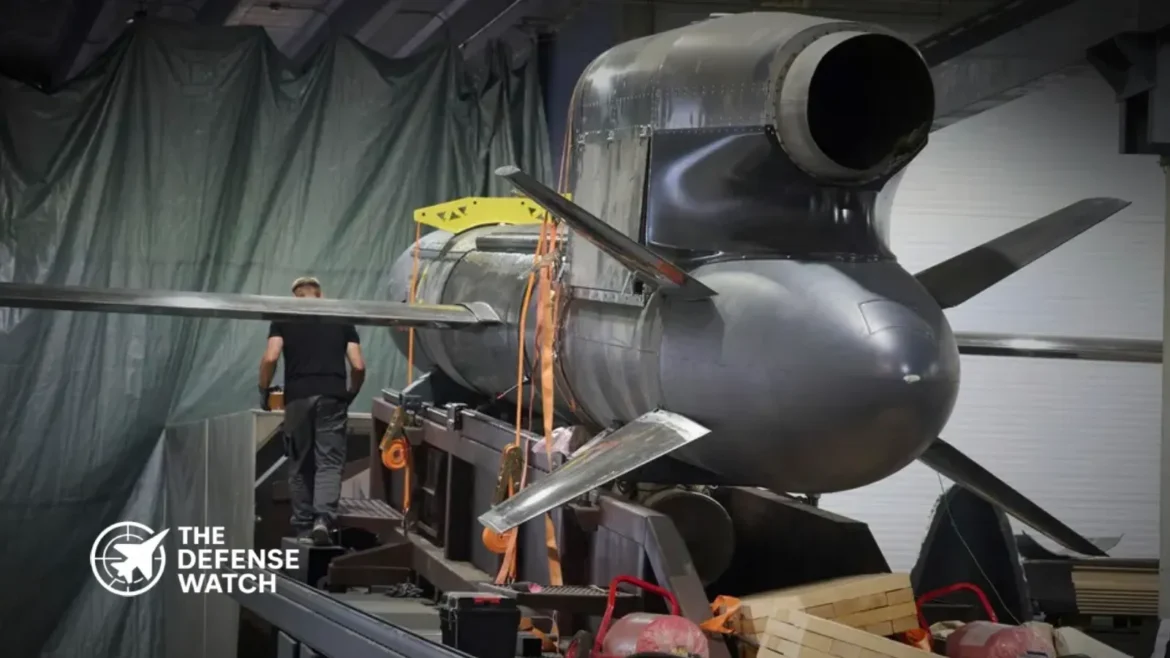
- The system will use Fire Point’s FP-7 short-range ballistic missile as its interceptor; a first live intercept attempt is planned for late 2027.
- A Middle Eastern conglomerate — widely identified in Ukrainian media as Emirati defense firm Edge Group — has proposed a $760 million acquisition of a 30% stake in Fire Point, valuing the company at $2.5 billion.
- Fire Point is also developing two supersonic ballistic missiles: the FP-7 (300 km range) and the FP-9 (850 km range, 800 kg warhead) — the latter placing Moscow within reach.
- The company currently produces hundreds of long-range strike drones daily and three Flamingo cruise missiles per day, with export capacity of up to 2,500 drones monthly pending Ukrainian government approval.
The Big Picture
Western air defense architecture faces a compounding supply crisis. Patriot missiles are in increasingly short supply amid extensive deployment in the Gulf against Iranian attacks, and Europe’s only anti-ballistic system, the Italo-French SAMP/T, is produced in relatively small numbers.
That scarcity has created a strategic opening. Nations seeking to protect their airspace — particularly smaller NATO partners, Indo-Pacific allies, and Gulf states — are actively searching for credible, affordable alternatives to a U.S. system whose production cannot currently meet global demand.
Fire Point’s emergence as a serious contender in this space is not accidental. Years of know-how gained on the battlefield fighting Russian forces have made Ukraine a leading innovator in low-cost defense tech. With the outbreak of war in the Gulf, Kyiv has leveraged that expertise to sign security agreements with governments across the region.
What’s Happening
Fire Point — founded after Moscow’s 2022 invasion — is Ukraine’s biggest maker of the long-range drones used in the majority of strikes deep inside Russia. The company has since expanded well beyond drone production.
Its FP-5 long-range cruise missile, commonly known as the Flamingo, has been used to hit Russian military facilities and arms factories, including a ballistic missile plant nearly 1,400 kilometers inside Russian territory.
Now, Shtilierman says Fire Point is targeting the intercept mission. The Patriot system — manufactured by Raytheon and Lockheed Martin — often requires two or three air defense missiles, each costing several million dollars, to bring down a ballistic projectile.
“If we can decrease it to less than $1 million, it will be a game changer in air defense solutions,” Shtilierman said. We plan to intercept the first ballistic missile at the end of 2027.
Shtilierman declined to name the European companies involved in the discussions but said Fire Point is “deeply interested” in collaboration on radar, missile target-seeking, and communications systems — areas where it lacks expertise. He noted that European companies including Weibel, Hensoldt, SAAB, and Thales have capable radar solutions.
Why It Matters
The cost asymmetry in modern air defense has emerged as one of the defining vulnerabilities of Western military posture. Adversaries have learned to exploit it directly: Russia, Iran, and their proxies fire salvos of inexpensive ballistic and cruise missiles, forcing defenders to expend interceptors worth multiples more than the incoming rounds.
If Fire Point can demonstrate a reliable intercept at under $1 million per kill, it addresses one of the most critical tactical and economic imbalances in contemporary warfare. Even a system with somewhat lower kill probability than the Patriot could justify deployment purely on cost-exchange-ratio grounds.
Fabian Hoffmann, a missile expert and senior researcher at the Norwegian Defence University College, acknowledged Fire Point’s 2027 target was “ambitious.” However, he said that beyond Ukraine’s own military needs, there would be strong demand from governments even if its kill rates per missile were less effective than the Patriot’s.
That analysis carries considerable weight. In markets where Patriot is unavailable or unaffordable, a lower-cost system with a lower — but not negligible — intercept probability still provides meaningful deterrence value.
The Offensive Arsenal Expanding in Parallel
Fire Point is not limiting its ambitions to defense. Shtilierman said the company is now in the final stages of developing two supersonic ballistic missiles.
The smaller FP-7, with a range of around 300 kilometers, will have its first military deployment “in the close future,” Shtilierman described it as similar to Lockheed Martin’s ATACMS short-range ballistic system.
The larger FP-9, capable of carrying an 800 kg warhead up to 850 kilometers, is about to enter testing and would place Moscow within range of Ukraine’s ballistic arsenal.
Shtilierman said strikes on Moscow — which is ringed by some of the world’s most formidable air defenses — would cause a “mass shift in the Russian mind and the mind of top guys in Russia.
Separately, Hoffmann noted that while Russia has experience successfully downing ATACMS, more widespread use of ballistic missiles could stretch Russian air defenses, already degraded by Ukrainian strikes.
Strategic Implications
Fire Point’s trajectory reveals a broader strategic shift: Ukraine is transitioning from a nation consuming Western defense capabilities to one producing and exporting them.
Many Ukrainian defense firms are now seeking to export their excess capacity and cash in on a global boom in military spending. While the government recently loosened wartime export restrictions, each proposed deal is still subject to stringent checks and state approval.
This matters for NATO allies. A credible, low-cost Ukrainian air defense system could fill capability gaps in Eastern European nations that cannot afford Patriot batteries, while simultaneously reducing their dependence on U.S. systems that Washington may need to retain for other theaters.
The potential UAE investment adds another dimension. Ukraine’s anti-monopoly authority has until around October to decide on the proposed $760 million acquisition of a 30% stake in Fire Point by the Middle Eastern investor. Ukrainian media have identified the suitor as Emirati defense firm Edge Group.
The investment would be the first step in a project to build a space launch terminal in the UAE, with the aim of eventually establishing a constellation of low-orbit European satellites. That represents a significant expansion of Fire Point’s strategic footprint — from a battlefield supplier to a multi-domain technology enterprise.
Competitor View
Russia’s military planners will be watching Fire Point’s ballistic missile development with close attention. The FP-9’s 850-kilometer range directly threatens Russian territory and command infrastructure in ways that current Ukrainian drone strikes — while disruptive — do not replicate with the same speed and penetration probability of a ballistic trajectory.
From Moscow’s perspective, the weaponization of Ukrainian industrial capacity represents a compounding problem. Every month the war continues, Ukraine’s defense-industrial base gains experience, scales production, and attracts foreign capital. The proposed Emirati investment, if approved, would substantially accelerate that trajectory.
For Iran, a Ukrainian air defense system exported to Gulf states could directly complicate the ballistic missile attack doctrine Tehran has relied upon in the current Gulf conflict. A low-cost intercept solution positioned in the UAE or Saudi Arabia would reduce the cost-exchange advantage Iran has partially exploited against Patriot-equipped defenders.
What To Watch Next
Several near-term milestones will determine whether Fire Point’s air defense ambitions materialize on schedule.
Ukraine’s anti-monopoly authority is expected to rule on the Edge Group investment by October 2026. Approval would unlock substantial capital and open Gulf export channels. Rejection — or prolonged delay — could constrain the company’s ability to fund radar integration with European partners.
Fire Point will increase production of the Flamingo when a new in-house engine goes into mass production in October and a rocket fuel plant in Denmark comes online later this year — pending two final approvals from Danish authorities.
The FP-7’s first military deployment — expected “in the close future” — will serve as a technical proof point for the broader air defense system concept, since the same missile is intended to function as the interceptor in the new system.
Capability Gap
The core gap Fire Point is targeting is straightforward: the world does not have enough affordable ballistic missile interceptors.
Ukraine and many other Western-allied nations rely heavily on the U.S.-made Patriot system to stop ballistic missiles. But Patriot battery production is constrained by U.S. industrial capacity, and the interceptor missiles themselves remain expensive and prioritized for NATO’s most exposed frontlines and critical Gulf deployments.
The realistic limitations of Fire Point’s approach remain significant. Developing a guidance and seeker package capable of engaging a ballistic missile in terminal phase — particularly against maneuvering warheads — is a technically demanding challenge that Ukraine has not previously solved at scale. Radar integration with European partners will be essential, and those partnerships have not yet been formalized.
The 2027 intercept demonstration target, while ambitious, is also a minimum viable proof of concept — not a fielded operational system. Full production, export certification, and integration with customer fire control systems would extend timelines considerably beyond that initial demonstration.
The Bottom Line
Fire Point’s drive toward a sub-$1 million ballistic missile intercept solution directly addresses one of the most consequential economic imbalances in modern air warfare — and if successful, it will reshape the global market for affordable missile defense at a moment when demand far outpaces Western supply.
NATO Confirms Critical Air Defense Missile Shortage For Ukraine
NATO Deputy Secretary General Radmila Shekerinska disclosed Saturday at the Munich Security Conference that Europe has effectively exhausted its stockpiles of air defense missiles available for Ukraine, leaving the United States as the only NATO member with significant interceptor reserves. The announcement highlights severe ammunition shortfalls affecting Ukraine’s defensive capabilities as the conflict with Russia approaches its fourth year.
Shekerinska’s statement at the high-profile security forum underscores mounting challenges facing Western allies in sustaining military support for Kyiv. The air defense missile depletion represents a critical gap in Ukraine’s ability to defend against Russian aerial attacks, which have intensified against civilian infrastructure and military targets throughout the conflict.
US Emerges As Sole NATO Supplier
With European stockpiles depleted, the United States now bears sole responsibility among NATO members for providing air defense interceptors to Ukraine. This development places additional pressure on American defense industrial capacity and strategic reserves as Washington continues balancing domestic security requirements with international commitments.
The revelation comes amid ongoing debates within NATO member states regarding defense spending, industrial production capacity, and long-term support strategies for Ukraine. European nations have struggled to replenish their own stocks while simultaneously transferring systems to Ukrainian forces.
Ammunition Shortfalls Plague Ukraine’s Air Defenses
Ukraine’s air defense network relies heavily on Western-supplied systems including Patriot missiles, NASAMS interceptors, and various short-range platforms. The depletion of European stocks threatens Ukraine’s ability to protect critical infrastructure, population centers, and military installations from Russian missile and drone strikes.
Russian forces have launched sustained aerial campaigns targeting Ukraine’s energy grid, transportation networks, and urban areas. Effective air defense coverage requires continuous ammunition supplies, making the current shortage particularly acute as winter conditions strain civilian infrastructure.
Western Allies Struggle With Sustained Support
The ammunition crisis extends beyond air defense missiles to artillery shells, anti-tank weapons, and other critical munitions. NATO members face competing pressures to rebuild their own defensive stocks, support Ukraine, and maintain deterrence postures against potential adversaries.
Defense industrial production across European NATO members has increased since Russia’s February 2022 invasion, but output remains insufficient to replace transferred systems while building strategic reserves. Long procurement timelines and limited manufacturing capacity constrain rapid expansion of production lines.
Implications For Ukraine’s Defensive Posture
Without adequate air defense coverage, Ukraine faces increased vulnerability to Russian strikes on military positions, logistics networks, and civilian targets. The shortage could force Ukrainian commanders to prioritize protection of critical assets while accepting increased risk to secondary locations.
NATO officials have repeatedly emphasized the importance of air defense systems in Ukraine’s overall defensive strategy. The current shortage may necessitate difficult decisions regarding resource allocation and defensive priorities in the coming months.
US Defense Industrial Response
American defense contractors including Raytheon Technologies, Lockheed Martin, and Northrop Grumman have increased production of air defense interceptors, but expanding output requires time and significant capital investment. The US Department of Defense continues evaluating its own stockpile requirements against commitments to Ukraine and other partners.
Congressional authorization and appropriations play crucial roles in sustaining aid flows to Ukraine. Ongoing political debates regarding funding levels and strategic priorities affect the pace and scale of American military assistance.
Strategic Considerations For NATO
The ammunition shortage highlights broader questions about NATO’s collective defense posture and readiness. Alliance members must balance immediate support for Ukraine with long-term requirements for territorial defense and deterrence against potential adversaries.
Shekerinska’s disclosure at Munich Security Conference signals NATO leadership’s recognition of these challenges and the need for coordinated responses. The alliance faces critical decisions regarding defense spending, industrial policy, and strategic priorities in the evolving security environment.
Looking Ahead
European nations and the United States face urgent requirements to expand defense industrial capacity while managing current stockpile limitations. The air defense missile shortage represents one element of broader ammunition challenges affecting Western support for Ukraine.
NATO members continue discussing long-term security commitments, industrial cooperation frameworks, and burden-sharing arrangements. The outcome of these deliberations will significantly impact Ukraine’s defensive capabilities and the broader European security architecture.
Canada Begins Delivering AIM Missiles to Ukraine to Strengthen Air Defense
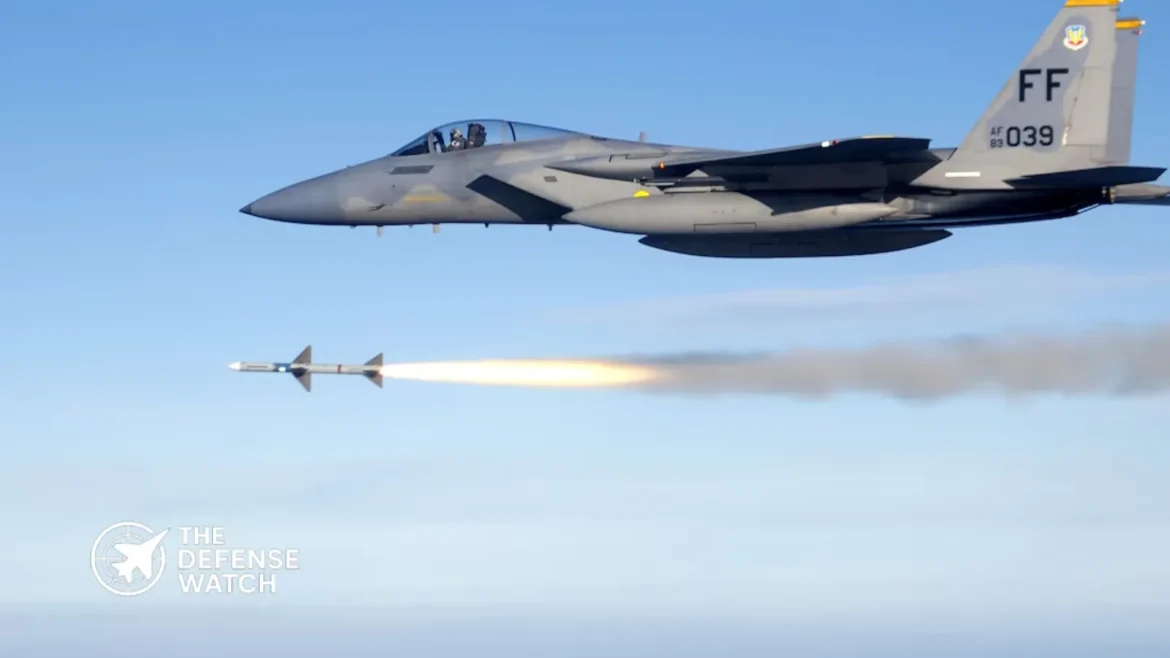
Canada begins delivering AIM missiles to Ukraine as part of new air defense support, following heavy Russian air attacks that have strained Kyiv’s interceptor stocks. Canadian Defence Minister David McGuinty pledged the assistance in December 2025, and the first shipments of surplus AIM-7 and AIM-9 components are now reaching Ukrainian forces.
Canada Begins Delivering AIM Missiles to Ukraine to Strengthen Air DefenseCanada begins delivering AIM missiles to Ukraine as part of new air defense support, following heavy Russian air attacks that have strained Kyiv’s interceptor stocks. Canadian Defence Minister David McGuinty pledged the assistance in December 2025, and the first shipments of surplus AIM-7 and AIM-9 components are now reaching Ukrainian forces.The delivery aims to help Ukraine refill its air defense interceptor inventory, critical for countering Russian strikes on energy infrastructure and other strategic targets.Canadian AIM Missile Deliveries BeginOn Friday Ukrainian Defence Minister Mykhailo Fedorov announced on X that Canada has started sending AIM missiles to bolster Ukraine’s air defenses. Fedorov said the delivery addresses severe shortages of interceptors after months of relentless Russian aerial attacks.Canada’s package includes surplus components from Canadian Armed Forces stocks, specifically AIM-7 and AIM-9 missile motors and ancillary equipment. McGuinty first outlined the aid commitment in late 2025, with deliveries slated to start in early 2026.What Ukraine ReceivesThe Canadian shipment focuses on parts and components needed to support existing air defense missiles rather than complete, ready-to-fire rounds. The main elements include:• AIM-7 Sparrow missile motors and related ancillary gear • AIM-9 Sidewinder motors and support equipmentThese components are intended to help Ukraine refurbish or remanufacture interceptors that can be used in systems like NASAMS, Patriot, or similar launchers when compatible. Canada’s contribution taps surplus inventory from its own forces.Why Interceptors Matter NowUkraine’s air defense networks have been under sustained pressure as Russian forces continue to strike power grids, critical infrastructure, and logistics hubs. Interceptor missiles, which are launched to destroy incoming threats, are a key element of layered air defense.Ukrainian officials have repeatedly warned of shortages in interceptors even as Western partners provide radars, launchers, and other hardware. Without sufficient interceptors, systems cannot fire to defend against cruise missiles, drones, and aircraft. Canada’s shipment, though focused on components, aims to ease part of that shortfall.How These Missiles Fit Ukrainian NeedsThe AIM-7 Sparrow is a medium-range radar-guided air-to-air missile first introduced in the 1950s and widely exported. Though older by modern standards, stocks of its motors and parts remain useful to Ukraine when integrated into ground-based interceptors, provided the necessary guidance and launch interfaces are in place.The AIM-9 Sidewinder is a short-range infrared-guided missile widely used by NATO air forces. Sidewinder motors and components can similarly be repurposed by Ukrainian technicians to support ground-launched interceptors or hybrid systems that accommodate these round types.Ukraine has already demonstrated an ability to adapt diverse missile stocks to fill gaps in its defense network, working with partners to combine foreign components with domestically produced systems or modified launch platforms.Canadian and Allied Support ContextCanada has been a consistent supporter of Ukraine since the start of Russia’s expanded invasion in 2022. Its military aid has included armored vehicles, artillery systems, ammunition, training, and financial support alongside contributions to multinational trust funds.The AIM missile deliveries build on that record by targeting a specific and pressing shortfall in Ukraine’s air defense interceptor inventory. This move aligns with similar efforts by other NATO and partner countries to supply components, rounds, and air defense systems.In December 2025, McGuinty said Canada would donate surplus equipment including AIM-7 and AIM-9 components, tying the transfer to Ukraine’s needs and Canada’s ability to release stocks without degrading its own defenses. Deliveries were described as starting in early 2026.Ukrainian ReactionUkrainian officials welcomed the shipments as a step toward relieving interceptor shortages. Fedorov’s announcement highlighted the urgency of replenishing defensive ammunition as Russian air strikes continued. He framed Canada’s contribution as practical help at a time when every additional interceptor can make a difference in protecting cities, infrastructure, and military assets.Operational ImpactThe arrival of AIM-7 and AIM-9 components does not immediately translate into fully operational interceptors. Ukrainian air defense units will need to integrate these parts with compatible platforms and ensure effective guidance and launch solutions. Given the modular approaches Ukraine has used previously, expedited integration is possible but requires technical work and testing.Over time, these parts could allow Ukraine to refurbish older missiles or build new interceptors that work with existing fire control systems. This helps sustain longer-term air defense capability beyond what stocks of ready-to-fire interceptors alone could offer.Broader Air Defense SupportCanada’s contribution comes as Western allies coordinate to provide Ukraine with air defense systems ranging from short-range to high-altitude engagements. The United States, European NATO members, and other partners have sent systems including Patriot batteries, NASAMS, IRIS-T units, and additional support equipment in recent years. These efforts aim to create layered protection against a range of aerial threats.Each contribution, including missile components and interceptors, plugs gaps in Ukraine’s defenses and helps reduce vulnerability to attacks that degrade civilian infrastructure and military logistics.What Comes NextCanada’s delivery marks the start of what may be further shipments of missile components or systems if needs and stocks allow. Continued coordination among NATO and partner states is likely, with each country adjusting contributions based on operational priorities and inventories.For Ukraine, every shipment of interceptors, components, or systems is part of a broader push to sustain defense in the face of ongoing aerial campaigns. Integrating new stock, training operators, and managing logistics remain critical tasks even after hardware arrives.The delivery aims to help Ukraine refill its air defense interceptor inventory, critical for countering Russian strikes on energy infrastructure and other strategic targets.
Canadian AIM Missile Deliveries Begin
On Friday Ukrainian Defence Minister Mykhailo Fedorov announced on X that Canada has started sending AIM missiles to bolster Ukraine’s air defenses. Fedorov said the delivery addresses severe shortages of interceptors after months of relentless Russian aerial attacks.
Canada’s package includes surplus components from Canadian Armed Forces stocks, specifically AIM-7 and AIM-9 missile motors and ancillary equipment. McGuinty first outlined the aid commitment in late 2025, with deliveries slated to start in early 2026.
What Ukraine Receives
The Canadian shipment focuses on parts and components needed to support existing air defense missiles rather than complete, ready-to-fire rounds. The main elements include:
• AIM-7 Sparrow missile motors and related ancillary gear
• AIM-9 Sidewinder motors and support equipmentThese components are intended to help Ukraine refurbish or remanufacture interceptors that can be used in systems like NASAMS, Patriot, or similar launchers when compatible. Canada’s contribution taps surplus inventory from its own forces.
Why Interceptors Matter Now
Ukraine’s air defense networks have been under sustained pressure as Russian forces continue to strike power grids, critical infrastructure, and logistics hubs. Interceptor missiles, which are launched to destroy incoming threats, are a key element of layered air defense.
Canada Begins Delivering AIM Missiles to Ukraine to Strengthen Air DefenseCanada begins delivering AIM missiles to Ukraine as part of new air defense support, following heavy Russian air attacks that have strained Kyiv’s interceptor stocks. Canadian Defence Minister David McGuinty pledged the assistance in December 2025, and the first shipments of surplus AIM-7 and AIM-9 components are now reaching Ukrainian forces.The delivery aims to help Ukraine refill its air defense interceptor inventory, critical for countering Russian strikes on energy infrastructure and other strategic targets.Canadian AIM Missile Deliveries BeginOn Friday Ukrainian Defence Minister Mykhailo Fedorov announced on X that Canada has started sending AIM missiles to bolster Ukraine’s air defenses. Fedorov said the delivery addresses severe shortages of interceptors after months of relentless Russian aerial attacks.Canada’s package includes surplus components from Canadian Armed Forces stocks, specifically AIM-7 and AIM-9 missile motors and ancillary equipment. McGuinty first outlined the aid commitment in late 2025, with deliveries slated to start in early 2026.What Ukraine ReceivesThe Canadian shipment focuses on parts and components needed to support existing air defense missiles rather than complete, ready-to-fire rounds. The main elements include:• AIM-7 Sparrow missile motors and related ancillary gear • AIM-9 Sidewinder motors and support equipmentThese components are intended to help Ukraine refurbish or remanufacture interceptors that can be used in systems like NASAMS, Patriot, or similar launchers when compatible. Canada’s contribution taps surplus inventory from its own forces.Why Interceptors Matter NowUkraine’s air defense networks have been under sustained pressure as Russian forces continue to strike power grids, critical infrastructure, and logistics hubs. Interceptor missiles, which are launched to destroy incoming threats, are a key element of layered air defense.Ukrainian officials have repeatedly warned of shortages in interceptors even as Western partners provide radars, launchers, and other hardware. Without sufficient interceptors, systems cannot fire to defend against cruise missiles, drones, and aircraft. Canada’s shipment, though focused on components, aims to ease part of that shortfall.How These Missiles Fit Ukrainian NeedsThe AIM-7 Sparrow is a medium-range radar-guided air-to-air missile first introduced in the 1950s and widely exported. Though older by modern standards, stocks of its motors and parts remain useful to Ukraine when integrated into ground-based interceptors, provided the necessary guidance and launch interfaces are in place.The AIM-9 Sidewinder is a short-range infrared-guided missile widely used by NATO air forces. Sidewinder motors and components can similarly be repurposed by Ukrainian technicians to support ground-launched interceptors or hybrid systems that accommodate these round types.Ukraine has already demonstrated an ability to adapt diverse missile stocks to fill gaps in its defense network, working with partners to combine foreign components with domestically produced systems or modified launch platforms.Canadian and Allied Support ContextCanada has been a consistent supporter of Ukraine since the start of Russia’s expanded invasion in 2022. Its military aid has included armored vehicles, artillery systems, ammunition, training, and financial support alongside contributions to multinational trust funds.The AIM missile deliveries build on that record by targeting a specific and pressing shortfall in Ukraine’s air defense interceptor inventory. This move aligns with similar efforts by other NATO and partner countries to supply components, rounds, and air defense systems.In December 2025, McGuinty said Canada would donate surplus equipment including AIM-7 and AIM-9 components, tying the transfer to Ukraine’s needs and Canada’s ability to release stocks without degrading its own defenses. Deliveries were described as starting in early 2026.Ukrainian ReactionUkrainian officials welcomed the shipments as a step toward relieving interceptor shortages. Fedorov’s announcement highlighted the urgency of replenishing defensive ammunition as Russian air strikes continued. He framed Canada’s contribution as practical help at a time when every additional interceptor can make a difference in protecting cities, infrastructure, and military assets.Operational ImpactThe arrival of AIM-7 and AIM-9 components does not immediately translate into fully operational interceptors. Ukrainian air defense units will need to integrate these parts with compatible platforms and ensure effective guidance and launch solutions. Given the modular approaches Ukraine has used previously, expedited integration is possible but requires technical work and testing.Over time, these parts could allow Ukraine to refurbish older missiles or build new interceptors that work with existing fire control systems. This helps sustain longer-term air defense capability beyond what stocks of ready-to-fire interceptors alone could offer.Broader Air Defense SupportCanada’s contribution comes as Western allies coordinate to provide Ukraine with air defense systems ranging from short-range to high-altitude engagements. The United States, European NATO members, and other partners have sent systems including Patriot batteries, NASAMS, IRIS-T units, and additional support equipment in recent years. These efforts aim to create layered protection against a range of aerial threats.Each contribution, including missile components and interceptors, plugs gaps in Ukraine’s defenses and helps reduce vulnerability to attacks that degrade civilian infrastructure and military logistics.What Comes NextCanada’s delivery marks the start of what may be further shipments of missile components or systems if needs and stocks allow. Continued coordination among NATO and partner states is likely, with each country adjusting contributions based on operational priorities and inventories.For Ukraine, every shipment of interceptors, components, or systems is part of a broader push to sustain defense in the face of ongoing aerial campaigns. Integrating new stock, training operators, and managing logistics remain critical tasks even after hardware arrives.Ukrainian officials have repeatedly warned of shortages in interceptors even as Western partners provide radars, launchers, and other hardware. Without sufficient interceptors, systems cannot fire to defend against cruise missiles, drones, and aircraft. Canada’s shipment, though focused on components, aims to ease part of that shortfall.
How These Missiles Fit Ukrainian Needs
The AIM-7 Sparrow is a medium-range radar-guided air-to-air missile first introduced in the 1950s and widely exported. Though older by modern standards, stocks of its motors and parts remain useful to Ukraine when integrated into ground-based interceptors, provided the necessary guidance and launch interfaces are in place.
The AIM-9 Sidewinder is a short-range infrared-guided missile widely used by NATO air forces. Sidewinder motors and components can similarly be repurposed by Ukrainian technicians to support ground-launched interceptors or hybrid systems that accommodate these round types.
Ukraine has already demonstrated an ability to adapt diverse missile stocks to fill gaps in its defense network, working with partners to combine foreign components with domestically produced systems or modified launch platforms.
Canadian and Allied Support Context
Canada has been a consistent supporter of Ukraine since the start of Russia’s expanded invasion in 2022. Its military aid has included armored vehicles, artillery systems, ammunition, training, and financial support alongside contributions to multinational trust funds.
The AIM missile deliveries build on that record by targeting a specific and pressing shortfall in Ukraine’s air defense interceptor inventory. This move aligns with similar efforts by other NATO and partner countries to supply components, rounds, and air defense systems.
In December 2025, McGuinty said Canada would donate surplus equipment including AIM-7 and AIM-9 components, tying the transfer to Ukraine’s needs and Canada’s ability to release stocks without degrading its own defenses. Deliveries were described as starting in early 2026.
Ukrainian Reaction
Ukrainian officials welcomed the shipments as a step toward relieving interceptor shortages. Fedorov’s announcement highlighted the urgency of replenishing defensive ammunition as Russian air strikes continued. He framed Canada’s contribution as practical help at a time when every additional interceptor can make a difference in protecting cities, infrastructure, and military assets.
Operational Impact
The arrival of AIM-7 and AIM-9 components does not immediately translate into fully operational interceptors. Ukrainian air defense units will need to integrate these parts with compatible platforms and ensure effective guidance and launch solutions. Given the modular approaches Ukraine has used previously, expedited integration is possible but requires technical work and testing.
Over time, these parts could allow Ukraine to refurbish older missiles or build new interceptors that work with existing fire control systems. This helps sustain longer-term air defense capability beyond what stocks of ready-to-fire interceptors alone could offer.
Broader Air Defense Support
Canada’s contribution comes as Western allies coordinate to provide Ukraine with air defense systems ranging from short-range to high-altitude engagements. The United States, European NATO members, and other partners have sent systems including Patriot batteries, NASAMS, IRIS-T units, and additional support equipment in recent years. These efforts aim to create layered protection against a range of aerial threats.
Each contribution, including missile components and interceptors, plugs gaps in Ukraine’s defenses and helps reduce vulnerability to attacks that degrade civilian infrastructure and military logistics.
What Comes Next
Canada’s delivery marks the start of what may be further shipments of missile components or systems if needs and stocks allow. Continued coordination among NATO and partner states is likely, with each country adjusting contributions based on operational priorities and inventories.
For Ukraine, every shipment of interceptors, components, or systems is part of a broader push to sustain defense in the face of ongoing aerial campaigns. Integrating new stock, training operators, and managing logistics remain critical tasks even after hardware arrives.
Ukraine Downs Russian Shahed Drone With Rear-Mounted Missile
Ukraine has shot down a Russian Shahed attack drone equipped with a rear-mounted air-to-air missile, a previously unseen configuration that signals an evolving threat to Ukrainian aircraft engaged in counter-drone operations.
According to Ukrainian border guard forces, the drone was intercepted on February 8 by the 105th Border Guard Detachment using a P1-SUN interceptor system. Footage released via the tgp_news Telegram channel showed wreckage confirming the presence of a Soviet-era R-60 missile mounted in a backward-facing orientation.
The Institute for the Study of War assessed the configuration as a notable departure from earlier Shahed adaptations documented since December 2025, which featured forward-mounted missiles.
First confirmed rear-facing missile configuration on Shahed drones
The downed Shahed represents the first confirmed case of a rear-mounted R-60 missile on a Russian one-way attack drone. Previous imagery and battlefield reporting indicated Russian forces had begun experimenting with air-to-air missiles mounted forward on Shahed platforms, likely intended to threaten Ukrainian helicopters and slow-moving aircraft engaged in drone interception.
The backward-facing orientation suggests a different tactical purpose. Analysts assess the missile placement is likely intended to counter pursuing aircraft, particularly Ukrainian helicopters, light aircraft, or interceptor drones that approach Shaheds from behind during shootdown attempts.
The R-60, originally developed by the Soviet Union as a short-range infrared-guided air-to-air missile, remains widely available in Russian stockpiles. While obsolete by modern fighter standards, it retains sufficient maneuverability and seeker sensitivity to threaten low-speed aerial targets when employed at close range.
Ukrainian interception and confirmation
The 105th Border Guard Detachment confirmed the shootdown using a P1-SUN interceptor system, a portable air defense solution increasingly employed by Ukrainian forces to counter Shahed drones. Video evidence published online shows debris consistent with Shahed construction, alongside identifiable missile mounting hardware and missile fragments.
The Institute for the Study of War reviewed the footage and confirmed the backward-facing missile configuration, describing it as a new adaptation not previously documented in open-source reporting.
Ukrainian authorities did not report any damage or casualties resulting from the attempted attack.
Tactical implications for Ukrainian air defense and aviation
The emergence of missile-armed Shahed drones presents additional challenges for Ukraine’s layered air defense and counter-drone operations. Ukrainian forces routinely rely on helicopters, fixed-wing aircraft, and interceptor drones to hunt Shaheds before they reach critical infrastructure.
A rear-mounted missile complicates pursuit tactics, potentially forcing Ukrainian pilots to alter engagement profiles or maintain greater standoff distances. This adaptation may also increase reliance on ground-based air defense systems and electronic warfare rather than airborne interception.
Military analysts note that while the R-60’s effectiveness on a Shahed platform is limited by sensor integration and launch constraints, even a low-probability threat can alter operational behavior and increase risk to aircrews.
Part of a broader Russian drone evolution effort
Russia has steadily modified Shahed drones since their introduction into large-scale combat operations, adding improved navigation systems, electronic countermeasures, and now experimental weapon configurations.
The backward-mounted missile highlights Russia’s continued effort to adapt inexpensive loitering munitions to impose higher costs on Ukrainian defenses. By forcing Ukraine to devote more resources and caution to drone interception, even marginal upgrades can deliver operational value.
The Institute for the Study of War noted that such adaptations reflect Russia’s willingness to accept limited effectiveness in exchange for forcing tactical adjustments by Ukrainian forces.
Ukrainian response and outlook
Ukrainian air defense units continue to adapt to evolving Shahed threats through a combination of mobile air defense teams, interceptor drones, electronic warfare systems, and layered radar coverage.
Officials emphasize that missile-armed Shaheds do not fundamentally change the balance of the air threat but underscore the need for continued Western support in air defense systems, counter-UAV technologies, and early warning capabilities.
The February 8 shootdown demonstrates Ukraine’s ability to identify and neutralize new Russian adaptations quickly, limiting their operational impact.
The Tridon Mk2 air defense system will be supplied to Ukraine under a new joint funding effort by Sweden and Denmark, aimed at strengthening short range air defense against drones and low flying threats.
Sweden has committed approximately 200 million euros and Denmark 50 million euros to jointly purchase Tridon Mk2 anti aircraft artillery systems from BAE Systems Bofors for the Armed Forces of Ukraine. The combined funding will support the formation of a new Ukrainian air defense battalion focused on countering unmanned aerial systems, including Shahed type one way attack drones.
According to official statements from Nordic defense authorities, the procurement is part of continued military assistance to Ukraine and reflects growing emphasis on affordable, gun based air defense to protect critical infrastructure and frontline units.
Nordic Funding and Program Structure
The funds are expected to cover the artillery systems, associated fire control elements, ammunition, and initial training and support packages. Ukrainian forces will organize the delivered systems into a dedicated air defense battalion, improving command and control at the tactical level.
Officials have highlighted that gun based systems like Tridon Mk2 offer a cost effective way to counter mass drone attacks, where the use of surface to air missiles can be economically unsustainable.
Tridon Mk2 System Overview
The Tridon Mk2 is a modernized 40 mm air defense artillery system developed by BAE Systems Bofors. It builds on the proven 40 mm gun family while integrating advanced sensors, digital fire control, and programmable ammunition.
The system is designed to engage a wide range of aerial threats, including small and medium UAVs, loitering munitions, helicopters, and low flying aircraft. It also retains a secondary surface role against lightly armored ground targets.
With a reported engagement range of up to 12.5 kilometers, the Tridon Mk2 provides extended reach compared to legacy anti aircraft guns. Its use of air burst and proximity fused ammunition improves effectiveness against small, fast moving drones.
Relevance to Ukraine War Requirements
Ukraine continues to face sustained attacks by Russian Shahed series UAVs and other unmanned systems targeting cities, energy infrastructure, and military positions. These attacks often involve large numbers of low cost drones intended to overwhelm air defenses.
The Tridon Mk2 air defense system is well suited to this environment. Gun based air defense allows Ukrainian forces to engage drones at lower cost per shot, preserving higher value missile interceptors for cruise missiles and aircraft.
The mobility of the system also supports flexible deployment to protect forward units, logistics hubs, and key infrastructure nodes. This aligns with Ukrainian efforts to create layered air defense coverage combining guns, missiles, and electronic warfare.
Industrial and Strategic Context
BAE Systems Bofors, based in Sweden, has a long history in artillery and naval gun development. The Tridon Mk2 represents the company’s push to modernize gun based air defense for contemporary threats, especially the rapid spread of UAVs.
For Sweden and Denmark, the deal supports domestic and regional defense industry while reinforcing political and military backing for Ukraine. It also reflects a broader European trend toward re investing in short range air defense after decades of reduced focus.
The procurement strengthens Nordic cooperation on defense assistance and demonstrates coordinated support within NATO aligned partners, even as Ukraine remains outside the alliance.
Broader Implications for European Air Defense
The decision to supply Tridon Mk2 systems highlights renewed interest in anti aircraft artillery across Europe. Many armed forces are reassessing legacy assumptions about air superiority and are seeking layered defenses that include guns, missiles, and sensors.
As drone threats continue to evolve, systems like Tridon Mk2 may see increased demand not only for Ukraine but also for national defense across NATO and partner countries.
The delivery timeline and exact number of systems have not been publicly disclosed, but the funding level suggests a meaningful contribution to Ukraine’s short range air defense capacity.