atOptions = { ‘key’ : ‘3d48d603f906e3fe9f205be3c4433835’, ‘format’ : ‘iframe’, ‘height’ : 250, ‘width’ : 300, ‘params’ : {} };Executive Summary:
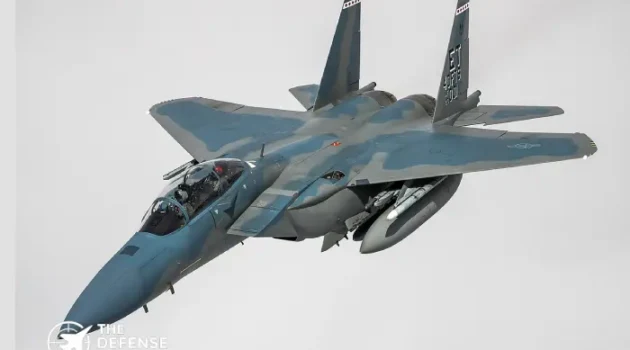
The U.S. Air Force plans to expand its Boeing F-15EX Eagle II fleet from 129 to 267 aircraft, according to FY2027 budget planning and statements from Air Force officials. The move represents one of the largest fighter procurement expansions in recent years and reflects a broader strategy focused on rebuilding combat mass, replacing aging F-15E Strike Eagles, and sustaining airpower for future high-intensity conflicts.
U.S. Air Force Expands F-15EX Fleet Under Revised Fighter Strategy
The U.S. Air Force is preparing to more than double its planned F-15EX Eagle II fleet, increasing total procurement from 129 aircraft to 267 fighters as part of its evolving force structure strategy. Air Force officials confirmed the revised objective during discussions surrounding the FY2027 budget request, which includes funding for 24 additional F-15EX aircraft.
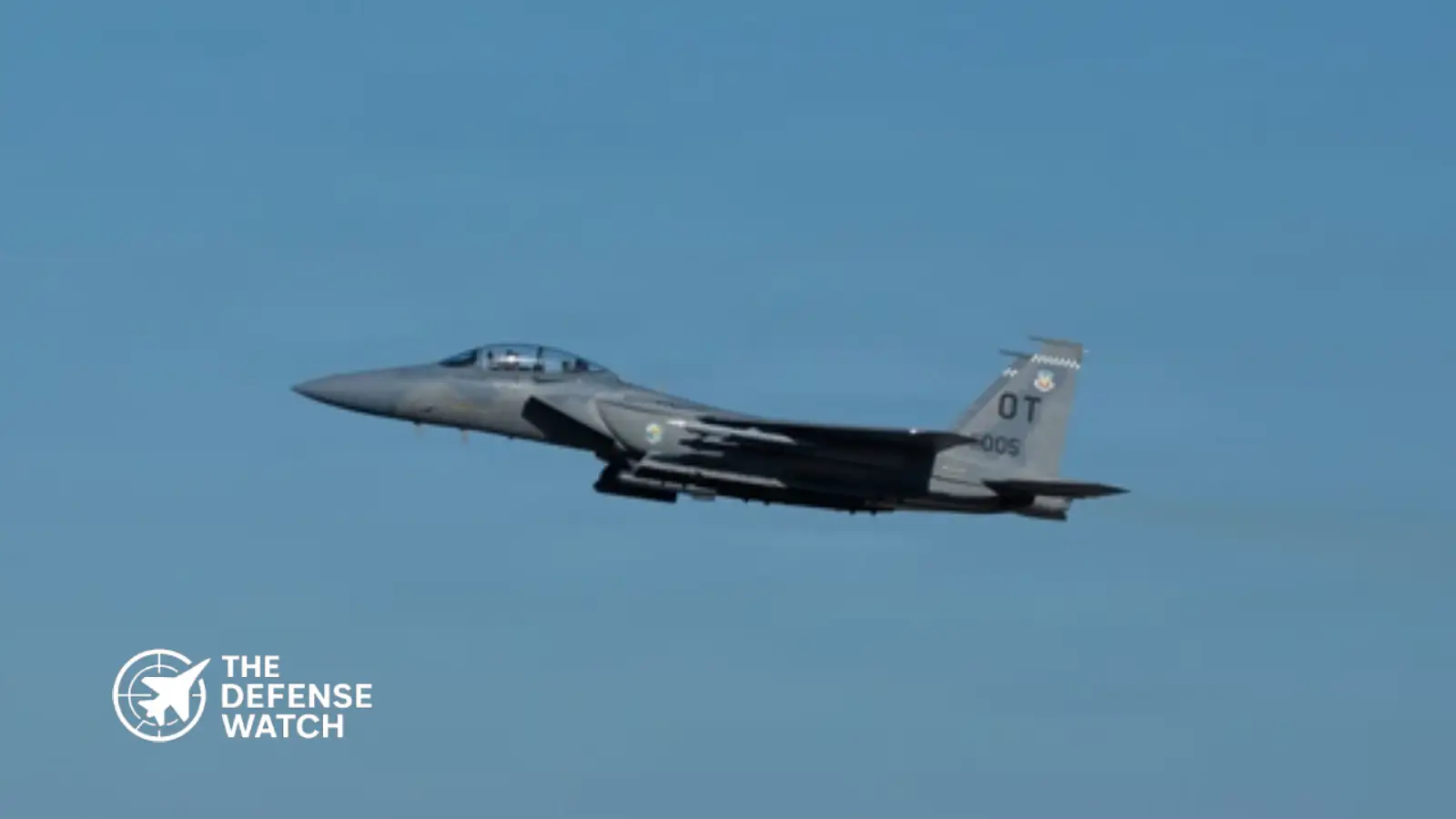
The expansion marks a significant shift from previous plans that viewed the F-15EX primarily as a replacement for aging F-15C and F-15D air superiority fighters. Under the new strategy, the aircraft will also begin replacing portions of the F-15E Strike Eagle fleet while serving as a key component of the Air Force’s future fighter inventory.
According to Air Force officials, the enlarged fleet will help complete the fielding of existing F-15EX squadrons before transitioning toward recapitalization of older F-15E aircraft. The service currently operates approximately 25 F-15EX fighters and has already contracted for more than 100 aircraft.
FY2027 Budget Signals Long-Term Commitment
The FY2027 budget request includes approximately 24 F-15EX fighters, valued at roughly $3 billion, alongside planned procurement of 38 F-35A Lightning II aircraft. Together, these purchases demonstrate the Air Force’s continued commitment to maintaining a mixed fighter force composed of fourth-generation, fifth-generation, and future sixth-generation aircraft.
Planned FY2027 Fighter Procurement
Aircraft Planned FY2027 Quantity F-15EX Eagle II 24 F-35A Lightning II 38 Total New Fighters 62 The procurement profile also supports broader Air Force goals aimed at reversing decades of fighter inventory decline and maintaining annual acquisition rates sufficient to sustain force readiness.
Why The F-15EX Remains Important
The decision to expand the F-15EX program reflects operational realities rather than a departure from stealth-centric modernization.
While aircraft such as the F-35A and future Next Generation Air Dominance systems are designed to penetrate heavily defended airspace, the F-15EX offers advantages in payload capacity, range, endurance, and weapons carriage. Air Force officials have repeatedly emphasized that the Eagle II fulfills a different operational requirement within the overall force structure.
Key F-15EX capabilities include:
- Advanced digital fly-by-wire flight controls
- Modern open mission systems architecture
- AN/APG-82 active electronically scanned array (AESA) radar
- Eagle Passive/Active Warning and Survivability System (EPAWSS)
- Large air-to-air and air-to-ground weapons capacity
- Compatibility with future long-range weapons and hypersonic systems
The aircraft’s large payload capacity allows it to carry significantly more missiles than stealth fighters, making it particularly valuable in homeland defense missions and large-scale Indo-Pacific operations.
(adsbygoogle = window.adsbygoogle || []).push({});Strategic Implications For Future Conflict
One of the most significant aspects of the expanded procurement plan is what it reveals about how Air Force planners view future warfare.
For much of the past decade, modernization efforts focused heavily on survivability and stealth. The revised F-15EX acquisition plan suggests increasing recognition that future conflicts could also require sustained combat operations, large missile inventories, and the ability to generate high sortie rates over extended periods.
Original Analysis: Rebuilding Combat Mass
The F-15EX expansion reflects a broader shift toward rebuilding combat mass within the U.S. fighter force.
Modern air campaigns are increasingly expected to involve long-range precision weapons, distributed operations across vast theaters, and sustained attrition. While stealth aircraft remain essential for penetrating advanced air defenses, they are expensive assets available in limited numbers.
The F-15EX offers a complementary capability. It can carry larger missile loads, operate from existing infrastructure, and integrate rapidly into current maintenance and training ecosystems. This reduces transition risk while expanding available combat capacity.
The decision to grow the fleet to 267 aircraft indicates that Air Force planners are placing greater emphasis on maintaining sufficient numbers of combat-ready fighters rather than relying exclusively on a smaller fleet of highly sophisticated platforms.
Indo-Pacific Relevance
The aircraft’s range and payload characteristics are particularly relevant for operations across the Indo-Pacific region.
Potential future operations in the Pacific would involve vast distances, dispersed basing, and significant demands on logistics networks. In such environments, heavily armed fighters capable of carrying large numbers of air-to-air missiles and long-range strike weapons can play an important role in distributed force packages.
Air Force officials have specifically highlighted the F-15EX’s weapons carriage capacity and operational role within Pacific theater planning.
(adsbygoogle = window.adsbygoogle || []).push({});Industrial Base Benefits
The expanded procurement plan also provides stability for the U.S. defense industrial base.
Continued F-15EX production sustains Boeing’s tactical aircraft manufacturing line in St. Louis while preserving critical aerospace engineering and production expertise. Maintaining multiple fighter production lines is increasingly viewed as important for long-term industrial resilience and surge capacity.
At a time when defense planners are emphasizing readiness and industrial scalability, the continuation of F-15EX production supports broader national security objectives beyond the aircraft itself.
Looking Ahead
The Air Force’s decision to increase planned F-15EX procurement to 267 aircraft represents one of the most significant fighter acquisition shifts of the decade. Rather than serving solely as a replacement for aging legacy aircraft, the Eagle II is emerging as a permanent element of the service’s future force structure.
As the Air Force balances investments across F-35A, F-15EX, Collaborative Combat Aircraft, and future sixth-generation systems, the enlarged Eagle II fleet highlights a growing emphasis on combat mass, weapons capacity, and long-term operational sustainability.
The move underscores a broader conclusion shaping U.S. airpower planning: future conflicts may require not only advanced technology, but also sufficient fighter capacity to sustain operations across extended and highly contested campaigns.