Executive Summary:
On June 1, 2026, Israel’s Ministry of Defense announced that France has barred official Israeli participation in Eurosatory 2026, scheduled for June 15-19 at Paris-Nord Villepinte. The restrictions prohibit government representatives, a national pavilion, and the display of offensive weapon systems, limiting Israeli companies to air and missile defense products only. Israel described the decision as “disgraceful” and discriminatory, highlighting strains in bilateral defense ties.
France Imposes Restrictions on Israeli Presence at Eurosatory 2026
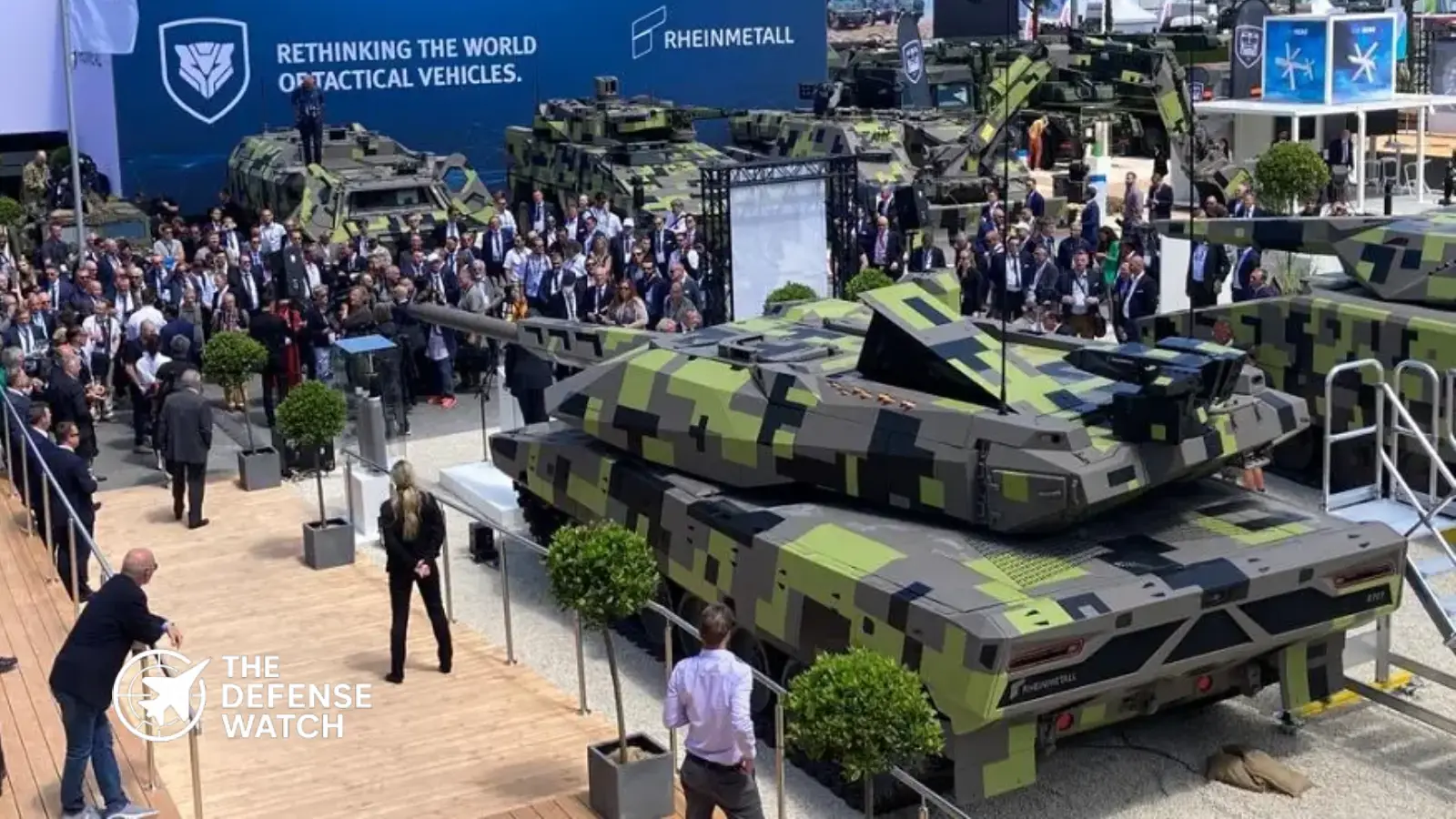
Israel’s Defense Ministry confirmed the French decision on Monday, stating that French authorities informed Jerusalem of the limitations just weeks before the exhibition opens. Eurosatory, organized by COGES Events, ranks among the world’s largest land and air defense exhibitions, drawing exhibitors from dozens of countries and official delegations from nearly 100 nations.
- France Imposes Restrictions on Israeli Presence at Eurosatory 2026
- Details of the French Restrictions
- Israeli Industry Response and Participation Plans
- Broader Context of Israel-France Defense Relations
- Strategic and Operational Implications for Global Defense Markets
- Technical Focus: Israeli Air and Missile Defense Portfolio
- Outlook
The restrictions mirror elements of France’s 2024 approach, when Israeli companies faced initial exclusion over operations in Gaza. While some 2024 bans were later adjusted or challenged in court, the 2026 measures specifically target official state-level involvement and offensive capabilities displays.
Details of the French Restrictions
According to the Israeli Ministry of Defense, the French decision includes three main elements:
- Ban on Israeli government representatives attending the exhibition.
- Prohibition on establishing an Israeli national pavilion.
- Restriction limiting Israeli defense industries to displaying only air defense and missile defense products; offensive systems are explicitly excluded.
French organizers confirmed that Israeli exhibitors presenting anti-ballistic and anti-air defense systems remain authorized, framing the policy as ensuring “no offensive weapons are present.”
Israeli Industry Response and Participation Plans
Despite the constraints, several major Israeli defense firms plan to proceed with participation under the permitted categories. Both Elbit Systems and Rafael Advanced Defense Systems intend to attend, focusing on air and missile defense offerings.
Smaller Israeli companies may face greater challenges, as the absence of a national pavilion and government support could reduce visibility and networking opportunities in a highly competitive environment. Over 30 Israeli firms had initially planned to exhibit before the latest restrictions.
Broader Context of Israel-France Defense Relations
The decision arrives amid ongoing tensions between the two nations. Israel halted new defense procurement from France in March 2026, reflecting deteriorating ties linked to differing positions on regional conflicts. France has historically maintained strong defense industry ties with Israel but has increasingly prioritized diplomatic stances on Middle East issues.
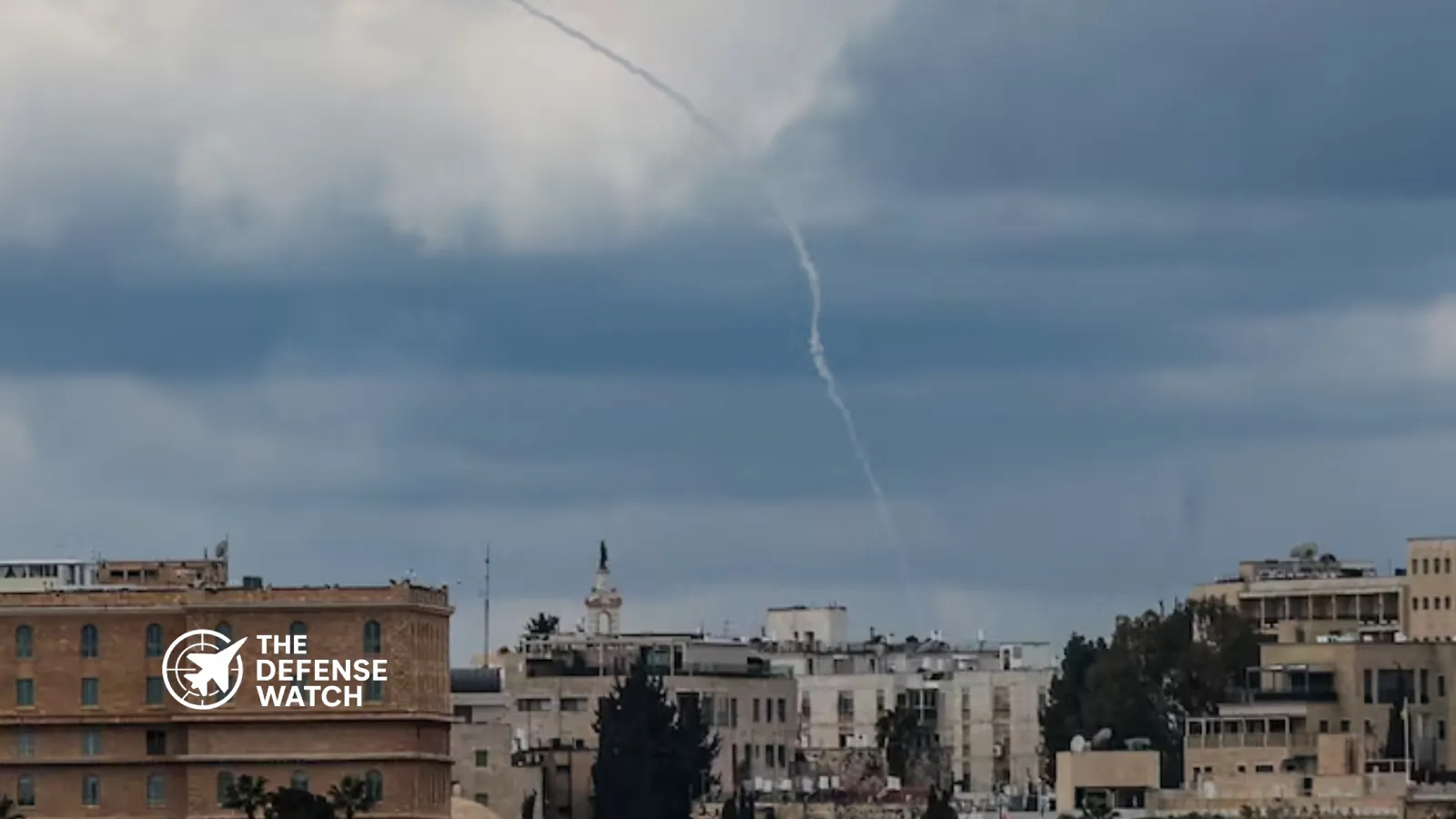
Israeli officials highlighted what they view as inconsistency: praising Israeli systems for their proven effectiveness against threats from Hamas, Hezbollah, and Iranian-backed proxies while restricting their exhibition.
Strategic and Operational Implications for Global Defense Markets
Analysis: This development underscores shifting European defense exhibition policies amid geopolitical pressures. For the U.S. defense community, it highlights risks in allied European markets where political considerations can override industrial cooperation. Israel’s air and missile defense technologies—such as variants of Iron Dome, David’s Sling, and Arrow systems—have gained significant international interest following real-world performance data from recent conflicts. Limiting their display reduces opportunities for potential customers, including NATO partners, to evaluate integrated solutions.
Technically, air and missile defense systems represent high-value, export-controlled capabilities. Restricting offensive systems (e.g., precision munitions, ground combat vehicles, or loitering munitions) narrows the scope of Israeli innovation visible at the show. This could drive Israeli firms toward alternative markets in Asia, the Middle East, and the United States, where demand for layered defense architectures remains strong.
From a U.S. perspective, the episode illustrates challenges in transatlantic defense industrial alignment. While the U.S. maintains robust technology-sharing with Israel through programs like Iron Dome co-development, European political dynamics introduce friction that may encourage deeper U.S.-Israel bilateral industrial ties.
Eurosatory 2026 will still feature extensive Israeli private-sector presence in permitted domains, but the absence of official backing diminishes the strategic signaling typically provided by a national pavilion. This format has historically facilitated high-level government-to-government discussions on procurement and collaboration.
Technical Focus: Israeli Air and Missile Defense Portfolio
Israeli firms permitted to exhibit will likely emphasize:
- Short-range systems like Iron Dome and its derivatives for countering rockets, artillery, and drones.
- Medium-to-long-range solutions including David’s Sling and Arrow family interceptors.
- Integrated command-and-control networks proven in multi-threat environments.
These systems have demonstrated high intercept rates against diverse threats, data points of keen interest to nations facing similar asymmetric and ballistic missile challenges.
Outlook
The restrictions add another layer to complex Israel-Europe defense engagement. While private companies retain pathways to participate, the signal sent by barring official representation may influence future exhibition policies and bilateral industrial relationships.