(adsbygoogle = window.adsbygoogle || []).push({});Executive Summary:
Canada is evaluating a significant shift in its fighter aircraft procurement, potentially acquiring around 30 Lockheed Martin F-35A jets and approximately 60 Saab JAS 39 Gripen fighters instead of its original plan for 88 F-35s. The move, driven by the government of Prime Minister Mark Carney, aims to balance advanced stealth capabilities with enhanced industrial sovereignty and reduced reliance on a single supplier. This potential mixed fleet comes as Ottawa seeks to modernize the Royal Canadian Air Force’s aging CF-18 fleet while addressing geopolitical and economic priorities.
Canada Fighter Procurement Review Gains Momentum
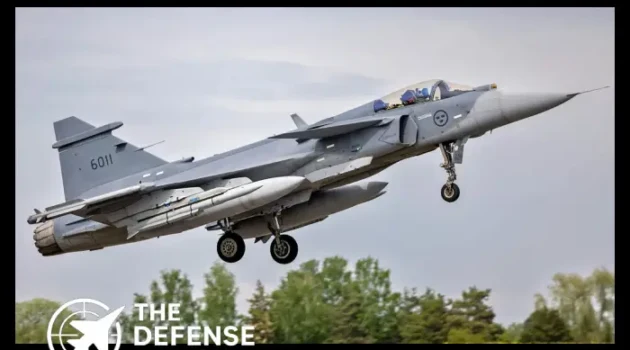
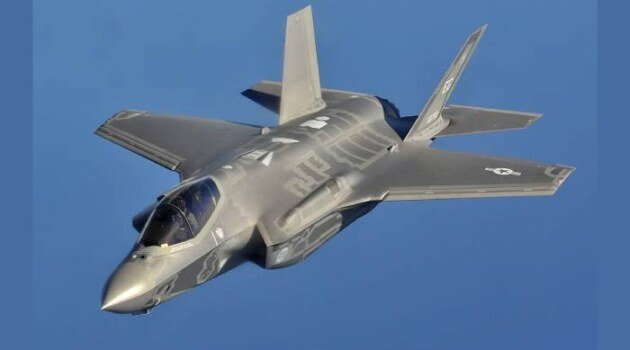
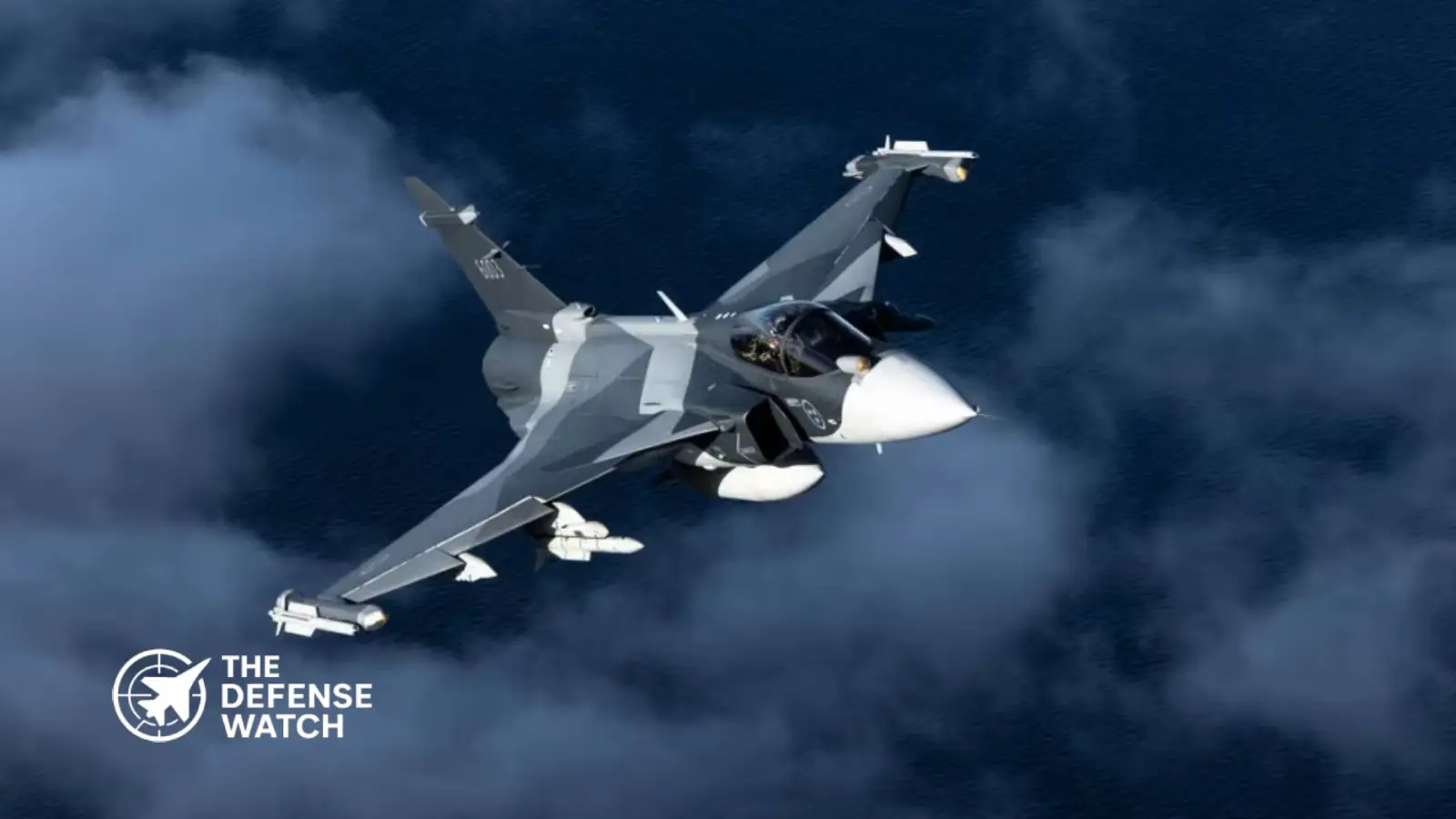
Canada is actively considering a mixed fighter fleet for the Royal Canadian Air Force (RCAF), according to recent reports from Canadian media. The proposal involves scaling back the planned purchase of 88 F-35A Lightning II stealth fighters to approximately 30 aircraft while acquiring about 60 Saab Gripen E fighters from Sweden.
This development follows Canada’s earlier commitment to the F-35 program under the previous administration. In 2023, Ottawa finalized an agreement for 88 F-35s valued at around C$27.7 billion. However, the current government under Prime Minister Mark Carney has placed the larger portion of the order under review amid evolving strategic and economic considerations.
Canada remains contractually obligated to accept the first 16 F-35s, with deliveries expected to begin in 2026. Payments have also been initiated for an additional 14 aircraft. The flexibility lies in the remaining aircraft, allowing Ottawa to adjust its long-term fleet composition.
Strategic and Economic Drivers Behind the Potential Shift
The review reflects broader efforts to diversify defense supply chains and bolster domestic industry. Saab has proposed local assembly of Gripen fighters in Canada, potentially in partnership with Bombardier, which could generate or sustain up to 12,600 high-skilled aerospace jobs. This package has been linked to additional acquisitions, such as Saab GlobalEye airborne early warning aircraft.
Proponents argue that a mixed fleet would enhance operational flexibility. The F-35 offers unmatched stealth, sensor fusion, and interoperability within NORAD and NATO frameworks. The Gripen E, a 4.5-generation multirole fighter, emphasizes cost-effectiveness, rapid turnaround, and high availability, with features like dispersed operations suited to Canada’s vast geography.
Analysis: A mixed fleet could allow Canada to allocate its high-end stealth assets for the most demanding missions—such as penetrating advanced air defenses or leading coalition operations—while using Gripens for routine patrol, sovereignty missions over the Arctic, and high-volume training sorties. This approach mirrors strategies employed by other nations operating mixed fleets, though it introduces logistical complexities in maintenance, training, and spares management. From a geopolitical standpoint, diversifying away from exclusive U.S. dependence addresses concerns over potential supply disruptions or policy shifts, particularly amid recent trade tensions. However, it risks interoperability challenges and higher overall lifecycle costs compared to a single-type fleet.
Background on Canada’s Fighter Replacement Program
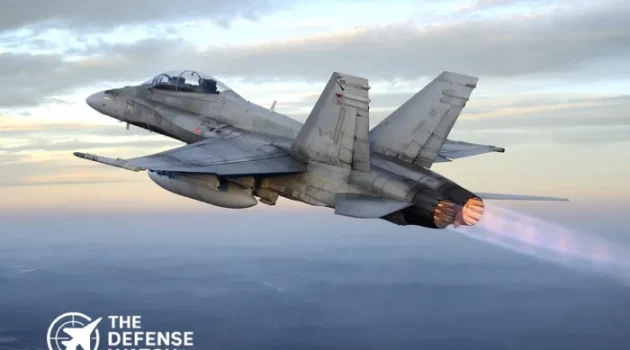
Canada’s Future Fighter Capability Project long sought to replace its CF-18 Hornets. After a competitive evaluation, the F-35 was selected in 2022-2023 for its superior capabilities in network-centric warfare. The Gripen was a competitor but scored lower in operational assessments.
(adsbygoogle = window.adsbygoogle || []).push({});Tensions with the United States, including tariff disputes and statements from former President Trump, accelerated the review. The Carney government has emphasized “elbows up” sovereignty in defense procurement. Saab’s willingness to offer technology transfer and local production has made the Gripen option more attractive.
Challenges and Considerations for a Mixed Fleet
Operating two fighter types presents notable hurdles. The RCAF would need dual training pipelines, separate maintenance infrastructures, and distinct supply chains. Critics, including some within the RCAF leadership, have expressed reservations about diluting focus from the F-35’s proven advantages.
There are also diplomatic and contractual implications. Reducing the F-35 order could strain relations with the U.S. and Lockheed Martin, potentially affecting industrial offsets or NORAD cooperation. Legal and penalty considerations for any contract adjustments remain under scrutiny.
On capability, the F-35’s low-observable profile and data-sharing prowess provide a qualitative edge in high-threat environments. The Gripen excels in affordability and agility, with modern avionics, Meteor missile integration, and a design optimized for austere operations.
(adsbygoogle = window.adsbygoogle || []).push({});Further original analysis: In the Arctic context, where Canada faces increasing Russian and Chinese activity, a larger number of affordable, maintainable platforms like the Gripen could increase sortie rates for presence patrols. Meanwhile, a smaller F-35 core would serve as a strategic deterrent and enabler for allied operations. Success would depend on robust integration of both platforms into a common command-and-control network, leveraging Link 16 and other datalinks. Long-term, this could position Canada as a more self-reliant aerospace player in North America.
Path Forward and Timeline
Sources indicate the decision on the fighter mix is largely formed, with an announcement possibly timed around the U.S. midterm elections in the fall of 2026 to minimize immediate bilateral friction.
The RCAF’s current fighter fleet stands at around 76 CF-18s, many of which are approaching the end of their service life. A timely decision is critical to avoid capability gaps.