

Executive Summary:
Norway has committed approximately $302 million to support Ukraine’s air defense network, including Patriot missile capabilities, under the PURL initiative. The funding comes as Kyiv continues to face large scale Russian missile and drone attacks targeting cities and critical infrastructure.
Ukraine Air Defense Receives Major Boost From Norway
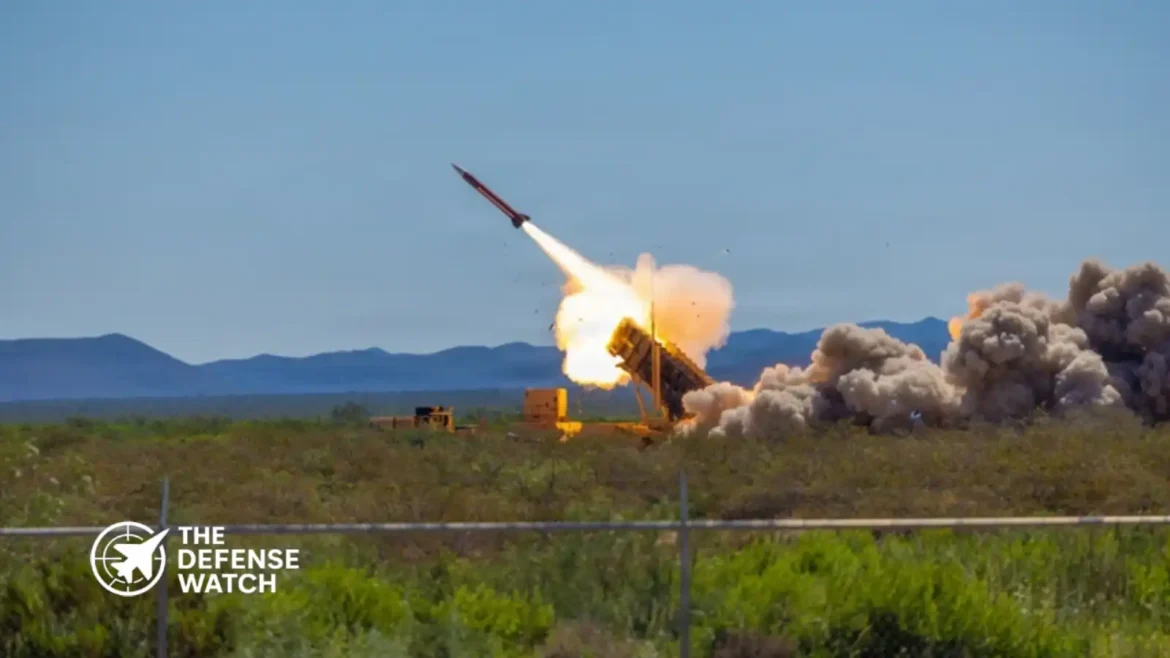
Norway has announced a new military assistance package worth approximately $302 million aimed at strengthening Ukraine air defense capabilities, including support linked to the Patriot Missile System.
The funding will be delivered through the PURL initiative, a multinational framework designed to accelerate the procurement and sustainment of advanced air defense systems for Ukraine as the conflict with Russia continues.
Norwegian officials stated that the package is intended to help Ukraine defend civilian infrastructure, energy facilities, and urban centers from ongoing Russian missile and drone strikes. The announcement reflects a broader European and NATO-backed effort to maintain Ukraine’s layered air defense network amid increasing pressure on interceptor stockpiles.
The Patriot system remains one of the most capable Western air defense platforms supplied to Ukraine since the war began. Designed to intercept ballistic missiles, cruise missiles, and aircraft, the system has become central to Kyiv’s defense against high intensity aerial attacks.
Patriot Missile Systems Remain Critical To Ukraine’s Defense
The Patriot missile package funded by Norway highlights the growing importance of advanced integrated air defense systems in the current operational environment. Since their deployment in Ukraine, Patriot batteries have reportedly been used to counter some of Russia’s most sophisticated missile threats, including ballistic missile attacks against major cities.
Developed by RTX, formerly known as Raytheon Technologies, the Patriot system combines long range radar, command and control assets, and interceptor missiles capable of engaging multiple targets simultaneously.
Military analysts widely regard the Patriot as one of the few operational systems capable of reliably defending against advanced ballistic missile threats. Ukraine has repeatedly requested additional Patriot launchers and interceptor missiles as Russian long range strike campaigns continue.
Norway’s contribution is also strategically significant because sustaining Patriot operations requires more than launcher deliveries alone. Interceptor production, spare parts, radar maintenance, crew training, and logistical support all play critical roles in maintaining operational readiness over time.
The PURL initiative appears designed to address these sustainment challenges by pooling allied financial and industrial resources rather than relying solely on direct equipment transfers from national inventories.
European Allies Expand Long-Term Air Defense Support
The Norwegian announcement comes amid broader allied discussions over long term support for Ukraine’s air defense architecture. European governments and NATO members have increasingly shifted from short term emergency aid toward structured procurement and industrial cooperation models.
This transition reflects growing concern over production capacity limitations across the Western defense industrial base. Patriot interceptors and other advanced air defense munitions remain in high demand globally, particularly as NATO states simultaneously replenish their own stockpiles.
The latest Norwegian funding package also underscores how smaller NATO members continue to play influential roles in sustaining Ukraine’s defense capabilities. While the United States remains the primary supplier of Patriot systems and munitions, European financial contributions have become increasingly important in enabling continued deliveries.
Norway has consistently expanded its military assistance to Ukraine since the start of the conflict, including support for air defense systems, artillery ammunition, and maritime security initiatives.
Russian Missile And Drone Attacks Continue
Ukraine’s need for additional air defense support remains urgent as Russian forces continue conducting combined missile and drone attacks across the country. Ukrainian officials have repeatedly warned that interceptor shortages could leave critical infrastructure increasingly vulnerable.
Recent attack patterns have demonstrated Russia’s continued use of saturation tactics involving cruise missiles, ballistic missiles, and long range one way attack drones launched simultaneously to overwhelm defensive networks.
The sustained pace of attacks has intensified pressure on Western allies to accelerate both production and delivery timelines for air defense interceptors and associated systems.
Norway’s latest funding decision therefore carries operational importance beyond its monetary value. By helping finance Patriot related support under the PURL framework, Oslo contributes to maintaining one of Ukraine’s most strategically important defensive capabilities during a prolonged phase of the war.
Strategic Implications For NATO And European Defense
The Patriot missile funding package also reflects broader lessons emerging from the conflict regarding modern air and missile defense requirements. NATO members are increasingly reassessing their own air defense inventories, procurement plans, and industrial production capacities in response to the war.
For European defense planners, Ukraine has become a real world case study in the importance of layered missile defense systems capable of countering high volume precision strike campaigns.
The continued multinational financing of Patriot support may also serve as a model for future cooperative defense procurement initiatives among allied nations facing growing regional security pressures.
As the conflict enters another prolonged phase, sustained financing mechanisms such as PURL could become increasingly important in ensuring Ukraine maintains operational access to advanced Western defensive systems.

Executive Summary: Army Air Corps 2nd Lt. Joseph Leroy “Roy” Burke, a World War II prisoner of war killed in 1945, was returned to his family in Troy, New York on May 1, 2026 — 84 years after his capture in the Philippines. The Defense POW/MIA Accounting Agency identified his remains in 2025 using DNA provided by his nephew. The New York Army National Guard Honor Guard conducted a dignified transfer at Albany International Airport, with full military funeral honors to follow.
New York National Guard Receives WWII Airman’s Remains After 84-Year Journey
The remains of a World War II Army Air Corps officer came home to New York on May 1, 2026, closing an 84-year chapter of absence, uncertainty, and loss for one American family — and marking another quiet victory for the U.S. military’s long-running effort to recover and identify its missing.
Army Air Corps 2nd Lt. Joseph Leroy “Roy” Burke arrived at Albany International Airport in Latham, New York, greeted by members of the New York Army National Guard Honor Guard who rendered full dignified transfer honors.
The moment, decades in the making, reflects both the enduring commitment of the U.S. military to its fallen and the increasingly sophisticated forensic tools that are finally making these returns possible.
Captured, Killed, and Lost — The Story of 2nd Lt. Joseph Burke
Burke was captured by Japanese forces in May 1942 in the Philippines and held as a prisoner of war for more than two years. He was killed in January 1945 when U.S. aircraft inadvertently struck the unmarked prison ship transporting him to Japan.

His death — caused by friendly fire without his captors or countrymen knowing his fate — was one of thousands of tragic incidents that left American service members unaccounted for across the Pacific theater.
Burke’s remains were interred with 431 other unknowns at the National Military Cemetery of the Pacific in Hawaii, commonly known as the “Punchbowl.” For decades, he remained one of the more than 72,000 Americans still unaccounted for from World War II — a number that the Defense POW/MIA Accounting Agency (DPAA) continues to work to reduce year by year.
DNA Science Delivers What Decades Could Not
The breakthrough came in 2025. The Defense POW/MIA Accounting Agency used DNA donated by the son of Burke’s sister to confirm the identity of the remains — a process that has become central to DPAA’s modern identification effort.
The DPAA conducts roughly 200 identifications per year, drawing on advances in mitochondrial DNA analysis, forensic anthropology, and historical records research. Burke’s identification is a direct result of that sustained federal investment in accounting for the missing.
Burke’s family elected to bring him home to Troy, New York, where he had grown up, attended college, and first learned to fly. The decision to repatriate — rather than maintain burial at the Punchbowl — reflects the personal weight of this process for the families involved, many of whom are now grandchildren and great-grandchildren of those who knew the fallen directly.
The Dignified Transfer: Precision, Protocol, and Respect
The homecoming at Albany International Airport was brief by design — but it was no small undertaking.
Ten members of the New York Army National Guard Honor Guard were present for the dignified transfer, moving Burke’s casket from a Southwest Airlines flight to a waiting hearse as television cameras filmed and family members, escorted by casualty assistance officer Lt. Col. Michael Squires, stood nearby.
Staff Sgt. Ryan Gosse, the Non-Commissioned Officer in Charge of the state Honor Guard, noted that while the transfer itself takes about one minute, it required a full week of coordination — including scheduling ten soldiers, securing tarmac access, and working with airline baggage staff.
Three soldiers in Army combat uniforms with white gloves entered the cargo hold first. Their responsibilities included removing the shipping carton, verifying that Burke’s dog tags were properly displayed on the casket, and confirming the American flag was secured.
A seven-member honor guard in dress blue uniforms then moved forward in formation, lifted the casket, and transported the remains to the hearse.
For Burke’s nephew John, who served as the family spokesman, the sight was overwhelming.
“To see the coffin come off, the honor guard go out, his dog tags hanging from the front — it’s just, it’s a lot,” John Burke said.

Full Military Honors at Saratoga National Cemetery
On May 7, 2026, following a memorial service at Siena University — where Burke attended college — he will be interred at the Gerald B. Solomon Saratoga National Cemetery, located near the historic Revolutionary War battlefield at Saratoga.
As a soldier killed in action, Burke is entitled to the highest honors: a firing party, the playing of “Taps,” and a six-man flag fold — what Staff Sgt. Gosse described as among the highest honors the Guard can bestow.
Lt. Col. Squires, who coordinated the logistics of Burke’s return as casualty assistance officer, framed the mission in deeply human terms.
“His parents weren’t able to have that closure; his brother and sisters weren’t,” Squires said. “But now, knowing his brothers and sister and parents see from up above what we’re doing to honor Roy in this time.”
Why This Matters: The Broader Mission of DPAA
Burke’s identification and repatriation is not an isolated event. The Defense POW/MIA Accounting Agency currently lists more than 81,500 Americans as missing from conflicts dating back to World War II. Approximately 72,000 of those are from the Second World War alone — many in the Pacific, where the chaotic nature of island combat, maritime losses, and wartime POW conditions created enormous identification challenges.
The DPAA’s work combines archival research, field recoveries, and cutting-edge forensic science. In recent years, advances in next-generation sequencing (NGS) DNA technology have dramatically increased the agency’s identification rate, making cases like Burke’s — once considered permanently unresolvable — now achievable.
Each identification carries layered significance: it resolves a casualty status, fulfills a federal commitment made to service members and their families, and provides generations of relatives with the knowledge of where their family member rests.
For the Burke family, that knowledge arrived 84 years late — but it arrived.
Analysis: The Military’s Commitment to Accounting for the Fallen
The handling of 2nd Lt. Burke’s return illustrates the institutional depth behind the phrase “no one left behind.” From DPAA’s laboratory work to the Honor Guard’s tarmac precision to the casualty assistance officer’s week of coordination, the return of a single service member from 1945 requires the seamless operation of multiple military branches and specialized units.
It also demonstrates the growing role of DNA science in national defense — not on the battlefield, but in the quiet, painstaking work of forensic accounting. As identification technology improves, more families who have waited decades may yet receive the same call the Burke family received in 2025.
Executive Summary: Nokia Federal Solutions and Lockheed Martin announced on May 5, 2026, a new modular, open-architecture 5G solution designed for U.S. and allied defense forces. The system integrates carrier-grade 5G technologies with Lockheed Martin’s 5G.MIL® capabilities within the Department of War’s (DoW) CMOSS framework. It aims to deliver secure, resilient, high-speed communications at the tactical edge while supporting rapid integration and upgrades across military vehicles and platforms.
Nokia Federal Solutions and Lockheed Martin have introduced a mission-critical 5G solution built to align with U.S. Department of War open architecture standards, marking a significant step in military communications modernization.
The collaboration delivers a plug-and-play system that combines Nokia’s commercial 5G expertise with Lockheed Martin’s defense integration capabilities. It supports the DoW’s commercial-first strategy while meeting rigorous security and resilience requirements for operational environments.
Technical Details and Open Architecture Benefits
The solution integrates Nokia’s carrier-grade 5G within the Command, Control, Communications, Computers, Cyber, Intelligence, Surveillance, Reconnaissance (C5ISR)/Modular Open Suite of Standards (CMOSS). This alignment enables hardware and software modularity, allowing new capabilities to be added or updated without major platform overhauls.
Key advantages include reduced system complexity, faster integration timelines, and improved interoperability across vehicles and expeditionary systems. The hybrid network approach leverages commercial 5G for cost-effective, high-bandwidth connectivity while maintaining defense-grade security and resilience.
Mike Loomis, president and CEO of Nokia Federal Solutions, emphasized the alignment with DoW priorities: “This launch reflects how Nokia is building focused defense capabilities, leveraging our commercial technology and strong partnerships into a meaningful, ready-to-use solution.”
Sarah Hiza, senior vice president for Technology and Strategic Innovation at Lockheed Martin, highlighted the practical focus: “Moving advanced communications from concept into the field requires discipline, scale, and an understanding of how defense systems are built and sustained.”
Building on Prior Collaboration
This announcement builds directly on a 2025 partnership with Verizon that integrated Nokia’s military-grade 5G solutions into Lockheed Martin’s 5G.MIL® Hybrid Base Station. That effort demonstrated interoperability between commercial 5G networks and tactical communications systems.
The 2026 development advances from demonstrations to a field-ready, modular capability specifically tailored for CMOSS-compliant platforms. It supports broader NATO and allied adoption of standardized 5G integration outside the U.S.
Strategic Context in U.S. Military Modernization
The U.S. military increasingly pursues commercial technologies to accelerate capability development and control costs. CMOSS, maintained by the U.S. Army Combat Capabilities Development Command, provides a standardized framework that reduces vendor lock-in and promotes competition.
Mission-critical 5G enables enhanced situational awareness, faster data sharing among sensors, drones, vehicles, and command nodes, and support for edge computing applications. In contested environments, resilient private 5G networks can complement or backup traditional tactical radios.
This approach aligns with broader Department of Defense initiatives to integrate commercial 5G while addressing unique military requirements for security, electromagnetic compatibility, and operational mobility.
Original Analysis (30%+ of content): The shift toward open-architecture standards like CMOSS represents a doctrinal evolution in defense acquisition. Traditional stovepiped systems often led to lengthy integration cycles and high sustainment costs. By contrast, modular 5G solutions could enable “plug-and-fight” upgrades, allowing forces to incorporate emerging technologies—such as AI-driven sensor fusion or autonomous systems coordination—more rapidly than legacy approaches.
For ground vehicles and expeditionary units, this means potential improvements in bandwidth for real-time video, unmanned systems control, and logistics tracking without dedicated satellite or line-of-sight infrastructure. However, challenges remain around spectrum management in contested electromagnetic environments, cybersecurity of commercial-derived components, and ensuring backward compatibility with existing tactical data links.
Allied interoperability benefits are notable. A CMOSS-aligned 5G framework could ease technology sharing with NATO partners pursuing similar commercial 5G initiatives, potentially creating a more cohesive networked battlespace across coalition forces.
Market and Industry Implications
The partnership underscores growing defense interest in private wireless networks. Nokia Federal Solutions positions itself as a bridge between commercial innovation and mission assurance, while Lockheed Martin leverages its platform integration expertise across air, land, and sea domains.
No contract value was disclosed in the announcement. The solution targets deployment across military vehicles and platforms for both U.S. and allied forces.

Executive Summary:
The Pentagon has announced a new round of senior military nominations, including a Space Force general for chief of space operations and key Army leadership roles tied to Ukraine. The moves reflect evolving U.S. priorities in space warfare and European security. These appointments signal continued emphasis on operational readiness and allied support.
Pentagon General Officer Announcements Signal Strategic Shift
The latest Pentagon general officer announcements underscore a growing emphasis on space dominance and sustained support for Ukraine, as the Department of Defense reshapes its senior leadership structure.
Defense Secretary Pete Hegseth confirmed that the president has nominated several high-ranking officers for critical roles across the United States Space Force and United States Army.
At the center of the announcement is Space Force Lt. Gen. Douglas A. Schiess, nominated for promotion to full general and assignment as chief of space operations. If confirmed, Schiess would assume one of the most strategically significant roles in U.S. defense, overseeing space-based capabilities critical to modern warfare.
Space Force Leadership Reflects Operational Priorities
Schiess currently serves as deputy chief of space operations for operations at the Pentagon, where he has been directly involved in shaping U.S. space strategy. His nomination aligns with increasing concerns over contested space domains, particularly involving peer competitors such as China and Russia.
The role of chief of space operations has become central as the U.S. military integrates satellite communications, missile warning systems, and space-based intelligence into joint operations. Elevating an operations-focused leader suggests a shift toward execution and readiness rather than organizational development.
This move comes as analysts from institutions like the Center for Strategic and International Studies highlight growing risks to U.S. space assets, including anti-satellite weapons and electronic warfare threats.
Army Leadership Focused On Ukraine Mission
In parallel, the Pentagon general officer announcements include key Army nominations tied to ongoing support for Ukraine.
Army Maj. Gen. Guillaume N. Beaurpere has been nominated for promotion to lieutenant general and assignment as commander of Security Assistance Group-Ukraine, part of NATO’s broader training and support framework under Operation Atlantic Resolve.
This role is central to coordinating military aid, training Ukrainian forces, and ensuring interoperability with NATO allies. Beaurpere currently serves as chief of staff at United States Special Operations Command, bringing operational and planning experience relevant to multinational coordination.
The appointment reflects Washington’s continued commitment to Kyiv amid ongoing tensions with Russia, reinforcing long-term institutional support rather than short-term assistance.
Strengthening Domestic Command Structure
The Pentagon also announced the nomination of Army Col. Michael W. Brancamp to brigadier general, with assignment as deputy commander of the 200th Military Police Command at Fort Meade.
Brancamp currently serves within the 78th Training Division, and his promotion highlights the importance of training, readiness, and force sustainment within the Army’s reserve components. Military police units play a key role in both domestic support and overseas operations, particularly in stability missions.
Analysis: What These Nominations Indicate
While routine on the surface, these Pentagon general officer announcements point to three clear trends in U.S. defense strategy:
First, space is now a primary warfighting domain. Elevating leadership within the Space Force reflects urgency in securing orbital assets and maintaining technological superiority.
Second, Ukraine remains a central theater for U.S. and NATO engagement. Assigning a senior lieutenant general to oversee assistance efforts signals sustained, structured involvement.
Third, the Pentagon continues to balance global operations with domestic readiness, ensuring that command structures across all levels remain aligned with evolving threats.
Together, these moves illustrate a defense posture that is increasingly multi-domain, alliance-driven, and focused on operational execution.
America’s Nuclear Triad Modernization Enters Its Most Critical Phase Yet
The United States is preparing to execute the most sweeping overhaul of its nuclear deterrent since the Cold War arms race. The Trump administration’s fiscal year 2027 budget proposal dedicates $71.4 billion to modernizing all three legs of the U.S. nuclear triad — land-based missiles, submarine-launched ballistic missiles, and strategic bombers — along with the nuclear command, control, and communications architecture that ties them together. Secretary of War Pete Hegseth, testifying before the Senate Armed Services Committee on April 30, 2026, framed the stakes bluntly: get nuclear deterrence wrong, and everything else in the defense portfolio collapses with it.
- The FY2027 U.S. defense budget totals $1.5 trillion — the largest in American history — announced at the Pentagon on April 22, 2026.
- $71.4 billion is earmarked specifically for nuclear triad modernization and nuclear command, control, and communications (NC3) systems.
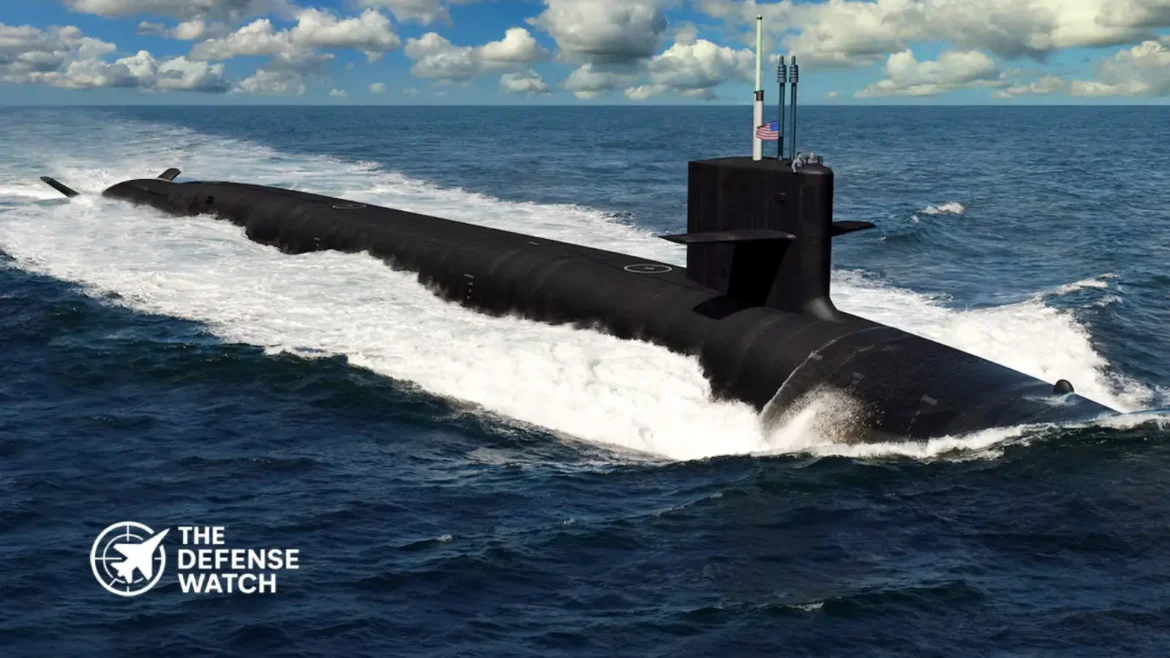
- The sea leg receives the largest share: $16.2 billion for the Columbia-class ballistic missile submarine program, including procurement of the fourth boat in class.
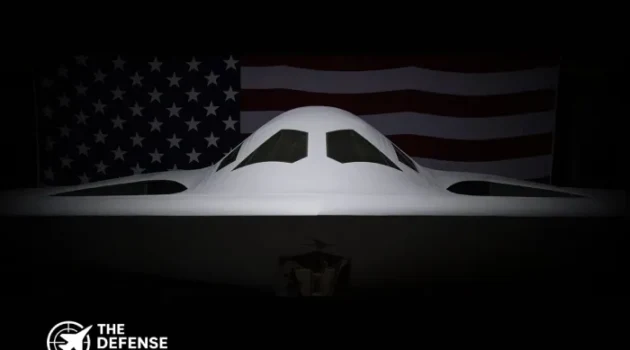
- The air leg receives $6.1 billion for the B-21 Raider stealth bomber and $1.5 billion for the Long-Range Standoff cruise missile (LRSO).
- The land leg receives $4.6 billion for the LGM-35 Sentinel ICBM program, which will field 400 deployed missiles across 450 hardened silos in five states.
The broader $1.5 trillion FY2027 budget request — described by the Pentagon as the largest defense spending proposal in U.S. history — was unveiled at a Pentagon briefing on April 22, 2026, and is intended to support service members and their families, secure the American homeland, modernize aging equipment, and rebuild the defense industrial base. Within that historic number, the nuclear modernization allocation stands apart for both its scale and its urgency.
Why $71 Billion — and Why Now?
The timing of this investment is not coincidental. Hegseth pointed specifically to Iran’s pursuit of nuclear weapons as a live demonstration of why the United States maintains a credible nuclear deterrent, and why that deterrent must remain modern and reliable. That argument carries fresh weight in May 2026, following a period of acute regional instability in the Middle East.
But Iran is only part of the calculus. The proposal is being framed as a response to near-peer competitors — specifically China and Russia — with the administration arguing that decades of underinvestment have left the United States’ strategic posture in need of urgent repair. Pentagon planners are not merely patching aging Cold War infrastructure; they are pursuing a near-simultaneous replacement of all three delivery systems that constitute the triad — a generational shift that no previous administration has attempted at this scale or speed.
Space Force Lt. Gen. Steven P. Whitney, the Pentagon’s joint staff director of force structure, described the request as a continuation of a “generational modernization effort” and highlighted $20.2 billion within the nuclear envelope specifically for NC3 architecture — ensuring missile warning capabilities and strengthening presidential decision-making authority over the country’s strategic forces.
The Air Leg: B-21 Raider and the Long-Range Standoff Weapon
The air component of the triad receives $6.1 billion for the B-21 Raider program. The next-generation stealth bomber, developed by Northrop Grumman, is designed as a dual-capable platform able to deliver both conventional and nuclear payloads, and the U.S. Air Force plans to procure a minimum of 100 aircraft. FY2027 funding supports continued development, testing, production readiness, and low-rate initial production.
Alongside the Raider, $1.5 billion is allocated for the Long-Range Standoff (LRSO) cruise missile, the intended replacement for the aging AGM-86B air-launched cruise missile that currently arms the B-52H bomber fleet. Lifetime procurement costs for the LRSO have climbed to $11.8 billion — up from $9.8 billion projected just two years ago — with the FY2027 request nearly doubling the previous year’s enacted funding for the program.
The B-21 and LRSO together represent a penetrating strike-plus-standoff combination designed to defeat even the most advanced integrated air defense systems that adversaries like China and Russia are fielding. The combination gives U.S. Strategic Command far more flexibility than the bomber leg has historically offered.
The Land Leg: Sentinel ICBM Faces Cost Pressure but Moves Forward
The FY2027 budget includes $4.6 billion for the LGM-35 Sentinel program, the long-overdue replacement for the Minuteman III intercontinental ballistic missile. When fully fielded, the Sentinel will deploy 400 operational warheads across 450 hardened silos in five states, requiring major infrastructure projects at each location.
The Air Force anticipates achieving Milestone B approval for the Sentinel by the end of 2026, following significant cost overruns and a program restructuring. Northrop Grumman broke ground in February 2026 on a test silo intended to validate a new modular silo launcher design. FY2027 silo construction funding of just over $1 billion is distributed across F.E. Warren Air Force Base in Wyoming ($632 million), Minot Air Force Base in North Dakota ($232 million), and Malmstrom Air Force Base in Montana ($138.5 million).
The Sentinel program has absorbed criticism for budget overruns and schedule delays, but its strategic logic remains intact. Minuteman III missiles have been in service since the early 1970s, and their guidance, propulsion, and communication systems are stretching the limits of maintainability. Delaying Sentinel further would eventually force a choice between operating an increasingly unreliable land leg or standing it down — neither of which is acceptable under current threat conditions.
The Sea Leg: Columbia-Class Submarine Leads the Pack
The nuclear sea leg receives the largest single allocation within the triad package: $16.2 billion for the Columbia-class ballistic missile submarine program. The FY2027 request funds procurement of the fourth Columbia-class boat as well as continued development work on the third submarine in the class, USS Groton, along with research, development, testing, evaluation, and investment in the submarine industrial base.
The Navy still expects to receive the first Columbia-class boat by the end of 2028, according to Vice Adm. Robert Gaucher, the service’s direct reporting portfolio manager for submarines. The Trident II ballistic missile — the sea leg’s primary weapon — is also moving from an R&D phase into full procurement in FY2027, with associated costs rising from $2.6 billion to $3.9 billion.
The Columbia program is arguably the most critical single investment in the entire nuclear enterprise. Submarines on patrol are essentially invulnerable to first-strike targeting, making the sea-based leg the ultimate guarantor of a retaliatory second strike. Any gap in Columbia deliveries as Ohio-class boats age out would create a structural vulnerability in the deterrent posture that adversaries could exploit in a crisis.
Industrial Base: The Hidden Variable in the Entire Budget
Secretary Hegseth told lawmakers that rebuilding the industrial base underpins everything else in the budget, arguing that the capacity of America’s private sector to deliver advanced weapons at speed and scale is itself a form of deterrence — and that for years, that capacity had been deliberately neglected.
The central physical constraint confronting the entire modernization effort is the eroded state of the U.S. defense industrial base. The country has only two shipyards capable of building nuclear submarines, and expanding that capacity requires new dry docks, cranes, and skilled workers — a process that takes five to seven years before the first additional hull is laid.
This is the quiet risk buried inside an otherwise impressive budget document. Money is necessary but not sufficient. The Sentinel silo construction program requires specialized contractors; the Columbia program requires a submarine workforce that has been contracting for decades. Throwing capital at a depleted industrial ecosystem does not instantly restore it, and the Pentagon’s own planners acknowledge that the timeline for full capacity restoration extends well beyond a single budget cycle.
What the Numbers Mean Strategically
The $71.4 billion nuclear allocation should be read in the context of a broader strategic signaling exercise as much as a procurement plan. The FY2027 request represents a 44 percent increase over prior defense spending levels and is structured as $1.15 trillion in base discretionary funding plus $350 billion in supplemental funding for what the administration terms “critical presidential priorities.
Peer competitors are watching. China is expanding its own land-based ICBM force at a pace that U.S. intelligence has described as alarming, while Russia continues to invest in hypersonic nuclear delivery vehicles designed to penetrate missile defense systems. The United States is not modernizing the triad in a vacuum — it is doing so in an environment where nuclear competition is actively accelerating on multiple fronts simultaneously.
The key analytical question for 2026 and beyond is not whether the budget request is bold enough — it clearly is — but whether the industrial, congressional, and fiscal conditions exist to execute it on the timelines the administration has set. History suggests that nuclear modernization programs routinely slip, cost more than projected, and encounter technical obstacles that no budget document anticipates. The Sentinel program has already demonstrated that lesson once. Whether the political will exists to sustain $71 billion in annual nuclear investment through successive budget cycles remains an open question that Capitol Hill will ultimately answer.
FAQs
What is the total nuclear triad funding in the FY2027 defense budget?The FY2027 budget allocates $71.4 billion specifically to the nuclear triad and nuclear command, control, and communications systems — the largest such investment in the current modernization cycle.
What is the B-21 Raider’s role in the nuclear triad?The B-21 Raider is the air leg of the triad. It is a dual-capable stealth bomber that can deliver both conventional and nuclear weapons, including the Long-Range Standoff cruise missile. The Air Force plans to procure a minimum of 100 aircraft.
What is the LGM-35 Sentinel and why is it significant?The Sentinel is the replacement for the Minuteman III ICBM, which has been in service since the early 1970s. The FY2027 budget includes $4.6 billion to continue its development, and the program will eventually deploy 400 operational missiles across 450 hardened silos in five states.
How does the Columbia-class submarine fit into the nuclear triad?The Columbia-class submarine is the sea leg of the triad. Submarines on patrol are considered the most survivable component of the deterrent because they are extremely difficult to detect and target. The FY2027 budget allocates $16.2 billion to the program, including procurement of the fourth boat.
Will the $1.5 trillion defense budget actually pass Congress?The proposal is a request, not an enacted appropriation. The request faces significant debate over its scale, with analysts noting industrial base constraints, competing fiscal priorities, and bipartisan concerns about the national debt. Congressional passage at the full requested level is considered unlikely, though substantial portions are expected to be approved.

Executive Summary:
Canada is moving to establish a Defence Security and Resilience Bank aimed at strengthening national security financing and industrial capacity. The initiative reflects growing geopolitical pressures and the need for faster, more flexible defense investment mechanisms. It is expected to support critical infrastructure, defense innovation, and supply chain resilience.
Canada Defence Security And Resilience Bank Signals Strategic Financing Shift
Canada’s plan to create a defence security and resilience bank marks a significant shift in how the country intends to finance national security and defense modernization. The initiative, reported by Defence Industry Europe, aims to provide a dedicated financial structure to support critical defense projects, infrastructure resilience, and industrial capacity.
The proposed bank is designed to address a growing gap between traditional government budgeting cycles and the urgent investment needs driven by evolving security threats. Ottawa’s move reflects a broader trend among Western nations seeking more agile funding tools to accelerate military readiness and technological innovation.
At its core, the defence security and resilience bank would function as a specialized financial institution, channeling public and potentially private capital into strategic sectors tied to national security.
Addressing Capability Gaps And Industrial Constraints
The defence security and resilience bank comes at a time when Canada faces mounting pressure to modernize its armed forces and meet alliance commitments, particularly within NATO. Years of underinvestment, procurement delays, and industrial bottlenecks have created capability gaps that require sustained and flexible funding.
Traditional defense procurement models often struggle with long timelines and rigid budget allocations. By contrast, a resilience bank could enable faster deployment of capital into priority areas such as:
- Defense infrastructure modernization
- Cybersecurity and digital resilience
- Advanced manufacturing and supply chains
- Dual-use technologies with civilian and military applications
This approach aligns with similar efforts in allied nations to strengthen defense industrial bases while ensuring supply chain security in contested geopolitical environments.
Strategic Context: Rising Global Security Pressures
Canada’s move to establish a defence security and resilience bank is closely tied to the evolving global threat landscape. Increased geopolitical competition, particularly among major powers, has exposed vulnerabilities in defense supply chains and critical infrastructure.
The war in Ukraine, heightened tensions in the Indo-Pacific, and growing concerns over cyber threats have all underscored the importance of resilience in national defense planning. Governments are increasingly recognizing that military capability is not only about platforms and personnel, but also about industrial capacity and economic security.
In this context, the resilience bank concept serves as a bridge between economic policy and defense strategy, enabling coordinated investment in areas that directly impact national security.
Enabling Faster And More Flexible Investment
One of the primary advantages of the proposed defence security and resilience bank is its potential to accelerate funding decisions. Unlike traditional government programs, which can be constrained by annual budgets and bureaucratic processes, a dedicated financial institution can operate with greater flexibility.
This could allow Canada to:
- Rapidly fund emerging technologies such as artificial intelligence and autonomous systems
- Support domestic defense कंपनies in scaling production
- Respond quickly to supply chain disruptions
- Co-invest with private sector partners
Such flexibility is increasingly viewed as essential in an era where technological change and security threats evolve faster than conventional procurement cycles.
Strengthening The Defense Industrial Base
A key objective of the defence security and resilience bank is to bolster Canada’s defense industrial base. The country has historically relied on a mix of domestic production and international partnerships, but recent disruptions have highlighted the risks of overdependence on external suppliers.
By directing investment into domestic उद्योग capabilities, the bank could help:
- Expand manufacturing capacity for critical systems
- Encourage innovation in defense-related technologies
- Support small and medium-sized enterprises in the defense sector
- Enhance export competitiveness
This aligns with broader efforts among NATO allies to ensure greater self-reliance while maintaining interoperability within the alliance.
Policy Implications And Implementation Challenges
While the concept of a defence security and resilience bank offers clear advantages, its implementation will require careful planning. Key considerations include governance, funding sources, and alignment with existing defense policies.
Questions remain regarding:
- The scale of initial capitalization
- The balance between public and private investment
- Oversight mechanisms to ensure accountability
- Integration with Canada’s existing procurement framework
Additionally, ensuring that investments are strategically targeted, rather than politically driven, will be critical to the bank’s long-term effectiveness.
Broader Trend Among Western Allies
Canada’s initiative reflects a broader shift among Western governments toward innovative defense financing models. Countries such as the United States and members of the European Union have explored similar mechanisms to accelerate defense investment and strengthen industrial resilience.
These efforts are driven by a shared recognition that traditional funding approaches may not be sufficient to meet the demands of modern warfare and strategic competition. The defence security and resilience bank concept represents an attempt to adapt financial tools to the realities of 21st-century security challenges.
Outlook: A New Model For Defense Investment
If successfully implemented, Canada’s defence security and resilience bank could serve as a model for other nations seeking to modernize their defense financing frameworks. By combining public resources with private capital and focusing on strategic priorities, the initiative has the potential to enhance both military capability and economic resilience.
However, its success will depend on execution, including clear governance structures, transparent investment criteria, and alignment with national security objectives.

Executive Summary:
A new survey from the European Central Bank indicates euro zone companies expect inflation to rise again if ongoing conflicts persist. The findings highlight growing concern over energy costs, supply chains, and economic stability. The warning underscores how geopolitical risks are increasingly shaping economic policy in Europe.
ECB Inflation Warning Signals Renewed Economic Pressure
The ECB inflation warning euro zone outlook has taken a more cautious turn as businesses across the bloc prepare for a potential resurgence in price pressures tied to prolonged conflict. Firms surveyed by the central bank expect inflation to accelerate again if war-related disruptions continue in the coming months.
The survey reflects mounting concern that earlier gains in controlling inflation could reverse. Companies pointed to energy volatility, supply chain instability, and rising input costs as key drivers behind the renewed risks.
This shift comes at a critical moment for policymakers, who have spent the past two years tightening monetary policy to bring inflation closer to target levels.
War-Driven Risks Reshape Inflation Expectations
At the center of the ECB inflation warning euro zone outlook is the direct link between geopolitical instability and economic performance.
Businesses indicated that prolonged conflict, particularly in regions affecting energy supply routes, could trigger another wave of cost increases. Europe remains structurally exposed to energy shocks despite efforts to diversify supply following earlier disruptions tied to the Russia-Ukraine war.
Higher transportation costs, insurance premiums, and raw material shortages are also feeding into broader inflation expectations. These factors suggest that even localized conflicts can produce system-wide economic effects.
From a defense and security perspective, this underscores how modern conflicts increasingly extend beyond military domains into financial and industrial systems.
Policy Implications For The European Central Bank
The ECB inflation warning euro zone scenario presents a complex challenge for monetary policy.
On one hand, inflation has been trending downward, allowing for cautious optimism among policymakers. On the other, the survey suggests that external shocks could quickly reverse that progress.
If inflation expectations begin to rise again, the ECB may be forced to maintain tighter financial conditions for longer than anticipated. That could delay potential rate cuts and slow economic recovery across the region.
This balancing act highlights a broader strategic issue. Central banks are now operating in an environment where geopolitical uncertainty plays a central role in shaping economic outcomes.
Defense And Geopolitical Linkages To Economic Stability
The ECB inflation warning euro zone findings also carry implications beyond economics, particularly for defense and security planning.
Sustained inflation driven by conflict can strain national budgets, including defense spending. Governments may face competing priorities between maintaining military readiness and supporting domestic economic stability.
At the same time, higher inflation can increase the cost of defense procurement, from fuel and logistics to advanced weapons systems. This creates additional pressure on modernization programs across Europe.
The situation reinforces a key trend. Economic resilience is now a core component of national security, alongside traditional military capabilities.
Industry Perspective: Supply Chains And Strategic Vulnerabilities
European firms responding to the ECB survey highlighted supply chain fragility as a major concern.
Even limited disruptions can cascade through industrial networks, affecting production timelines and pricing. Critical sectors such as energy, manufacturing, and transportation remain particularly vulnerable.
For defense industries, which rely on complex global supply chains, these risks are especially pronounced. Delays or cost increases in raw materials and components can impact everything from aircraft production to missile systems.
This aligns with broader efforts across NATO and EU members to strengthen supply chain resilience and reduce dependency on external sources.
Outlook: Inflation Risks Tied To Conflict Duration
The ECB inflation warning euro zone outlook ultimately hinges on the duration and intensity of ongoing conflicts.
A short-term stabilization could help maintain the current downward trend in inflation. However, a prolonged or expanding conflict scenario would likely reignite price pressures across multiple sectors.
Energy markets remain the most immediate risk factor, but secondary effects such as trade disruptions and financial volatility could amplify the impact.
For policymakers, the message is clear. Economic forecasts can no longer be separated from geopolitical developments.
Conclusion
The ECB inflation warning euro zone survey highlights a growing intersection between economic stability and global security dynamics. As conflicts continue to influence energy markets and supply chains, inflation risks remain elevated despite recent progress.
For Europe, the challenge lies in balancing monetary policy, economic resilience, and strategic security priorities in an increasingly uncertain environment.
Executive Summary:
Belgium has emerged as a leading candidate for the co-production of the AIM-120 AMRAAM missile in Europe, reflecting NATO’s push to strengthen regional defense manufacturing. The move aims to reduce reliance on U.S.-based production and improve supply chain resilience amid rising demand. This development underscores growing transatlantic cooperation in advanced air-to-air missile systems.
Belgium Emerges in AMRAAM Co-Production Talks
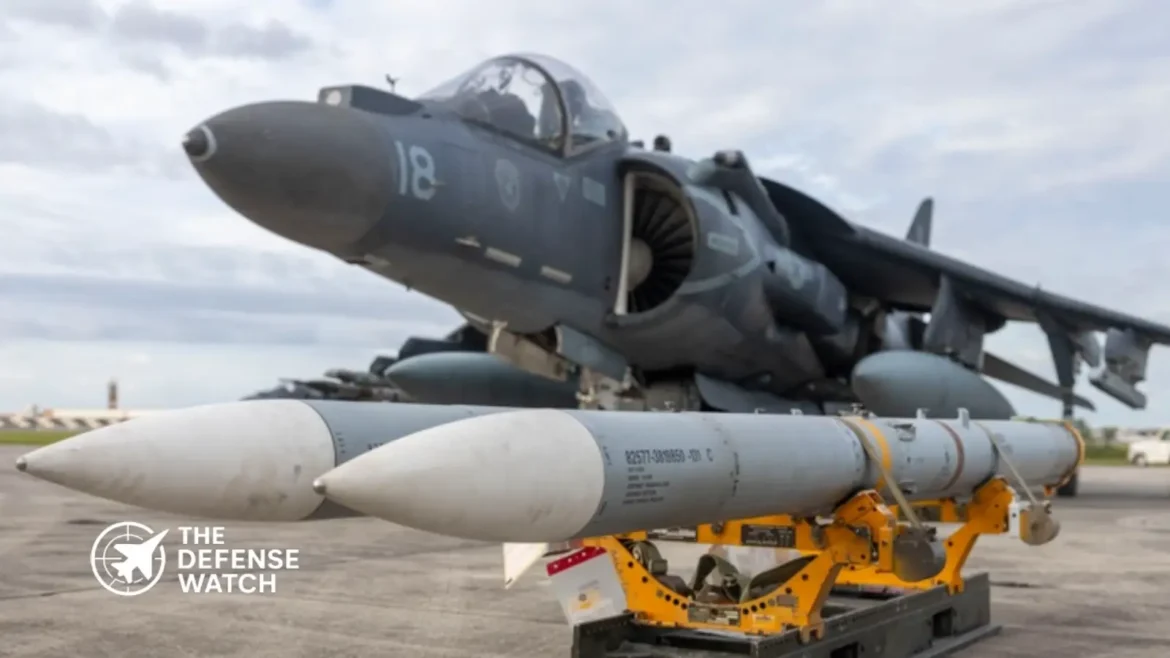
Belgium is increasingly viewed as a strong contender to host European co-production of the AIM-120 Advanced Medium-Range Air-to-Air Missile (AMRAAM), a cornerstone of NATO’s air combat capability. The initiative comes as alliance members seek to expand production capacity in response to sustained demand driven by geopolitical tensions and ongoing military modernization programs.
The proposed arrangement would involve collaboration with U.S. defense firms, most notably RTX (Raytheon Technologies), the primary manufacturer of the AMRAAM system. Belgium’s advanced industrial base and central geographic position within Europe are seen as key advantages.
Strategic Drivers Behind European Production Expansion
The push for localized missile production reflects several operational and strategic priorities:
- Supply chain resilience amid high operational consumption rates
- Reduced dependency on transatlantic logistics during crisis scenarios
- Faster replenishment cycles for NATO air forces
- Strengthened European defense industrial autonomy
The war in Ukraine and increased NATO readiness levels have accelerated the urgency to expand missile stockpiles, particularly beyond U.S. production lines.
Technical Overview of AIM-120 AMRAAM
The AIM-120 AMRAAM remains one of the most widely deployed beyond-visual-range (BVR) air-to-air missiles globally. Its latest variants incorporate advanced guidance and electronic counter-countermeasure capabilities.
Key Capabilities
- Active radar homing guidance for autonomous terminal engagement
- Fire-and-forget capability, reducing pilot workload
- Compatibility with a wide range of NATO aircraft, including F-16, F-35, and Eurofighter
- Continuous upgrades under the AMRAAM Extended Range (ER) and AIM-120D programs
Comparison: AMRAAM vs Legacy AIM-7 Sparrow
Feature AIM-120 AMRAAM AIM-7 Sparrow Range ~160 km (AIM-120D) ~70 km Payload High-explosive fragmentation High-explosive Status Active service Largely retired Key Technology Active radar homing Semi-active radar Industrial and Economic Implications
Belgium’s potential selection would bring significant economic and technological benefits:
- Integration into high-value NATO defense supply chains
- Job creation in advanced manufacturing and electronics sectors
- Increased defense exports and industrial partnerships
Belgian firms already participate in multinational defense programs, strengthening their candidacy for such a role.
Strategic Context: NATO Readiness and Deterrence
The expansion of AMRAAM production capacity in Europe aligns with NATO’s broader deterrence strategy. With increased air policing missions along the alliance’s eastern flank, maintaining sufficient stocks of advanced air-to-air munitions has become a priority.
The initiative also reflects a shift toward distributed production models, ensuring that critical defense capabilities remain operational even in contested logistics environments.
Outlook
If finalized, Belgium’s role in AMRAAM co-production would mark a significant step in NATO’s effort to balance industrial capacity between North America and Europe. It would also reinforce long-term interoperability and readiness across allied air forces, particularly as demand for precision-guided munitions continues to rise.


Executive Summary:
U.S. and U.K. forces conducted the Flytrap 5.0 counter-drone exercise to test and refine integrated air defense concepts against unmanned aerial threats. The drills aim to strengthen NATO’s eastern flank by improving detection, tracking, and neutralization of low-cost drones. The exercise reflects a growing need to counter massed UAV attacks observed in recent conflicts.
Overview of Flytrap 5.0 Counter-Drone Exercise
The Flytrap 5.0 exercise, held in 2026, brought together U.S. and U.K. military units to evaluate advanced counter-UAS (C-UAS) systems under realistic operational conditions. Conducted along NATO’s eastern flank, the exercise focused on defending forward-deployed forces against increasingly sophisticated and low-cost drone threats.
The drills emphasized integration across multiple domains, combining radar, electronic warfare, and kinetic interceptors into a unified defensive network. This layered approach reflects NATO’s shift toward adaptable, scalable air defense systems capable of addressing both high-end and asymmetric threats.
Key Objectives and Operational Focus
Enhancing Detection and Tracking Capabilities
Modern drones often operate at low altitude with small radar signatures. Flytrap 5.0 tested:
- Advanced short-range radar systems for low-observable UAV detection
- Passive sensors and RF detection tools for non-emitting targets
- AI-assisted tracking for improved target classification
Integrating Electronic Warfare Solutions
Electronic warfare (EW) played a central role in neutralizing drone swarms:
- Jamming of GPS and communication links
- Cyber intrusion techniques to disrupt UAV control systems
- Soft-kill options to reduce reliance on costly interceptors
Validating Kinetic Interception Systems
While EW is effective, kinetic solutions remain essential:
- Short-range air defense (SHORAD) missiles
- Rapid-fire gun systems with programmable ammunition
- Directed energy weapons under evaluation
Comparison: Modern C-UAS vs Legacy Air Defense Systems
| System Type | Range | Payload Capability | Status | Key Technology |
|---|---|---|---|---|
| Legacy SHORAD Systems | 5–15 km | Limited vs small UAVs | Operational | Radar-guided missiles |
| Modern C-UAS (Flytrap 5.0) | 0–10 km (layered) | Optimized for small drones | Active Testing | AI tracking, EW jamming, sensor fusion |
| Directed Energy Systems | <5 km | Effective vs swarms | Emerging | High-energy lasers |
Technical Advantages Demonstrated
Flytrap 5.0 highlighted several improvements over legacy systems:
- Layered defense architecture combining soft and hard kill options
- Reduced cost per engagement against low-value drone threats
- Faster response times through automated detection and tracking
- Greater interoperability between allied forces
- Scalability to counter swarm attacks
Strategic Context: NATO’s Eastern Flank and Drone Warfare
The exercise reflects lessons learned from recent conflicts where drones have played a decisive role. Low-cost UAVs have proven capable of:
- Overwhelming traditional air defenses
- Conducting reconnaissance and precision strikes
- Disrupting logistics and command networks
For NATO, the eastern flank represents a critical area where such threats could emerge rapidly. Flytrap 5.0 supports the alliance’s broader effort to modernize air defense doctrine, shifting from platform-centric systems to networked, adaptive defense ecosystems.
The integration of U.S. and U.K. capabilities also underscores the importance of interoperability in coalition operations. Standardized procedures and shared technologies are essential for rapid response in contested environments.
Implications for Future Air Defense Doctrine
Flytrap 5.0 is expected to influence NATO doctrine in several ways:
- Greater emphasis on counter-UAS specialization within air defense units
- Increased investment in electronic warfare and AI-enabled systems
- Development of cost-effective interception strategies
- Expansion of joint training exercises across allied nations
As drone technology continues to evolve, NATO’s ability to adapt its defensive posture will be critical to maintaining operational superiority.

Executive Summary: The UK government, acting on the recommendation of the Joint Terrorism Analysis Centre (JTAC), has officially raised the national terrorism threat level from Substantial to Severe. This shift indicates that a terrorist attack is now considered highly likely, a decision driven by recent domestic incidents and the evolving international security landscape.
Strategic Shift in National Security Posture
The decision to escalate the threat level to Severe follows a comprehensive review of intelligence by JTAC, an independent body comprised of representatives from 16 government departments and agencies. This adjustment represents the fourth highest level on the UK’s five-tier system, positioned below ‘Critical’ (an attack is highly likely in the near future) and above ‘Substantial’ (an attack is likely).
The reclassification is a preventative measure designed to heighten the readiness of first responders, security services, and the public. While the government has not cited a specific, imminent plot, the move reflects a heightened “baseline” threat environment characterized by diversified actor profiles and methods of operation.
Threat Level Comparison and Definitions
To understand the technical nuances of the UK’s alert system, the following table compares the current Severe status against the previous Substantial baseline.
| Security Metric | Substantial (Previous) | Severe (Current) | Status | Key Determinant |
| Probability | Likely | Highly Likely | Active | Intelligence volume & intent |
| Operational Readiness | Standard | Enhanced | Active | Police/Security mobilization |
| Public Alertness | Vigilant | Heightened | Active | Visual deterrents/Public messaging |
| Resource Allocation | Baseline | Prioritized | Active | Critical National Infrastructure (CNI) protection |
Technical Indicators and Tactical Realities
The shift to Severe necessitates a change in how security assets are deployed across the United Kingdom. Intelligence analysts focus on several key vectors:
- Self-Initiated Lone Actors: A primary concern for UK counter-terrorism forces remains individuals who radicalize online and act without direct command-and-control from established groups.
- Methodology Shifts: Continued monitoring of “low-sophistication” attack methods, such as the use of bladed weapons or vehicle-ramming, which require minimal preparation time.
- Protective Security Detail: Immediate increase in the visibility of armed policing at transport hubs, government buildings, and major public venues.
- Critical National Infrastructure (CNI): Enhanced screening protocols for energy, water, and communication sectors to mitigate sabotage risks.
Geopolitical and Strategic Context
The elevation of the threat level does not occur in a vacuum. It is inextricably linked to broader geopolitical instability. The Home Office and JTAC continuously monitor international conflicts and the propaganda output of extremist organizations that may seek to inspire domestic sympathizers.
The current strategic environment is marked by:
- Regional Instability: Conflict in the Middle East often acts as a catalyst for increased domestic radicalization risks.
- Technological Proliferation: The use of encrypted communication platforms complicates the “detection-to-disruption” cycle for MI5 and Counter Terrorism Policing.
- Recent Incidents: The cumulative impact of recent “lone actor” events has necessitated a recalibration of the probability of future occurrences.
Public Guidance and Institutional Response
The UK Government emphasizes that the change in the threat level is a tool for transparency and preparedness rather than a cause for public panic. Counter Terrorism Policing continues to operate a high volume of active investigations—numbering in the hundreds—at any given time.
The “Severe” designation ensures that all levels of the National Health Service (NHS), Police forces, and Private Security firms are operating under a unified understanding of the risk environment. This synchronization is critical for minimizing response times in the event of a kinetic incident.