Executive Summary:
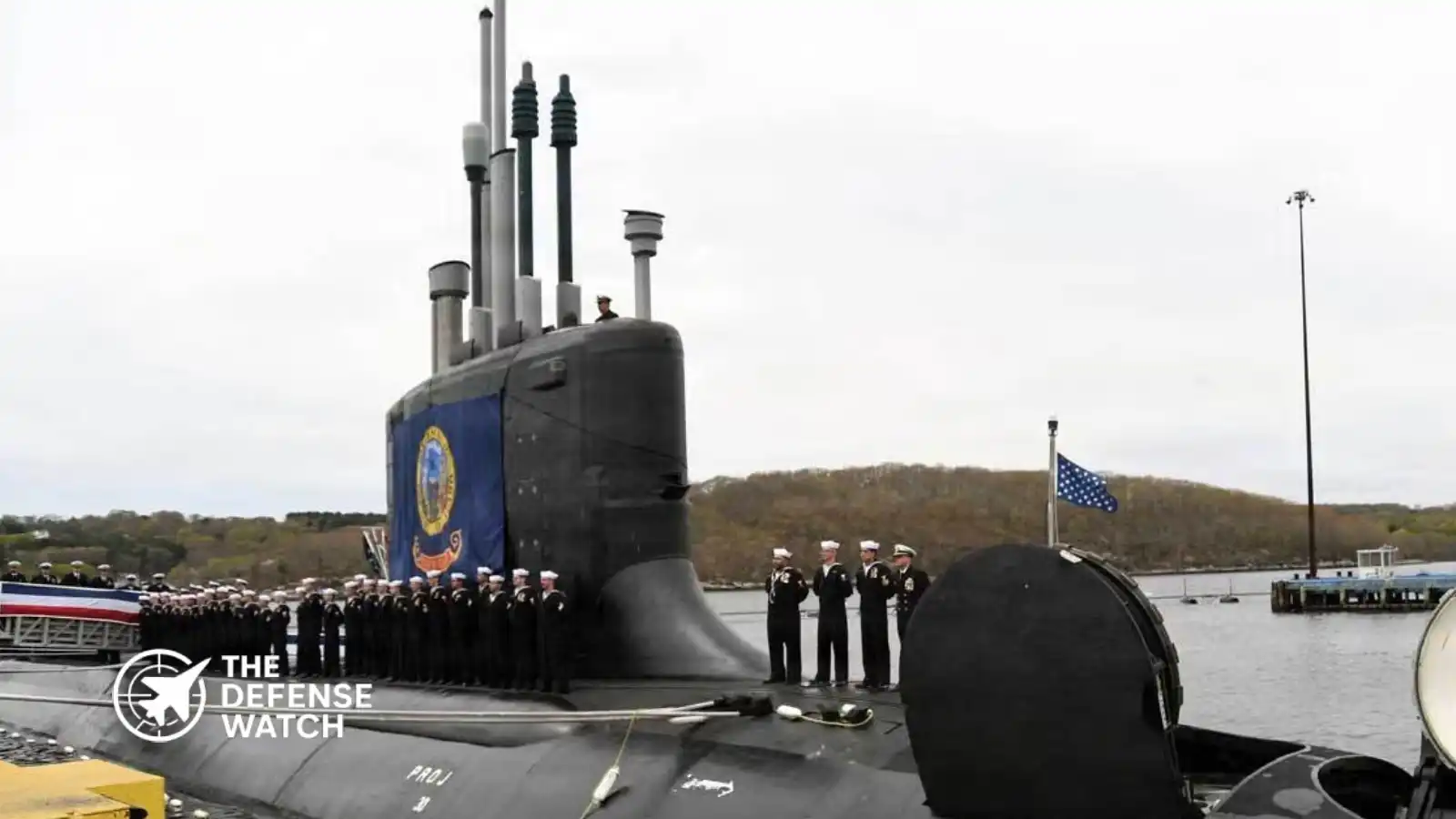
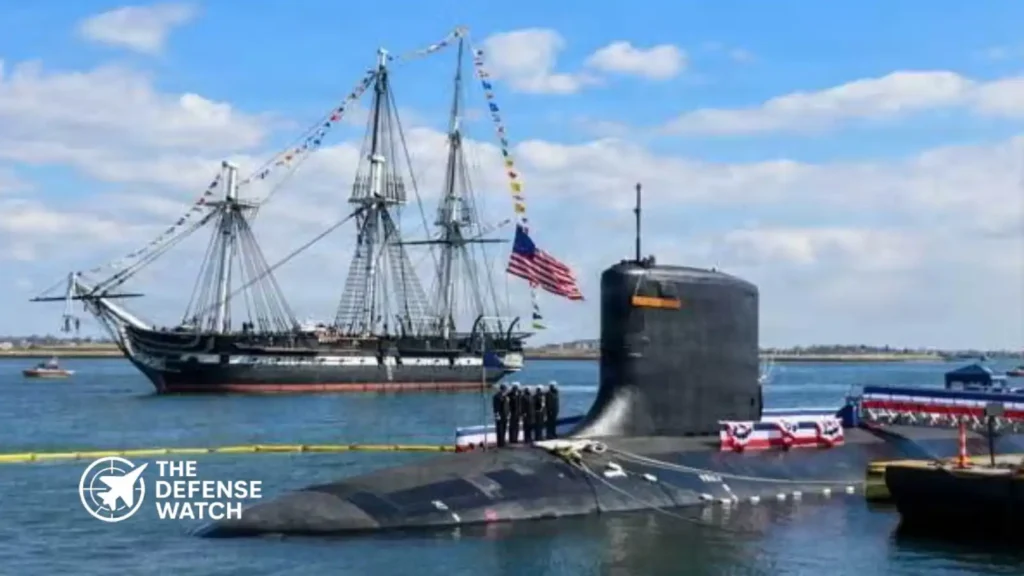
L3Harris Technologies is supplying critical systems for newly commissioned submarines operated by the United States Navy, enhancing stealth, survivability, and communications. The integration reflects a broader push to modernize undersea warfare capabilities amid evolving maritime threats.
L3Harris submarine technologies are playing a central role in equipping the latest generation of U.S. Navy submarines with advanced mission systems, reinforcing America’s undersea warfare advantage. As new submarines enter service, the integration of secure communications, electronic warfare, and sensor systems highlights a strategic shift toward more connected and survivable naval platforms.
The announcement, published by L3Harris in May 2026, underscores the company’s continued involvement in supporting submarine modernization efforts at a time when undersea dominance remains a critical component of U.S. military strategy.
L3Harris Systems Integrated Across New Submarines
L3Harris provides a range of mission-critical technologies now deployed aboard newly commissioned submarines. These systems include:
- Advanced communication systems for secure, real-time data exchange
- Integrated electronic warfare capabilities
- High-reliability undersea sensors
- Imaging and targeting support systems
These technologies are designed to function in contested environments where submarines must operate undetected while maintaining connectivity with joint forces.
The emphasis on secure and resilient communications reflects a growing operational requirement. Modern submarines are no longer isolated platforms, they are increasingly part of a broader network-centric warfare architecture.
Strengthening Stealth And Survivability
One of the key advantages of L3Harris submarine technologies lies in enhancing stealth without compromising operational effectiveness.
Submarines traditionally rely on minimal emissions to remain undetected. However, modern missions demand increased data sharing. L3Harris systems aim to balance this tradeoff by enabling:
- Low probability of intercept communications
- Reduced electronic signatures
- Improved situational awareness
This capability is especially relevant in high-threat maritime regions where adversaries are deploying more advanced anti-submarine warfare systems.
Analysis:
The integration of these technologies signals a shift from platform-centric to capability-centric design. Instead of focusing solely on hull design or propulsion, modern submarine effectiveness is increasingly defined by onboard electronics and data integration.
Supporting Multi-Domain Naval Operations
L3Harris submarine technologies also contribute to multi-domain operations, allowing submarines to operate as intelligence, surveillance, and reconnaissance (ISR) nodes.
This includes the ability to:
- Share targeting data with surface ships and aircraft
- Support strike operations with real-time intelligence
- Integrate into joint command and control networks
Such capabilities align with broader U.S. Department of Defense initiatives to enable seamless coordination across air, land, sea, cyber, and space domains.
Analysis:
This evolution reflects the growing importance of submarines beyond traditional roles such as deterrence and sea denial. They are increasingly becoming forward-deployed sensors and communication hubs in contested environments.
Industrial Base And Long-Term Naval Modernization
L3Harris’ involvement in submarine programs highlights the role of the U.S. defense industrial base in sustaining long-term naval modernization.
The company’s contributions span multiple submarine classes, supporting both new construction and upgrades to existing fleets. This continuity ensures:
- Technology standardization across platforms
- Reduced lifecycle costs
- Faster integration of future upgrades
Given the long service life of submarines, often exceeding 30 years, modular and upgradeable systems are critical to maintaining operational relevance.
Analysis:
The reliance on companies like L3Harris reflects a broader trend in defense procurement, where innovation cycles in electronics outpace those of traditional platforms. As a result, modular systems and open architectures are becoming essential.
Strategic Context: Rising Undersea Competition
The deployment of advanced L3Harris submarine technologies comes amid increasing global competition in undersea warfare.
Peer competitors are investing heavily in:
- Quiet diesel-electric and nuclear submarines
- Advanced sonar and detection systems
- Undersea drones and autonomous platforms
In this environment, maintaining an edge requires continuous upgrades in sensors, communications, and electronic warfare capabilities.
Analysis:
The U.S. Navy’s focus on undersea dominance remains consistent, but the nature of the challenge is evolving. Future conflicts are likely to involve contested information environments, making secure and resilient communication systems as critical as stealth itself.